Skip to content
UGA College of Agricultural & Environmental Sciences Field Report
  • Stories
    Almanac

    Science in service of humanity and the environment

    Read our annual magazine here

    READ


    Dive into engaging stories that showcase our statewide, national and global impact.

    Check out our written stories here

    LOOK


    Browse curated photo galleries capturing the people, places and programs that bring CAES to life.

    Check out our photo galleries here

    WATCH


    Experience our stories through videos that highlight our people, projects and passions in action.

    Check out our video library here

    LISTEN


    Tune in to “Cultivating Curiosity,” our podcast featuring in-depth conversations with CAES experts.

    Check out our podcast here
  • Expert Resources

    Expert Resources


    From farms and gardens to families and finances, our expert resources empower Georgians with trustworthy, practical science.

    Gardening
    Invasive species
    Food and food safety
    Ants, termites and other pests
    Pollinators
    Livestock
    Emergency preparedness
    Home safety and maintenance
    Health, family and finances
    Nutrition
    Water quality
    Lawn maintenance and landscaping
    Turfgrass
    View all topics

    What is an Expert Resource?


    We publish unbiased, research-backed expert advice to empower Georgians with practical, trustworthy information they can trust.

    These resources are written and reviewed by experts in the UGA College of Agricultural and Environmental Sciences and the UGA College of Family and Consumer Sciences.

    Learn how we produce science you can trust
  • People
  • Events
  • Contact
  • Read
  • Look
  • Watch
  • Listen
Subscribe
  • LinkedIn
  • Facebook
  • Instagram
Subscribe
  • LinkedIn
  • Facebook
  • Instagram

Search

Select Topics

  • a large tree with a smaller tree and landscaping plants are in a mulched area in the lawn of a white multifamily home
    Trees
    Dec. 16, 2025

    Creating a Balanced Landscape: The Partnership Between Trees and Lawns

    Whether you have just acquired a new property or you have been maintaining one for a while, you have paid at least passing attention to the trees in your landscape (Figure 1). From iconic pines, colorful maples, elegant poplars, to stately oaks, trees are an inseparable and meaningful part of…

    Tiana Deeb, Bodie V. Pennisi, Jason Gordon, and Clint Waltz

  • Plant Pests and Diseases
    July 31, 2025

    Granulate Ambrosia Beetle: Biology and Management

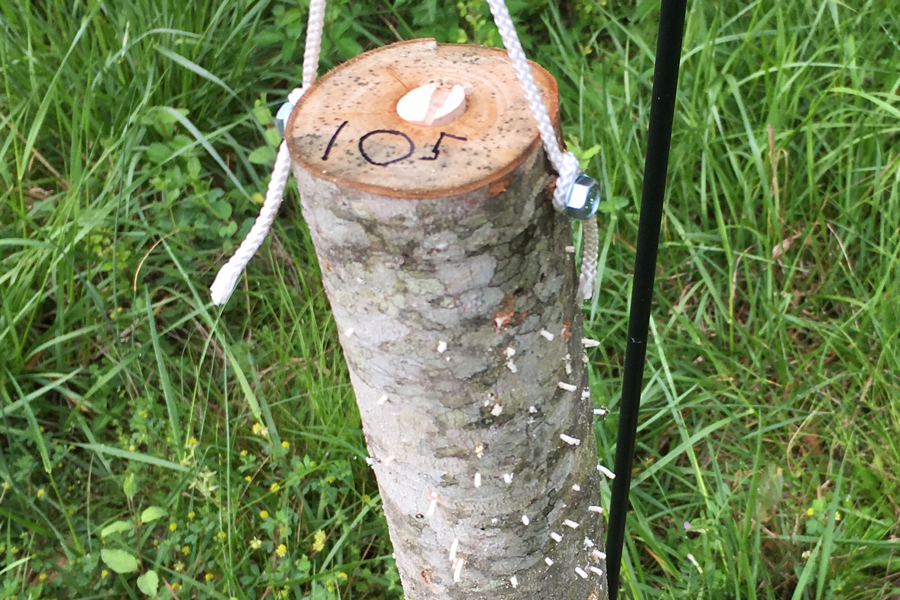
    Granulate ambrosia beetle, Xylosandrus crassiusculus (Mot.), seen in Figure 1A, is a serious pest of woody trees and shrubs in Georgia. The insect was previously known as the Asian ambrosia beetle. These tiny beetles were first detected in South Carolina in the 1970s and have spread across the Eastern U.S. …

    William G. Hudson, Paul Pugliese, and Shimat V. Joseph

  • Plant Pests and Diseases
    Oct. 14, 2024

    Insect Identification Guide for Southeastern Landscapes

    How to Use This Booklet Related Content Go to the tab that best exemplifies the damage observed on ornamental plants or turfgrass. Some insects are not easily seen. Sometimes a magnifying glass or a microscope is needed. The type of damage caused can provide evidence of the culprit. Not all…

    S. Kris Braman

  • Fall Gardening
    Feb. 2, 2023

    Fall Gardening: A Collection of Information and Resources

    Planting Tall Fescue Lawns Clint Waltz, Extension Specialist – Turfgrass Tall fescue is a popular cool-season grass species known to have a bunching growth habit. Best adapted to Georgia’s Piedmont, tall fescue is used for home lawns, general areas and soil stabilization. In general, the southern boundary for tall fescue…

    Sharon Dowdy, Kristin L. Slagle, Bob Westerfield, Clint Waltz, April Reese Sorrow, Stephanie Schupska, Paul Pugliese, and Amanda Swennes

  • May 10, 2022

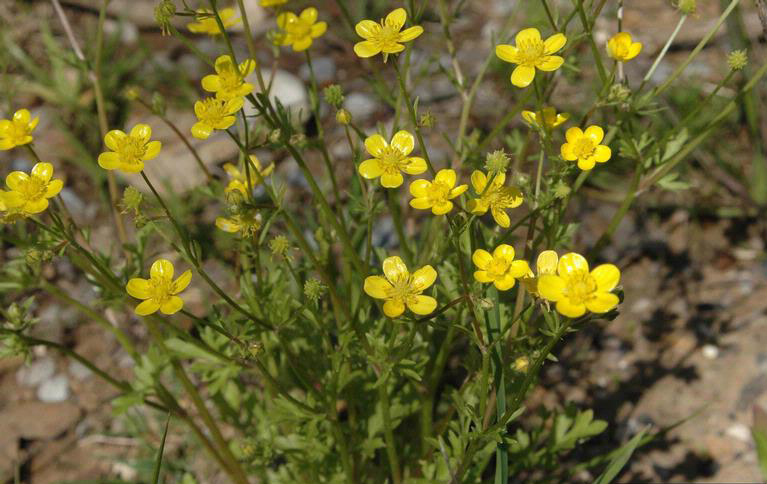
    What’s up, buttercup? Prolific weed competes with forage grasses and grains

    Buttercup is one of the most prolific spring weeds and is easily recognized by its bright, glossy yellow flowers.

    Paul Pugliese

  • Gardening
    March 18, 2022

    Compost enriches soil — but doesn’t replace fertilizer

    You would need about 70 pounds of compost to add the same amount of nutrients as 10 pounds of 10-10-10 fertilizer (containing 10% each nitrogen, phosphorus and potassium).

    Paul Pugliese

  • Dec. 16, 2021

    Avoid transplant shock by planting trees and shrubs in the cooler months

    Fall- and winter-planted trees and shrubs can more quickly become established in their new environment while they are dormant, giving them far more resilience during their first summer.

    Paul Pugliese

  • Oct. 5, 2021

    Popular trees provide flower power but don’t last the test of time

    Select longer-lived flowering species for your landscape rather than cultivars that will decline with time.

    Paul Pugliese

  • Sept. 20, 2021

    Rainy weather brings leaf spot disease

    Pear trees, Indian Hawthorn and Red Tip Photinia among trees and shrubs affected.

    Paul Pugliese

  • Sept. 15, 2021

    Don’t be bugged by insects seeing the light

    Turning off exterior lights or changing bulb types can cut down on buggy night visitors.

    Paul Pugliese

Posts navigation

1 2 … 11 Next

About CAES

CAES Home

Overview

History

Administration

Jobs

Personnel Directory

Privacy Policy

Accessibility Policy

AI Guidelines

Affiliations

UGA Cooperative Extension

Tifton Campus

Griffin Campus

University of Georgia
  • Schools and Colleges
  • Directory
  • MyUGA
  • Employment Opportunities
  • Copyright and Trademarks
  • UGA Privacy Policy
  • Report an Accessibility Barrier
  • Submit a Student Complaint
#UGA on
© University of Georgia, Athens, GA 30602
706‑542‑3000