Takeaways
- UGA researchers are studying changing virus pressure in Georgia tomato fields.
- Field trials identified four tomato cultivars that performed well under natural disease pressure.
- Research and Extension teams work together to give growers practical information they can use now.
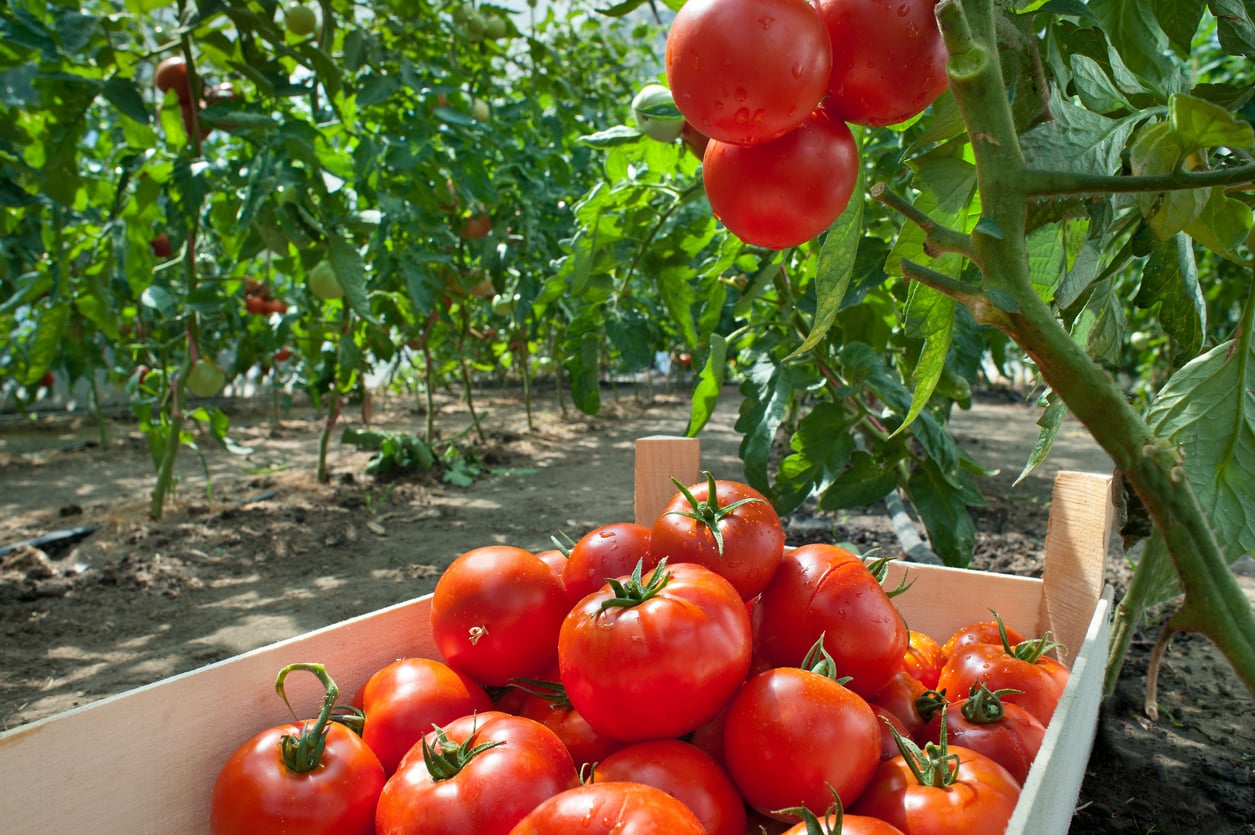
A good tomato has a lot to do before it reaches a grocery store.
The plant has to produce enough fruit to make the crop profitable for a farmer, and then the fruit must achieve the size, color, firmness and flavor consumers expect.
More importantly, the plant has to survive long enough to produce a tomato at all.
Growing a good tomato is complicated
For Georgia’s $99 million tomato industry, it takes teamwork to make this particular dream work.
In the state’s humid, subtropical climate, a complex system of virus-carrying insects feeds nearly year-round, perpetuating the spread of viruses from one crop to another.
At the University of Georgia’s College of Agricultural and Environmental Sciences (CAES), scientists who study tomato production, plant viruses and the insects that spread them work with UGA Cooperative Extension agents and growers to solve problems as they emerge in the Georgia fields where our food is grown.
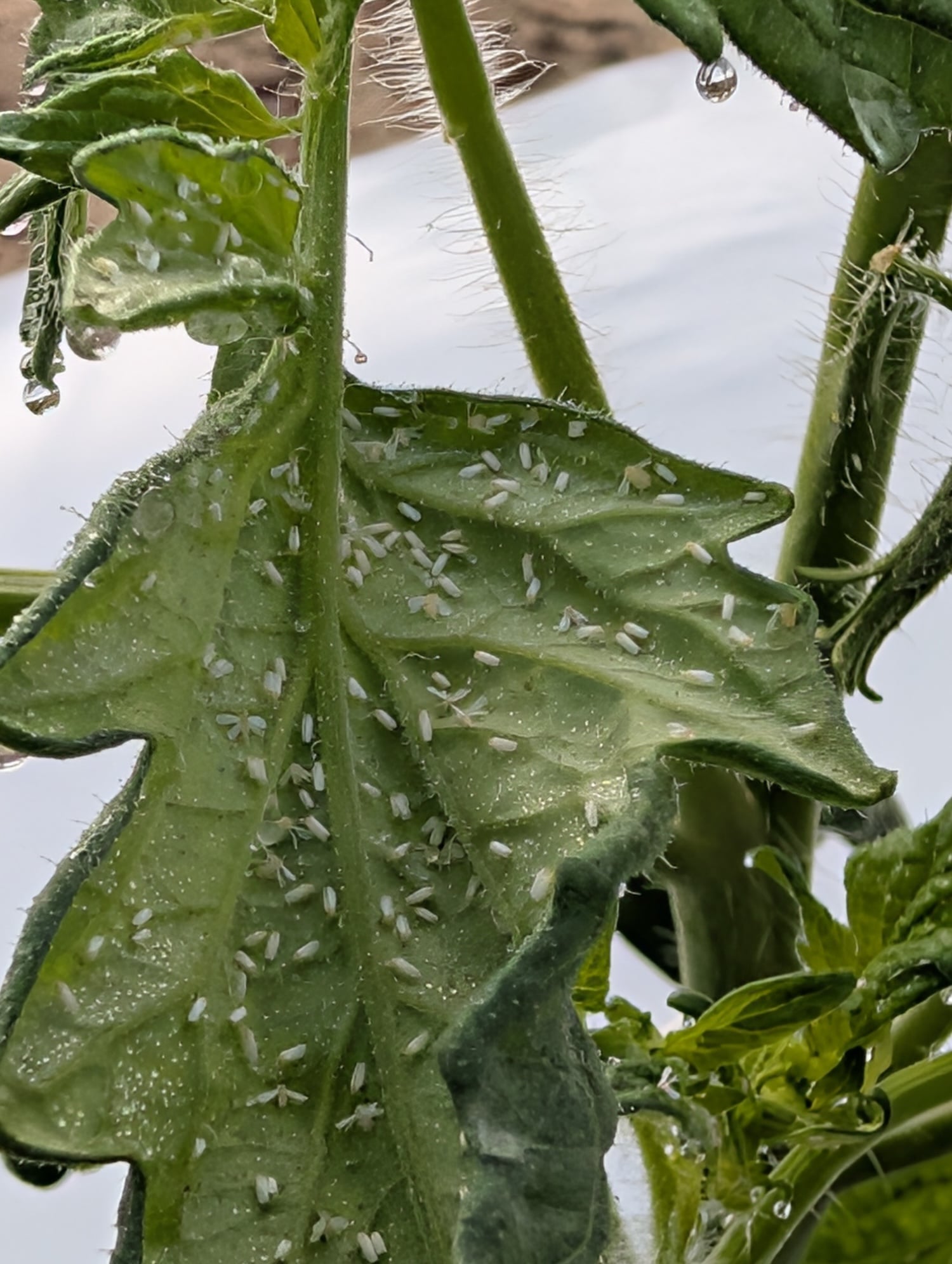
One of those problems appears each fall, when populations of whiteflies — tiny insects that transmit plant viruses — reach staggering numbers after a summer of feeding and breeding.
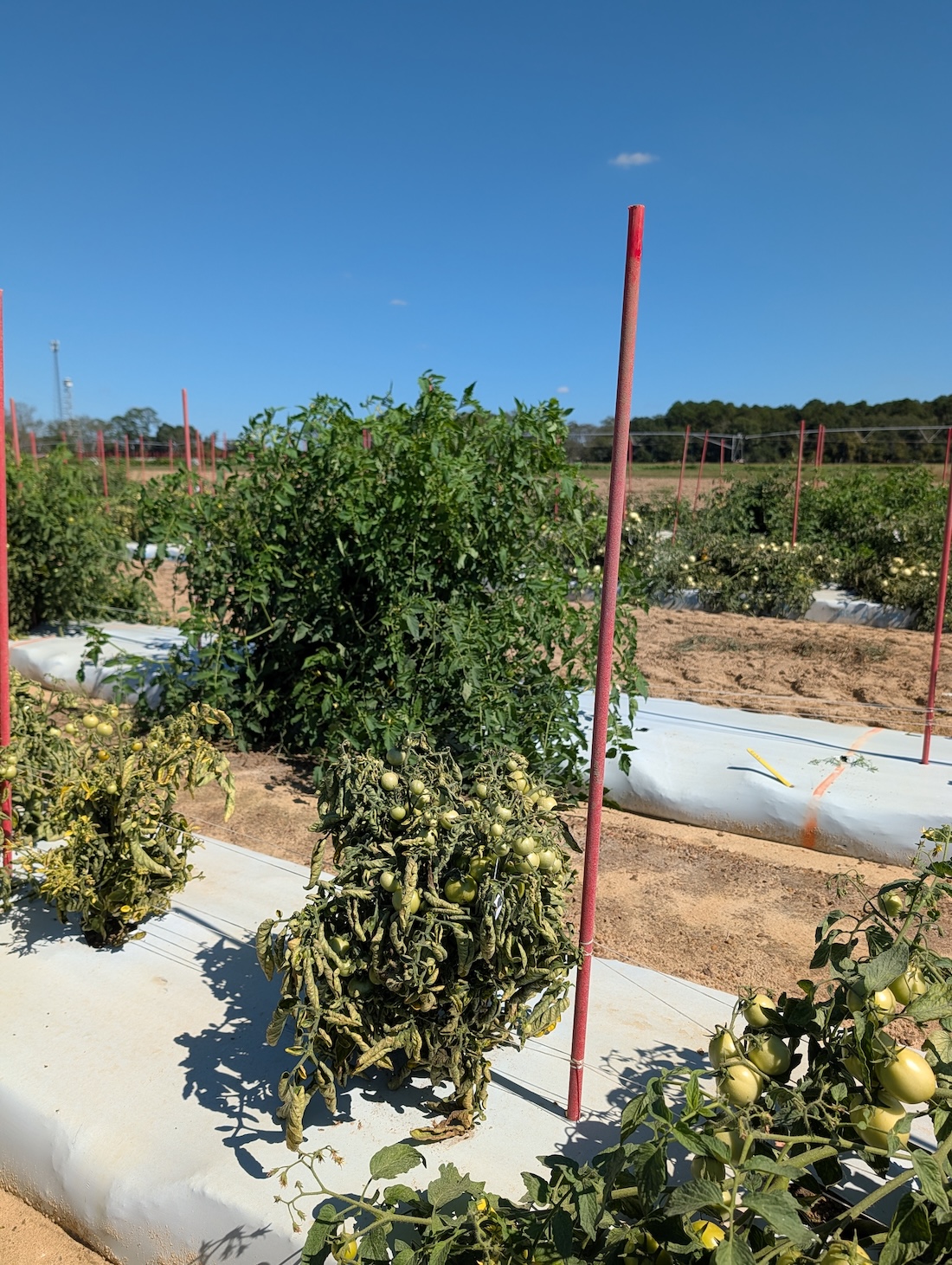
One of the most damaging viruses they transmit is tomato yellow leaf curl virus, or TYLCV. Infected plants become stunted, with characteristically twisted, curled leaves and reduced yield.
If you’ve grown tomatoes in your own yard, you know how large and fruitful the plants can become. But under severe disease pressure, plants can remain only ankle high, said UGA Extension vegetable specialist Ted McAvoy.
“The plant essentially stops growing and won’t produce a single tomato,” he stressed.

Tomato disease pressure is changing
An assistant professor in the Department of Horticulture, McAvoy explained that commercial tomato cultivars have been bred with resistance to TYLCV for decades, giving growers an important defense against the damaging virus.
WHAT IS A CULTIVAR?
A cultivar is a type of plant selected or bred for specific traits. Tomato cultivars, for example, may be bred for higher yields, better flavor or resistance to certain diseases.
Learn how UGA researchers are restoring flavor to modern commercial tomatoes.
But resistance does not confer total immunity and, in recent years, Georgia growers and Extension agents have noticed increased disease in cultivars expected to have some protection.
When Sudeep Bag, associate professor and plant pathologist at CAES, and his lab investigated, they found more pieces to the disease puzzle. By analyzing virus samples collected from infected tomato plants in Georgia, the team identified a distinct, slightly more aggressive form of TYLCV and found an additional whitefly-transmitted virus infecting some of the same plants.
A bit like detective work, Bag’s lab in the Department of Plant Pathology analyzes clues from diseased plants to understand what is happening in the field and why. Researchers are now working to determine whether these overlapping factors help explain the increased disease growers are seeing.
For growers, the immediate question is which cultivars work best now?
“The growers are coming to us saying, ‘There are differences in these varieties, even the ones that have resistance. I need to know which one is best,’” said Ty Torrance, a UGA Extension Agriculture and Natural Resources agent.
Those questions from farmers drive research in the field and the lab.
“We’ve got to know what’s going on right now for the farmers so they can make the best decision on what’s available to them,” Torrance said. “Then we need Sudeep’s lab to help us understand why it’s happening and prepare for what’s ahead.”
Tomato cultivars show promise for Georgia growers
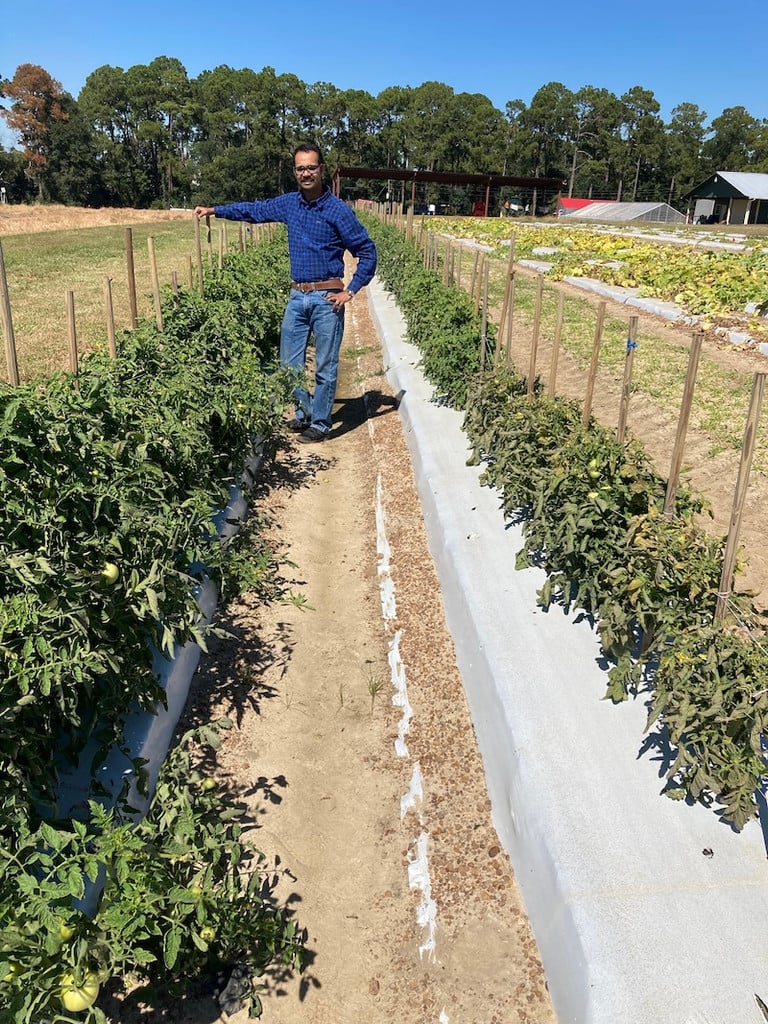
After evaluating seven commercial slicer-type tomato cultivars over two fall seasons under natural disease pressure, the team identified ‘Camaro,’ ‘Grand Marshall,’ ‘Jolene’ and ‘STM 2255’ as the highest-yielding, with relatively low TYLCV disease progression and severity.
All four cultivars carry two genes for TYLCV resistance and showed potential for fall production in southwest Georgia, where most of the state’s commercial tomatoes are grown.
The results show the importance of testing commercial cultivars under the same conditions growers face, McAvoy explained, because a resistance gene alone does not guarantee strong performance.
(Submitted photo)
“I think that’s why it’s important to validate,” he added. “We’ve got to look at yield, fruit size, fruit quality and validate all of that in the same place where our food is grown.”
That validation step is critical in helping growers choose cultivars that can produce a profitable, marketable crop despite persistent disease pressure. It also helps keep a reliable supply of Georgia-grown tomatoes moving from farms to grocery store shelves.
There is no single answer to managing viruses,” Bag said. “That tug of war is always going on, and it will keep on going. But so will we.”
This work is supported by Agreement No. 59-6080-5-001- Managing Whiteflies and Whitefly-transmitted Viruses in Vegetable Crops in the Southeastern U.S., from the U.S. Department of Agriculture-Agricultural Research Service. Any opinions, findings, conclusions, or recommendations expressed in this publication are those of the author(s) and do not necessarily reflect the view of the U.S. Department of Agriculture.