
Aminopyralid is used for broadleaf weed control in pastures, roadsides, and hayfields, but can cause damage to sensitive broadleaf crops because of residual carryover in the soil (Goodale et al., 2021).
Aminopyralid mimics the auxins (synthetic organic substances that mimic hormones that affect plant growth) that plants produce themselves, and in sensitive broadleaf plants, it can cause injury symptoms such as epinasty (leaf twisting), malformed leaves, etiolation (elongation of internodes), and chlorosis (yellowing).
Aminopyralid, a synthetic auxin herbicide, has the same mode of action as 2,4-D, dicamba, and clopyralid. However, aminopyralid is part of the pyridine-carboxylate family (as is clopyralid), while 2,4-D and dicamba are classified in the phenoxy-carboxylate and benzoate families, respectively.
Persistence of Aminopyralid in the Environment
In field studies, aminopyralid’s half-life was 20–32 days with no leaching below 6–12 in. of soil depth (Office of Chemical Safety and Pollution Prevention, 2005). However, laboratory studies under aerobic conditions showed longer half-lives of 32–533 days, with 104 days used for risk assessment. This indicates that aminopyralid’s half-life varies with environmental factors such as temperature, rainfall, and soil type.
Since aminopyralid may be applied to pastures, livestock grazing on those pastures may consume it. They can then pass it on in their manure and urine, which may injure vegetable crops grown where that manure or urine is deposited (Davis et al., 2024).
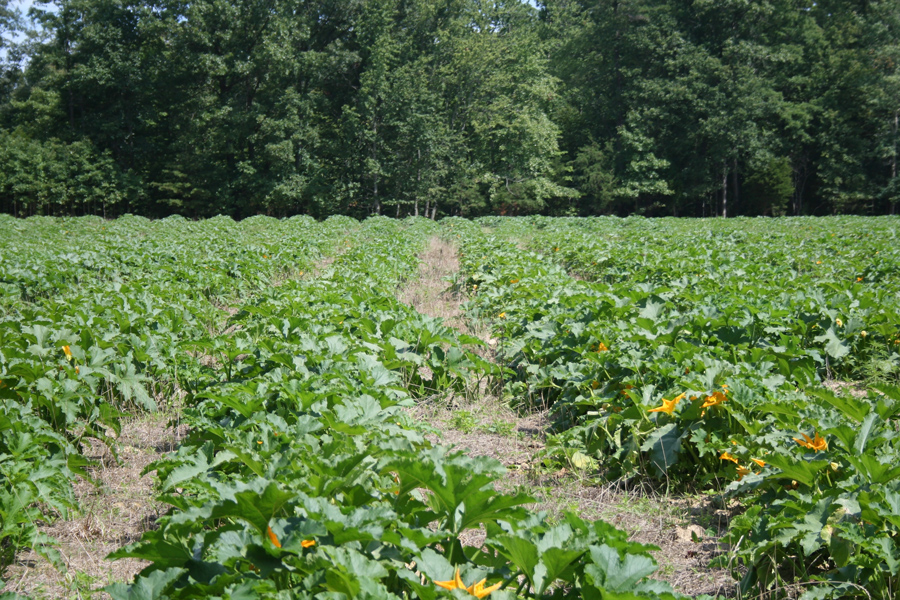
It can also persist in plant materials like hay and compost, which are sometimes used to mulch vegetable crops. Because it may persist in soils, aminopyralid can cause injury to vegetable crops planted in land previously used for pasture.
Testing for Aminopyralid
Chemical analysis can detect and measure aminopyralid concentration in soils. However, these tests can be costly ($130–400 per sample; Fauci et al., 2002). These tests also cannot detect aminopyralid concentrations below 0.2 µg/kg soil, but field experiments in Florida indicated severe plant damage and yield reduction in sensitive vegetable crops at concentrations below this level (Fast et al., 2011).
Because of these factors, and previous work done by Miller and Buhl (2021) in compost and Fauci et al. (2002), UGA researchers have developed a practical residual herbicide bioassay test using plants as bioindicators of potential aminopyralid carryover in Georgia soils.
Supplies Needed
- shovel
- bucket
- flags
- resealable plastic bags
- 8-oz foam cups
- sand
- area with access to warm temperatures, water, and sunlight
- seeds: green beans, butternut squash, and other crop(s) of interest
Bioassay Steps
Soil Sampling
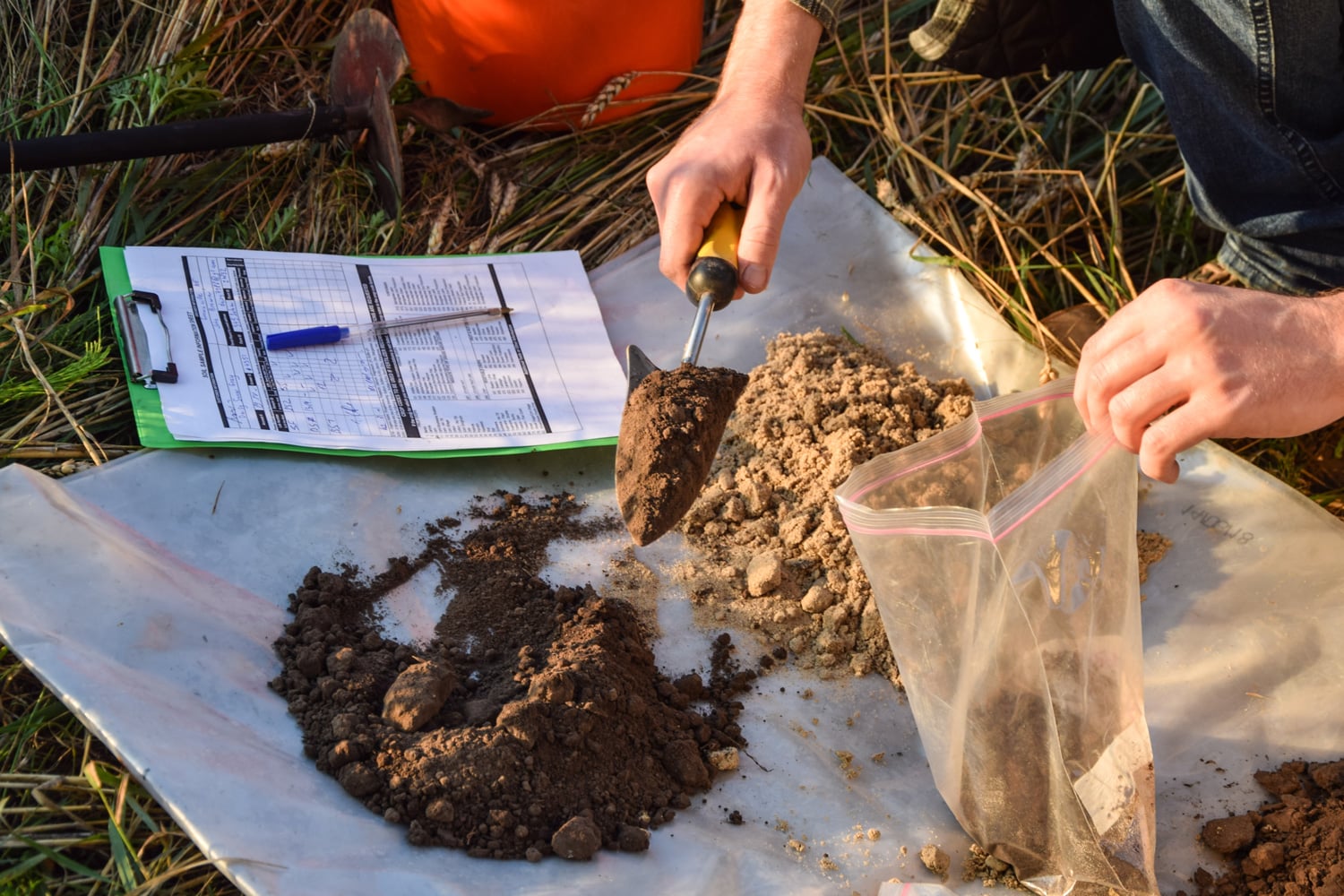
- Collect soil samples with a shovel, going roughly 11 in. deep into the soil profile of the potentially contaminated area.
- Mix the soil thoroughly. You will need roughly 4 lb of soil per sampling area.
- Place a flag near each sample point and label it. Use the same label on the resealable plastic bag that the soil is placed into.
- Repeat this process across the area of interest. Take as many sample points as necessary to get an accurate representation of the field.
- Next, collect soil from an area that is known not to have any contamination (ideally, a soil type that is similar to that of the contaminated area). This soil will be used as a noncontaminated control reference.
Keep in mind that this bioassay is only as good as the soil sample that is used to test for the presence of herbicides. Be sure to be thorough when sampling.

Cup Preparation and Planting
- Poke a hole (~0.5 in.) in the bottom of the foam cups for drainage.
- Place each cup with a hole within another foam cup to catch any water that may leach through the soil (Figure 1).
- Place soil into the inner cup, leaving about 0.75 in. between the soil level and the top rim.
- Place three seeds on the soil surface and cover them with sand, leaving some room at the top of the cup so the sand does not spill over when watering.
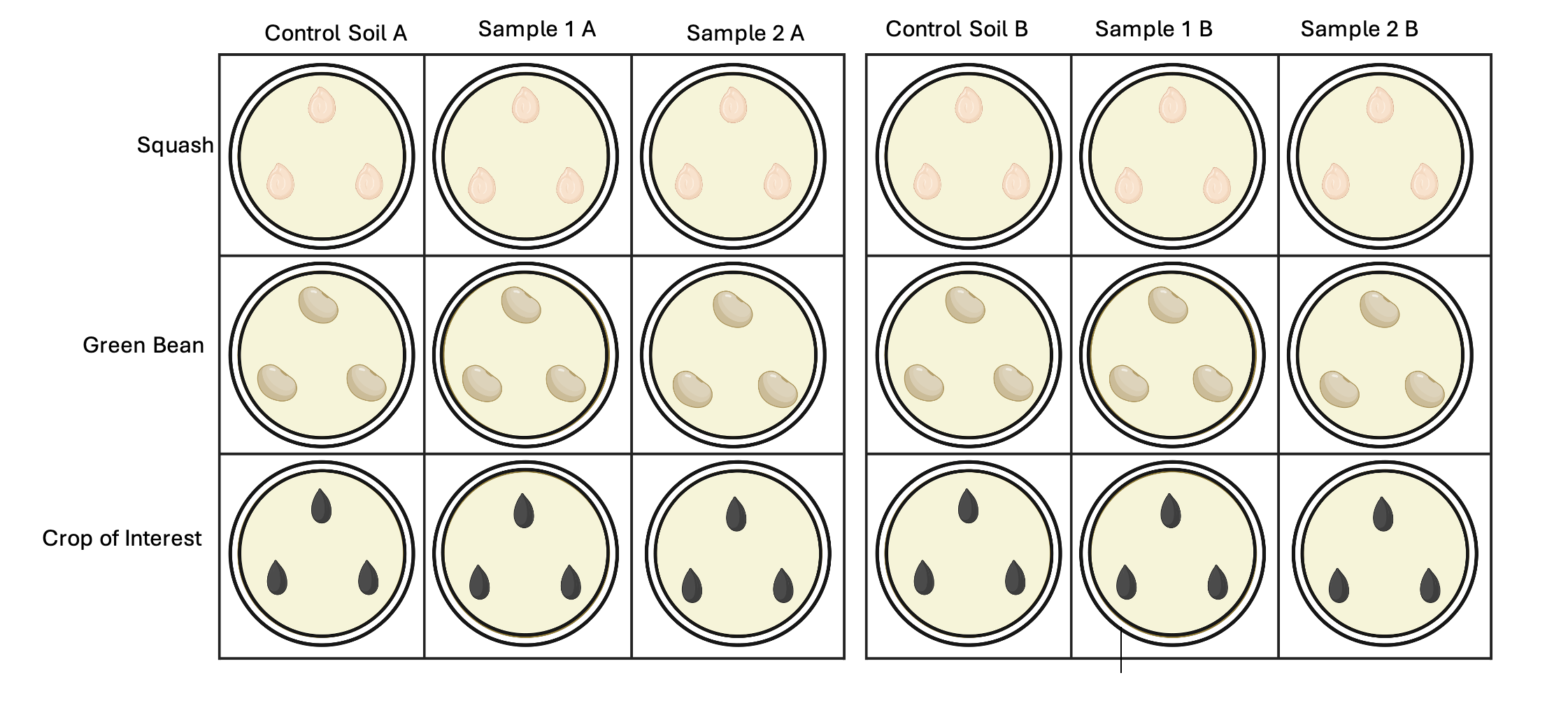
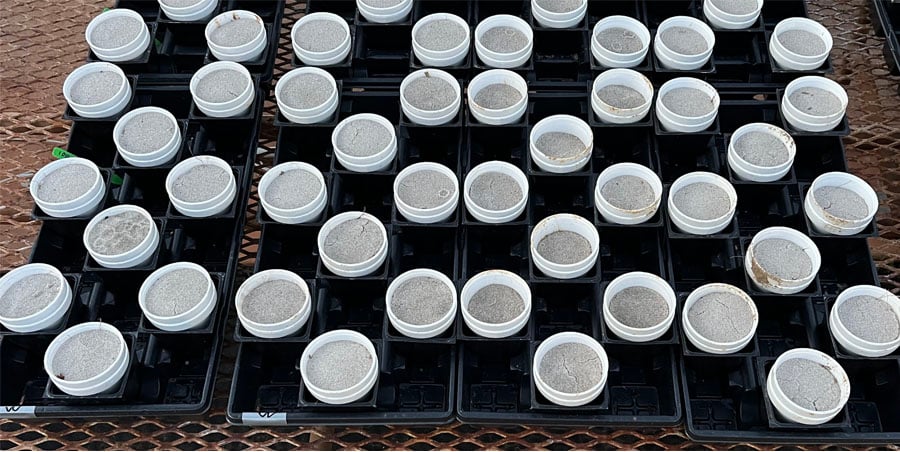
You should have two replications of each sampling point for each plant species tested (Figure 2). Figures 3 and 4 show what the cups should look like after setup.

Watering
- Starting with the cups with the control (noncontaminated) soil, pour water into the cup until it starts to drip from the bottom. Take note of how much water is used.
- Use slightly less water when watering the other cups.
- Water once a day in the morning (twice a day if the soil is dry in the afternoon). Continue to use the control cups as a reference for the daily watering rate for the contaminated cups.
Watch Your Water
You do not want water dripping from the cups, as some of the aminopyralid could be flushed out. If water is found in the outer cup, allow the soil to dry for a few hours, then pour the water back onto the soil in the inner cup.
Observation for Aminopyralid Injury
Roughly 2–3 weeks after seeding, plants that are in contaminated soil should start to show aminopyralid injury. If no injury is present, continue to grow plants up to 4 weeks after planting. If no injury is visible by then, the soil is likely free of aminopyralid.
If Aminopyralid Injury Occurs
- If aminopyralid injury does show up, refer to Figures 5, 6, and 7 of this resource for symptomology and an estimation of the amount of aminopyralid that is in the soil.
- If injury does occur, contact your local Extension agent. Some options include planting a grass cash crop, deep tilling to dilute the herbicide, or planting grass cover crops to help speed up the breakdown of aminopyralid in the soil.
- Repeat this test after a period of time has passed, or if remediation steps have been taken, to see if the aminopyralid has broken down yet. This will let you know when the soil is safe for your broadleaf crop of choice.
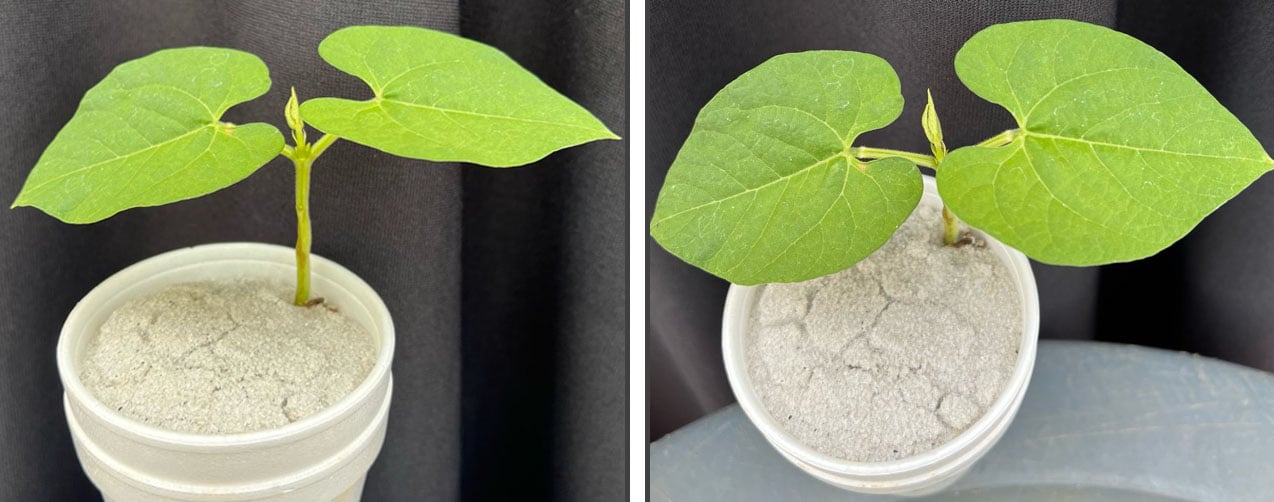

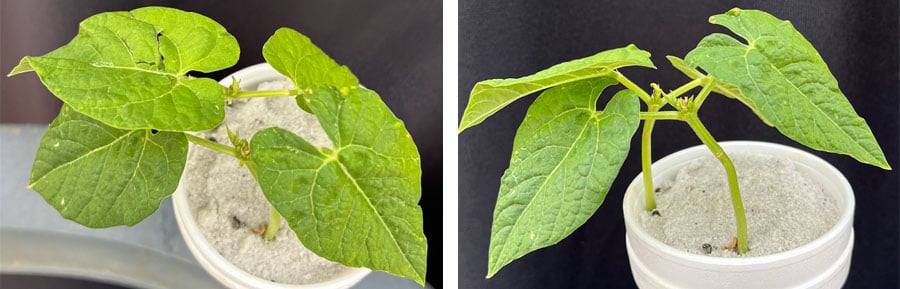
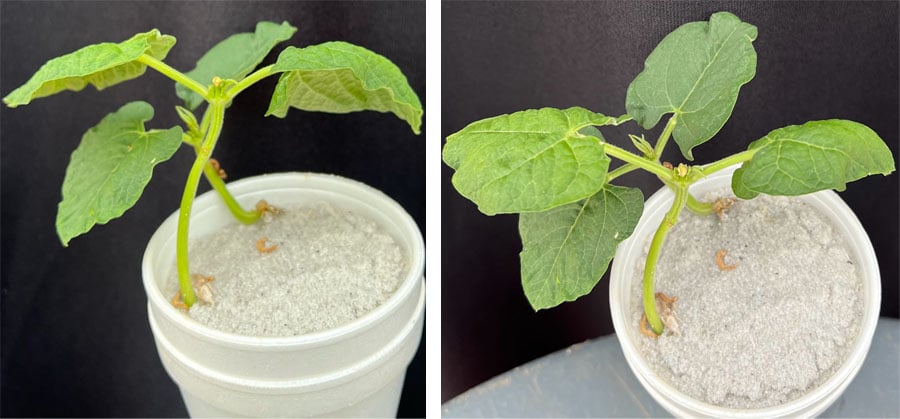
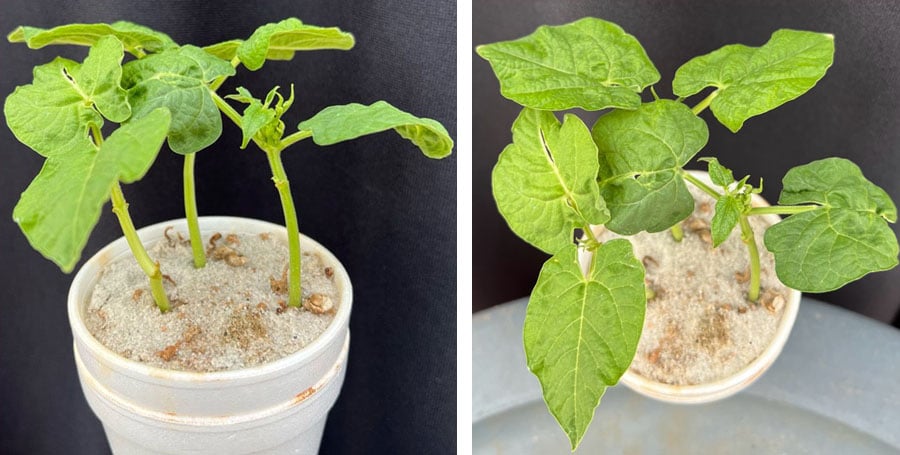
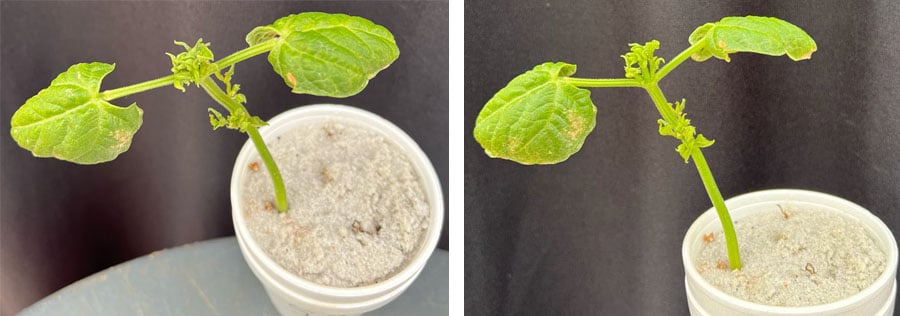
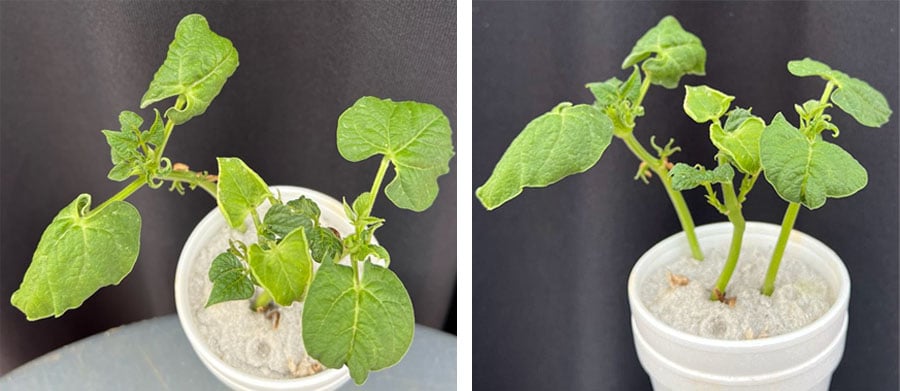
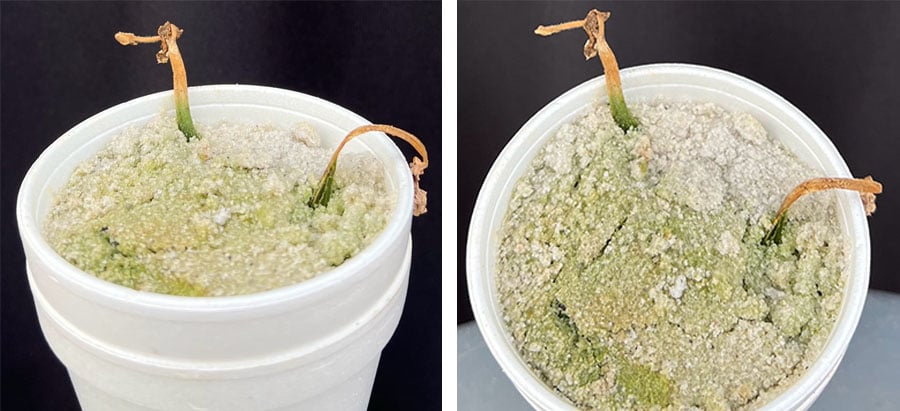

Figure 5. Green Bean Symptomology and Aminopyralid Concentration. Concentration is expressed in a rate using Milestone® (2 lb/gallon liquid formulation).
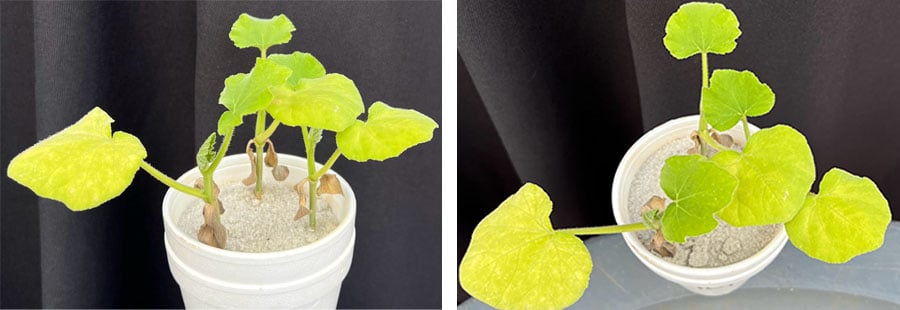
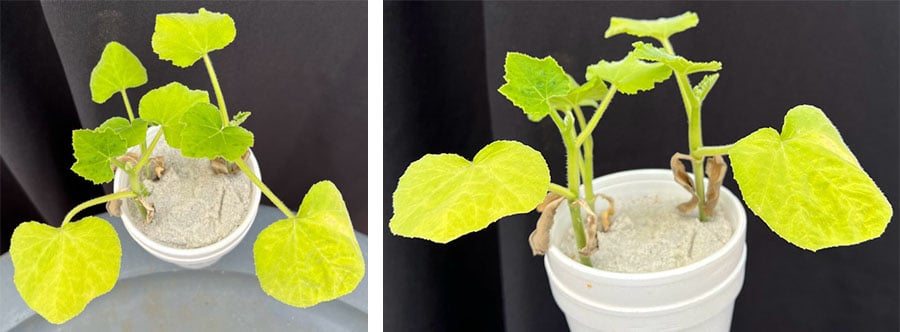
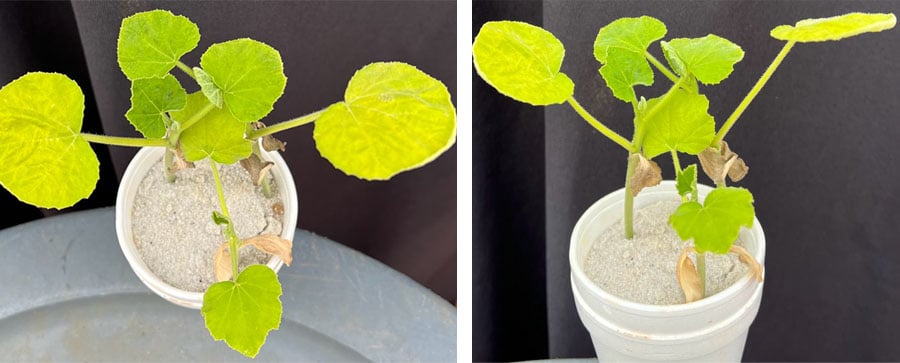
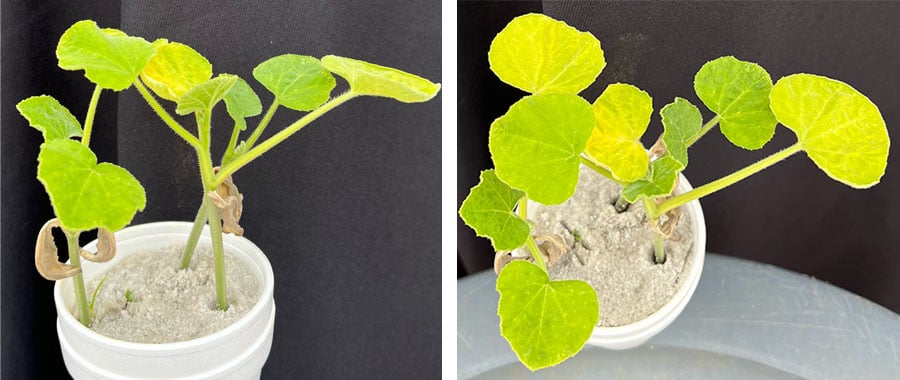
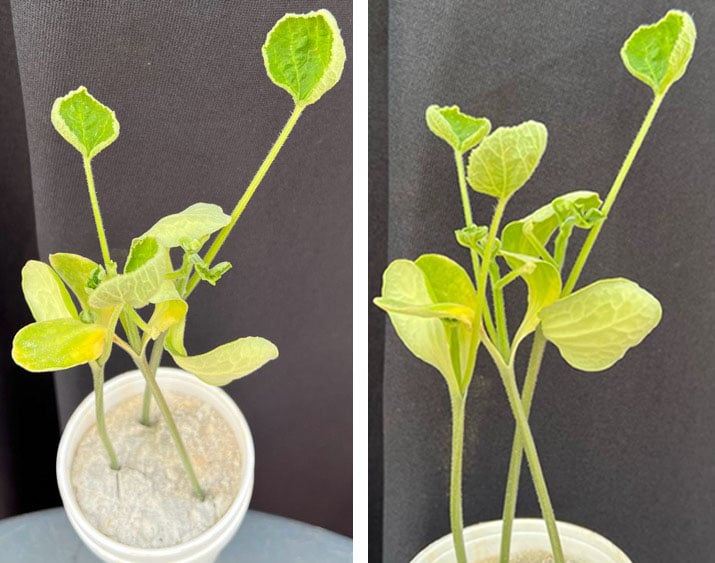
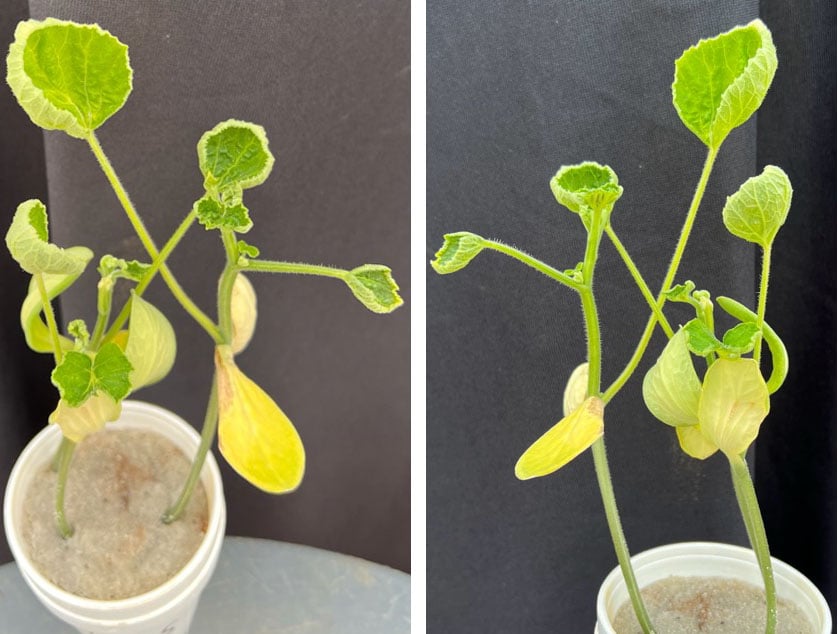
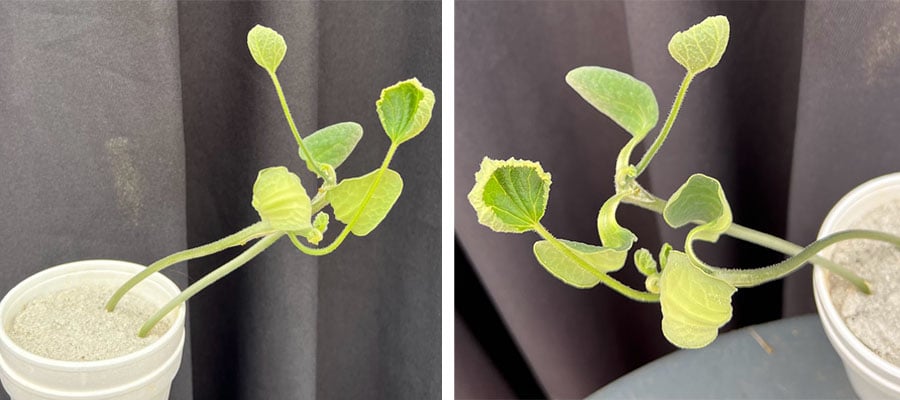
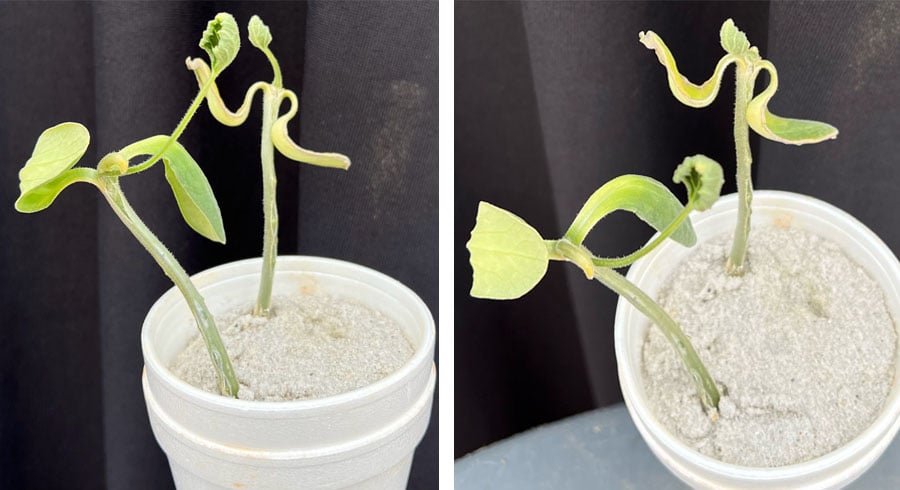
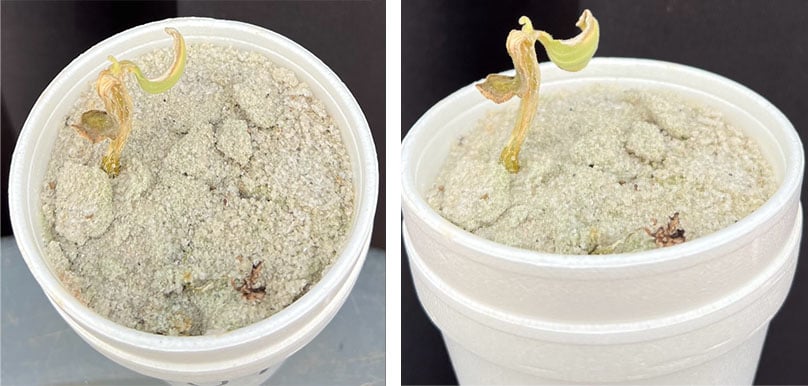
Figure 6. Squash Symptomology and Aminopyralid Concentration. Concentration is expressed in a rate using Milestone® (2 lb/gallon liquid formulation).

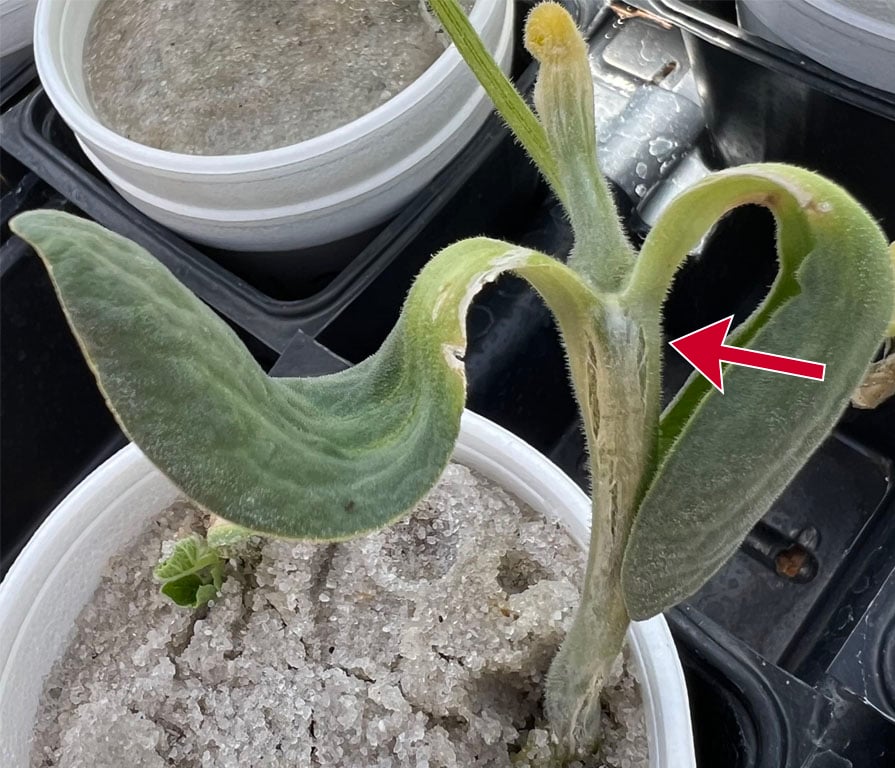

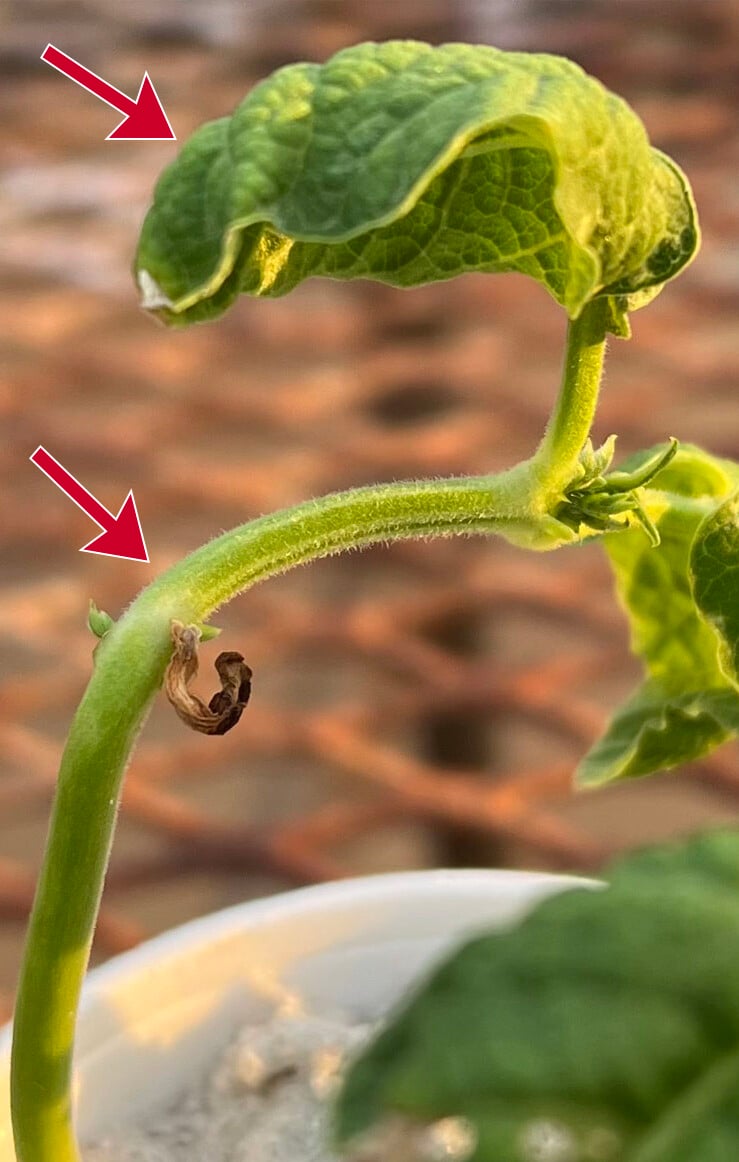
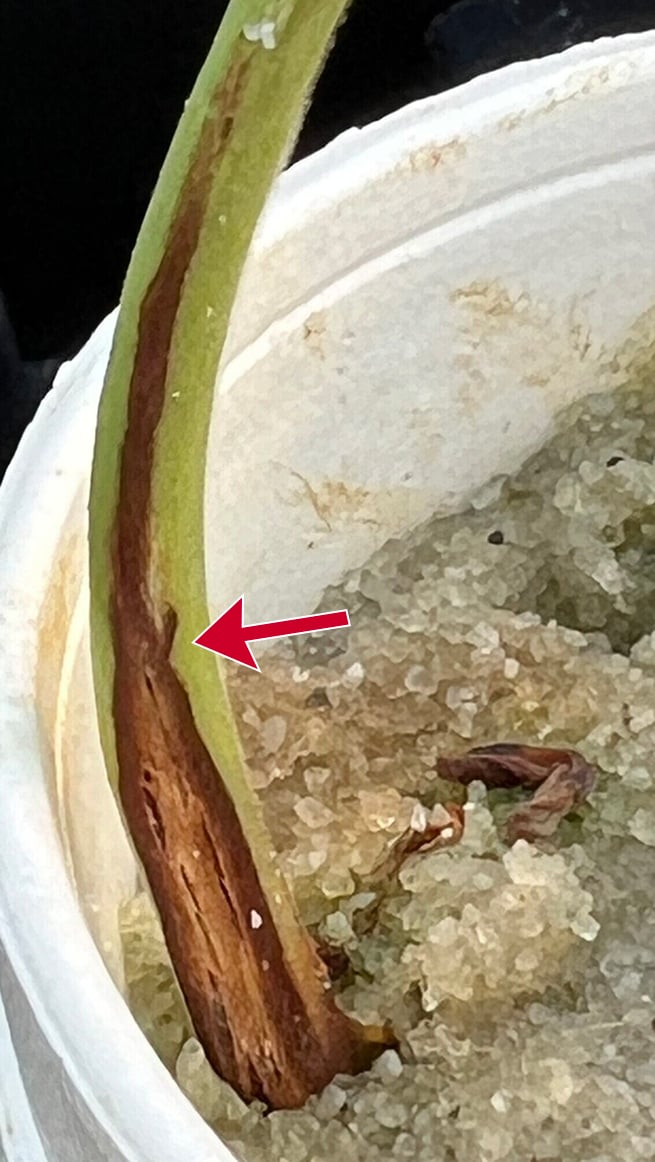
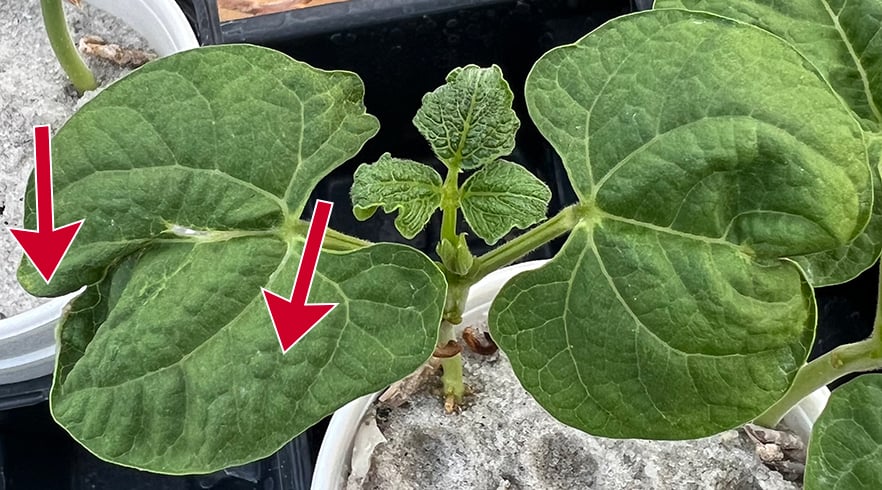
Figure 7. Symptomology of Aminopyralid Injury in Squash and Green Beans.
Conclusion
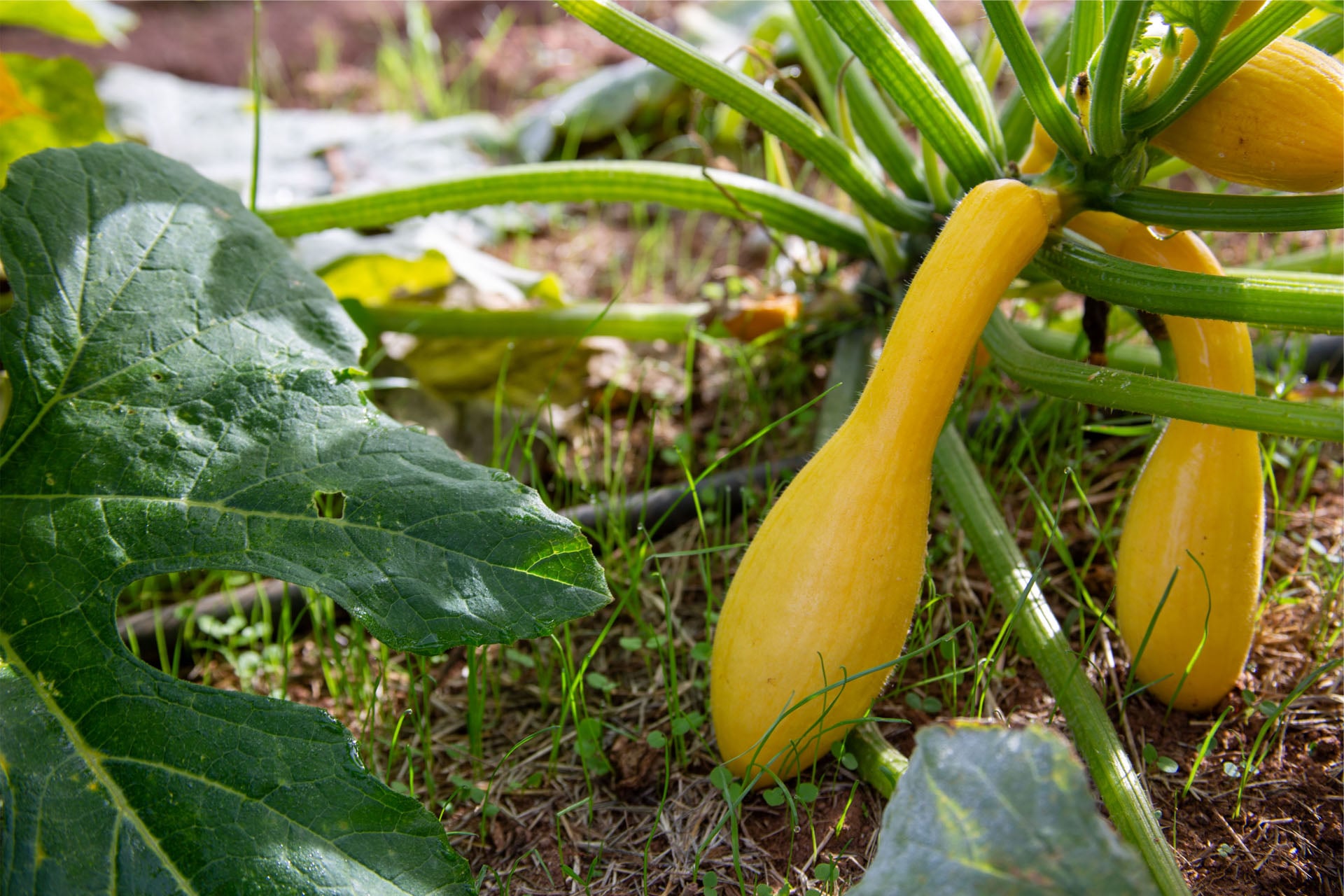
Green beans and squash were used for this bioassay because the seeds are large, quick to germinate, and readily available at low cost at many garden retailers. Both are good bioindicators for aminopyralid contamination in soil. Both plants show symptomology that is very clearly the result of a synthetic auxin herbicide like aminopyralid.
Green beans are much more sensitive to aminopyralid than squash, making them a better choice for detecting very low levels of aminopyralid in soil. We suggest performing a plant bioassay if new pastureland was purchased to be converted into vegetable production, as it can provide quick, affordable, and sensitive detection of herbicide contamination.
References
Davis, J., Johnson, S. E., & Jennings, K. (2024, December 18). Herbicide carryover in hay, manure, compost, and grass clippings (Publication No. AG-727). North Carolina State Extension. https://content.ces.ncsu.edu/herbicide-carryover
Fast, B. J., Ferrell, J. A., MacDonald, G. E., Sellers, B. A., MacRae, A. W., Krutz, L. J., & Kline, W. N. (2011). Aminopyralid soil residues affect rotational vegetable crops in Florida. Pest Management Science, 67(7), 825–830. https://doi.org/10.1002/ps.2119
Fauci, M., Bezdicek, D. F., Caldwell, D., & Finch, R. (2002). Development of plant bioassay to detect herbicide contamination of compost at or below practical analytical detection limits. Bulletin of Environmental Contamination and Toxicology, 68, 79–85. https://doi.org/10.1007/s00128-001-0222-8
Goodale, D., Neal, J., & Jennings, K. (2021, December 8). Synthetic auxins: Herbicide injury factsheets. North Carolina State Extension. https://content.ces.ncsu.edu/synthetic-auxins
Miller, W., & Buhl, K. (2021, February). Herbicide-contaminated compost and soil mix (Publication EM 9307). Oregon State University Extension Service. https://extension.oregonstate.edu/sites/extd8/files/documents/em9307.pdf
Office of Chemical Safety and Pollution Prevention. (2005, August 10). Pesticide fact sheet: Aminopyralid (Publication No. 7501C). U.S. Environmental Protection Agency. https://nepis.epa.gov/Exe/ZyPURL.cgi?Dockey=P100BIFF.txt
Oliveira, S., da Silva, A., Smith, K., & Kemble, J. (2023, March 6). Soil temperature conditions for vegetable seed germination (Publication No. ANR-1061). Alabama Cooperative Extension System. https://www.aces.edu/blog/topics/lawn-garden/soil-temperature-conditions-for-vegetable-seed-germination/