Skip to content
UGA College of Agricultural & Environmental Sciences Field Report
  • Stories
    Almanac

    Science in service of humanity and the environment

    Read our annual magazine here

    READ


    Dive into engaging stories that showcase our statewide, national and global impact.

    Check out our written stories here

    LOOK


    Browse curated photo galleries capturing the people, places and programs that bring CAES to life.

    Check out our photo galleries here

    WATCH


    Experience our stories through videos that highlight our people, projects and passions in action.

    Check out our video library here

    LISTEN


    Tune in to “Cultivating Curiosity,” our podcast featuring in-depth conversations with CAES experts.

    Check out our podcast here
  • Expert Resources

    Expert Resources


    From farms and gardens to families and finances, our expert resources empower Georgians with trustworthy, practical science.

    Gardening
    Invasive species
    Food and food safety
    Ants, termites and other pests
    Pollinators
    Livestock
    Emergency preparedness
    Home safety and maintenance
    Health, family and finances
    Nutrition
    Water quality
    Lawn maintenance and landscaping
    Turfgrass
    View all topics

    What is an Expert Resource?


    We publish unbiased, research-backed expert advice to empower Georgians with practical, trustworthy information they can trust.

    These resources are written and reviewed by experts in the UGA College of Agricultural and Environmental Sciences and the UGA College of Family and Consumer Sciences.

    Learn how we produce science you can trust
  • People
  • Events
  • Contact
  • Read
  • Look
  • Watch
  • Listen
Subscribe
  • LinkedIn
  • Facebook
  • Instagram
Subscribe
  • LinkedIn
  • Facebook
  • Instagram

Search Expert Resources

Select Topics

Select Authors

  • a tangled mass of roots from an eggplant that have been damaged by nematodes
    Commercial Vegetables
    Oct. 16, 2026

    Initial Steps for Detecting Plant-Parasitic Nematode Problems in Vegetables

    Plant-parasitic nematodes (PPN) are microscopic roundworms that cause serious crop losses worldwide. These soilborne pests attack and feed on plant roots, causing serious injury to the root system of the host plant. Consequently, the host plant’s water and nutrient uptake is disrupted and plant growth is inhibited, resulting in loss…

    Intiaz Amin Chowdhury, Bhabesh Dutta, and Ganpati Jagdale

  • A field of bermudagrass on the left is yellowed and damaged while the field on the right is green and thriving
    Forages and Baleage
    Oct. 12, 2026

    Bermudagrass Stem Maggot Management in Pastures and Hayfields

    Bermudagrass (Cynodon spp.) is one of the primary forage species grown in Georgia and the Southeastern U.S. The bermudagrass stem maggot (BSM; Atherigona reversura Villeneuve) damages bermudagrass pastures and hayfields each summer growing season (Figure 1). The BSM can cause severe economic damage, especially to hayfields. This resource will answer…

    Lisa Baxter and Justin C Burt

  • Well Water
    Oct. 8, 2026

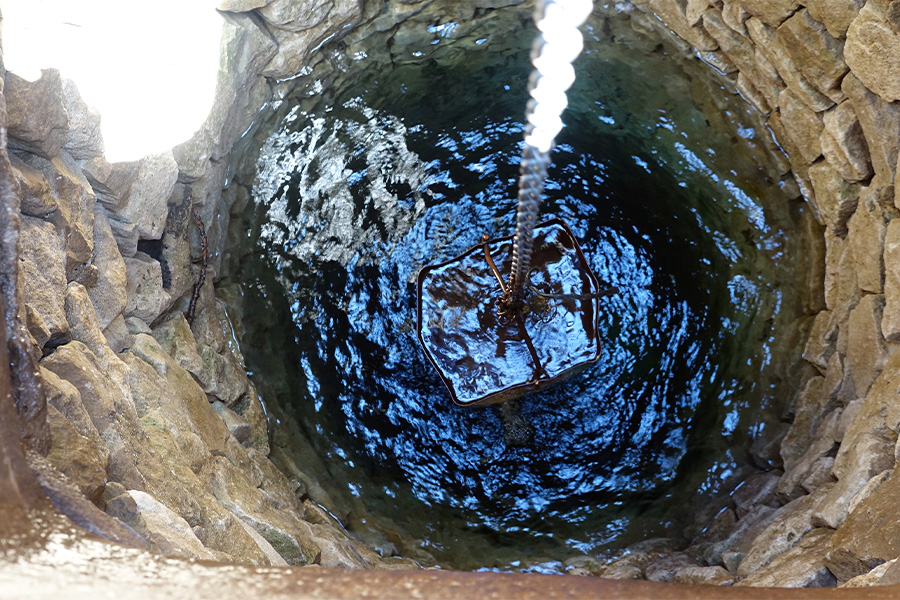
    Ensuring Safe Private Well Water for Household Use After a Flood

    The quality of drinking water from wells may be compromised during a flood. Flooding around the well increases the risk of drinking water becoming contaminated with bacteria or any other contaminants, rendering it unsafe to drink and for washing food items. Furthermore, entry of foreign objects into the well could damage…

    Uttam K. Saha and Gary L. Hawkins

  • a tractor pulls a row crop planter through a prepared field
    Equipment
    Oct. 1, 2026

    Row Crop Planter Checklist: Tips to Achieve Successful Stand Establishment

    Planting represents a critical field operation in row crop production. Correct planter setup and maintenance can reduce downtime in the field while ensuring optimum seeding performance during planting, which generally leads to successful stand establishment. Negligent planter maintenance and setup can lead to costly planting mistakes, resulting in stand establishment…

    Lauren Lazaro and Wesley Porter

  • Plant Pests and Diseases
    Sept. 30, 2026

    Tizón de Fuego de las Rosáceas: Síntomas, Causas y Tratamiento

    El tizón de fuego de las rosáceas es una enfermedad destructiva, altamente infecciosa y que ocurre en muchas partes del país y es causada por la bacteria Erwinia amylovora. El tizón de fuego es particularmente prevalente en algunos condados de Georgia. La enfermedad puede atacar los botones florales, las hojas,…

    Alfredo Martinez

  • Emergency Preparedness
    Sept. 24, 2026

    Building a Home Emergency Kit

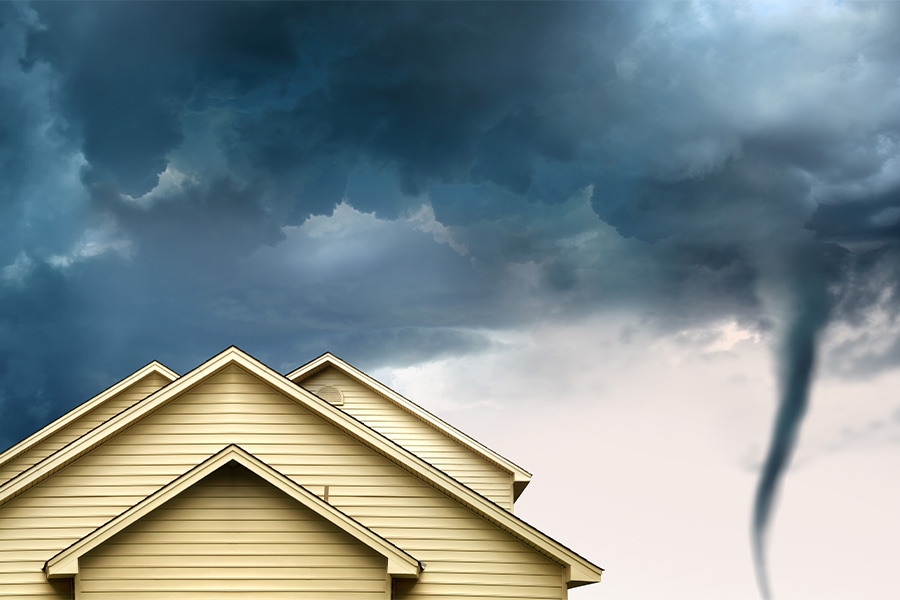
    In an emergency, being prepared can make evacuation quicker and less stressful. Building a home emergency kit ahead of time helps ensure essential supplies are readily available if you need to leave your home. The recommendations below cover basic supplies for emergencies and evacuations. For a more comprehensive list of…

    Ashlee Tziganuk and Jermaine Durham

  • a boom sprayer passes over a field while nozzles turn off and on using a blended pulse
    Equipment
    Sept. 24, 2026

    Pulse Width Modulation Technology for Agricultural Sprayers

    Agricultural sprayers are commonly used for pesticide applications and come in various design types and sizes, including three-point hitch, pull-behind, and self-propelled. During pesticide applications, maintaining a target application rate (in gallons per acre or GPA) across the whole field is important for effective pest management. Fluctuations in ground speed…

    Lauren Lazaro

  • Poultry
    Sept. 16, 2026

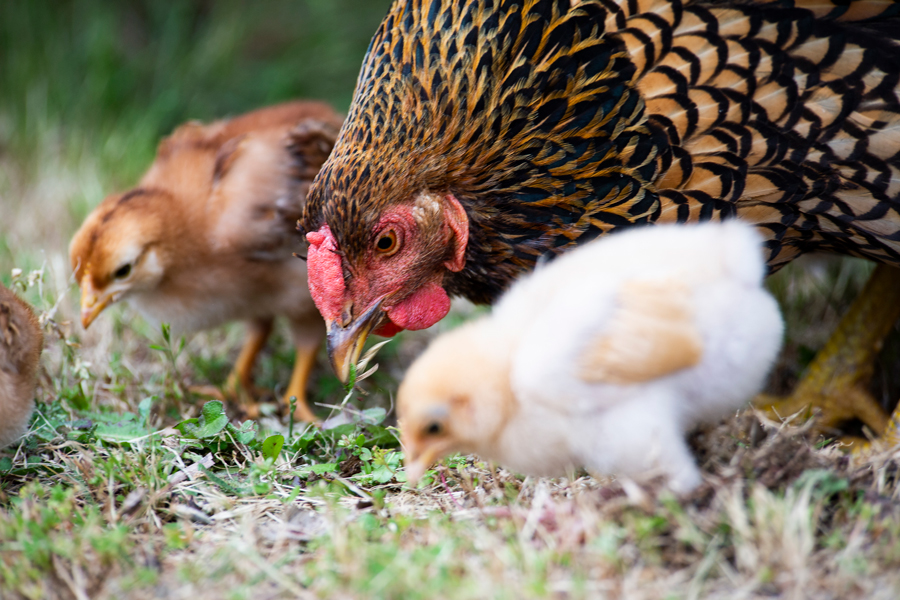
    Management Guide for the Backyard Flock

    Over the last several decades, poultry production has become a large and profitable industry. This is partly because of increased demand for a nutritious, low-fat protein source such as chicken and partly because low prices have tended to increase consumption of poultry products. Although relatively low poultry prices have resulted…

    Claudia Dunkley

  • Food Safety , Holiday Food
    Sept. 15, 2026

    Food Safety Tips for Preparing a Holiday Turkey

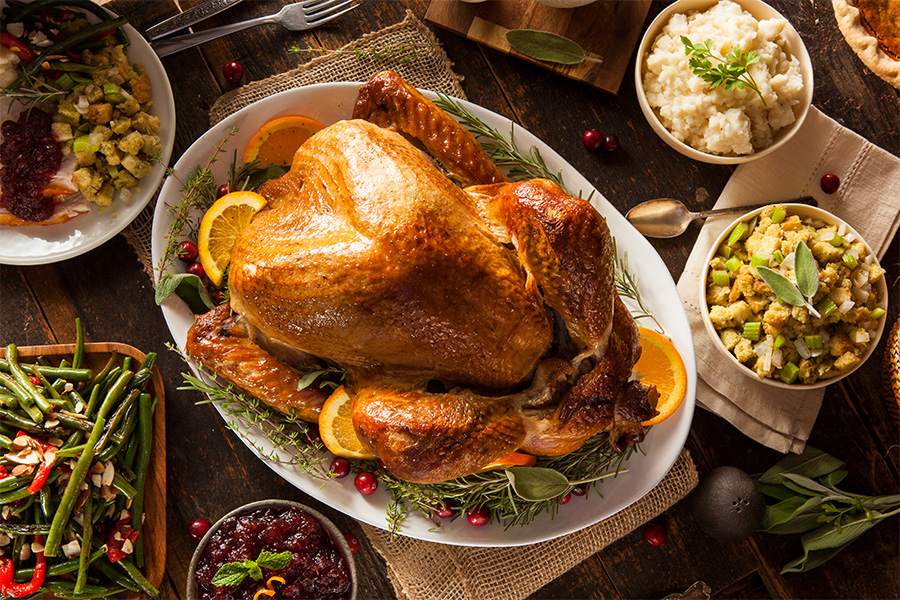
    Safe Thawing The USDA recommends three ways to defrost turkeys: in the refrigerator, in cold water, or in the microwave. Because bacteria can multiply rapidly at room temperature, never defrost a turkey on the counter! Refrigerator Thawing Refrigerator thawing is the safest method to thaw food, including a turkey. Plan…

    Carla Luisa Schwan

  • Plant Pests and Diseases
    Sept. 3, 2026

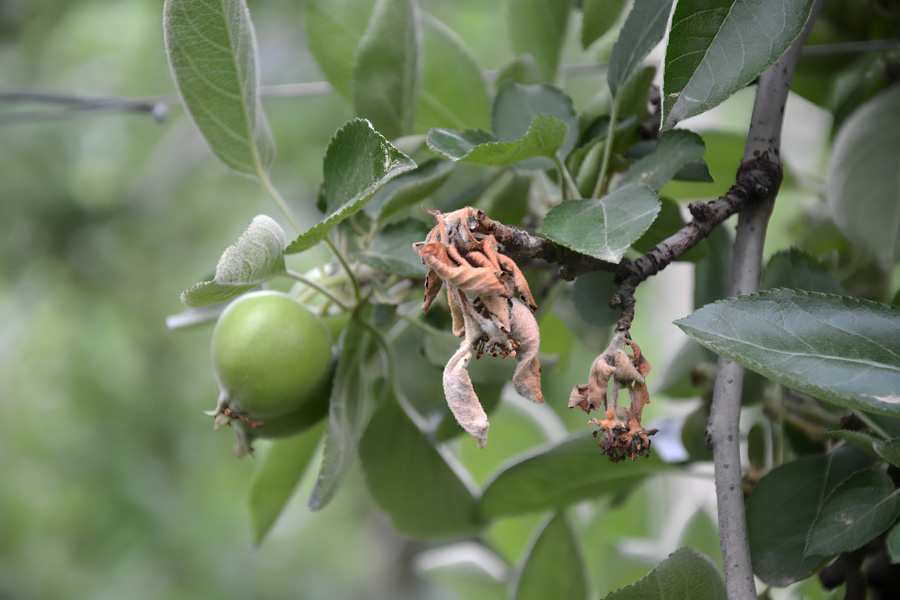
    Fireblight: Symptoms, Causes, and Treatment

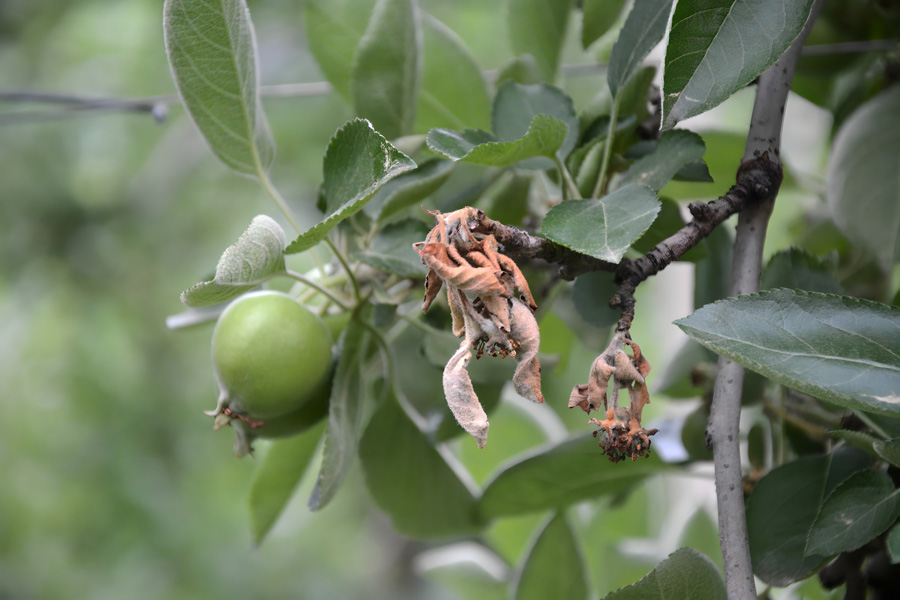
    Fireblight is a destructive, highly infectious, and widespread disease caused by the bacterium Erwinia amylovora. Fireblight can be a problem in Georgia and is particularly prevalent in some counties. Fire blight attacks blossoms, leaves, shoots, branches, fruits, and roots. Here are some facts and methods to help you avoid and…

    Alfredo Martinez

Posts navigation

1 2 … 50 Next

About CAES

CAES Home

Overview

History

Administration

Jobs

Personnel Directory

Privacy Policy

Accessibility Policy

AI Guidelines

Affiliations

UGA Cooperative Extension

Tifton Campus

Griffin Campus

University of Georgia
  • Schools and Colleges
  • Directory
  • MyUGA
  • Employment Opportunities
  • Copyright and Trademarks
  • UGA Privacy Policy
  • Report an Accessibility Barrier
  • Submit a Student Complaint
#UGA on
© University of Georgia, Athens, GA 30602
706‑542‑3000