Food Resources
-

C 1364-09-SP
Disfrute las fiestas con alegría y cuide su salud
NewEsta publicación ofrece orientación práctica para que las personas con diabetes puedan disfrutar de las celebraciones sin comprometer su salud. Reconoce que las fiestas, las reuniones familiares y los eventos religiosos son momentos importantes en la cultura, y que la comida tradicional suele ocupar un lugar central. Por ello, brinda estrategias sencillas y realistas organizadas en dos momentos clave: antes y durante las celebraciones. Antes de las fiestas, se recomienda planificar comidas y compras, utilizar el Método del Plato para la Diabetes, cocinar con anticipación, buscar recetas más saludables, mantenerse activo y establecer metas pequeñas y alcanzables. Durante las celebraciones, se sugiere mantener horarios regulares de comida, no saltarse las comidas, llevar un platillo saludable, elegir con inteligencia en el bufet, comer despacio, planificar el consumo de postres, seleccionar bebidas adecuadas, monitorear los niveles de glucosa y realizar actividad física ligera, como caminar después de comer. El objetivo es proporcionar herramientas prácticas que permitan disfrutar plenamente de las tradiciones mientras se mantienen niveles de glucosa bajo control y se protege la salud.
|
-

C 1364-10-SP
Comer fuera de casa cuando tiene diabetes
NewComer fuera de casa es una actividad común por motivos sociales o de conveniencia, y las personas con diabetes pueden disfrutarla sin descuidar su salud. Sin embargo, los alimentos de restaurante suelen contener más calorías, sodio y grasa, lo que puede dificultar el control de la glucosa en sangre. Además, al comer fuera, no siempre se sabe cómo se preparan los alimentos, lo que añade un reto adicional. Para apoyar una mejor toma de decisiones, se recomienda aplicar estrategias prácticas como planificar con anticipación, controlar las porciones, hacer pequeños ajustes en los platillos, elegir opciones más saludables según el tipo de cocina, y tomarse el tiempo para hacer preguntas sobre la preparación de los alimentos. Estas acciones permiten equilibrar la conveniencia con el bienestar y favorecen un mejor manejo de la diabetes en la vida diaria.
|
-
 Renewed
The southeastern peach industry is known for the high quality of its fresh peaches. As a new peach season approaches, it is time to ready the packinghouse for output of the best peach product.
|
-
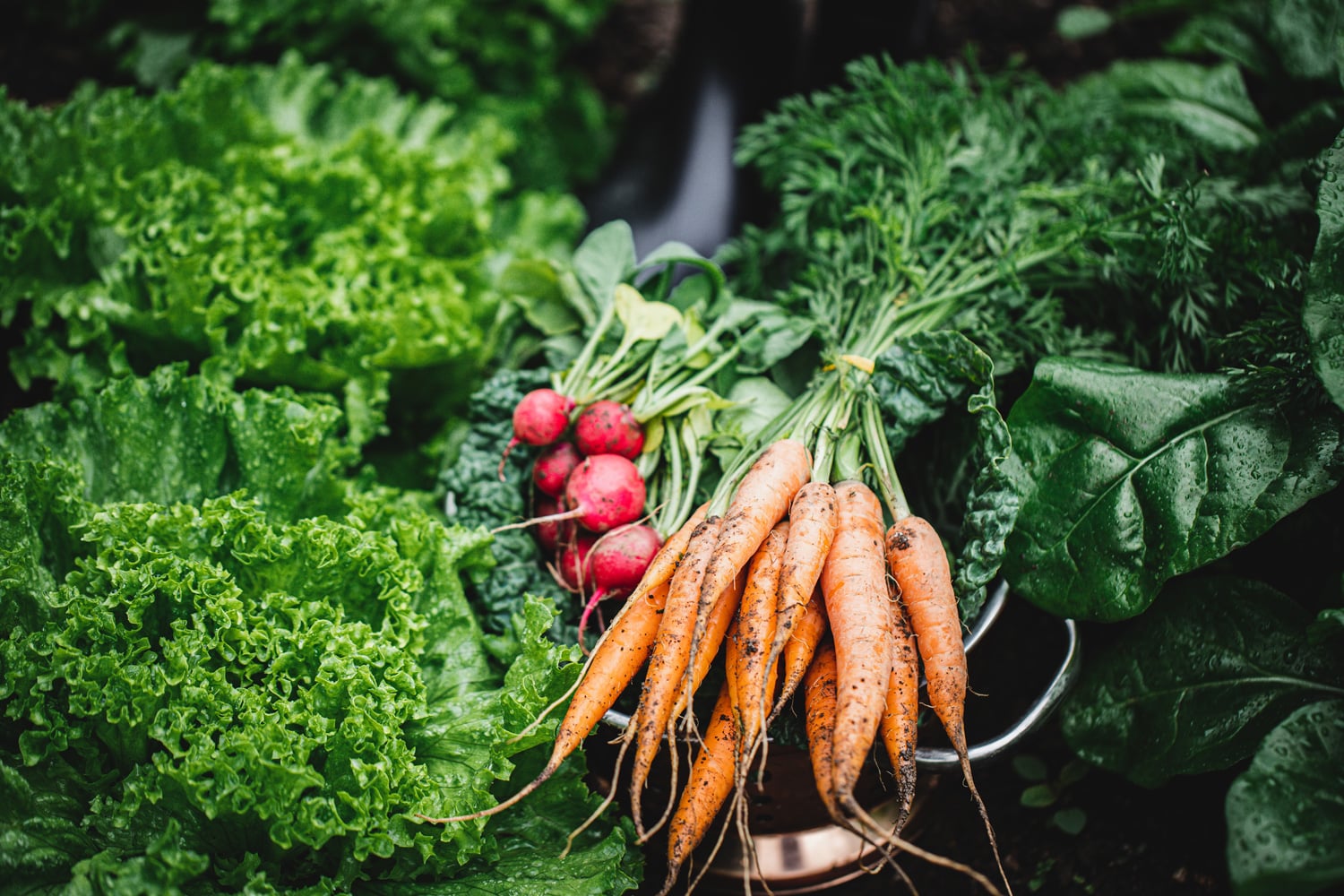
Vegetables require careful handling, storage, and monitoring to ensure the maximum postharvest life span. Because we are dealing with live organisms, the maximum attainable shelf life of vegetables can easily be affected depending on preharvest and postharvest factors that often manifest during storage. Following storage recommendations for each specific commodity helps to ensure the best quality and marketability of fresh produce. This circular contains basic guidance for the storage of most of Georgia-grown vegetables.
|
-

This report provides research and extension results for trials conducted by the University of Georgia Vegetable Team and its collaborators in the 2024-2025 growing season. The objective of this study was to determine the effect of postharvest oxalic acid treatments on the postharvest physical and chemical attributes of cucumbers. Contributing authors include county and regional faculty as well as specialists from UGA’s horticulture, plant pathology, crop and soil sciences, and entomology departments. All research has been supported by the Georgia Commodity Commission for Vegetables.
|
-

This resource provides some basic information required to make various types of sausage. It is for those who enjoy good homemade sausage and who wish to obtain the greatest satisfaction from the trimmings and variety meats generated from farm slaughtered livestock or the results of a good hunt. The recipes listed in this publication collected from various sources and have been prepared and tested. They are suitable for beginners and experts alike. Also included is information on the history of sausage making, sausage types and ingredients, sausage making equipment and procedures, and food safety concerns and procedures.
|
-

As a part of a packinghouse environmental monitoring program, adenosine triphosphate (ATP), protein, and allergen swabbing is used to ensure that packinghouse equipment and surfaces have been properly cleaned and prepared for sanitation. ATP, protein, and allergen swabbing is frequently incorporated to complement microbial swabbing practices or as an independent program. These swab types indicate the presence of soils and residues on equipment, determining the effectiveness of the cleaning portion of a sanitation program. Sample results can be read in minutes, unlike microbial swabs, which take days. For this reason, ATP, protein, and allergen swabs are used immediately after cleaning to rapidly confirm that cleaning procedures were thorough. Operations then sanitize and collect microbial swabs to verify the effectiveness of the sanitation process.
|
-

The quality of an egg involves both the exterior and interior qualities of the egg. Egg quality includes the cleanliness of the shell, soundness of the shell, thickness of the albumen, and color of the yolk. Good egg quality is critical to maintaining the hatching potential of eggs, as improper handling or storage of eggs will reduce the ability of the eggs to hatch and produce good quality chicks. For table eggs, improper handling and storage of eggs will reduce the grade of the eggs and could pose a potential health hazard.
|
-
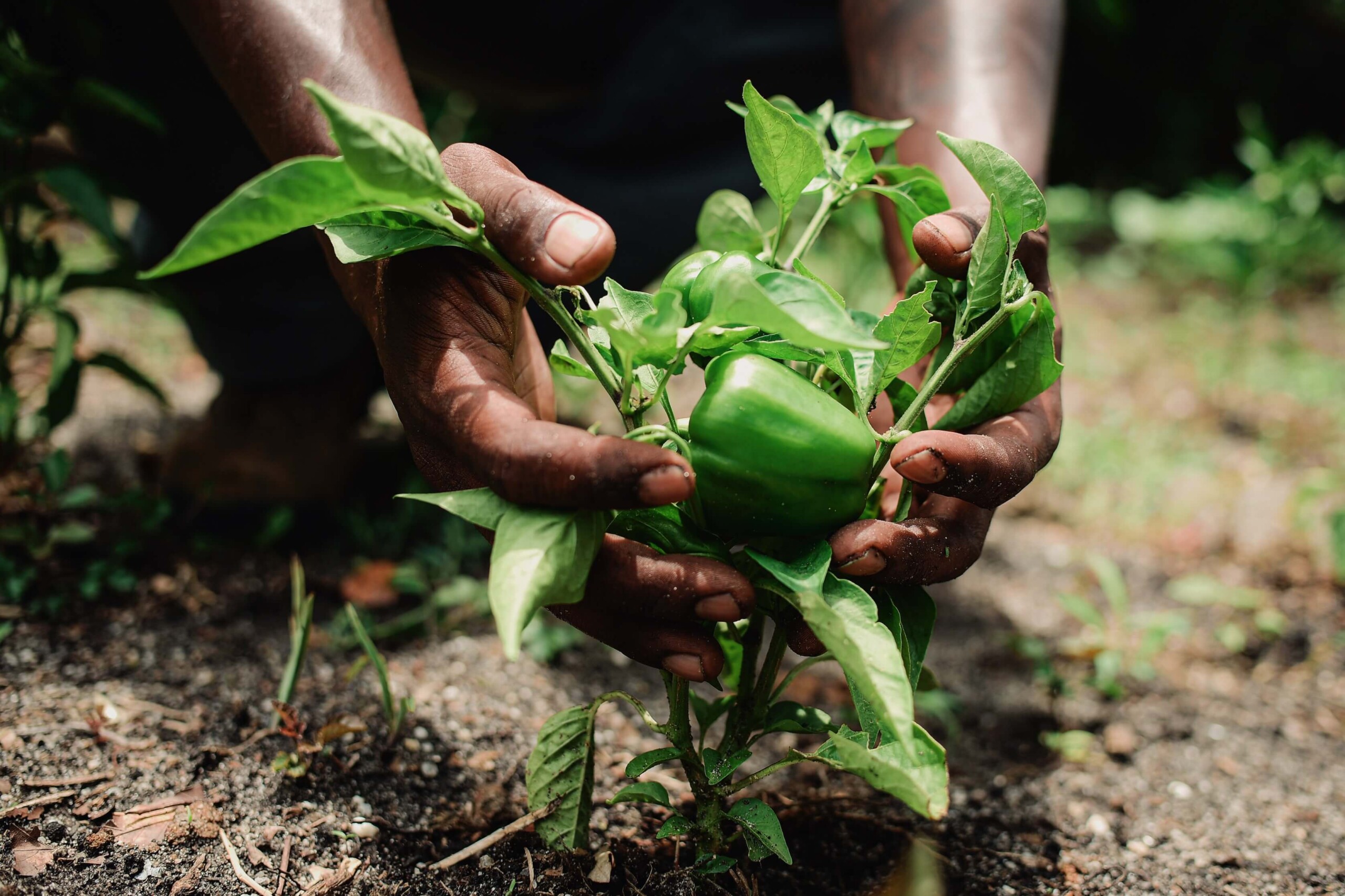
Under the Food Safety Modernization Act’s Produce Safety Rule, produce operations are mandated to provide training to their workers on the safe handling of produce in fields and in packing operations. Currently, there are few, if any, materials available for these operations to use. As we have conducted Produce Safety Alliance Grower Training across Georgia and throughout other areas, we have been requested to develop these much-needed materials. These materials provide food safety information, consistent with the Produce Safety Rule, for training workers on produce farms and/or farmer/growers of fresh produce and can also be used with low literacy audiences and Spanish speaking audiences as well.
|