Ants, Termites and Other Pests Resources
-
 Renewed
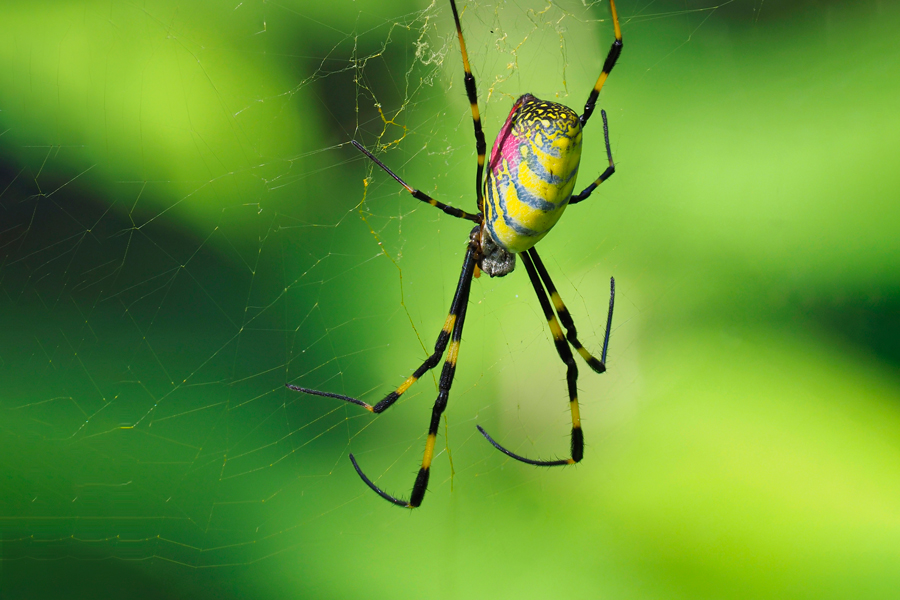
This resource gives basic biology and description, with images, of the spider’s immature and adult forms, along with recommendations for managing them around the home. The Joro spider is a native of Japan and East Asia that was first documented in the United States in 2014 in northeast Georgia. The native range of these spiders in Asia extends from southeast Asia northward through a swath of eastern China, the Korean peninsula, and all but the northernmost island of Japan, and westward to India and the foothills of the Himalayas. Given that distribution, there seems to be no obstacle to the Joro eventually expanding its range to include all of Georgia, the Southeast, and most of the rest of the eastern U.S. as well.
|
-

This resource provides concise and accurate information describing mosquito biology and behavior, including the history of mosquitoes in Georgia and ways to prevent mosquito-borne diseases. Mosquitoes affect a large segment of the public, and mosquito control is most efficiently conducted in an integrated manner. This information will help homeowners address mosquito problems on their own property and provide insight into the intricacies of larger, community-based control programs.
|
-

This circular provides a basic summary of the best management practices of integrated mosquito management. These practices begin with education and communication and progress through surveillance, source reduction, larviciding, and adulticiding. The circular presents guidelines that communities can use to help develop the most effective mosquito management program possible with the resources available. Using these practices will help to minimize pesticide exposure to pollinators and other non-target pests.
|
-

The Georgia Pest Management Handbook gives current information on selection, application and safe use of pest control chemicals. The handbook has recommendations for pest control on farms, around homes, urban areas, recreational areas, and other environments in which pests may occur. Cultural, biological, physical, and other types of control are recommended where appropriate.
|
-
Additional resources from the GPMH Commercial Edition.
|
-
SB 48-05
Home Orchard Pest Management
This section of the Home & Garden Edition covers pest control in home orchards, including apples, peaches, bunch grapes, muscadines, strawberries, blueberries, and other fruits. Beginning in 2022, the Home & Garden Edition has been updated biennially. When purchasing a product based on a first-year recommendation of the Handbook, check the current product label before purchase to be sure it is still labeled for the use for which you are buying it. For pesticide products you have on hand from earlier purchases, you are allowed to use them until they are depleted without penalty under the law. Always follow label instructions before use. Contact the product’s manufacturer for the most up-to-date label.
|
-
This section of the Home & Garden Edition covers household and structural insect control, tips for hiring a professional pest control company, and management of excess moisture that attracts and sustains pest problems. Beginning in 2022, the Home & Garden Edition has been updated biennially. When purchasing a product based on a first-year recommendation of the Handbook, check the current product label before purchase to be sure it is still labeled for the use for which you are buying it. For pesticide products you have on hand from earlier purchases, you are allowed to use them until they are depleted without penalty under the law. Always follow label instructions before use. Contact the product’s manufacturer for the most up-to-date label.
|
-
This section of the Home & Garden Edition covers pests of public health concern such as mosquitoes, bed bugs, gnats, fleas and ticks, house flies, lice, and more. Beginning in 2022, the Home & Garden Edition has been updated biennially. When purchasing a product based on a first-year recommendation of the Handbook, check the current product label before purchase to be sure it is still labeled for the use for which you are buying it. For pesticide products you have on hand from earlier purchases, you are allowed to use them until they are depleted without penalty under the law. Always follow label instructions before use. Contact the product’s manufacturer for the most up-to-date label.
|
-
This section of the Home & Garden Edition covers organic gardening practices. The USDA National Organic Program has established rules for commercial organic production. These rules do not apply to home gardeners, but they are a useful guide for choosing organic pest management alternatives. Beginning in 2022, the Home & Garden Edition has been updated biennially. When purchasing a product based on a first-year recommendation of the Handbook, check the current product label before purchase to be sure it is still labeled for the use for which you are buying it. For pesticide products you have on hand from earlier purchases, you are allowed to use them until they are depleted without penalty under the law. Always follow label instructions before use. Contact the product’s manufacturer for the most up-to-date label.
|