Weeds, Diseases and Pests Resources
-
 Renewed
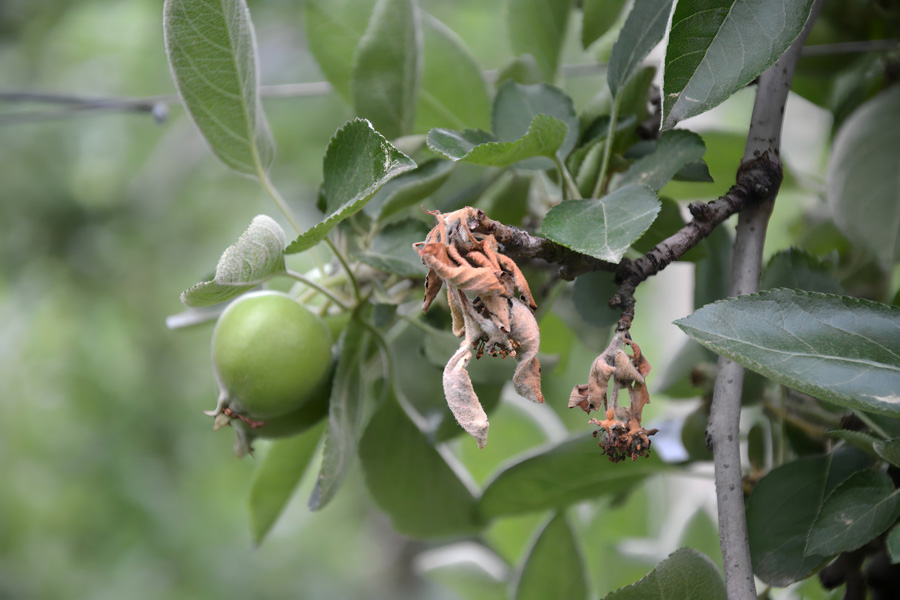
El tizón de fuego de las rosáceas es una enfermedad destructiva, altamente infecciosa y que ocurre en muchas partes del país y es causada por la bacteria Erwinia amylovora. El tizón de fuego es particularmente prevalente en algunos condados de Georgia. La enfermedad puede atacar los botones florales, las hojas, los meristemos apicales, ramas, frutos y las raíces.
|
-
 Revised
This publication provides information on pulse width modulation (PWM) technology including its working principle, components, benefits, and best management practices for its optimal utilization on agricultural sprayers. Pulse width modulation technology was developed to overcome pressure variation issues, as the flow rate is varied by changing the cycle of the electronically actuated solenoid valves while the system pressure remains constant throughout the boom.
|
-
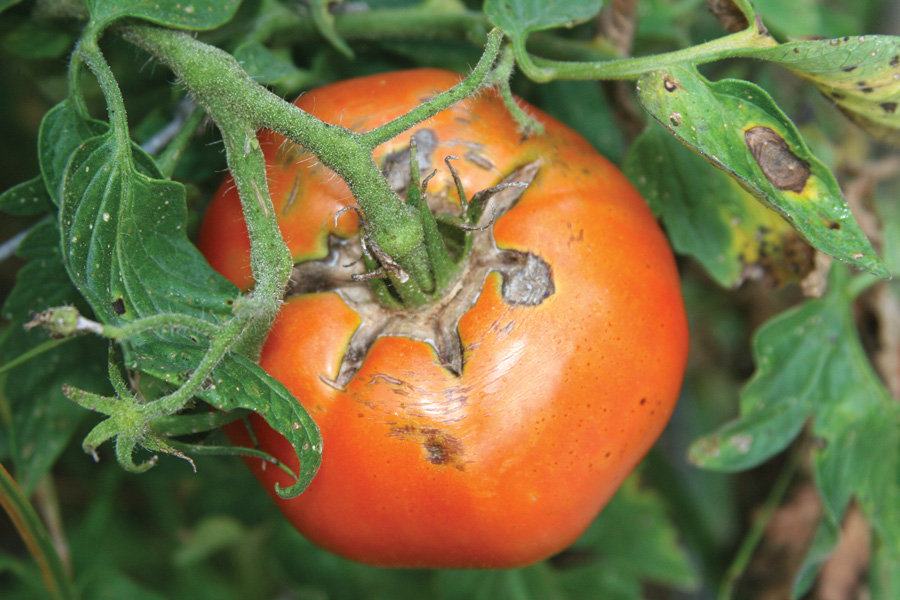
This publication is designed for small market growers, homeowners, and Master Gardeners in order to be a quick reference guide for diagnosing common problems in vegetables.
|
-
 New
NewGeorgia plant disease losses in 2024, including control costs, amounted to an estimated $860.12 million. The value of the crops used in this estimate was approximately $7,772.59 million, resulting in a 11.07% relative disease loss across all crops included in this summary. The estimated values for most crops used to compute these disease losses are summarized in the UGA Center for Agribusiness & Economic Development 2024 Georgia Farm Gate Value Report (AR-26-01). Some crop value estimates were adjusted based on Extension specialists’ knowledge of the industry and industry sources for information.
|
-

Applicators used in granular applications should be calibrated to ensure uniformity and accuracy. An accurate and uniform application can reduce the quantity of an active ingredient required for a given degree of control.
|
-
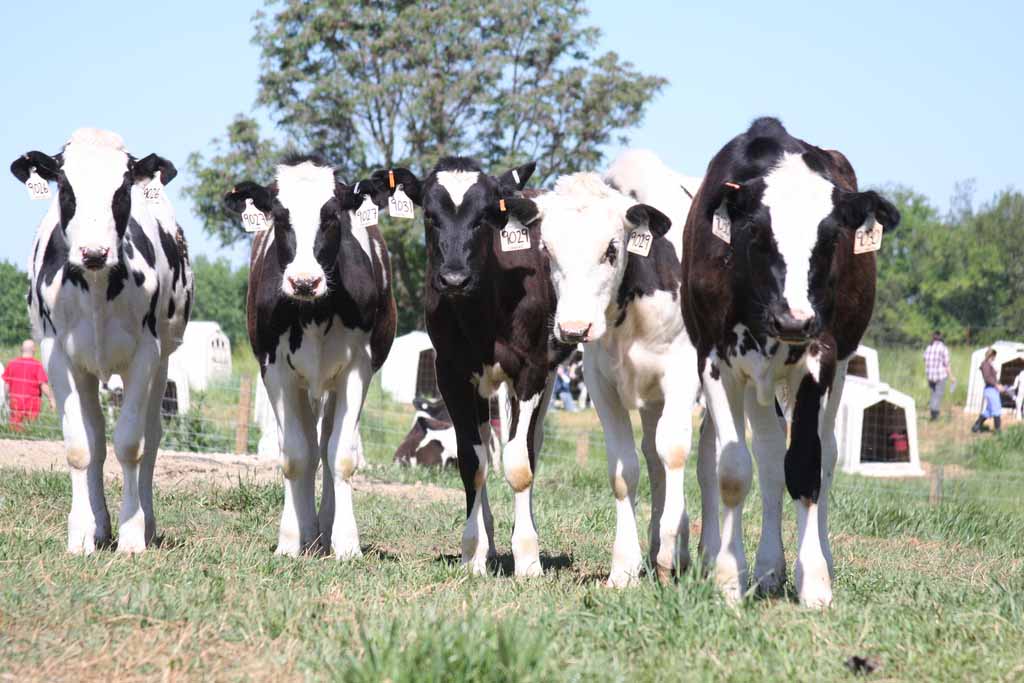
Prevalence of mastitis in unbred, breeding-age and pregnant dairy heifers is higher than formerly realized. Infected mammary quarters exhibit reduced mammary gland secretory potential, marked leukocyte infiltration and the accompanying inflammation. Both nonlactating and lactating commercial antibiotic infusion products have been used successfully to cure existing infections and reduce SCC, and nonlactating therapy prevents new IMI with environmental streptococci. However, the goal is to prevent new infections from occurring in these young dairy animals through management strategies aimed at vaccination, use of teat seals, fly control and dietary supplementation. Not only do these practices reduce new infections in first-calf heifers at parturition, they also reduce the introduction of Staph. aureus to the milking herd.
|
-

Agente causal, céspedes susceptibles,condiciones que promueven la enfermedad, síntomas y control de mancha parda, mancha dólar, quemazón por Pythium, mancha foliar por Helminthosporium, marchitamiento por Curvularia, mancha foliar gris, anillo de hada, enfermedad toma-todo o pudrición radicular por Gaeumannomyces, roya, hongos gelatinosos y nematodos.
|
-
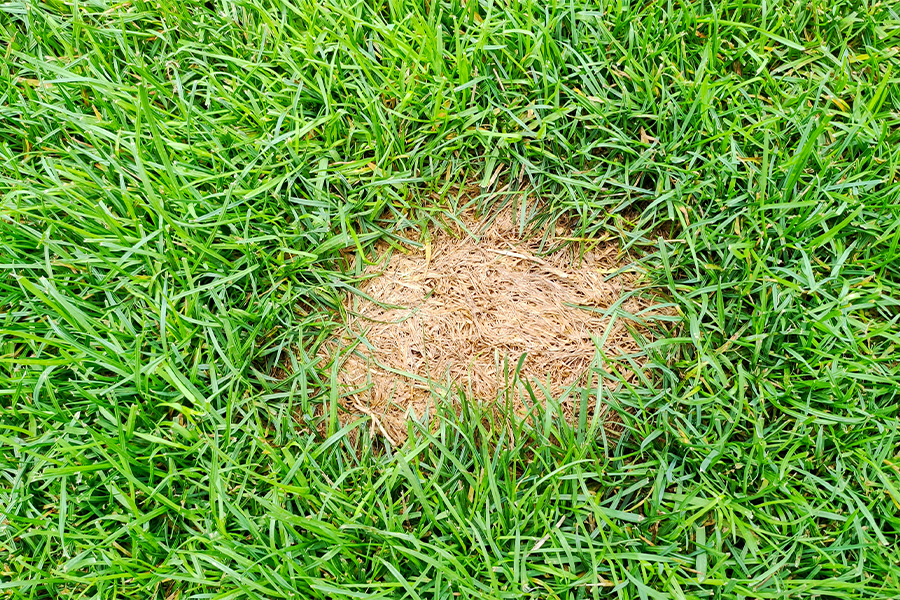
A handy reference for the causal agents, susceptible turfgrasses, conditions promoting disease, symptoms, and control of: brown patch, dollar spot, Pythium, Helminthosporium leaf spot, fading out, gray leaf spot, fairy ring, take-all root rot, rust, slime mold, and nematodes.
|
-
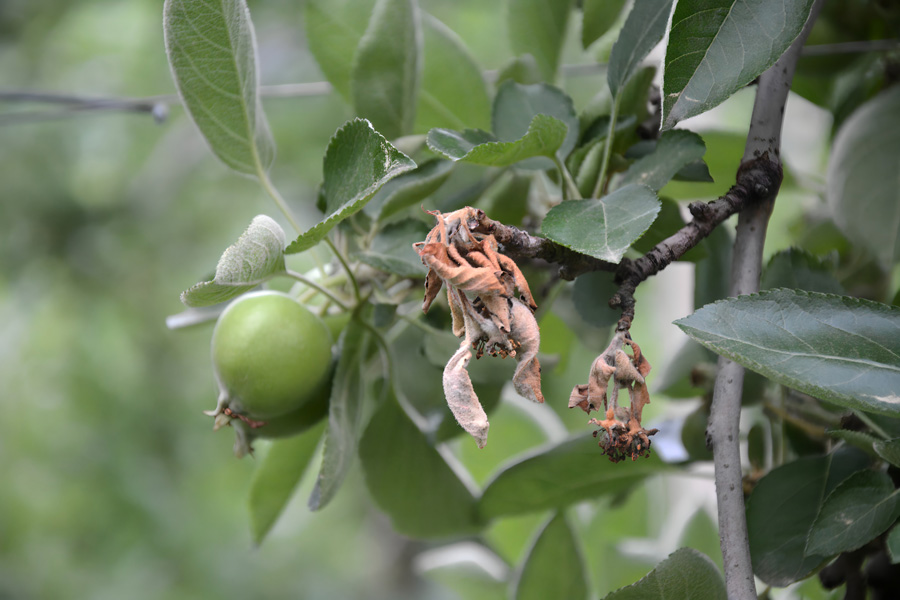
Fireblight is a destructive, highly infectious, and widespread disease. It attacks blossoms, leaves, shoots, branches, fruits, and roots. This publication has some facts and methods to avoid and control the disease.
|