Beneficial Insects and Pollinators Resources
-

This quick reference guide provides an overview of common pests and predator groups and their sizes, habitat preferences, and timing in cotton fields. This visual guide is intended to help facilitate future scouting and provide information on common predatory arthropods in Georgia cotton systems. When growing cotton, scouting for key pests and beneficials is critical to making informed and cost effective management decisions.
|
-

This resource offers practical guidance for creating pollinator-friendly habitats on balconies, porches, or patios using potted plants. Designed for those with limited outdoor space, it covers choosing the right containers, selecting native and pollinator-attracting plants, and providing essential resources like water and shelter. Readers will learn how to support bees, butterflies, and other pollinators with seasonal blooms, proper placement, and maintenance tips.
|
-
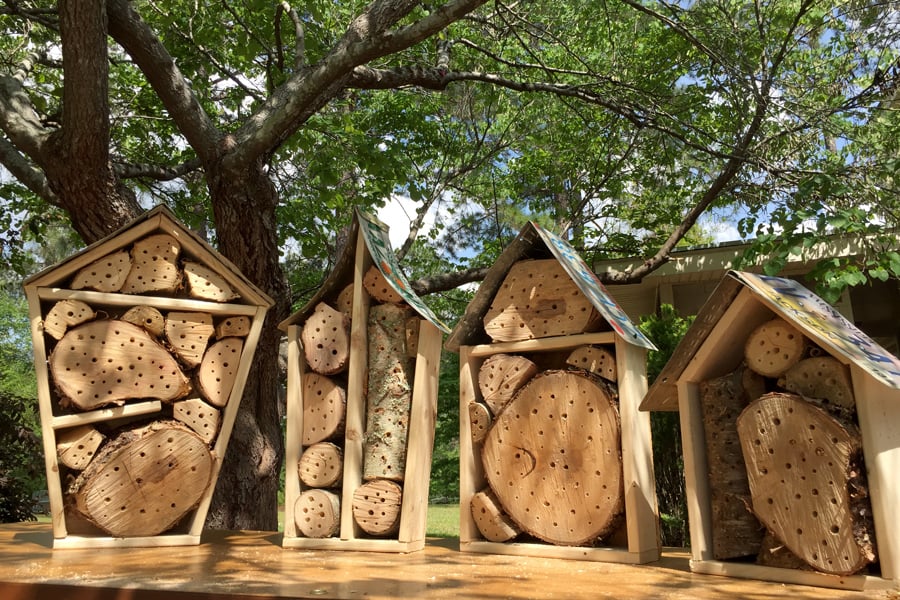
Planting pollinator-friendly flowers in your yard is a great first step for improving the quality of pollinator habitats. Adding nesting sites and nesting materials is another important measure in creating sustainable habitats, especially for native bees. When bees have access to a diversity of nesting materials, their numbers are positively affected, so providing nesting resources in your landscape is very beneficial to bees.
Published with the UGA Warnell School of Forestry and Natural Resources as WSFNR-17-48.
|
-

C 1213
Georgia Fireflies
Georgia is home to over 50 species of fireflies, more than any other U.S. state. Also known as lightning bugs, the insects’ “dancing light” patterns are an important, and nostalgic, part of Georgia summer evenings. To protect fireflies and ensure that we continue to enjoy their presence in the landscape, it is important to understand their lifecycle and habitat needs.
|
-

This field guide is based on a 2-year study of ground-dwelling spiders in blueberry farms in southeastern Georgia and shows the most common spider families and genera found. This guide is for farmers, students, and educators to help them recognize these groups. Spiders are helpful organisms that feed on insects and other small creatures. In many cases, they are among the most effective natural controls of pest insects in gardens, farms, forests, and even inside homes.
|
-
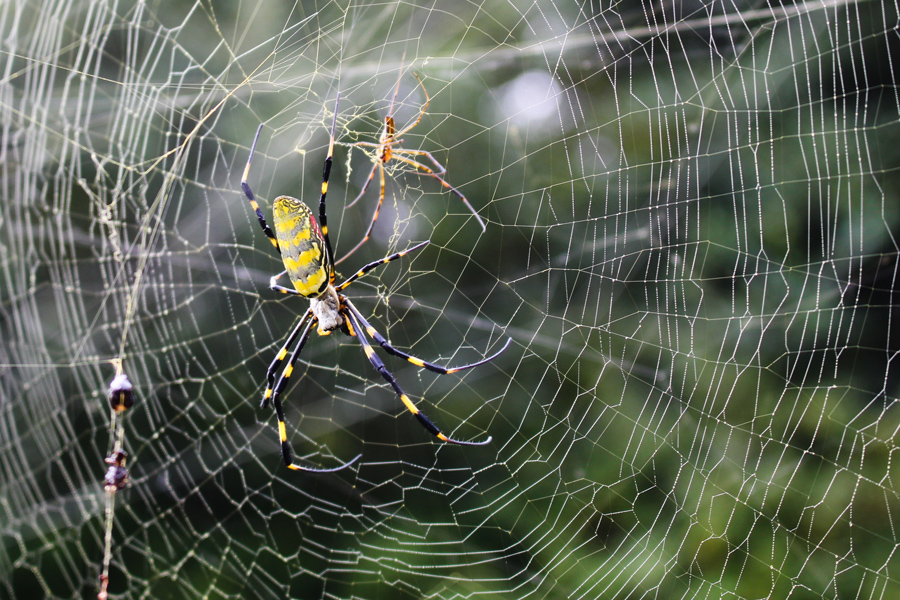
The Joro spider is native to East Asia and was first detected in Georgia in 2014. Adult females become sexually mature in September and early October. The female is bright yellow with broad, horizontal bluish-green bands on the top side of the abdomen, large red markings on the bottom side of the abdomen, with long, black legs with yellow-orange bands. The male’s cephalothorax is light brown with two dark brown long bands on both sides. His abdomen is elongate-oval with a greenish-brown topside that has two yellowish long stripes on both sides of the dark brown middle line.
|
-

The southeastern blueberry bee is an economically valuable pollinator in commercial blueberry production in Georgia. Researchers see a need for conservation of this species, and this resource provides detailed information on its identification, biology, nesting habitat, and floral hosts. It also incorporates research data from recent study in commercial blueberry system in south Georgia.
|
-

Bees are among the most populous, diverse, and effective pollinators. Approximately 70% of bee species nest in the ground, spending their larval and pupal stages underground. This resource helps residents understand how to help these bees as continued urbanization threatens natural spaces and land degradation, pollution, and habitat destruction present serious challenges to sustaining bee populations.
|
-
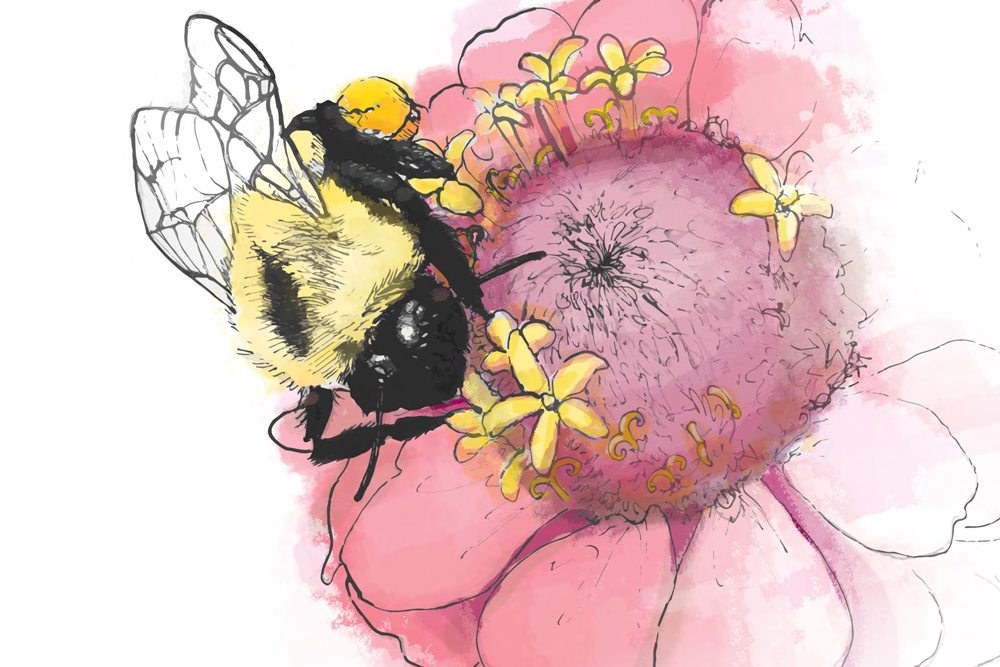
A pollinator-friendly and ecologically sustainable garden is both beautiful and able to attract and sustain beneficial insects, reducing the need for pesticides. This publication is based on new research in habitat management for purposes of planting insect-attracting plant species in order to intentionally draw insects to garden areas and urban landscapes. This is done by providing a refuge for the insects during winter and nectar and pollen resources. Plant selection directly affects beneficial insect populations, those insects that can provide ecological benefits such as biodiversity and natural pest control. This concept of “habitat management” can lead to potential increases in pollinating and other beneficial insect populations. An increase in these populations in landscapes will contribute to improved pollination of plants and biological pest control and reduce the need for pesticides.
|