Beneficial Insects and Pollinators Resources
-
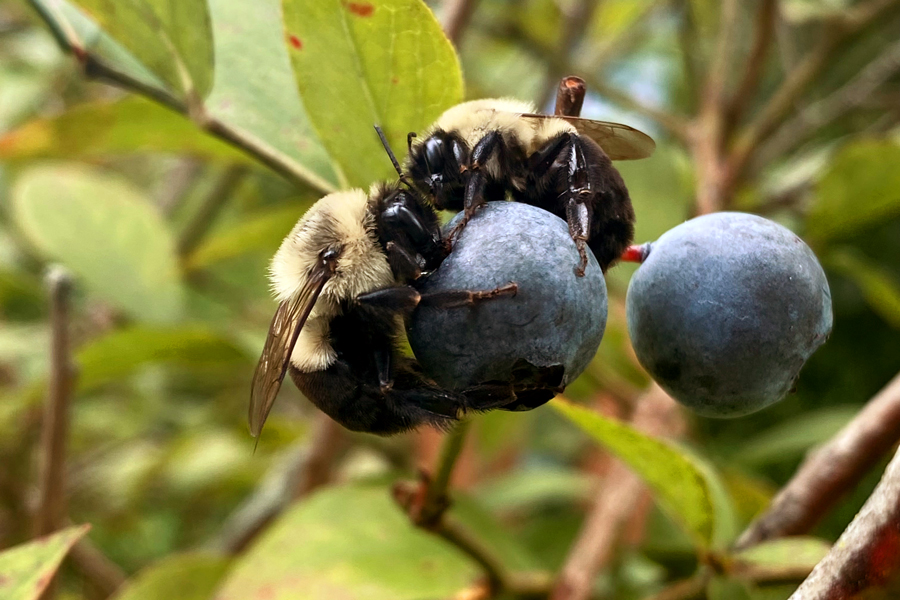
This visual guide helps people identify common wild bees encountered in blueberry systems. The contribution of wild bees to blueberry pollination has is becoming widely recognized. Proper identification of these insects in the field is critical part of conservation efforts.
|
-
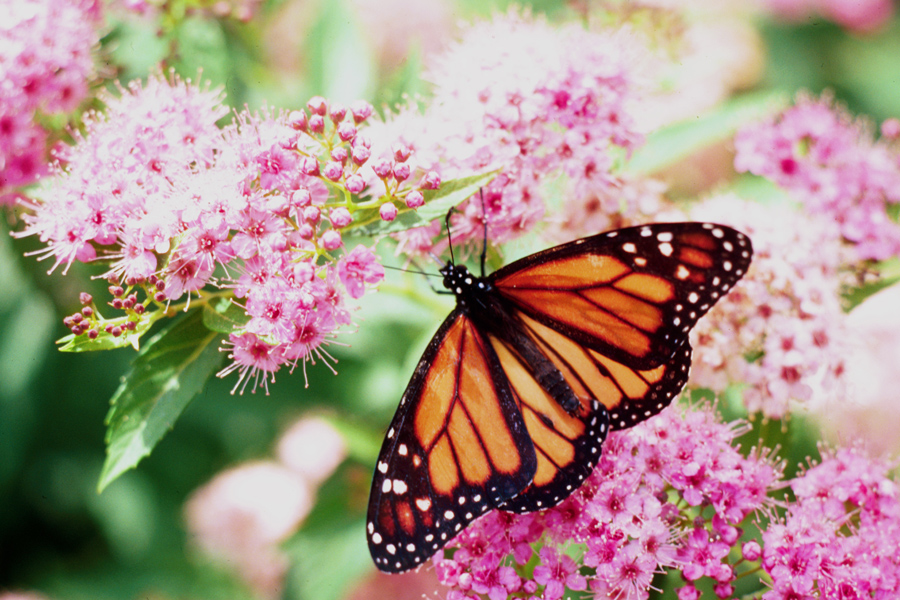
Monarch butterflies travel on air currents and cross more than 3000 miles in the winter to reach their overwintering sites in Mexico. The loss of this habitat, combined with diseases, pesticide use, and loss of larval hosts (i.e., milkweed), are causing a decline in Monarch populations. The larvae need milkweed to develop, and the adults need nectar for migration and survival day-to-day, so more nectar sources and milkweed plants are needed to sustain their migration patterns. This resource can help you select flowering plants and milkweeds that can help conserve the migrating monarchs, especially when planted along farm-reserved lands and urban gardens.
|
-
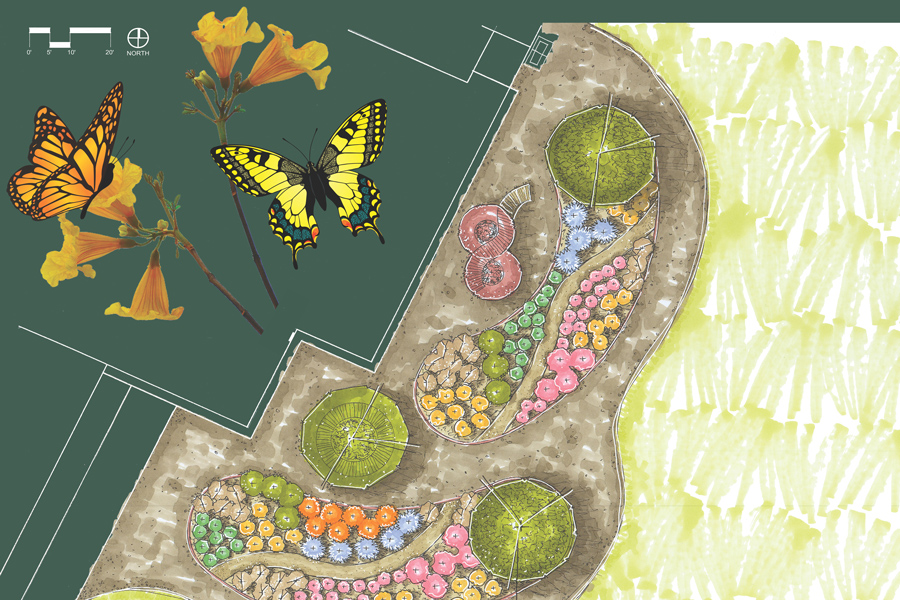
The lead author of this publication is Katherine Melcher, College of Environment and Design. The UGA Extension contact for the publication’s content is Becky Griffin. Providing opportunities for youth to design their environment can increase their connection to everyday nature and increase their sense of empowerment. By combining ecology and design, garden design can also be a central piece in STEAM (science, technology, engineering, art, and math) education. This activity guide contains five chapters that explain the purpose of pollinator gardens, the design process, and the basic steps used to create a planting plan. The chapters are supplemented with activities to guide youth and other beginning designers through the process of creating a pollinator garden.
|
-
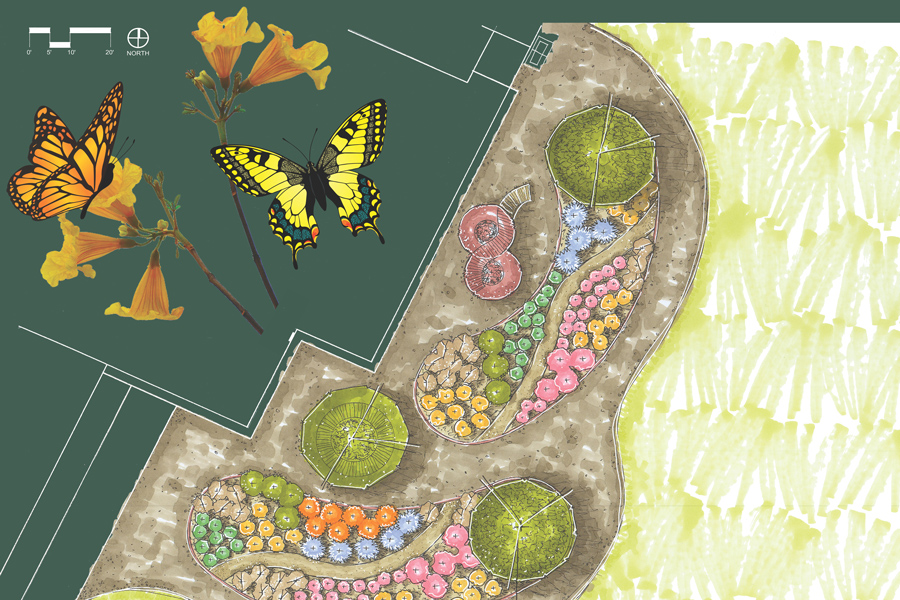
The lead author of this publication is Katherine Melcher, College of Environment and Design. The UGA Extension contact for the publication’s content is Becky Griffin. These appendices provide information about plants that grow well in Georgia’s Piedmont Ecoregion, as well as to-scale plant symbol and plant ID card templates for use in creating design plans.
|
-
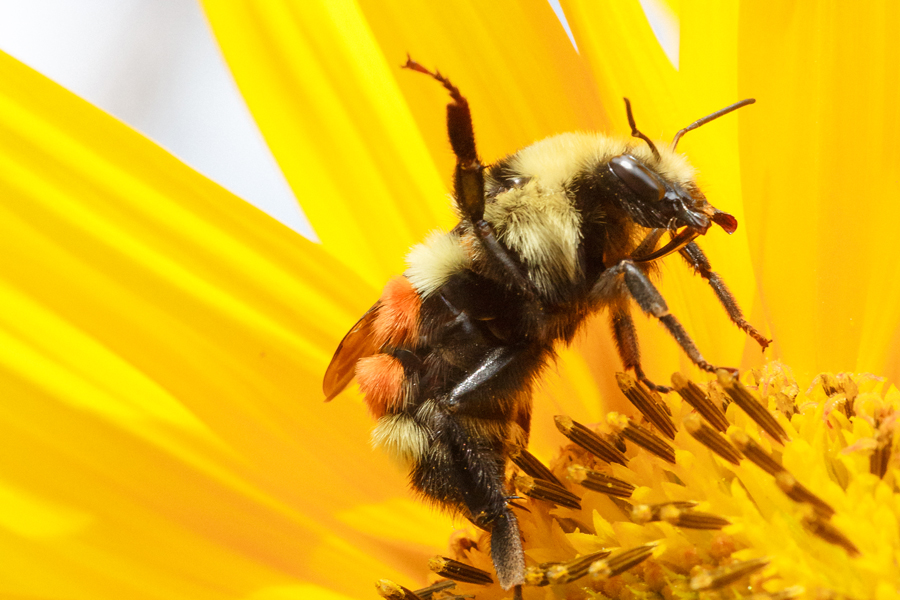
Bumblebees are prone to catch your attention with their sonicating buzz or conspicuous and colorful appearance. They are robust, fuzzy-looking insects, with varying bands of coloration and a hairy abdomen. This characteristic differentiates them from the look-alike carpenter bees, which have bald abdomens. Bumblebees usually are active from early spring through fall, visiting and collecting pollen and nectar from flowers, and are distributed worldwide, with up to 260 species all over the globe. Most species are encountered in the Northern Hemisphere, while others are located in Central and South America and northern Africa. Forty-nine bumblebee species in the United States are known, and 17 of them are found in Georgia.
|
-

We can positively affect pollinator populations in our region by providing plants that help sustain them. Pollinators face the increasing challenges of habitat loss, parasite and disease pressure, and the unintended consequences of pesticide misuse. Bee forage plants can bloom season-long with careful plant selection appropriate to the region. A combination of herbaceous perennial and annual plants, trees, and shrubs can provide valuable resources to bees and other pollinators. Even grasses can be used by bees as a pollen source, while crape myrtles can provide a later season resource for pollinators. Anyone—from individual home gardeners to commercial and agricultural property managers—can promote pollinator health by selecting and planting appropriate plants. This guide provides options for selecting flowering woody plants that are attractive to bees and butterflies and sometimes have additional wildlife benefits.
|
-
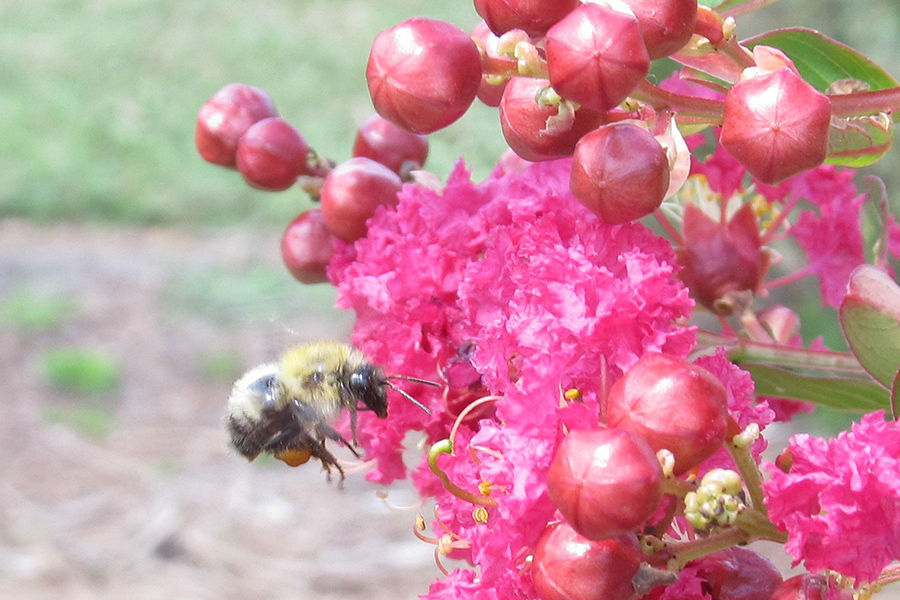
Crape myrtles are popular landscape shrubs and small trees. Native to China, Japan, and Korea southward to Oceania, crape myrtles have been cultivated in the U.S. for more than 175 years. Cultivars range from 3-ft shrubs to 30-ft-tall trees, and they are graced with large panicles of white, pink, lavender, purple, red, and many colors in between. Among cultivars, crape myrtles have a wide range of tolerance to key pests and diseases, such as powdery mildew, flea beetles, crape myrtle aphids, and Japanese beetles. The plant’s flowers are widely admired by humans and can serve as nectar and pollen sources for pollinators. With the recent decline in pollinator health and diversity, pollinator visitation, pest susceptibility, and horticultural attributes should all be considered when choosing crape myrtle cultivars for home and commercial landscapes.
|
-

Butterfly populations can be greatly enhanced by devoting a portion of the landscape to butterfly habitat. In addition to their natural beauty, butterflies serve as valuable plant pollinators.
|
-
B 1045
Honey Bees and Beekeeping
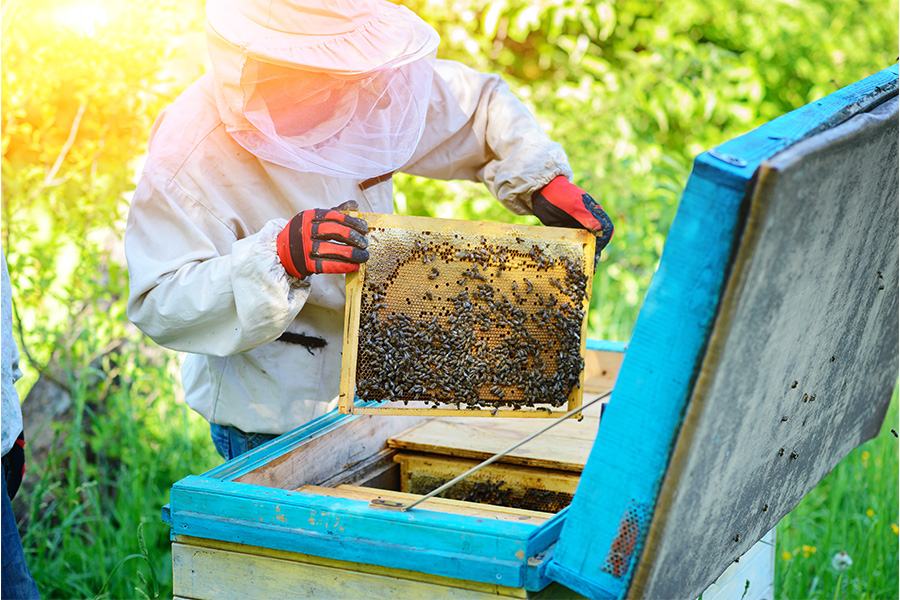
Honey bees are commonly kept in artificial hives throughout the United States, and a large and sophisticated beekeeping industry provides valuable honey, beeswax and pollination services. A large section of the industry, well represented in Georgia, is devoted to mass-producing queens and bees for sale to other beekeepers.
|