Environment Resources
-
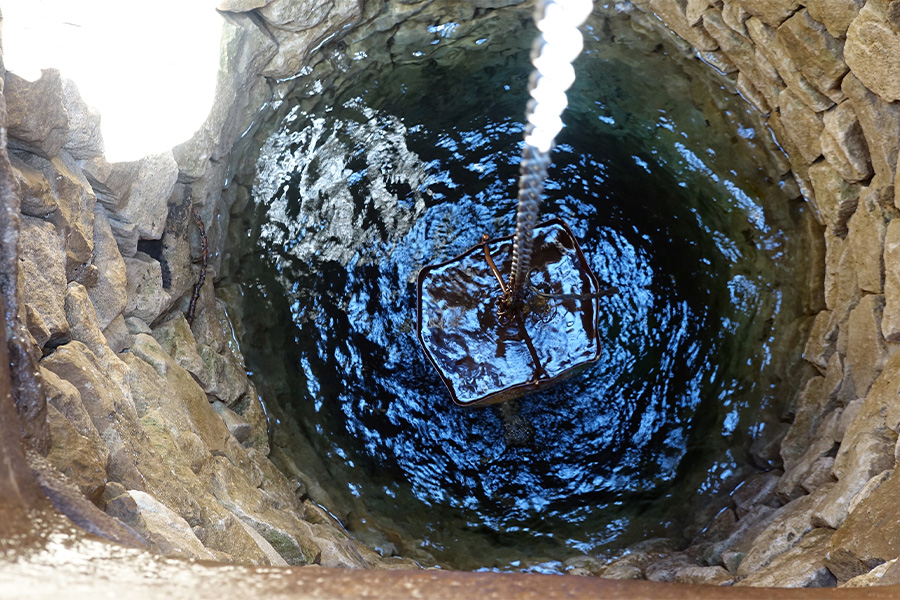
The quality of drinking water from wells may be compromised during a flood. Flooding around the well increases the risk of drinking water becoming contaminated with bacteria or any other contaminants, rendering it unsafe to drink and for washing food items. This publication describes the steps to take when you suspect that your well has been affected by flooding. Steps include well inspection, calculation of the depth of water and storage capacity of the well, shock chlorination, and laboratory bacteria testing. The circular also discusses tips on how to know whether the water is safe to drink again.
|
-

Microplastics represent an emerging environmental issue stemming from the widespread use, disposal, and degradation of plastic materials. Found globally across oceans, freshwater systems, drinking water sources, and bottled beverages, these contaminants originate from both the breakdown of larger plastic items and the direct release of manufactured small particles. This expert resource provides science-based information to address general concerns and questions residents have about microplastics in general, their existence in our drinking water, human exposure to and potential health consequences of microplastics, and their removal from water.
|
-
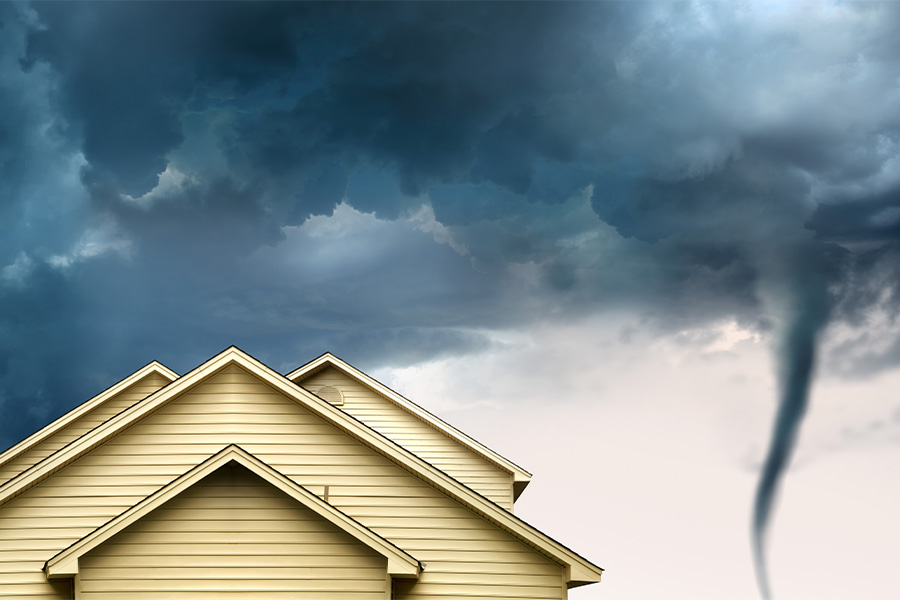
B 1428-1
Building a Home Emergency Kit
This is a basic list of supplies you should have ready for emergencies. Keep the items you will most likely need during an evacuation in an easy-to-carry, waterproof container. Be mindful that this is a basic list of supplies. A more comprehensive list can be found in the Home Emergency Management Guide.
|
-

This resource provides a practical overview of vermicomposting as an efficient composting option for home gardens, landscapes, and small farms. It explains how composting with worms can turn food scraps and organic waste into nutrient-rich worm castings, and how this process differs from traditional composting methods. This resource covers the basics of worm biology, bin selection and setup, bedding materials, feeding rates, moisture and pH management, and common troubleshooting tips with an emphasis on simple, low-cost practices.
|
-

Cold damage to ornamental plants can be a problem during the winter in the Georgia landscape. Regardless of where you live, recommended practices can maximize the chances that your prized landscape plants will survive the winter.
|
-

With proper planning, planting and maintenance, a healthier landscape can be created with less expense, less work and less damage to the world around us.
|
-
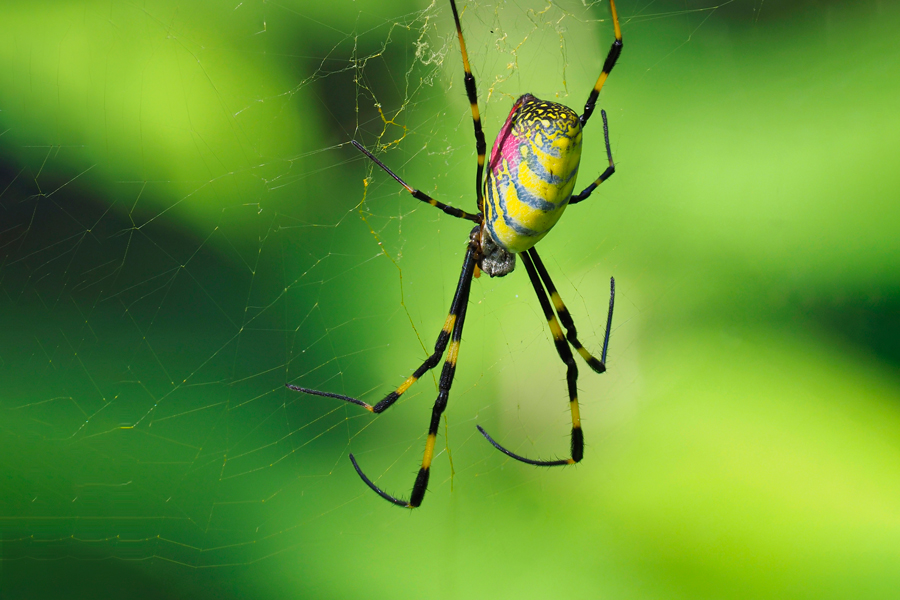
This resource gives basic biology and description, with images, of the spider’s immature and adult forms, along with recommendations for managing them around the home. The Joro spider is a native of Japan and East Asia that was first documented in the United States in 2014 in northeast Georgia. The native range of these spiders in Asia extends from southeast Asia northward through a swath of eastern China, the Korean peninsula, and all but the northernmost island of Japan, and westward to India and the foothills of the Himalayas. Given that distribution, there seems to be no obstacle to the Joro eventually expanding its range to include all of Georgia, the Southeast, and most of the rest of the eastern U.S. as well.
|
-
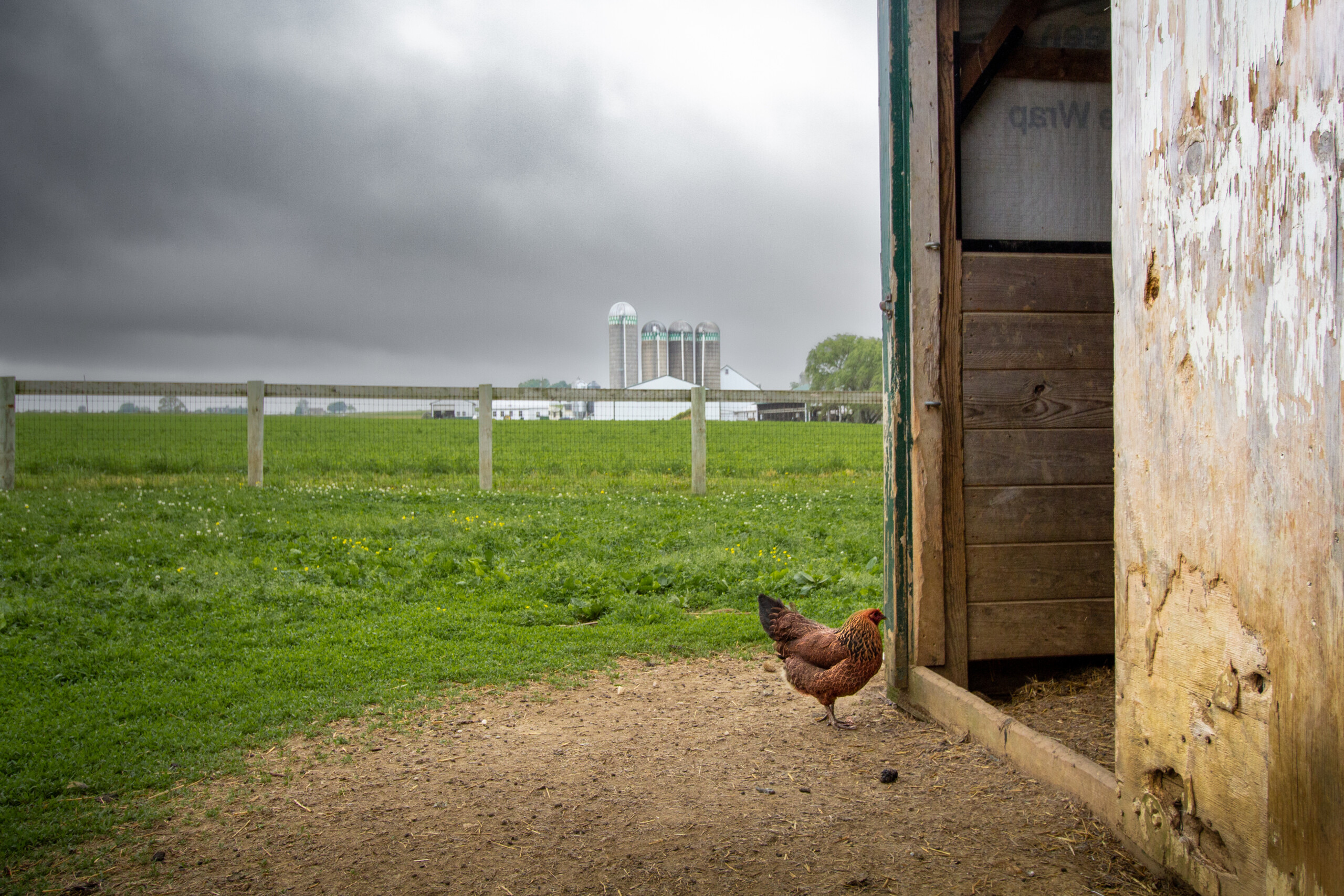
This expert resource provides information relevant for agriculture and other industries that are under increasing public pressure to reduce emissions of certain atmospheric gases. Explanations are given about greenhouse gases, carbon footprints, reducing fossil fuel use, alternative energy sources, manure management and carbon credits. Knowing your carbon footprint or energy use can help poultry producers reduce the amount of energy they use and improve their bottom line.
|
-

The cumulative greenhouse gas (GHG) emissions from any human activity are commonly referred to as the carbon footprint. The Poultry Carbon Footprint Calculation Tool was developed and designed specifically for poultry production farms. The tool can be used to estimate the greenhouse gas (GHG) emissions from pullet, breeder, and broiler grow-out farms. This resource provides an overview for poultry producers on how to use the tool and gives recommended applications.
|