Invasive Species Resources
-
 Renewed
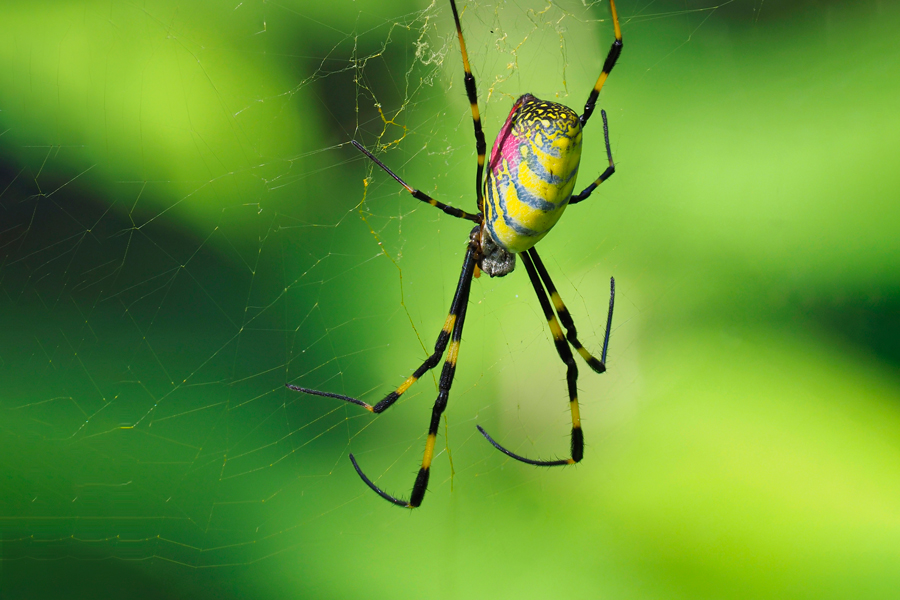
This resource gives basic biology and description, with images, of the spider’s immature and adult forms, along with recommendations for managing them around the home. The Joro spider is a native of Japan and East Asia that was first documented in the United States in 2014 in northeast Georgia. The native range of these spiders in Asia extends from southeast Asia northward through a swath of eastern China, the Korean peninsula, and all but the northernmost island of Japan, and westward to India and the foothills of the Himalayas. Given that distribution, there seems to be no obstacle to the Joro eventually expanding its range to include all of Georgia, the Southeast, and most of the rest of the eastern U.S. as well.
|
-
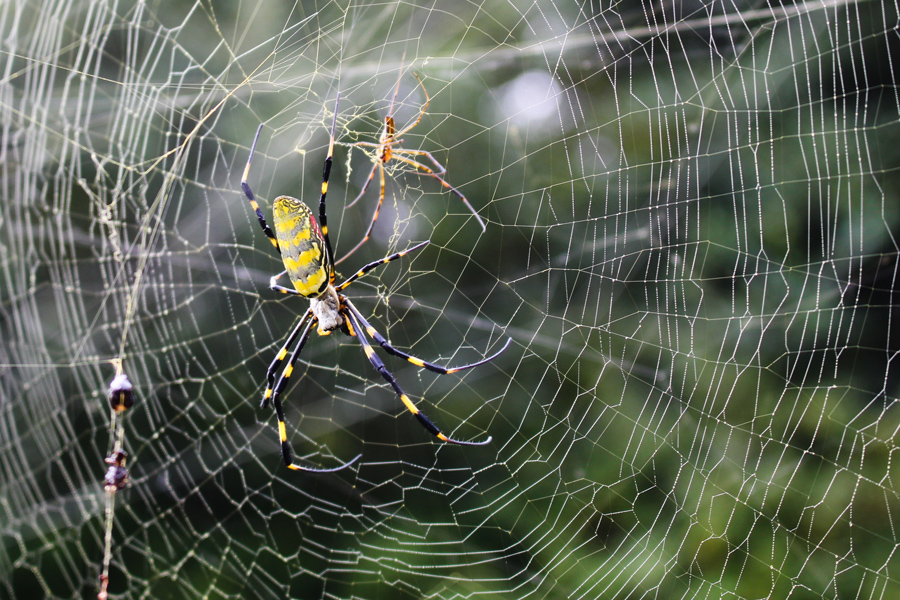
The Joro spider is native to East Asia and was first detected in Georgia in 2014. Adult females become sexually mature in September and early October. The female is bright yellow with broad, horizontal bluish-green bands on the top side of the abdomen, large red markings on the bottom side of the abdomen, with long, black legs with yellow-orange bands. The male’s cephalothorax is light brown with two dark brown long bands on both sides. His abdomen is elongate-oval with a greenish-brown topside that has two yellowish long stripes on both sides of the dark brown middle line.
|
-

This resource provides an overview of water spinach cultivation for Georgia. Water spinach is an important part of the cuisine of a number of cultures. However, it can spread easily in waterways and is considered a noxious weed in many places. This resource addresses responsible production of water spinach, if permitted by the state of Georgia.
|
-
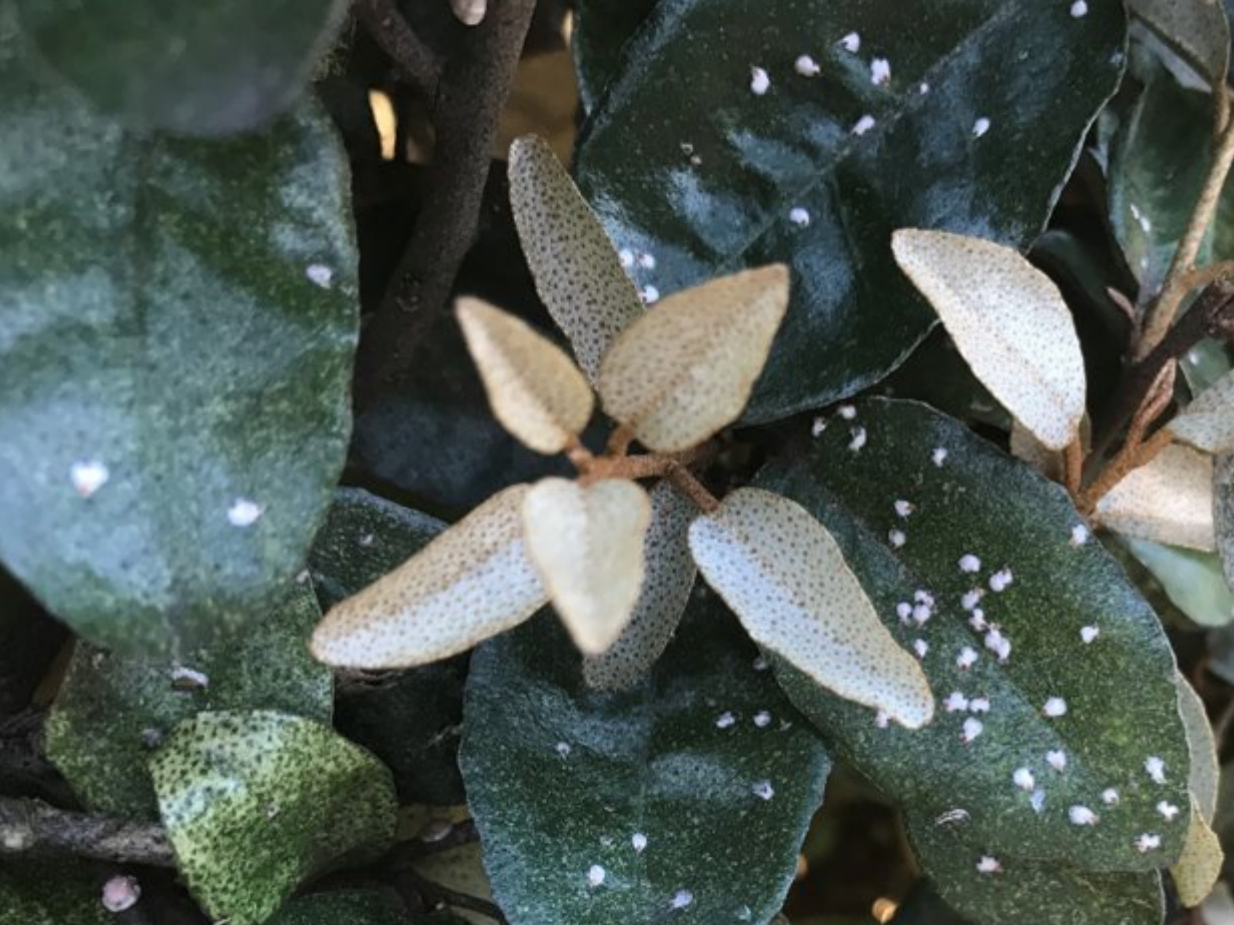
False oleander scale, which appears as white spots on leaves, is an invasive pest on ornamental plants. It is prevalent in Georgia and poses a significant threat to the aesthetic value of ornamental plants in the nursery and landscape.
|
-
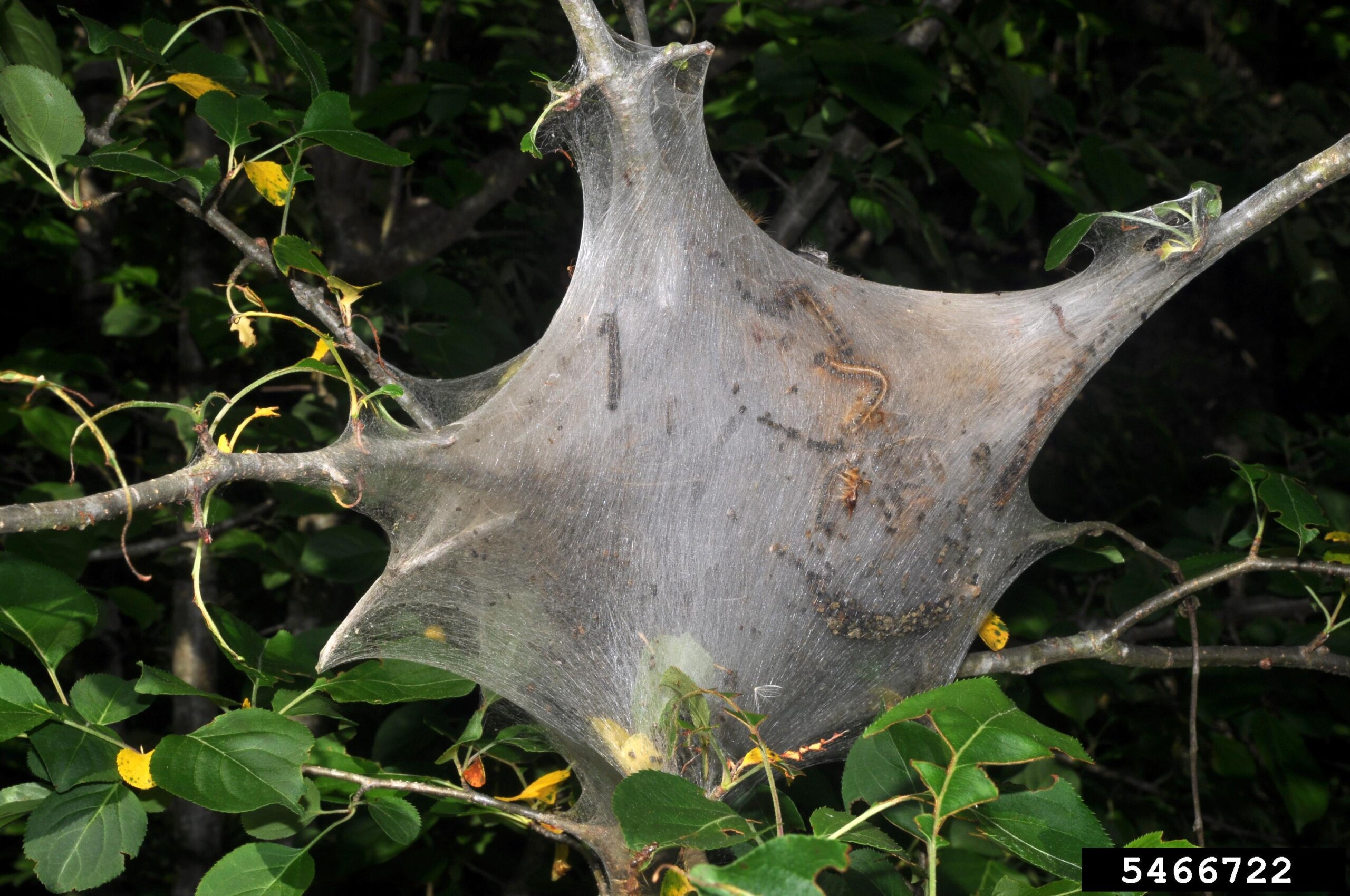
In North America, six species of tent caterpillars are found. The forest and Eastern tent caterpillars occur in Georgia, and can damage the aesthetic value of landscapes. There are several management strategies that work against tent caterpillars and this resource will help you identify and control them.
|
-
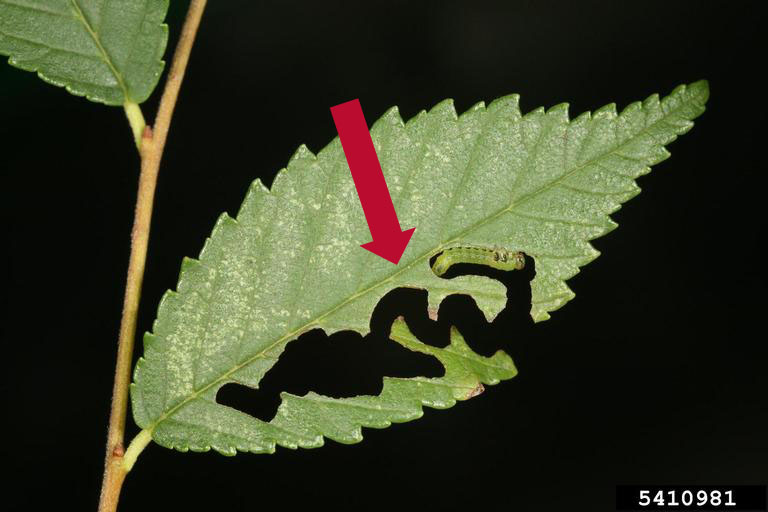
The invasive elm zigzag sawfly is a small wasp that has been reported in nine U.S. states, where it poses a threat to elm trees.
|
-

European hornets are widespread across much of the eastern United States. Native to Europe and Asia, they were accidentally introduced to North America in the mid-1800s. The European hornet is the largest species found in the United States and is particularly common in Georgia.
|
-
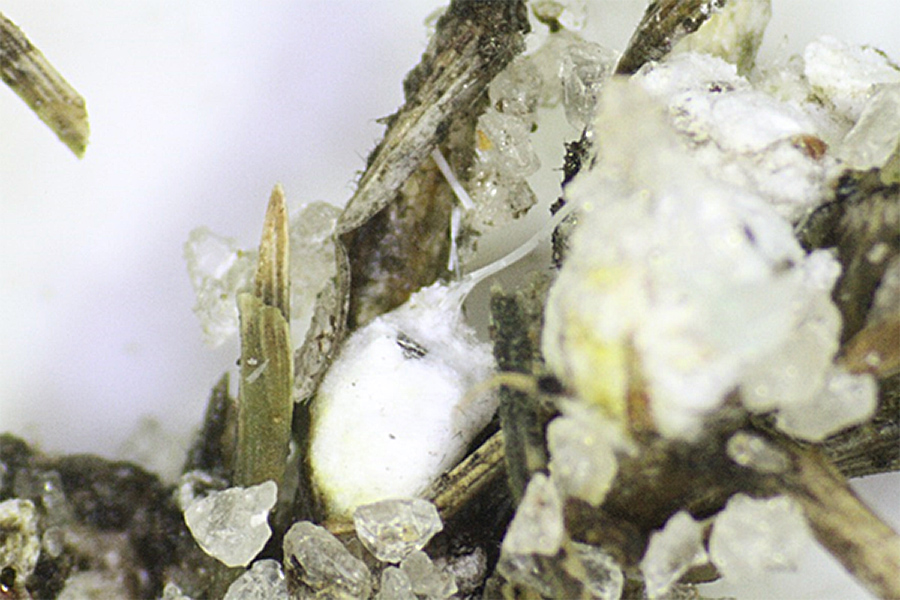
Rhodesgrass mealybugs are an invasive insect native to Asia that can infest more than 100 grass species including all warm-season grasses commonly used for pastures and turf in Georgia. This publication includes information about rhodesgrass mealybug identification and biology, its host plants, damage symptoms, and control strategies, including the use of parasitic wasps.
|
-
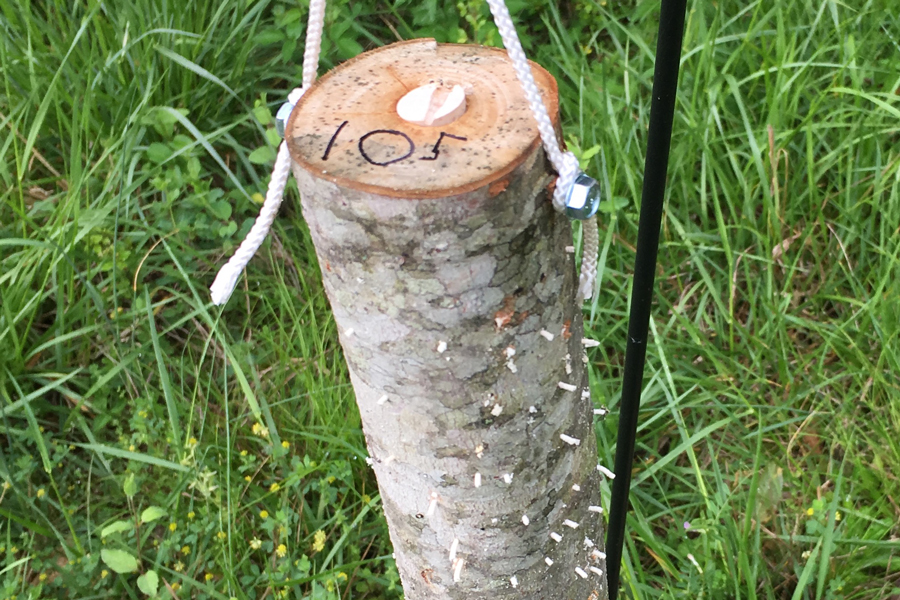
The granulate ambrosia beetle (previously known as the Asian ambrosia beetle) is a serious pest of woody ornamental nursery plants, fruit trees, and shrubs in Georgia. This publication provides information on identification and biology, host plants, damage symptoms, and control strategies for this aggressive pest.
|