Animal Production Resources
-
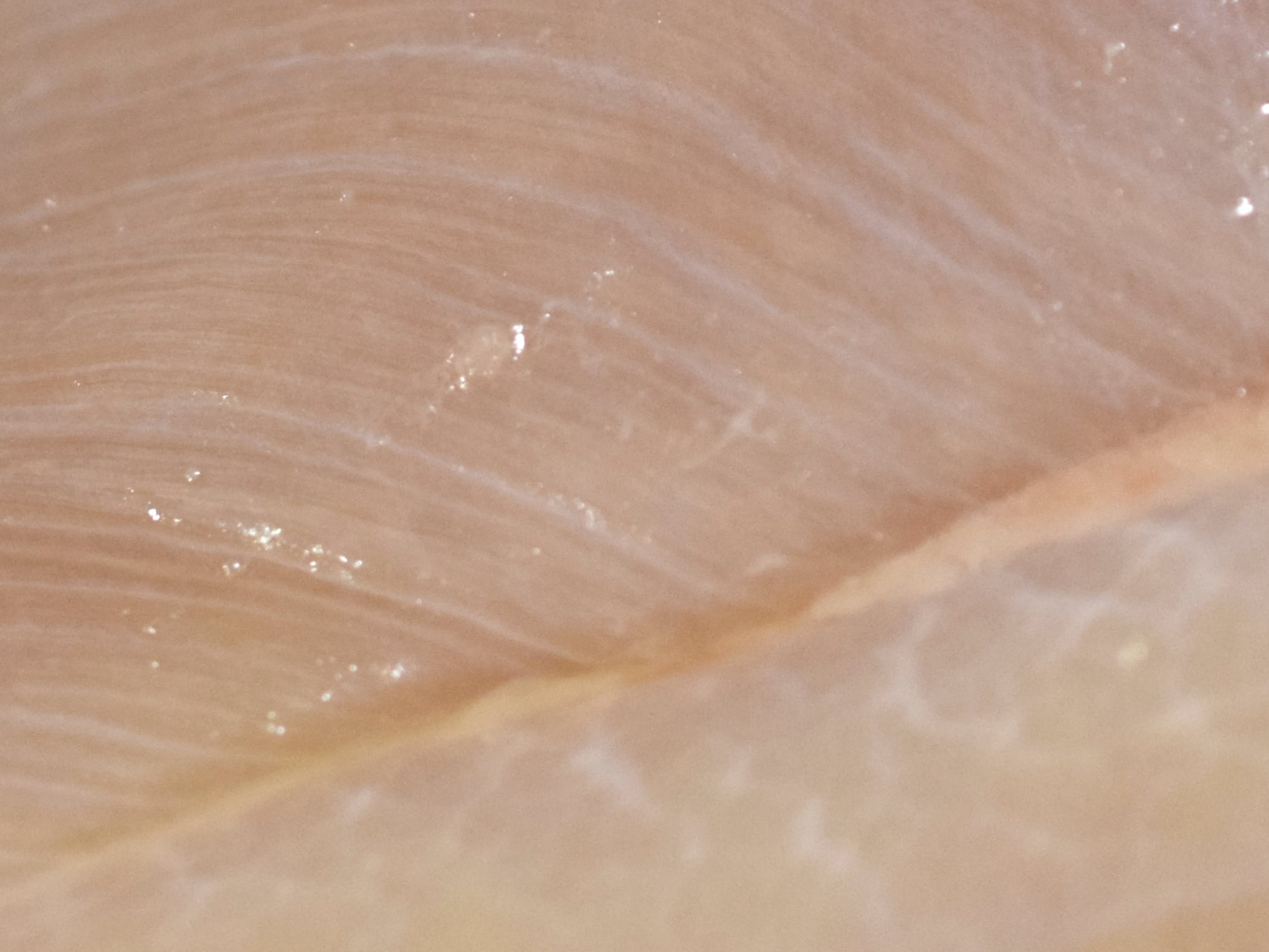
White striations in broiler breast meat tend to reduce customer confidence because severe white striping means that the cooked meat will be tougher than meat with low white striping. There is also higher fat content in meat with severe white striping. Consumers will not buy broiler breast meat with high fat and moderate to severe white striping because it is inferior in quality and nutritional value. This can cost the poultry industry significantly. Research has shown that this undesirable trait is particularly prevalent in broilers that have grown to a high body weight over a short period of time. Further research is needed to develop growing and feeding regimens to produce a heavier bird without changes in muscle quality, such as white striping.
|
-
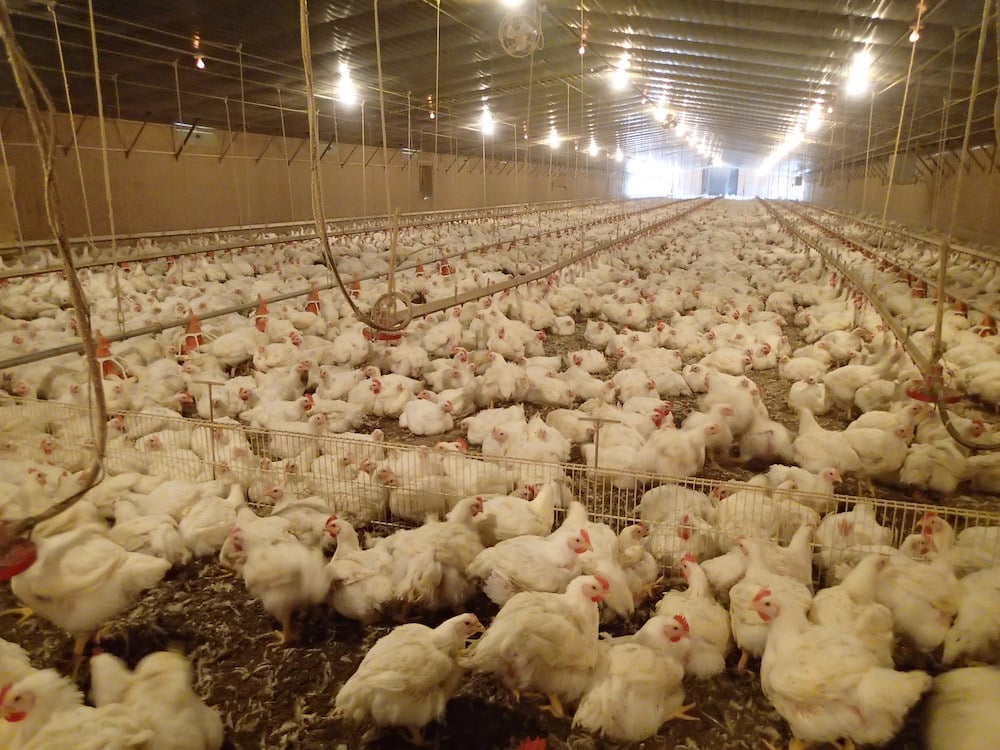
Amino acids are essential building blocks of proteins and are obtained from plant and animal products. Some amino acids can be synthesized by the chicken, while others (essential amino acids) must be supplied in the diet. In organic poultry production, the sources of these essential amino acids must be organic. This publication compares the amino acid content, digestibility, and availability of organic soybean meal with conventional soybean meal.
|
-

The quality of an egg involves both the exterior and interior qualities of the egg. Egg quality includes the cleanliness of the shell, soundness of the shell, thickness of the albumen, and color of the yolk. Good egg quality is critical to maintaining the hatching potential of eggs, as improper handling or storage of eggs will reduce the ability of the eggs to hatch and produce good quality chicks. For table eggs, improper handling and storage of eggs will reduce the grade of the eggs and could pose a potential health hazard.
|
-

Egg production is the same for each hen whether a farm is producing on a small or large scale. There are a number of egg abnormalities that can occur, and some of these can impact egg quality and reduce the egg’s grade based on USDA standards. Abnormalities may be a result of poor management, disease, nutritional deficiencies, or the age of the birds. This publication covers a dozen of the most common abnormalities to help producers of any size better manage their flocks.
|
-
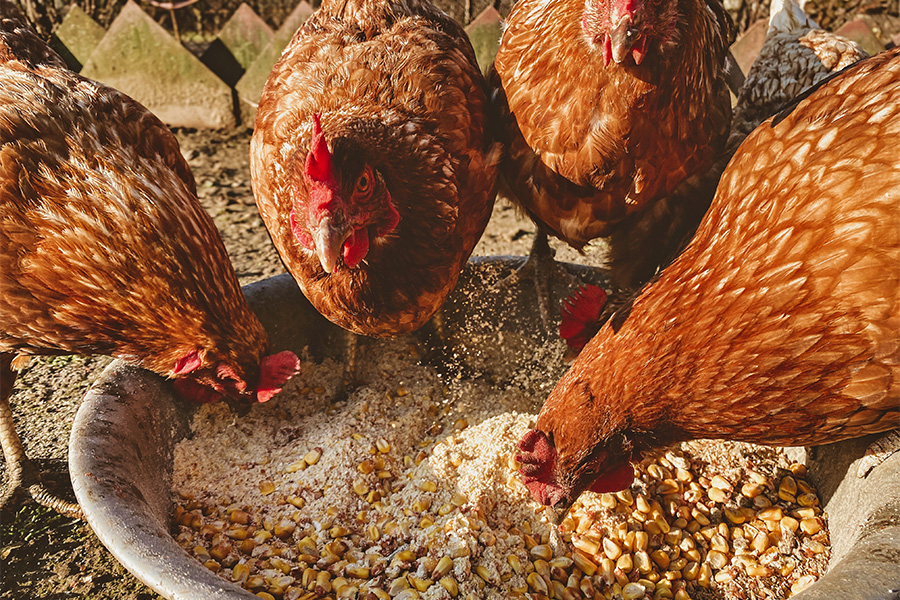
This bulletin is an educational reference for those who are interested in animal feeding and nutrition. It defines common terms used when discussing or reading about animal feeding and nutrition.
|
-
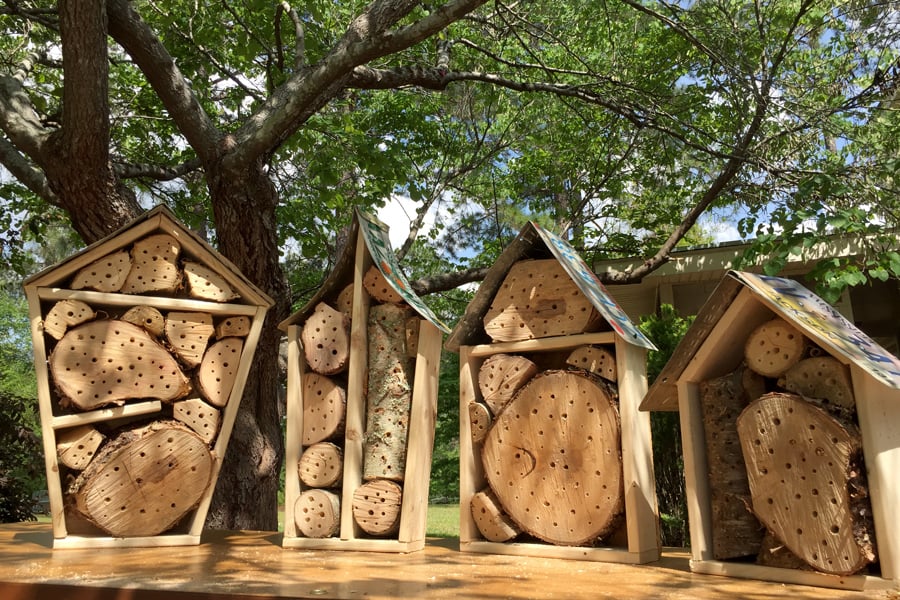
Planting pollinator-friendly flowers in your yard is a great first step for improving the quality of pollinator habitats. Adding nesting sites and nesting materials is another important measure in creating sustainable habitats, especially for native bees. When bees have access to a diversity of nesting materials, their numbers are positively affected, so providing nesting resources in your landscape is very beneficial to bees.
Published with the UGA Warnell School of Forestry and Natural Resources as WSFNR-17-48.
|
-
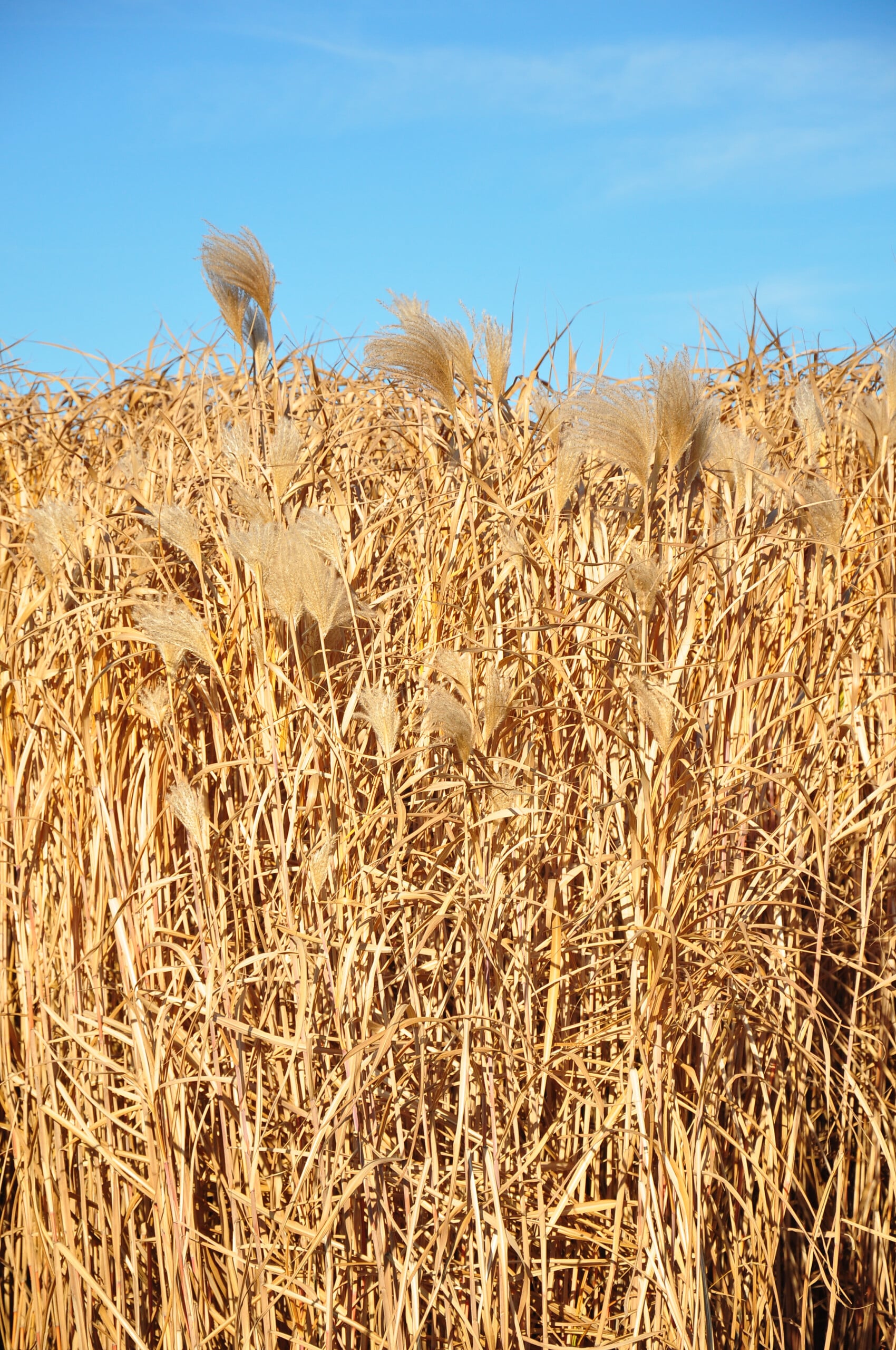
Pine shavings are the most popular bedding material used in poultry houses. Due in part to the expansion of the poultry industry, pine shavings are in short supply, and alternative bedding materials are being tested.
Giant miscanthus grass (GMG) is one such material. GMG is a perennial grass that is dried and chopped into one-inch pieces for bedding. When compared to pine shavings, GMG is a good option for bedding material in poultry houses.
|
-
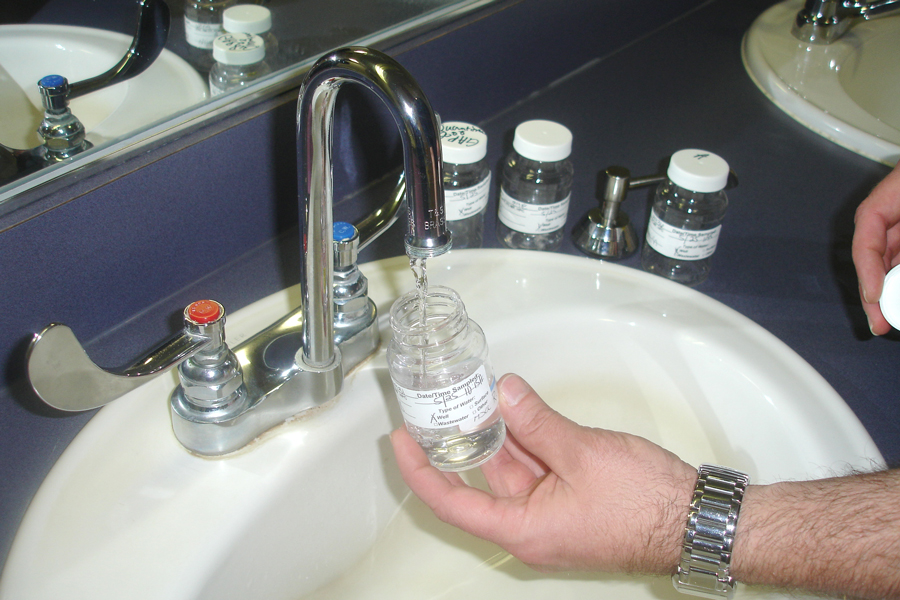
An abundant supply of clean, safe drinking water is essential for human and animal health. Water from municipal or public water systems is treated and monitored to ensure that it is safe for human consumption. Many Georgia residents, especially in rural areas, rely on private water systems for human and livestock consumption. Most private water systems are supplied by wells. Water from wells in Georgia is generally safe for consumption without treatment. Some waters, however, may contain disease-causing organisms that make them unsafe to drink. Well waters may also contain large amounts of minerals, making them too “hard” for uses such as laundering, bathing or cooking. Some contaminants may cause human health hazards and others can stain clothing and fixtures, cause objectionable tastes and odors, or corrode pipes and other system components.
|
-
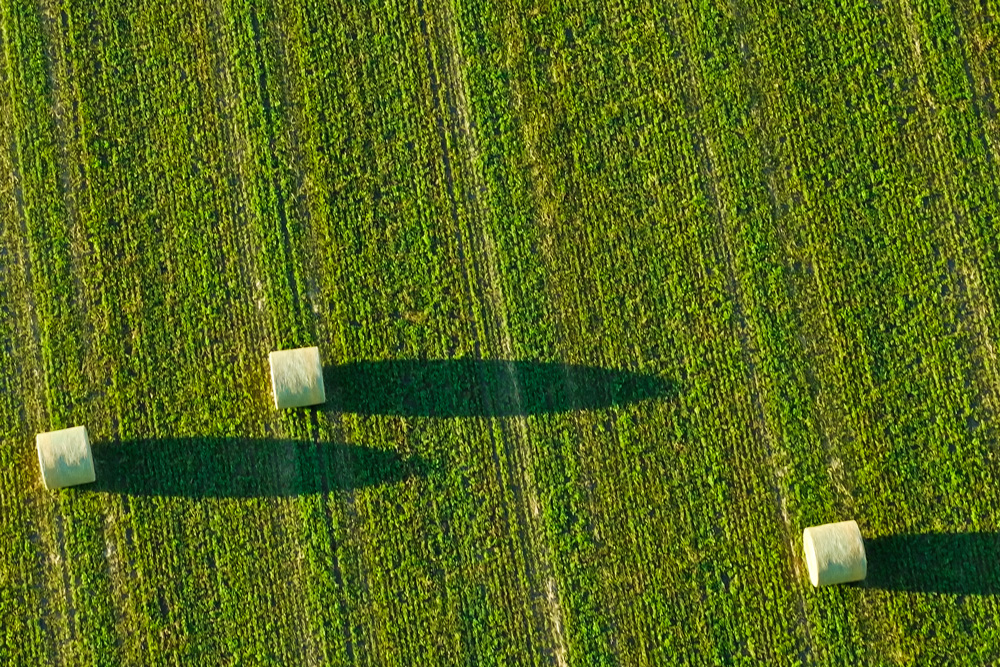
Forages are a key component to grazing animal diets in Georgia. Accurately testing the nutritive value of your forage is important. The nutritive value of most forages in Georgia can be evaluated through near infrared spectroscopy (NIRS). This resource focuses on common questions from forage-livestock producers about NIRS.
|