Animal Production Resources
-

This publication outlines the information needed to develop a Comprehensive Nutrient Management Plan (CNMP) for dry poultry litter operations.
|
-
C 859
Selecting a Beef Breed
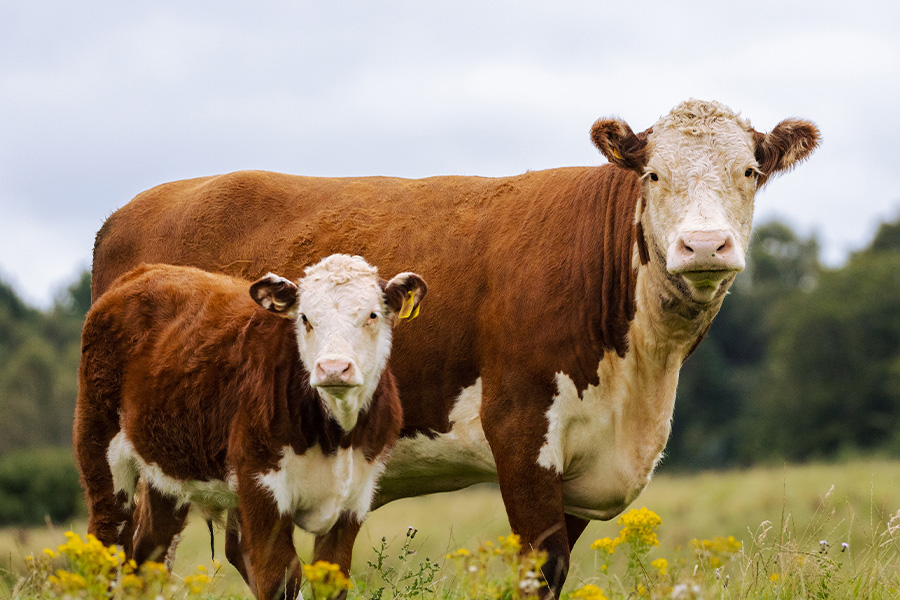
New cattle producers frequently ask, “Which breed should I choose?” This question brings cold chills to many knowledgeable cattle producers and excitement to just as many enthusiastic breeders. The diversity of resources and management capabilities of any operation makes this question difficult to answer.
|
-

Financial data for the year 2005 were collected from participating dairy farms and screened for completeness and validity. Each dairy farm then received a benchmark report detailing its financial results compared to the average results for the other participants and the six dairy farms with the highest net farm income per cwt. This benchmark report is discussed with the dairy farms to identify challenges and opportunities for improvement. This publication is a summary of the financial performance of the dairy farms that participated in 2005. It is intended for general use by dairy farmers, the allied industry, government, and educational professionals.
|
-

This publication contains an Excel spreadsheet to help researchers determine the correct poultry population size for their experiments.
|
-
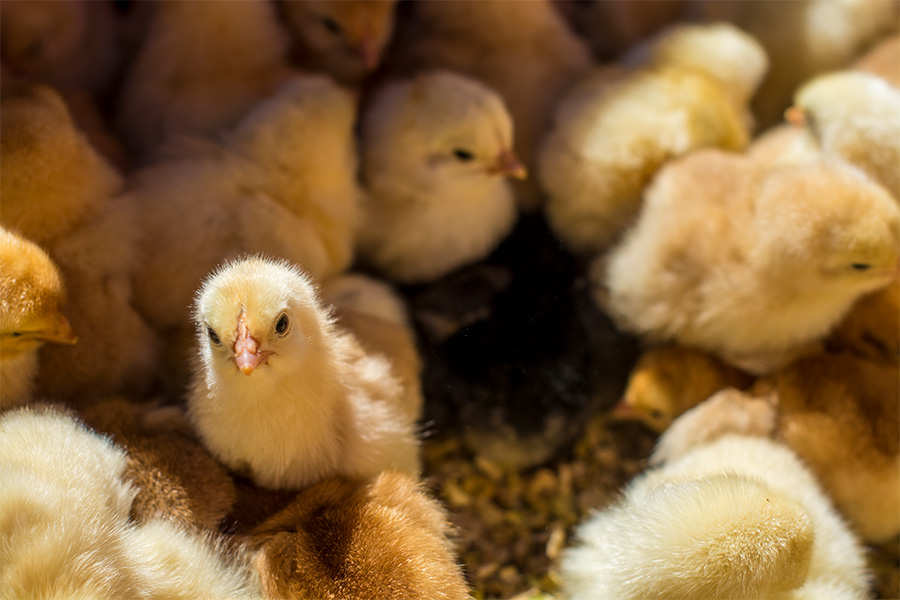
The main objective in brooding chicks is to efficiently and economically provide a comfortable, healthy environment for growing birds. Temperature, air quality, humidity and light are critical factors to consider. Failure to provide the adequate environment during the brooding period will reduce profitability, resulting in reduced growth and development, poorer feed conversion, and increased disease, condemnation and mortality.
|
-

Aflatoxin is formed in stressed plants by the mold Aspergillius flavus. The mycotoxin is produced by an actively growing mold. The mold can be present without mycotoxin formation or the mycotoxin may be present without the mold. The formation of the mycotoxin can occur during storage if the feed is not kept dry. Aflatoxin can be found in many grains and forages but is most commonly found in corn, cottonseed, and peanuts. Recent data indicates the above levels may not be safe for periods of prolonged feeding.
|
-

Whole cottonseed is an excellent feed for dairy cattle due to its high level of fiber, protein and energy (fat) in a compact package. It can be fed just as it comes from the gin without processing or may be pelleted before feeding. Whole cottonseed can also be used to stretch limited forage supply. Dairymen should capitalize on this situation as much as possible. Some limiting factors to consider when feeding whole cottonseed are gossypol, high fat content, and the potential for aflatoxin.
|
-

B 1203
Dairy Genetic Benchmarks
This publication provides genetic benchmarks for Holstein herds processed by Dairy Records Management Systems. Examples for using and applying benchmark values are provided; however, this publication should be viewed primarily as a comprehensive resource of genetic benchmark values. These values will be useful to dairy producers, dairy managers, consultants, veterinarians and agribusiness representatives as a first step in the evaluation of the genetic program of a herd.
|
-

The Dairy Business Analysis Project was initiated in 1996 to measure and document the financial performance of Florida dairy businesses using standardized accounting measures, so uniform comparisons could be made among participants. Formal collaboration between the Universities of Florida and Georgia began in 1998. This publication presents the results from fiscal year 1999 information.
|