Environment Resources
-

In 2004, the Georgia General Assembly passed and the governor signed House Bill 579, which required all permitted irrigation withdrawals in Georgia to be metered by 2009, depending on available funds. Farmers are continually trying to manage their irrigation systems to increase yields and improve the quality of food and fiber. Some management examples include end gun shut-offs (repaired or installed), uniformity tests, installing new sprinkler packages and improved irrigation methods. Each of these methods help improve the system, reduce costs and distribute more of the pumped water to the growing crop. The agricultural water meter also can be used for improved yields while conserving water.
|
-

Properly managed ponds supply an abundance of fish for recreation and nutrition. Stocking methods and catch rates are used to keep pond balance. Liming and fertilization recommendations for ponds in Georgia are important when planning fish harvest goals. A variety of fish species for pond stocking are discussed in this publication. Methods to improve pond balance, including fish population renovation, are also presented for consideration as part of a management plan. This resource is primarily for Cooperative Extension agents and fish pond owners and was written in an effort to consolidate currently accepted pond management methods.
|
-
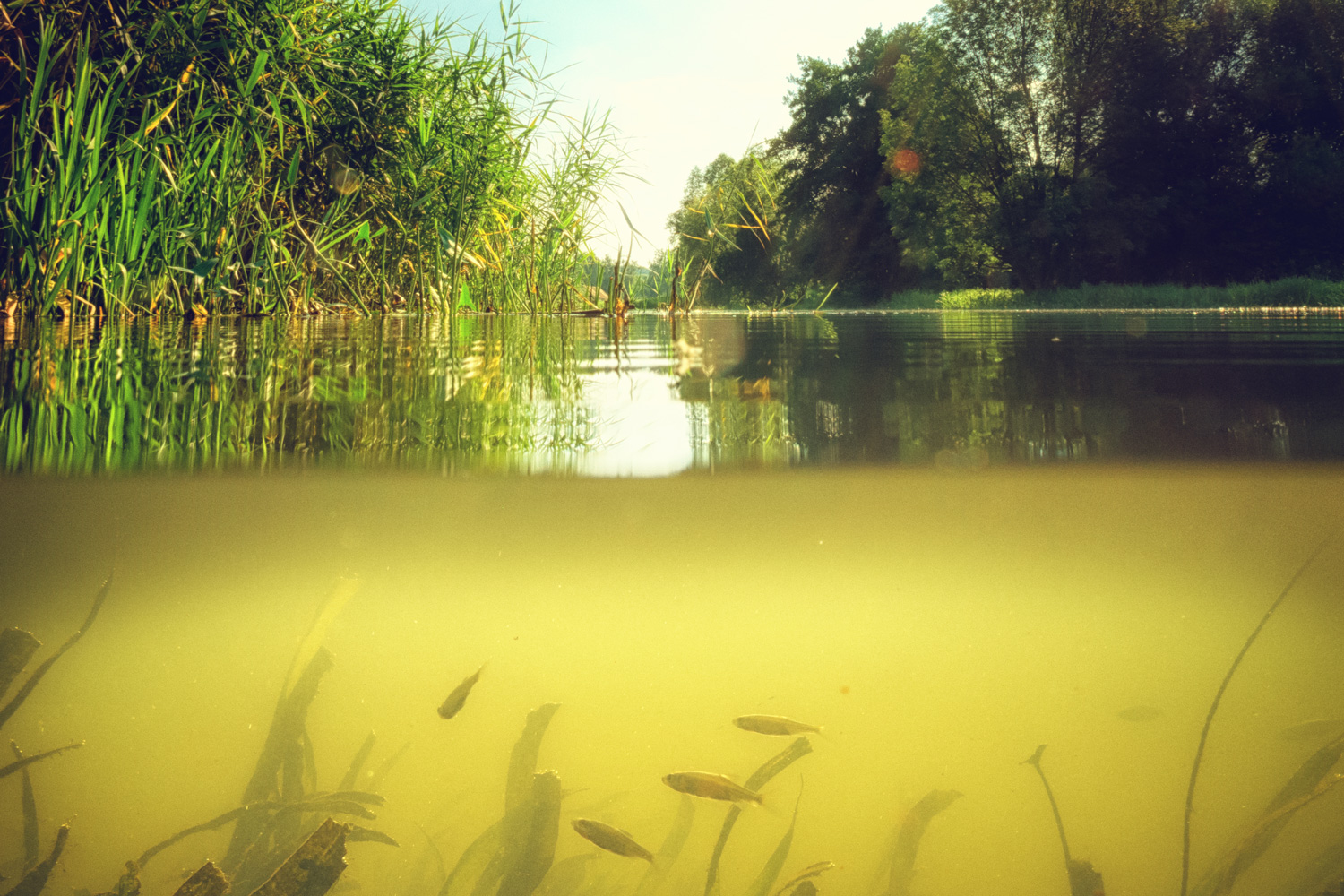
Dry weather tests pond design limits for water retention, watershed area and depth. Without adequate rainfall, ponds and the property around them lose value and the pond owner can lose the fish or have to spend substantial amounts of money for weed control or pond renovation. Over the past decade, drought conditions have been the normal weather pattern across the southeastern United States. Pond design and water management options should be considered each year to plan ahead for drought effects.
|
-

With recent droughts and increased emphasis on water conservation, rainwater harvesting (RWH) has become an important alternative source for outdoor irrigation. RWH is the collection of runoff from roofs during a rainfall event. The water is conveyed through a gutter system, filtered and stored in a tank for later use. In Georgia, non-potable harvested rainwater can be an alternative water supply for uses such as washing vehicles, landscape irrigation, livestock and wildlife watering, cooling towers and toilet flushing.
|
-
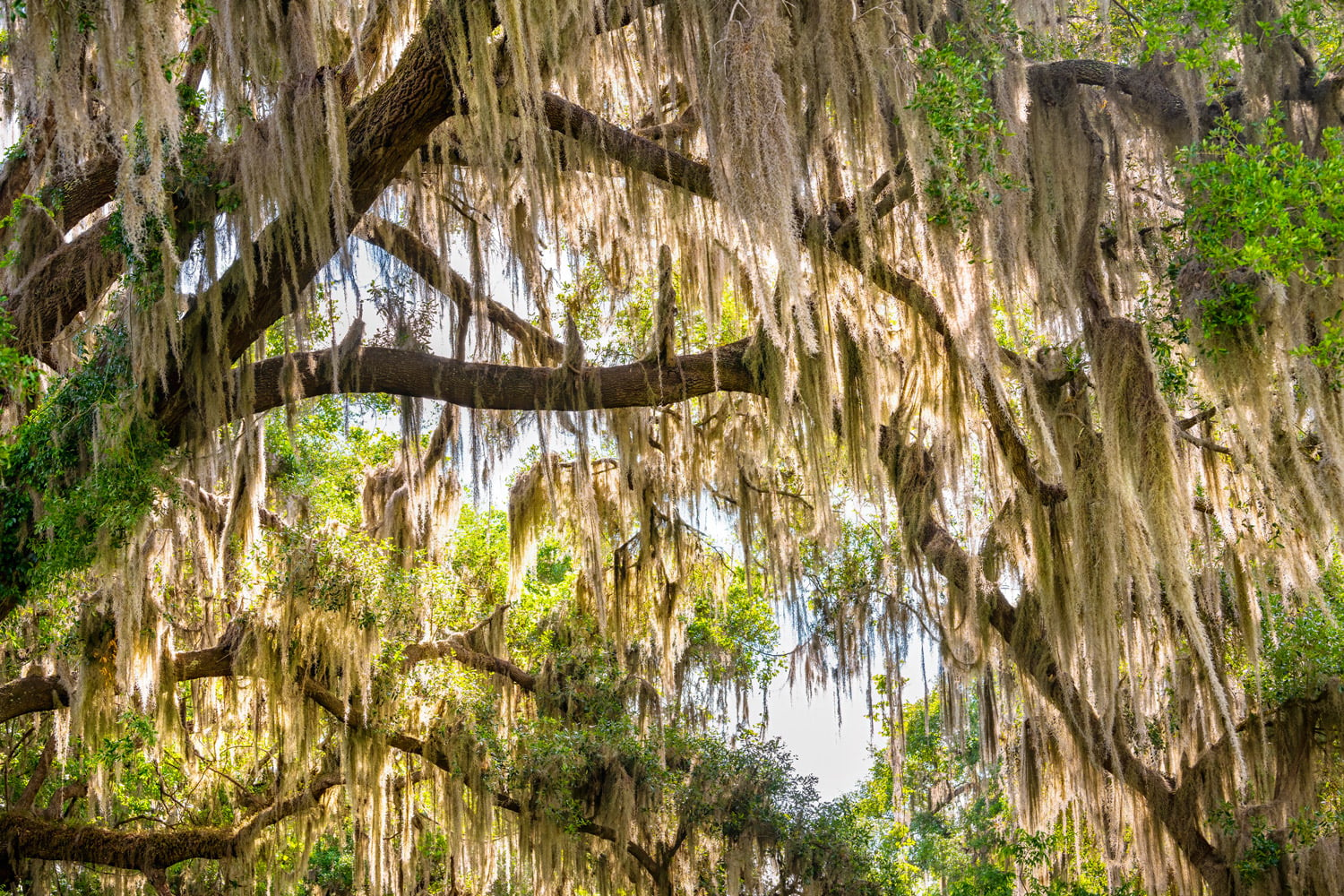
This publication contains basic information about slime molds, Spanish moss, lichens and mistletoe.
|
-

Educating yourself on the basics of your utility’s rates and rate structure, you can determine how your water bill is calculated, double check to make sure you are being charged the correct amount, and make the most cost-effective decisions for reducing your bill through water conservation.
|
-

The Greenhouse*A*Syst series of publications is a confidential self-assessment program you can use to evaluate your greenhouse business for risks associated with water management issues. Armed with facts and figures, you will then be able to reevaluate your management strategies and determine ways to conserve water and minimize those risks. By following the guidelines, you will be able to establish a formal company-wide water conservation plan. Implementation of this plan will facilitate more efficient use of resources and impart significant savings in water use, fertilizer and pesticides. This publication will help you assess the feasibility of water reclamation and recycling in your operation.
|
-

C 866-1
Copperhead Snakes
This publication discusses general aspects of the copperhead snake.
|
-
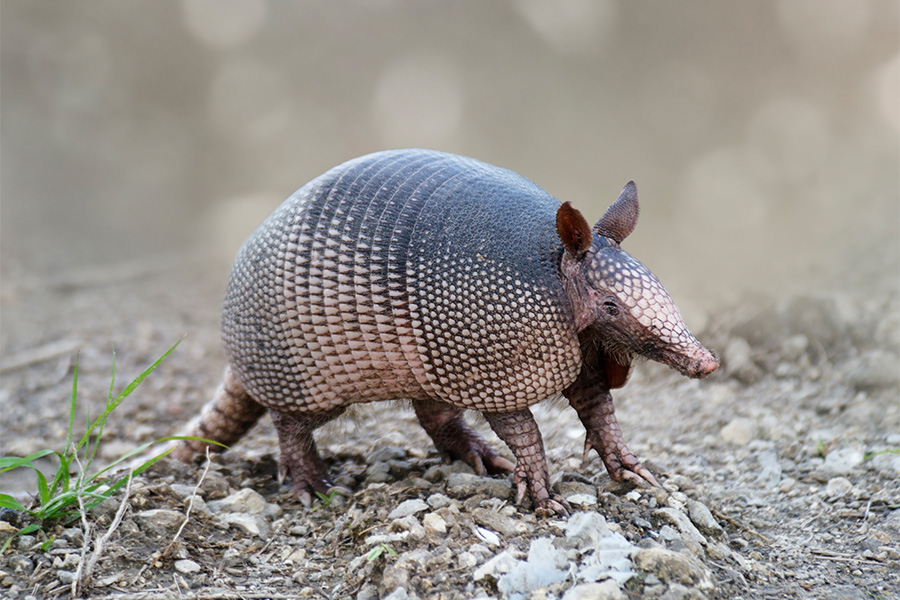
C 866-2
Nine-Banded Armadillo
Armadillos are common in central and southern Georgia and are moving northward. Only one species of armadillo lives in Georgia and the southeastern U.S., but 20 recognized species are found throughout Central and South America. Armadillos have poorly developed teeth and limited mobility. Armadillos are considered both an exotic species and a pest.
|