Environment Resources
-

This publication includes three parts. Part 1 discusses stormwater as a pollution source for streams and water bodies, and provides a background on why rain gardens in our landscapes have great environmental value. Part 2 includes a thorough definition of rain gardens and their purpose, and gives step-by-step instructions on how to design a rain garden for a specific site. Part 3 discusses appropriate plants to use in rain gardens.
|
-

Hot and humid environmental conditions stress the lactating dairy cow and reduce intake of the nutrients necessary to support milk yield and body maintenance. In Georgia, weather conditions are sufficiently hot and humid to reduce performance of dairy cows for five months or more each year. This publication presents methods that can be used to minimize the stress on dairy cows during hot weather and enhance production during the hot summer months.
|
-

Currently, most construction waste is put in dumpsters and taken to a construction and demolition (C&D) landfill. However, several residential construction wastes can be recycled or reused as part of a “green” building practice. These include cardboard, metals, scrap wallboard, and wood waste. This publication provides you the information you need for on-site reuse of wood wastes at a residential construction site.
|
-

As tipping fees have risen, interest has increased in finding alternative uses for construction wastes. Many homebuyers are also looking for environmentally sensitive building practices. This includes the recycling and reuse of construction debris rather than disposal. One of the largest waste components in residential construction is gypsum wallboard. In many cases, scrap wallboard can be ground and beneficially applied on the construction site, rather than transported to the landfill.
|
-

Drought does not develop overnight but progressively over time. Proper management during a drought period can make or break a producer’s ability to stay in the cattle business. One main concern during a drought period is feeding and nutrition of the cow herd. Several problems could arise due to drought conditions. A good producer should stay alert for warning signs and avoid potentially damaging situations.
|
-
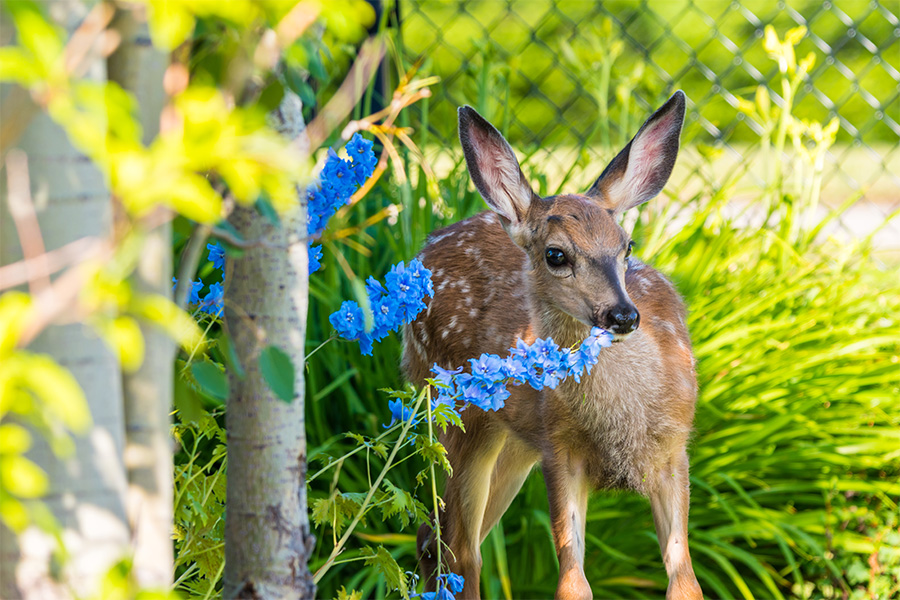
This resource lists several varieties of plants for your landscape that deer prefer to eat less.
|
-

Certain algae can cause serious problems when they become very abundant in drought, hot weather, unusual rainfall patterns, or after nutrient accumulation in pond water. Fortunately, most ponds do not experience toxin problems or dense algal blooms. Watching for the warning signs that lead to toxic algal bloom development is the best way to prevent toxin problems.
This publication describes how to effectively monitor for potential toxic conditions, control algae, and improve water quality in ponds.
|
-

C 1050-1
Reduce Waste
Reducing your actual rate of consumption is the most efficient way to manage the worldwide waste problem. This publication provides strategies you can implement to reduce the amount of waste you and your family produce.
|
-

C 1050-2
Recycle
In today’s disposable economy, it often seems easier to throw away old products and buy new ones. Because everything we need can be produced so quickly and cheaply, we tend to ignore the repercussions of our waste stream. Within this publication are facts and strategies which will help you rethink the notion of recycling.
|