Environment Resources
-
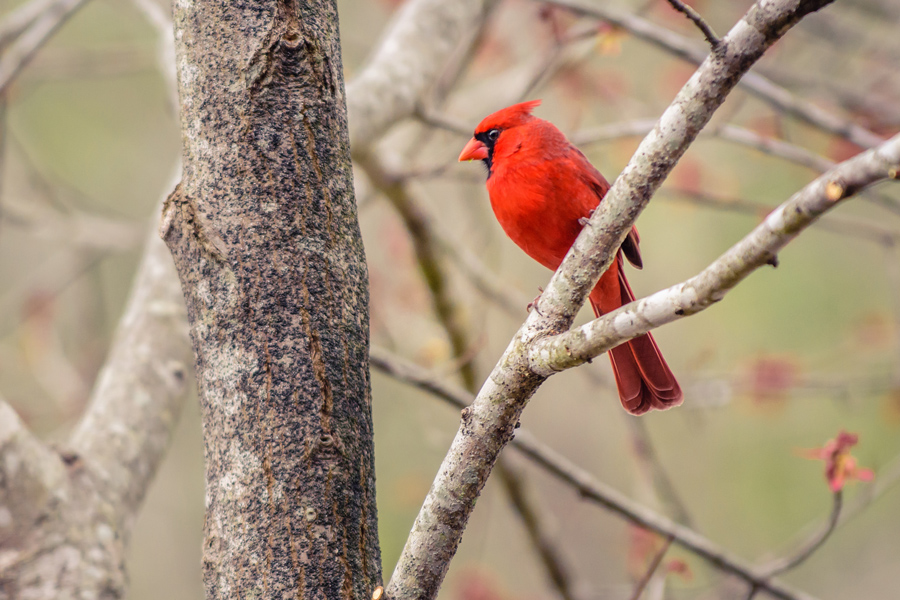
To attract and maintain a bird population, a habitat should provide (1) food, (2) shelter/nesting areas and (3) water. This publication describes several ways to attract birds to your backyard.
|
-

Temperatures affects plant growth and distribution. This publication explains how low temperatures (chilling and freezing) affect plant growth in production greenhouses, nurseries, and landscapes. These three environments have different causes and effects, each requiring unique responses to avoid injury. This publication outlines different techniques that can be used to avoid cold injury to plants.
|
-
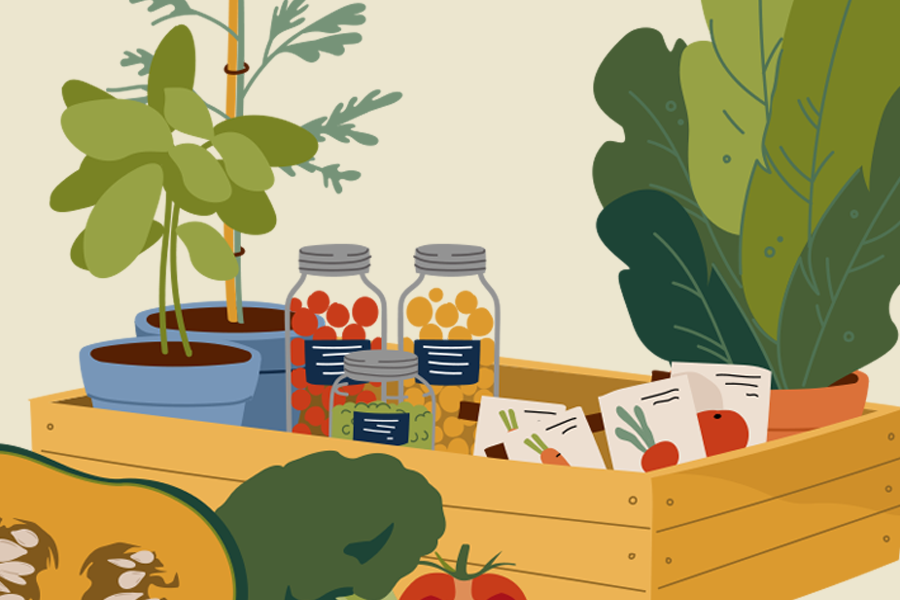
This resource describes the process of saving seeds, particularly for heirloom varieties in the Georgia garden. This guide is useful for both home gardens and school or community gardens.
|
-

This bulletin describes a recommended procedure to measure soil saturated hydraulic conductivity (Ks) with a borehole permeameter and convert this value to estimates of percolation rate for on-site wastewater treatment systems. Saturated hydraulic conductivity is a fundamental hydraulic parameter for soil water flow and it is defined as the ratio of the water velocity to the hydraulic gradient. This bulletin also provides information on a computer-based program to help calculate saturated hydraulic conductivity.
|
-

These irrigation budgets, developed by University of Georgia Cooperative Extension, are estimates of the irrigation costs of a center pivot irrigation system located in southeast Georgia. Our intention is to provide flexible, user-friendly irrigation budgets with default values. That being said, the variation among different farm conditions can impact investment costs and annual costs associated with irrigation; users are suggested to modify these default values and customize their budgets according to their specific field conditions. Please consult your irrigation providers for properly designed center pivot systems that match well production to achieve your irrigation goals. This should serve as a generalized user guide for irrigation budgets and provide guidance for adjusting the default values in the budgets.
|
-

The Southeast U.S. is susceptible to hurricanes and tropical storms every year. Hurricane season occurs from June 1 through November 30, and these storms are normally forecast several days in advance. Tornadoes, ice storms, thunderstorms, or straight-line winds—potentially damaging winds produced by thunderstorms—are rarely forecast with enough notice to prepare other than to hopefully warn employees. Storms disrupt operations and have the potential to cause injury to people and livestock and devastate facilities and the landscape. Producers should have an emergency plan that safeguards family, employees, livestock, and equipment. The emergency plan should also address how to safely manage the damage after a storm. This resource provides information producers can use to develop an emergency preparedness plan in advance of a storm and suggestions for their potential responses following a storm. No plan will be 100% effective in all situations, but preparing will hopefully minimize damage and help speed the recovery.
|
-
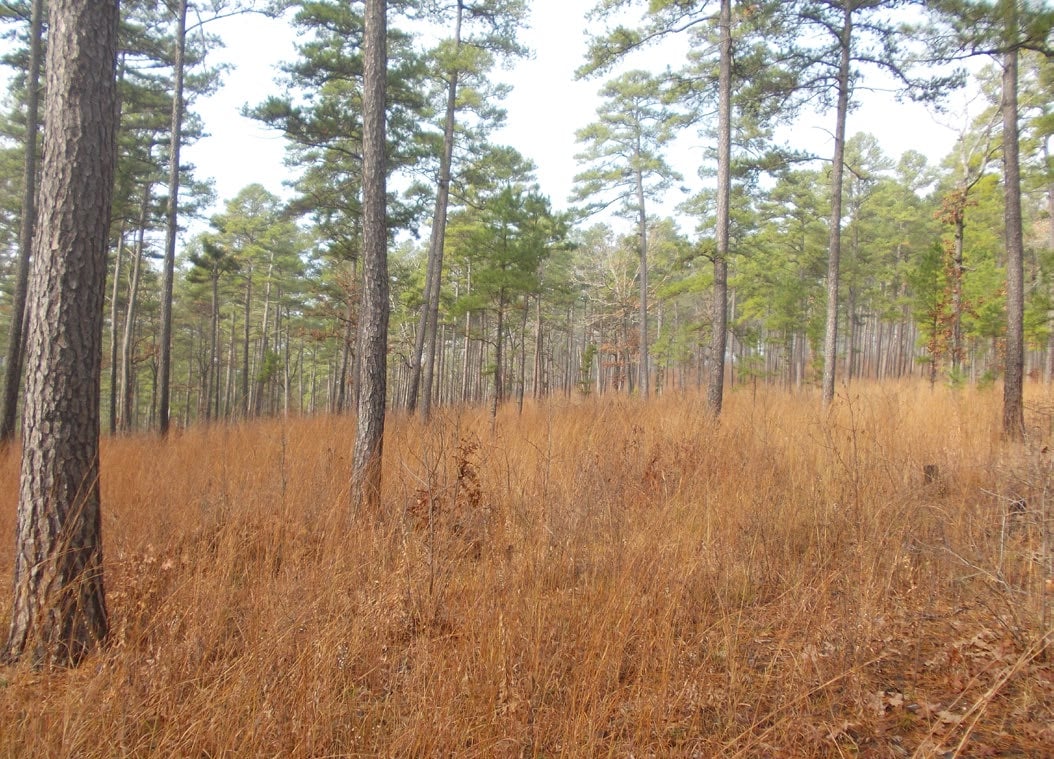
Savannahs are typically thought of as transitional landscapes between forest and prairie, containing a sparse overstory and well-developed herbaceous understory, including grasses, wildflowers, and occasional understory shrubs. A similar concept is a woodland, which is a transitional landscape between savannahs and forests. Although savannahs and woodlands were once widely distributed across much of the Eastern U.S., they are now rare due to fire exclusion, land clearing, and natural succession. Many plant and animal species associated with forests, forest edges, and open prairies thrive in these communities making savannahs and woodlands some of the richest and most diverse natural communities in the region. They provide excellent habitat for northern bobwhite quail, eastern wild turkeys, and in many cases, white-tailed deer.
|
-
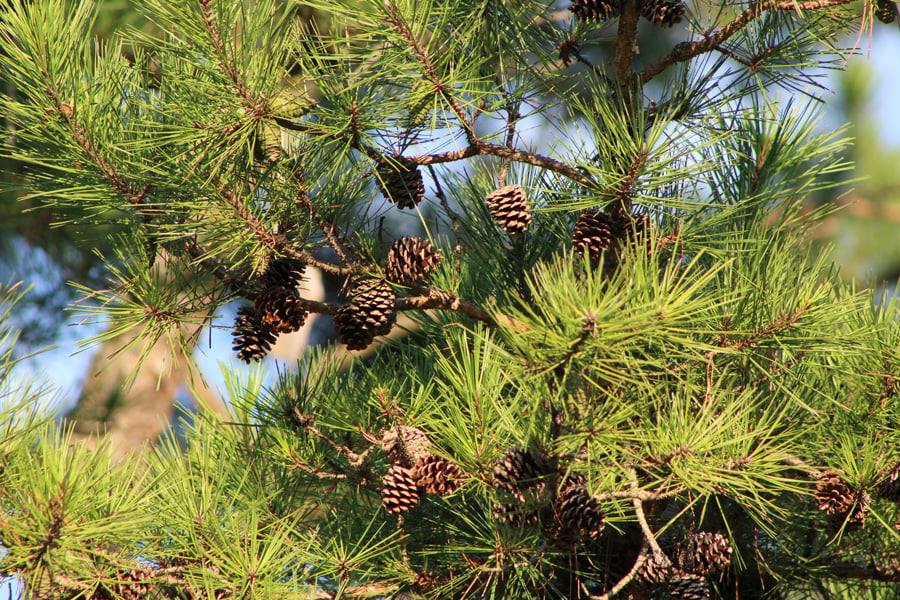
C 1135
Silvics of Shortleaf Pine
Shortleaf pine is the most widely distributed, but perhaps least understood of the four major southern yellow pines. Growing in 22 states from southern New York to eastern Texas, it occupies the largest range of any pine in the southeastern United States. Its extensive distribution reflects it adaptability to a great variety of soil, average annual temperatures (48–70 °F), total precipitation (40–60 in.) and elevations (up to 3000 ft). Throughout much of its range, but especially in the East, it is a species of minor and varying occurrence often found growing with other pines and hardwoods. In Arkansas and Missouri, where it is the only naturally occurring pine, we find widespread areas of pure and mixed shortleaf-oak stands.
|
-

Many Georgia communities are wrestling with wastewater disposal issues. The choices a community makes may affect its growth and environmental quality. This PowerPoint presentation presents the basics of wastewater treatment systems so that community leaders can make better-informed choices. This presentation can be downloaded and revised to reflect local conditions. If you are not an employee of University of Georgia Cooperative Extension, proper credit must be given to the original authors and UGA Extension.
|