Environment Resources
-

For most people a complete understanding of the standard methods required to accurately complete critical wastewater analytical tests is not necessary. However, a fundamental understanding of the theory behind and working knowledge of the basic procedures used for each test, and the answers to commonly asked questions about each test can be a valuable tool for anyone involved in generating, monitoring, treating or discharging process wastewater.
|
-

This resource helps readers identify and manage tawny crazy ants, a highly invasive species from South America. The ant somewhat resembles invasive Argentine ants (also known as sugar ants).
|
-

B 1276
Water Management Assessment
The Greenhouse*A*Syst series of publications is a confidential self-assessment program you can use to evaluate your greenhouse business for risks associated with water management issues. Armed with facts and figures, you will then be able to reevaluate your management strategies and determine ways to conserve water and minimize those risks. By following the guidelines, you will be able to establish a formal companywide water conservation plan. Implementation of this plan will facilitate more efficient use of resources and impart significant savings in water use, fertilizer and pesticides. This publication will help you take a candid look at how you approach water management.
|
-

The Greenhouse*A*Syst publication Series has been developed to assist greenhouse owners with the task of assessing three management issues: Water management, Environmental Risk and Business Profitability. This publication will also help you establish a water conservation document you may find useful if and when state or local water authorities develop policies or implement water restrictions. Most water authorities are favorably impressed with businesses that have developed water conservation plans.
|
-

B 1277
Water Quality Assessment
The Greenhouse*A*Syst series of publications is a confidential self-assessment program you can use to evaluate your greenhouse business for risks associated with water management issues. Armed with facts and figures, you will then be able to reevaluate your management strategies and determine ways to conserve water and minimize those risks. By following the guidelines, you will be able to establish a formal companywide water conservation plan. Implementation of this plan will facilitate more efficient use of resources and impart significant savings in water use, fertilizer and pesticides. This publication will help you determine your water quality and help you develop a management plan to monitor your water quality.
|
-
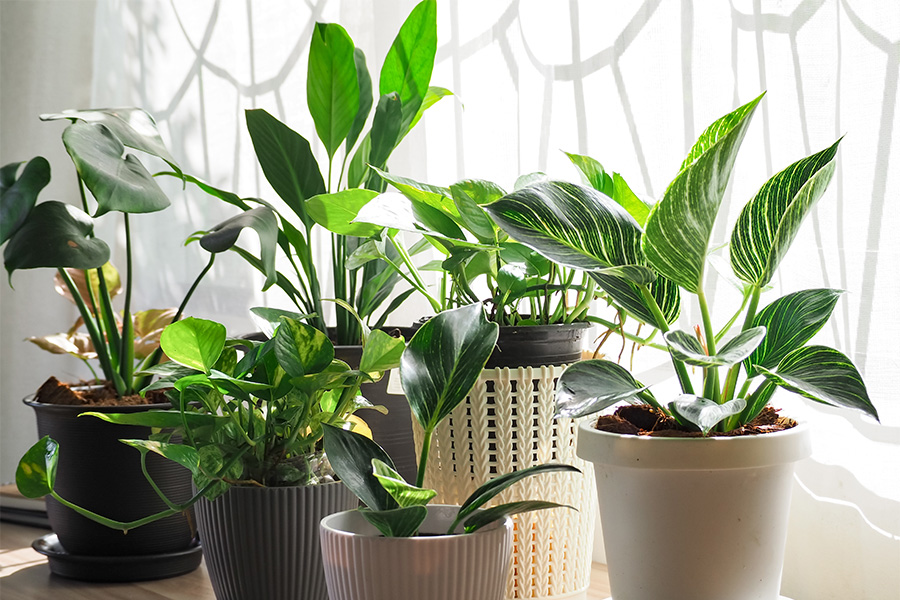
Interior plants are an ideal way to create attractive and restful settings while enhancing our sense of well being. In addition, houseplants can be a satisfying hobby and can help purify the air in our homes. To be a successful indoor gardener, you need to understand how the interior environment affects plant growth and how cultivation differs from growing plants outdoors.
|
-

All vegetables, especially tomatoes, like an even supply of water throughout the growing season, and will often develop problems if their water supply fluctuates. If watering restrictions or bans are imposed, water conservation becomes a critical issue.
|
-

Butterfly populations can be greatly enhanced by devoting a portion of the landscape to butterfly habitat. In addition to their natural beauty, butterflies serve as valuable plant pollinators.
|
-
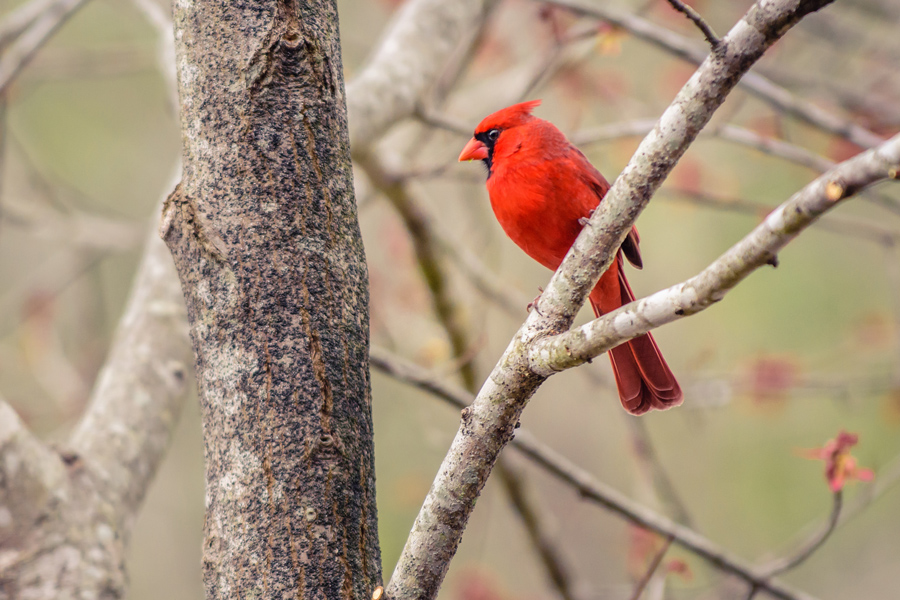
To attract and maintain a bird population, a habitat should provide (1) food, (2) shelter/nesting areas and (3) water. This publication describes several ways to attract birds to your backyard.
|