Environment Resources
-
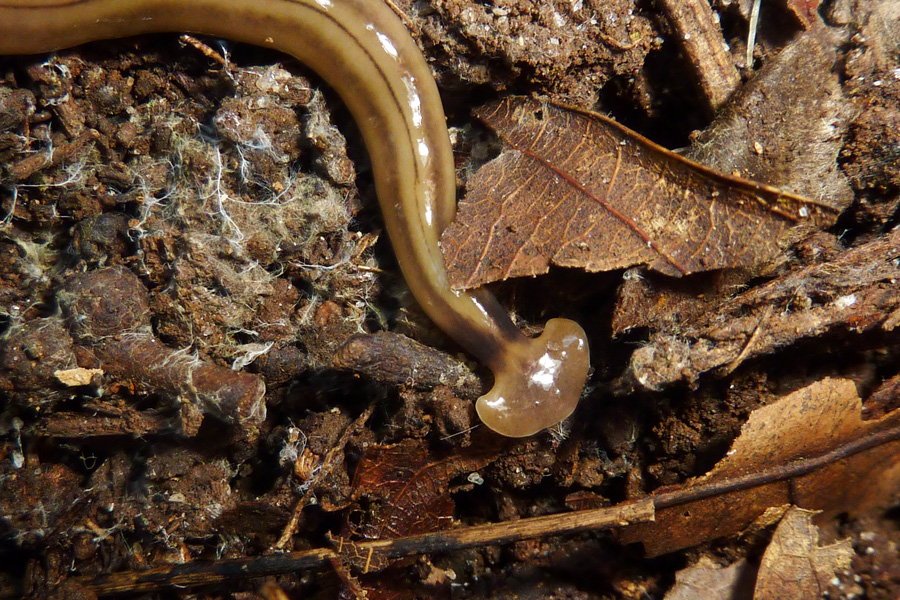
This publication is a guide to 110 common pest insects found in and around the home, including prevention and treatment options.
|
-
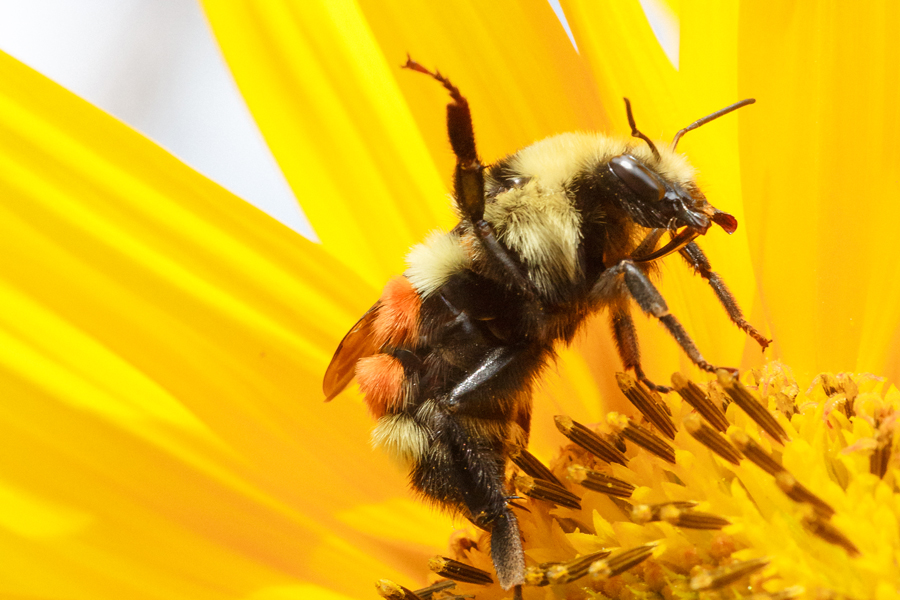
Bumblebees are prone to catch your attention with their sonicating buzz or conspicuous and colorful appearance. They are robust, fuzzy-looking insects, with varying bands of coloration and a hairy abdomen. This characteristic differentiates them from the look-alike carpenter bees, which have bald abdomens. Bumblebees usually are active from early spring through fall, visiting and collecting pollen and nectar from flowers, and are distributed worldwide, with up to 260 species all over the globe. Most species are encountered in the Northern Hemisphere, while others are located in Central and South America and northern Africa. Forty-nine bumblebee species in the United States are known, and 17 of them are found in Georgia.
|
-

We can positively affect pollinator populations in our region by providing plants that help sustain them. Pollinators face the increasing challenges of habitat loss, parasite and disease pressure, and the unintended consequences of pesticide misuse. Bee forage plants can bloom season-long with careful plant selection appropriate to the region. A combination of herbaceous perennial and annual plants, trees, and shrubs can provide valuable resources to bees and other pollinators. Even grasses can be used by bees as a pollen source, while crape myrtles can provide a later season resource for pollinators. Anyone—from individual home gardeners to commercial and agricultural property managers—can promote pollinator health by selecting and planting appropriate plants. This guide provides options for selecting flowering woody plants that are attractive to bees and butterflies and sometimes have additional wildlife benefits.
|
-
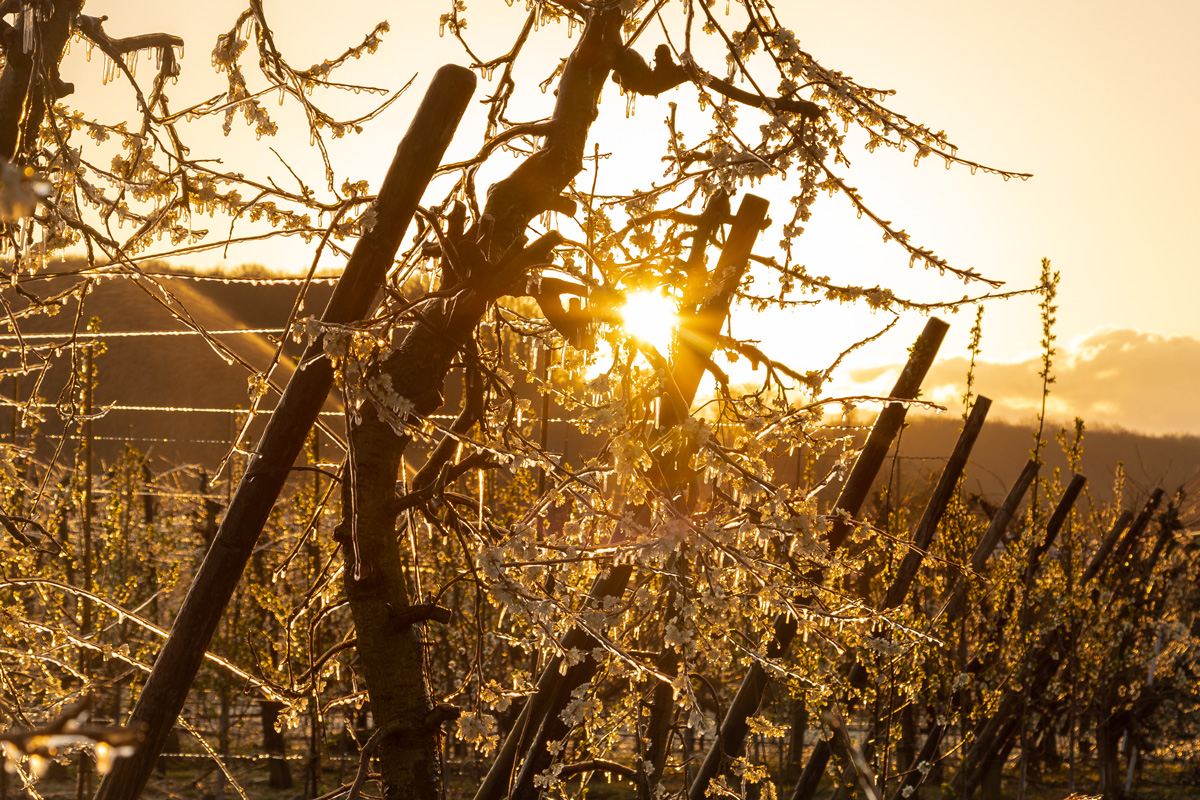
Freeze protection efforts should be based on the type of freeze, temperature, and wind speed that is impacting your crop. To apply frost protection, consider your crop value, the freeze protection capacity of your system, and the crop’s susceptibility to injury at each growth stage.
|
-

C 1199
Storm Damaged Tree Cleanup
Trees are often damaged in storms and can be extremely dangerous to clean up. Storm damaged trees are subject to all the perils associated with tree felling and much more. Working conditions may be difficult. Downed trees may be entangled in other trees, or tossed on buildings, vehicles, or wires. Energy stored in compressed limbs and trunks can be release suddenly, explosively, and fatally. Each situation is unique and requires careful consideration. Application of the included five-step cutting plan will help keep the saw operator safe and working effectively.
|
-
Los árboles son los que mas se dañan en las tormentas y son estos los mas peligrosos de limpiar. Los arboles dañados por tormentas están sujetos a una gran cantidad de peligros asociados con la tala de arboles y mucho, mucho mas. Las condiciones de trabajo pueden ser muy difíciles. Los arboles caídos se pueden enredar con otros arboles, o caerse en edificios, vehículos o alambres. La energía apresada en las ramas o en los troncos comprimidos puede ser liberada repentina, explosiva y fatalmente. Cada situación es diferente y requiere una consideración única. La aplicación de este Plan de corte de cinco pasos ayudará a mantener al operador de la sierra seguro y trabajando de manera efectiva.
|
-

The Water Stewardship Act is intended to demonstrate Georgia’s deep commitment to the conservation of critical freshwater supplies. This publication provides an overview of the major provisions affecting Georgia farmers and their use of the state’s most precious resource: WATER.
|
-

The Water Stewardship Act is intended to demonstrate Georgia’s deep commitment to the conservation of critical freshwater supplies. This publication provides an overview of the provisions and obligations for local governments, public systems and state agencies.
|
-
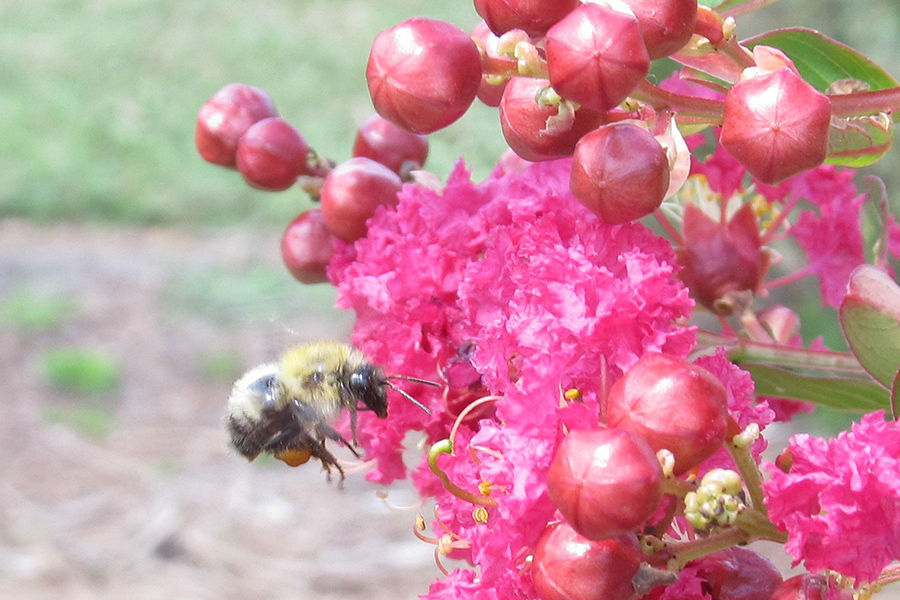
Crape myrtles are popular landscape shrubs and small trees. Native to China, Japan, and Korea southward to Oceania, crape myrtles have been cultivated in the U.S. for more than 175 years. Cultivars range from 3-ft shrubs to 30-ft-tall trees, and they are graced with large panicles of white, pink, lavender, purple, red, and many colors in between. Among cultivars, crape myrtles have a wide range of tolerance to key pests and diseases, such as powdery mildew, flea beetles, crape myrtle aphids, and Japanese beetles. The plant’s flowers are widely admired by humans and can serve as nectar and pollen sources for pollinators. With the recent decline in pollinator health and diversity, pollinator visitation, pest susceptibility, and horticultural attributes should all be considered when choosing crape myrtle cultivars for home and commercial landscapes.
|