Environment Resources
-

With the passing of the Clean Water Act and subsequent creation of the U.S. Environmental Protection Agency (EPA) in the early 1970s, industrial, institutional, and commercial entities have been required to continually improve the quality of their process wastewater effluent discharges. The determination of wastewater quality set forth in environmental permits has been established in a series of laboratory tests focused on four major categories: 1. Organics, 2. Solids, 3. Nutrients, 4. Physical Properties. For most people, it’s not necessary to possess a complete understanding of the standard methods required to accurately complete critical wastewater analytical tests. However, a fundamental understanding of the theory behind and working knowledge of the basic procedures used for each test, and the answers to commonly asked questions about each test, can be a valuable tool for anyone involved in generating, monitoring, treating, or discharging process wastewater. This publication is designed to provide a solid working knowledge of one of the major wastewater analytical test categories: 2. Solids.
|
-
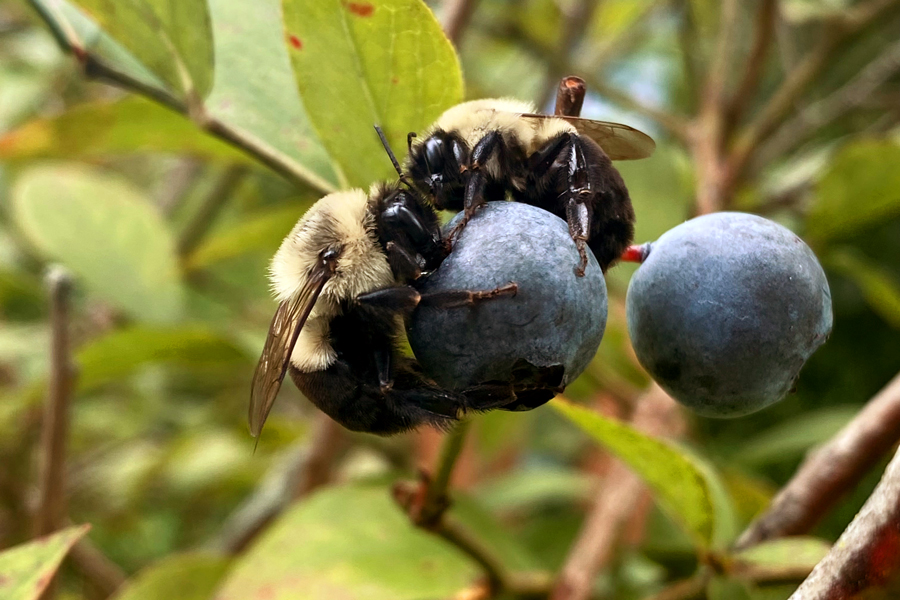
This visual guide helps people identify common wild bees encountered in blueberry systems. The contribution of wild bees to blueberry pollination has is becoming widely recognized. Proper identification of these insects in the field is critical part of conservation efforts.
|
-
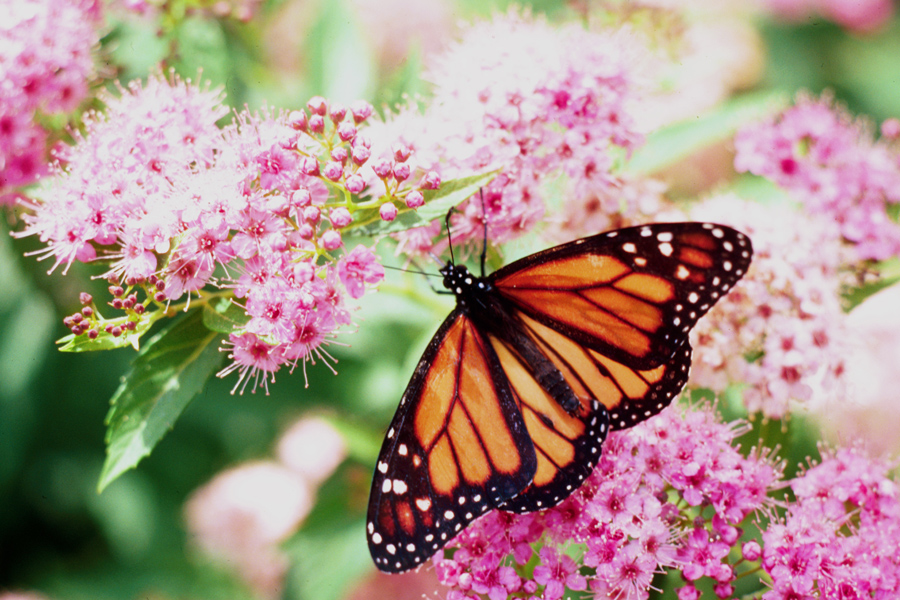
Monarch butterflies travel on air currents and cross more than 3000 miles in the winter to reach their overwintering sites in Mexico. The loss of this habitat, combined with diseases, pesticide use, and loss of larval hosts (i.e., milkweed), are causing a decline in Monarch populations. The larvae need milkweed to develop, and the adults need nectar for migration and survival day-to-day, so more nectar sources and milkweed plants are needed to sustain their migration patterns. This resource can help you select flowering plants and milkweeds that can help conserve the migrating monarchs, especially when planted along farm-reserved lands and urban gardens.
|
-
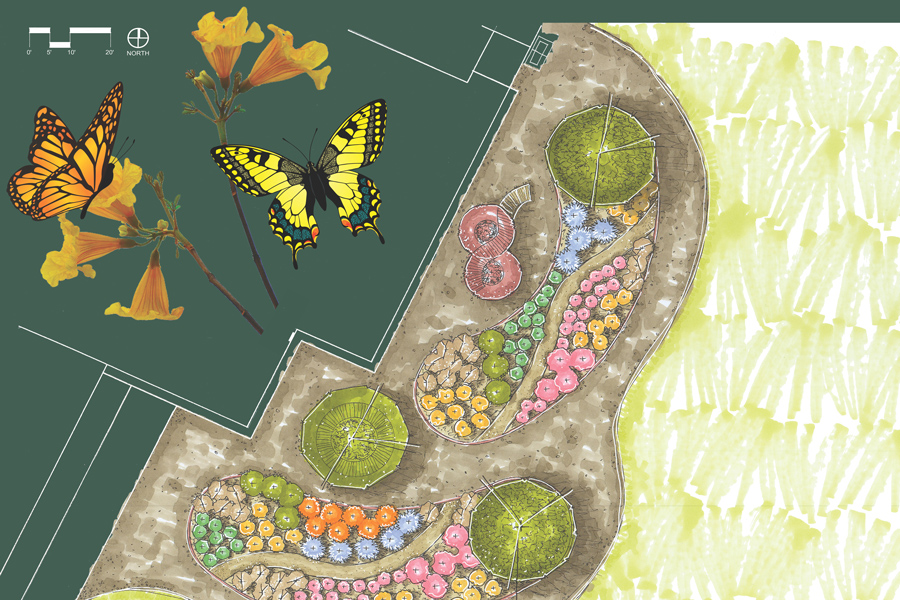
The lead author of this publication is Katherine Melcher, College of Environment and Design. The UGA Extension contact for the publication’s content is Becky Griffin. Providing opportunities for youth to design their environment can increase their connection to everyday nature and increase their sense of empowerment. By combining ecology and design, garden design can also be a central piece in STEAM (science, technology, engineering, art, and math) education. This activity guide contains five chapters that explain the purpose of pollinator gardens, the design process, and the basic steps used to create a planting plan. The chapters are supplemented with activities to guide youth and other beginning designers through the process of creating a pollinator garden.
|
-
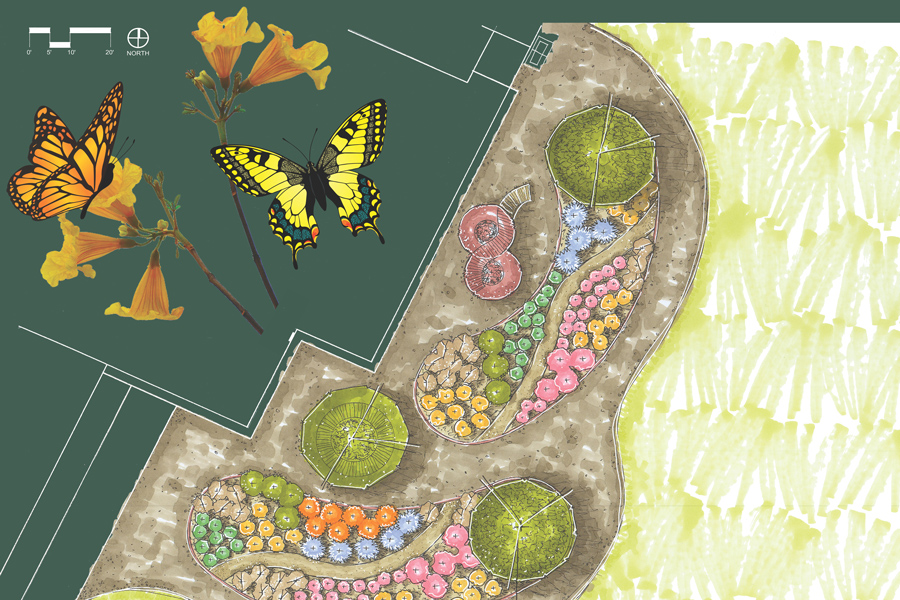
The lead author of this publication is Katherine Melcher, College of Environment and Design. The UGA Extension contact for the publication’s content is Becky Griffin. These appendices provide information about plants that grow well in Georgia’s Piedmont Ecoregion, as well as to-scale plant symbol and plant ID card templates for use in creating design plans.
|
-

This publication provides a brief overview of the major regulatory agencies and highlights the rules that Georgia farmers should be aware of concerning storage tanks on their farms.
|
-
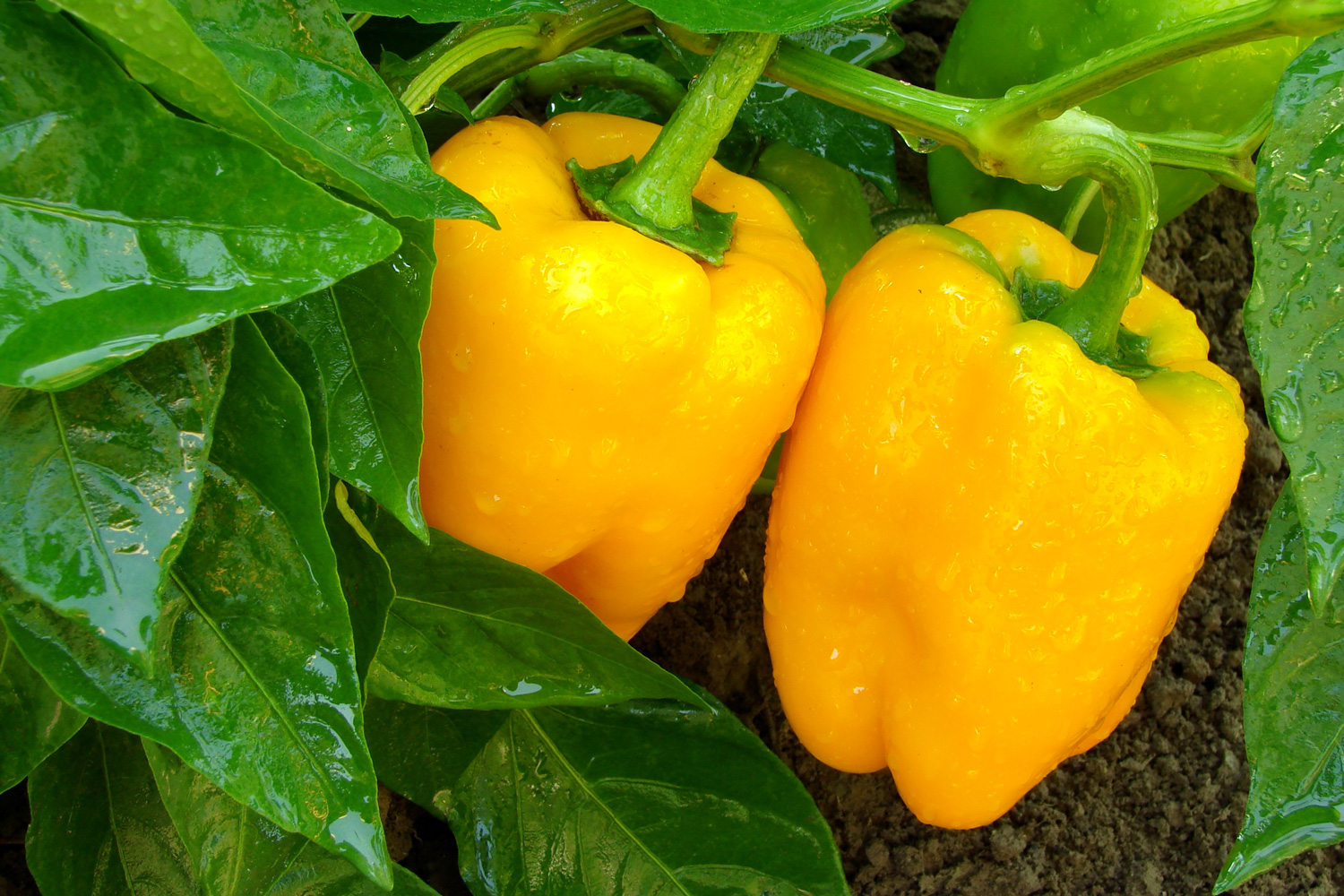
This publication is part of a series focusing on irrigation scheduling for vegetable crops. It contains basic information on water use and irrigation management using the crop water demand method for Solanaceae crops such as bell peppers, tomatoes, and eggplants.
|
-
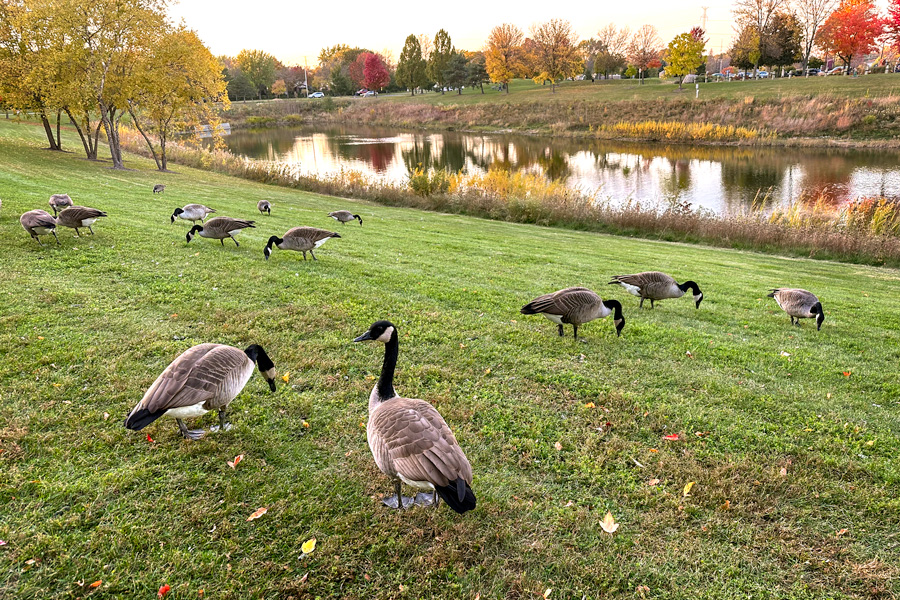
When wildlife populate a place where they are unwanted or cause damage to valuable plants or structures, they become a nuisance. This publication discusses some basic principles for dealing humanely with nuisance wildlife.
|
-
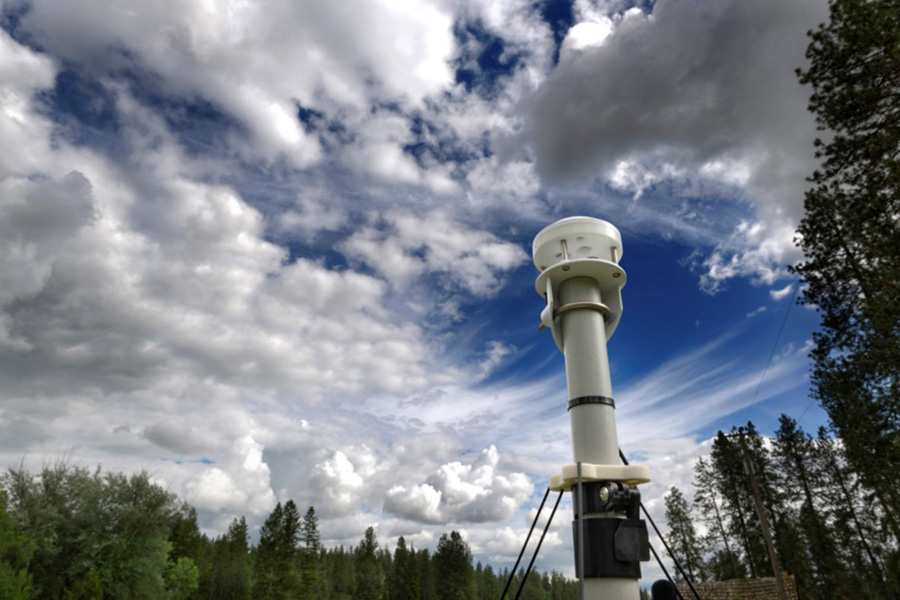
A weather station is a collection of instruments and sensors measuring atmospheric and soil conditions. Commonly measured environmental variables include light, temperature, relative humidity, rain, wind, and soil conditions (soil moisture, soil temperature, and/or soil bulk electrical conductivity). An on-site weather station allows growers to monitor the microclimate in a growing area. Weather conditions can vary over short distances, especially for measurements such as rainfall, which means that off-site measurements—often taken miles away as part of a public weather network—may not be accurate enough for irrigation and/or temperature scheduling purposes. Additionally, cold pockets created by elevation changes can create temperature variability, making local (adjacent to growing areas) weather stations a valuable tool in monitoring and use for irrigation scheduling and freeze protection.
|