Environment Resources
-
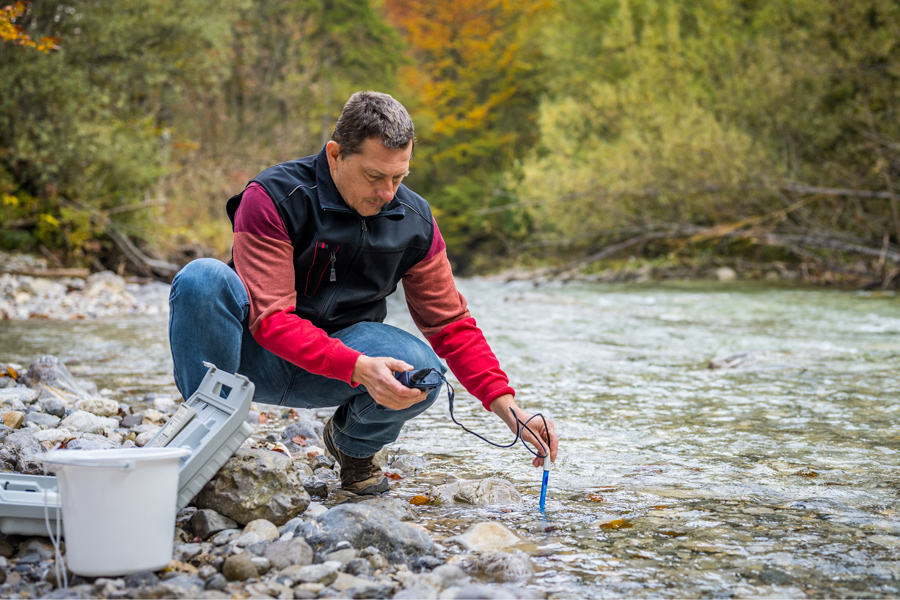
B 1242-2
Total Maximum Daily Loads in Georgia
A total maximum daily load (TMDL) is a calculation of the maximum amount of a pollutant that a water body can receive and still meet water quality standards. This publication contains comprehensive information about total maximum daily loads in Georgia, including their importance and how to establish an implementation plan.
|
-
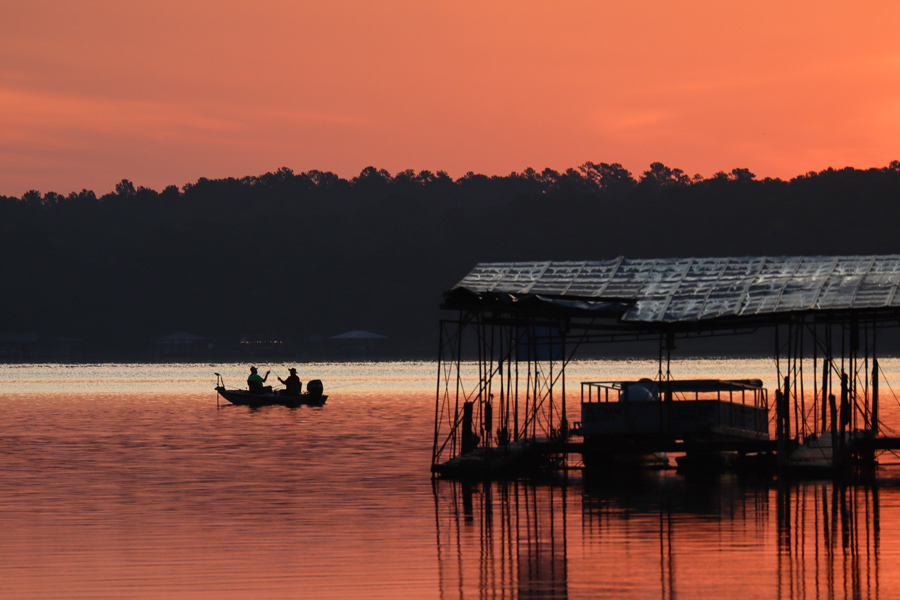
B 1242-3
Georgia’s Water Quality Standards
The Environmental Protection Division (GAEPD) of the Georgia Department of Natural Resources (GADNR) is responsible for setting and enforcing water quality standards. The goals of establishing these standards are to “provide enhancement of water quality and prevention of pollution; to protect the public health or welfare in accordance with the public interest for drinking water supplies, conservation of fish, wildlife, and other beneficial aquatic life, and agricultural, industrial, recreational, and other reasonable and necessary uses and to maintain and improve the biological integrity of the waters of the State.” This publication contains comprehensive information about Georgia’s water quality standards and what the public should know about bodies of water that do not meet these standards.
|
-
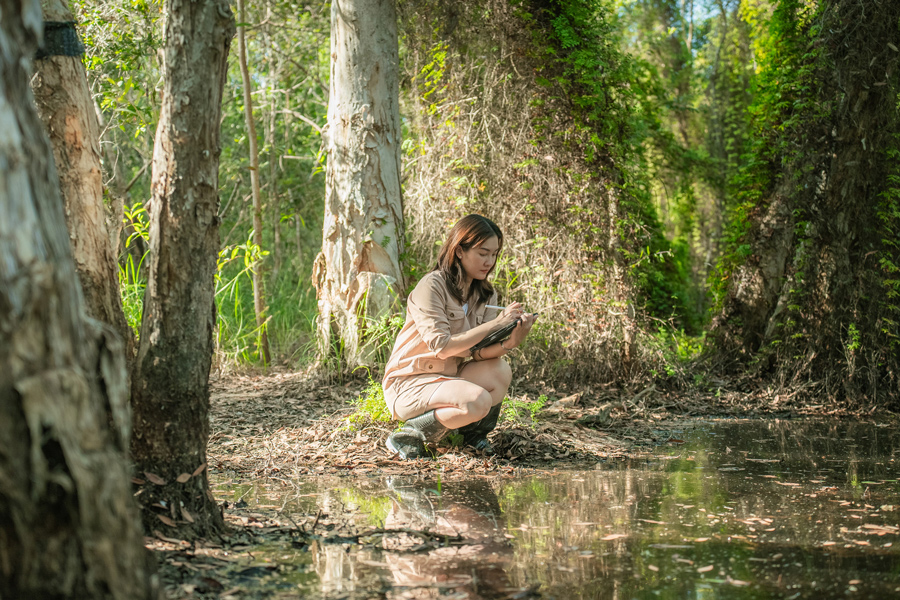
B 1242-1
Watershed Assessment in Georgia
Watershed assessment is the measurement and use of chemical, physical and biological properties to determine the current health of streams. It also can include the use of predictive modeling of watershed conditions and suggests management practices that will maintain and improve the health of a watershed. This publication provides information on the components of a watershed assessment and how to implement these plans.
|
-

On-site wastewater treatment systems provide treatment and ultimate dispersal of wastewater from homes and small businesses. They usually consist of a septic tank, a drain field and the underlying soil. When properly designed, installed and maintained, they are an environmentally benign method to manage household wastewater.
|
-

B 1242-5
Drinking Water Protection in Georgia
Drinking water sources in Georgia (surface and ground water) can be contaminated by landfills and dumps, leaky septic tanks, urban runoff, industry and agricultural operations. The state of Georgia has implemented two programs designed to identify potential sources of pollution and protect drinking water sources.
|
-

B 1242-7
Bacterial Source Tracking (BST)
Fecal contamination of water impacts many regions of the U.S. and may carry risks to human health. When a water body fails to meet water quality standards for fecal bacteria, the Federal Clean Water Act requires a Total Maximum Daily Load analysis to establish how many bacteria are in the water, the sources of bacteria and whether the contamination varies seasonally. If all the point sources of contamination are acknowledged and there is still a bacterial problem, it may be time to try additional source identification tools, such as Bacterial Source Tracking.
|
-
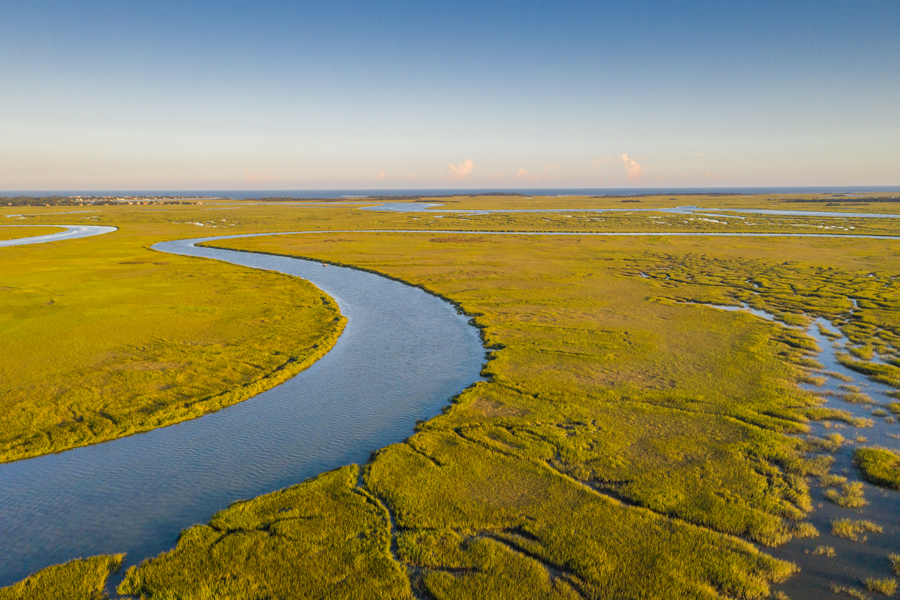
Since only a small amount of water is available for human use, this publication was written to provide a broad-based discussion of how to protect our surface water resources.
|
-
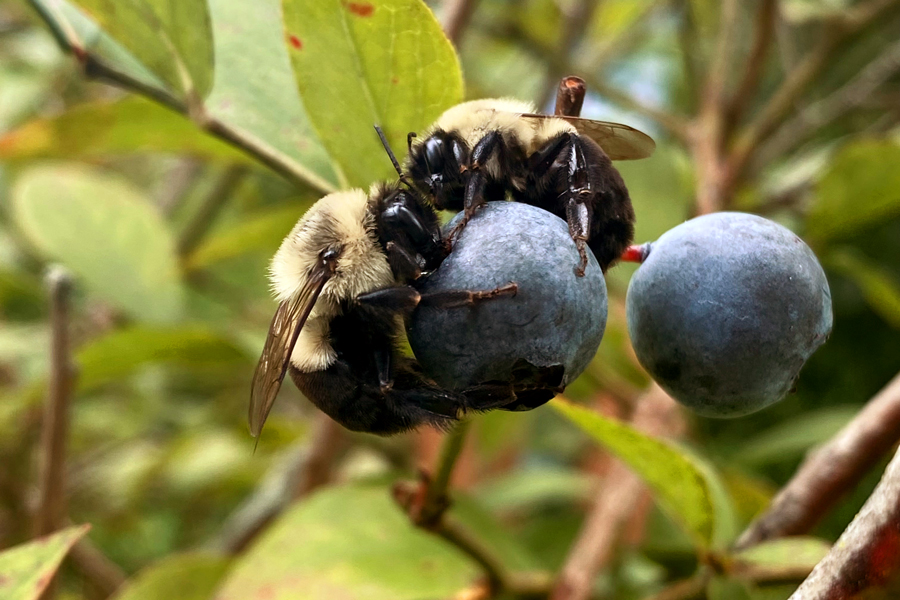
Esta guía muestra las abejas silvestres más comunes de las plantaciones de arándanos en el sur de Georgia. El material presentado aquí es un resumen visual del muestreo de 2021 y 2022 en campos comerciales de arándanos de los condados productores más importantes: Bacon, Pierce y Ware. En total, se encontraron más de 70 especies de abejas. La contribución de las abejas silvestres a la polinización de los arándanos es cada vez más reconocida. La identificación adecuada de estos insectos en el campo es una parte fundamental de los esfuerzos de conservación.
|
-

Wildflowers not only beautify the landscape but also provide food and shelter for myriad insects, birds, and mammals. Georgia is rich in endemic (belonging in a particular area or environment) species which grow in a wide variety of habitats, from coastal dunes and pine sandhills to savannas, meadows, and forests. Although many species are primarily seen in undisturbed natural habitats, others have adapted to human-created landscapes, such as roadsides and farms, and are frequently seen on road banks and edge habitats. This publication is intended as a visual guide to common herbaceous plants encountered mainly in sunny areas in South Georgia. Although by no means inclusive or extensive, the list contains plants that are easy to recognize and valuable for wildlife.
|