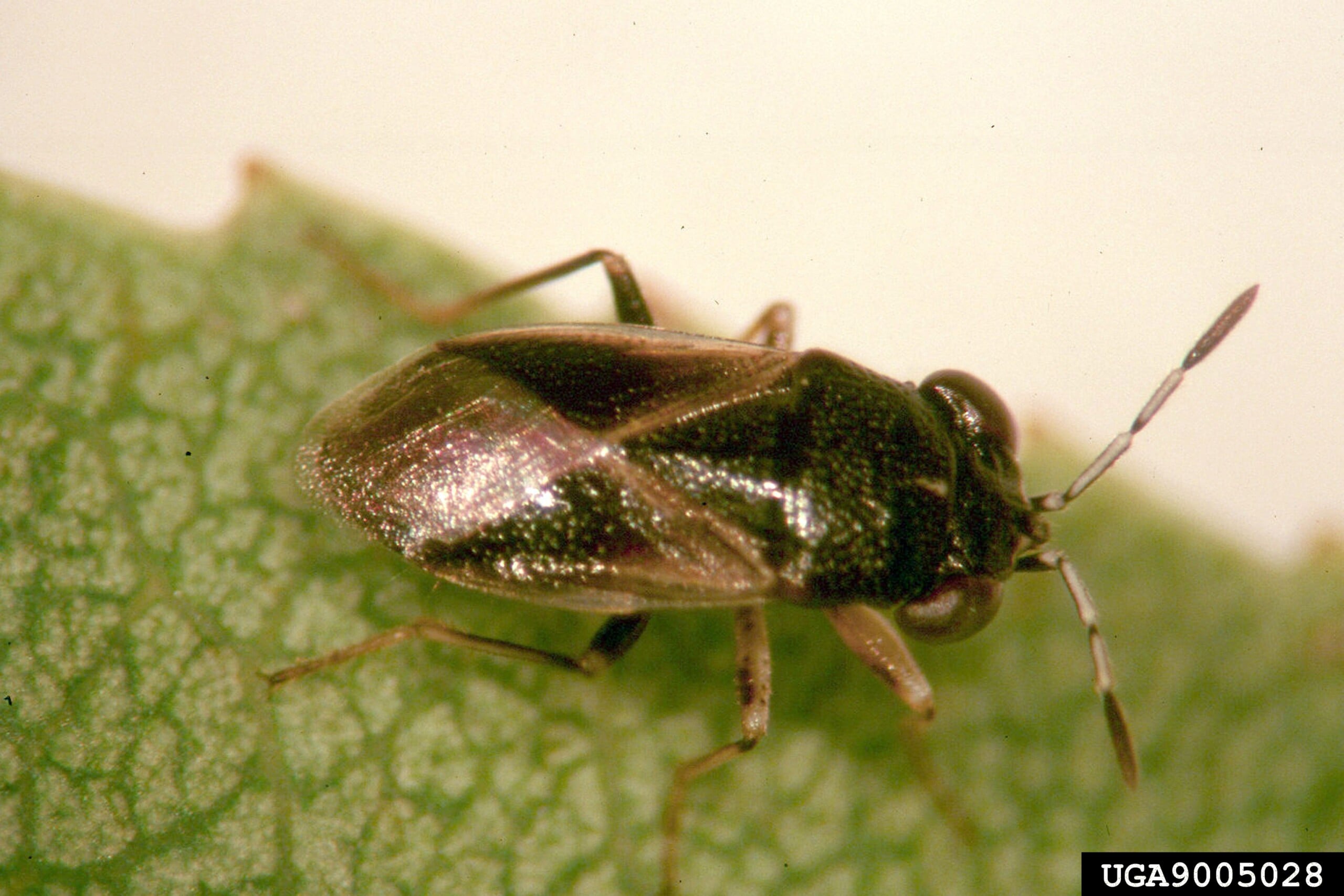
In a world where insects outnumber humans by about 1.4 billion to one, entomologists help all of us make sense of the multitude of flies, beetles and other insects we share our lives every day.
In the Department of Entomology at the University of Georgia College of Agricultural and Environmental Sciences (CAES), five junior faculty members who have joined the team over the last few years are bringing new scholarship on insects and the roles they play in keeping our ecosystems running smoothly. A common thread in the personal stories that led them to their careers is an early interest and excitement about the bugs that many of their peers found disturbing.

Andrew Gloss, assistant professor of entomology
“If you asked my parents, they’d say I was born with an interest in entomology: It took me hours to walk around the block as a toddler because I’d have to stop and inspect every insect I encountered! I was fascinated with the diversity of insects — not just their different forms, but all the different things they do,” Gloss said.
After earning a bachelor’s degree in biology from the University of Notre Dame and a doctorate in ecology and evolutionary biology at the University of Arizona, Gloss completed postdoctoral fellowships at the University of Chicago and New York University before joining UGA to explore how insects adapt to feeding on living plants. His work investigates the genetic and developmental changes that enable herbivory, including studies on a fly that evolved new “teeth” to chew leaves, a transformation that allowed it to feed in ways previously impossible.
Gloss’ research reveals the impressive adaptability of insects and has practical applications. Understanding the genes that allow insects to shift diets could help us understand new pest control strategies and even shed light on the connection between diet and health, leading to breakthroughs across a variety of industries.
“Insects always find ways to be successful, even if it’s not how you’d expect them to! With all we’ve learned about how these insects’ genes adapted to become herbivores, we’re excited to keep digging into what these genes are doing,” Gloss said.

Shayla Salzman, assistant professor of entomology
“Insects run the world, and we need them for just about everything from food production to nutrient recycling. Any new insight into their biology, ecology or evolution can only better prepare us for the future,” said Shayla Salzman, whose career grew from hands-on experience with small organic farms and integrated pest management. Today, Salzman studies the chemical signals that control plant-insect interactions, a field known as chemical ecology. She joined UGA in 2023 to investigate pollination signaling, with an emphasis on conserving threatened plants like cycads. Her research focuses on understanding the ways insects communicate with plants and one another, and how these interactions affect ecosystems.
Salzman’s long-standing work on cycad pollination contributed to a recent study published in Science, which showed that some ancient plants rely on heat rather than color or fragrance to signal beetle pollinators. As one of a few researchers in the U.S. studying cycad pollination, Salzman continues to build on her previous work, examining how insects integrate scent, humidity and temperature in plant–insect relationships that existed long before flowers evolved.
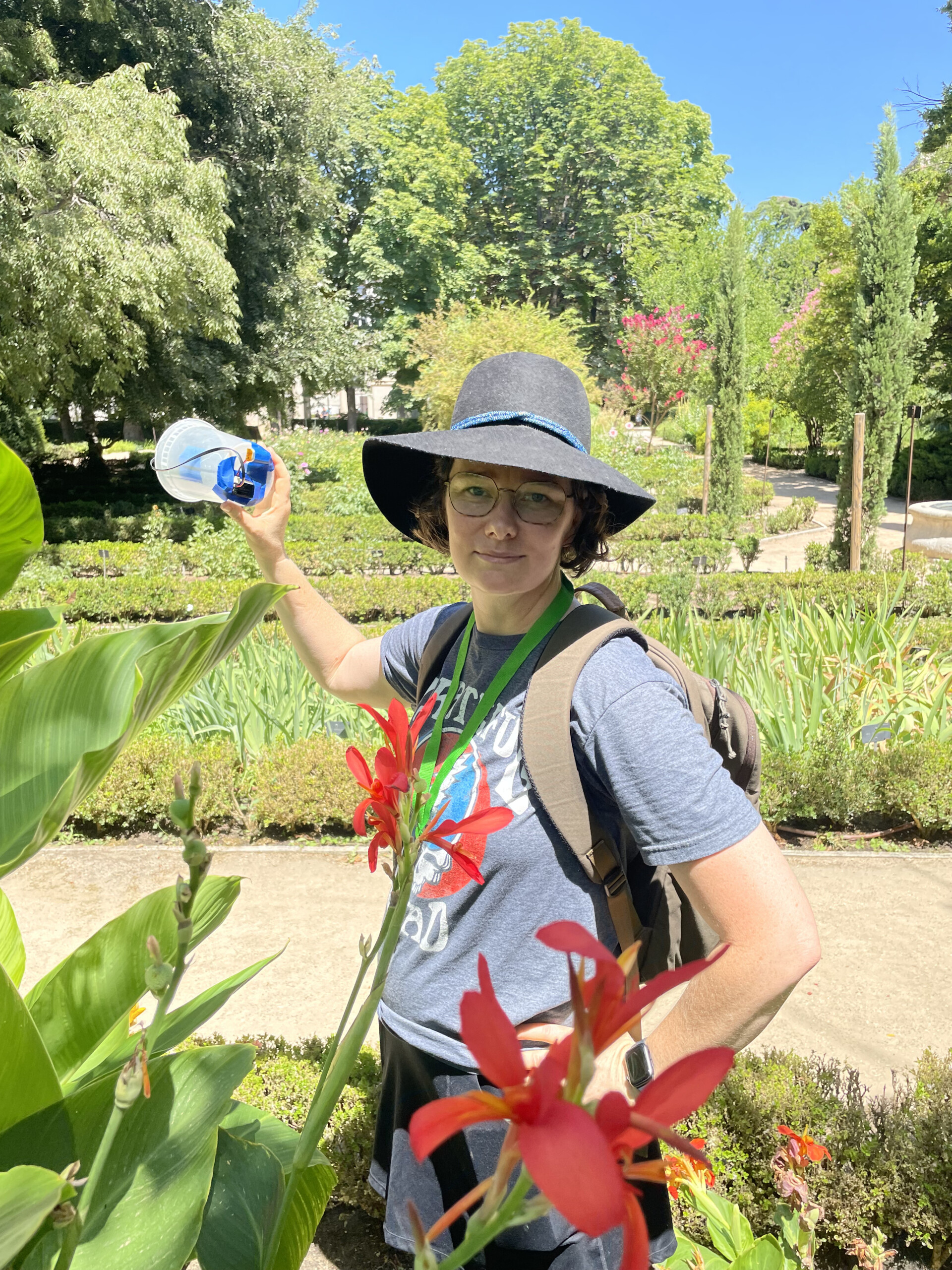

When considering why people are so bugged by insects, Salzman points out that our small compatriots on the planet are just doing their jobs, with little to no consideration for humans. She encourages people to observe insect behavior closely, noting that “99.9% of the time, they aren’t even paying attention to you, but watching them can feel like your own miniature nature documentary.” Salzman emphasizes curiosity and creativity in her teaching, inspiring students to explore the fascinating complexities of insect life.

Saumik Basu, assistant professor of entomology
For Saumik Basu, an interest in insects began in his childhood in eastern India, where agriculture was a defining part of the local community. “From my childhood I had a fascination with different insects and was also intrigued by their beauty and diversity,” Basu said. “As I got older, I understood their significance in maintaining ecosystem balance and environmental health through their roles in pollination, plant damage, disease transmission and more. I wanted to find better management solutions for devastating pests, which cause huge economic loss and misery to farmers.”
This fascination has led to a career in integrated pest management, where Basu’s lab develops pest management strategies for vegetable crops in south Georgia, which is a powerhouse of vegetable production. His lab’s goals are understanding major pests of vegetable crops, studying the molecular and chemical ecology of ecosystem interactions, and developing solutions for crop pests and vector-transmitted pathogens.

“Entomology is central to food security, ecological balance and even mitigations of environmental fluctuations,” Basu said. His lab explores genetic diversity in insect populations and how this affects disease transmission, providing practical tools for growers. In the classroom, he emphasizes hands-on learning, encouraging students to connect with insects through real-world research.

Erich Schoeller, assistant professor of entomology
Erich Schoeller can remember spending hours in fields with a sweep net as a child, catching and examining a wide variety of insects. A career in entomology followed the natural path of his fascination, and today his research focuses on pest management in controlled environment agriculture, such as greenhouses and vertical farms. Schoeller’s work examines biological control agents and other sustainable approaches to control insect and mite pests that threaten food crops and ornamentals in controlled-environment operations.
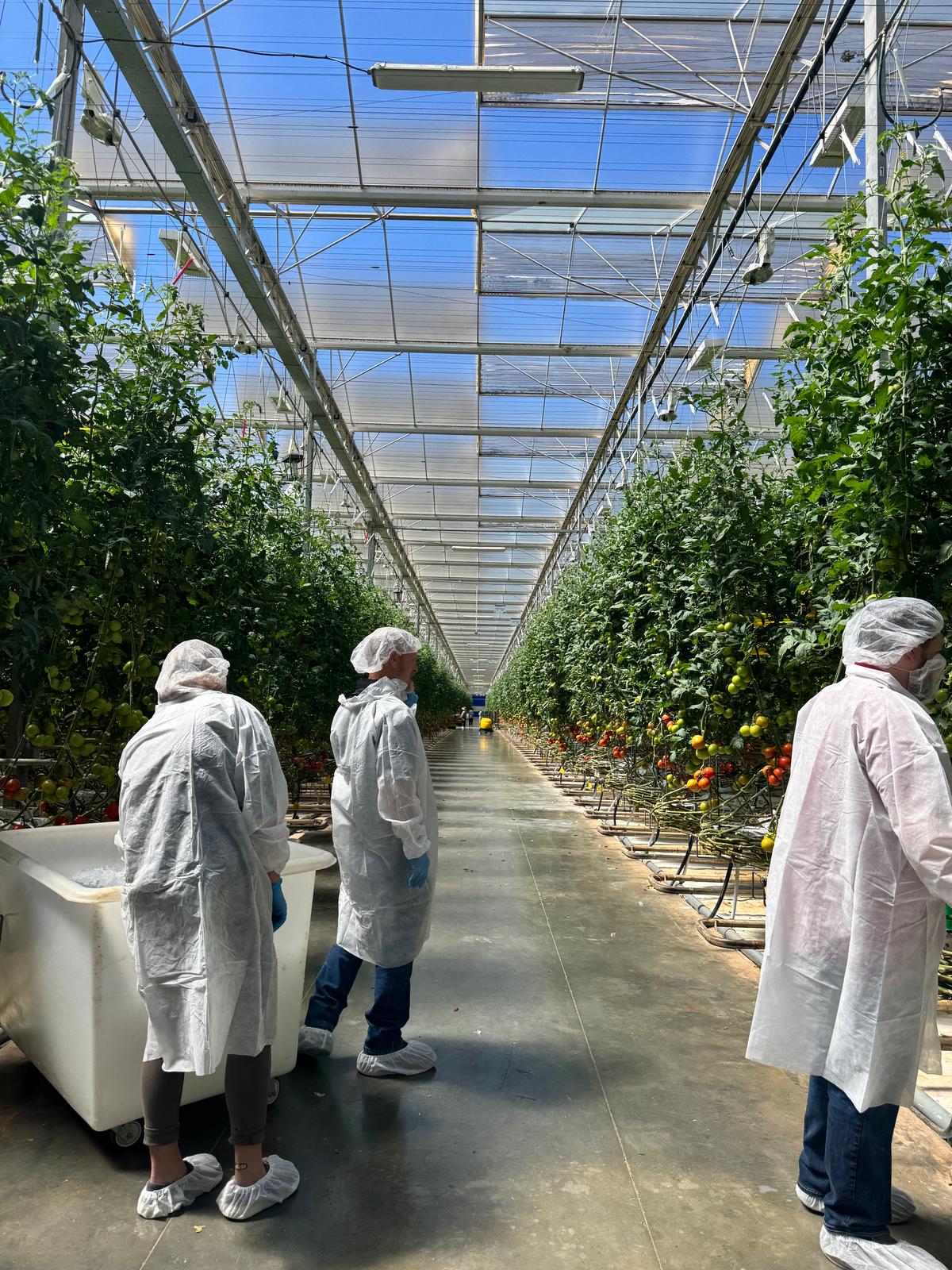
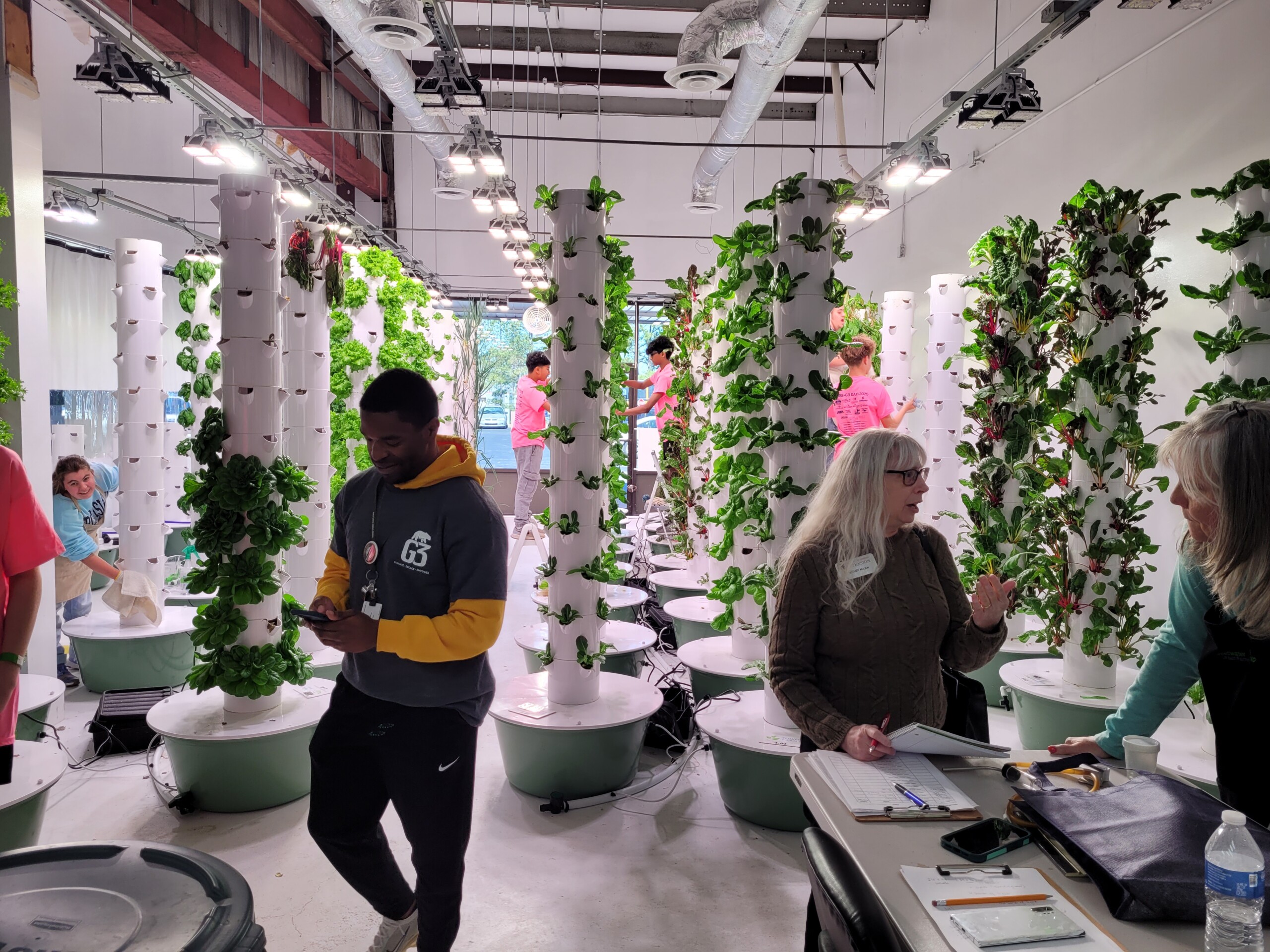
One of Schoeller’s current projects explores how different wavelengths of supplemental LED lighting, which is commonly used to boost plant growth, can also influence insect behavior. By understanding insects’ responses to light, his team hopes to develop innovative strategies for pest management. “Better pest management reduces resource use, improves food safety and can help mitigate climate change,” he explained. Schoeller encourages students to gain hands-on experience and explore the many disciplines within entomology, from taxonomy to crop protection. His favorite insects are parasitic wasps, which he admires for their complex life histories and adaptations.
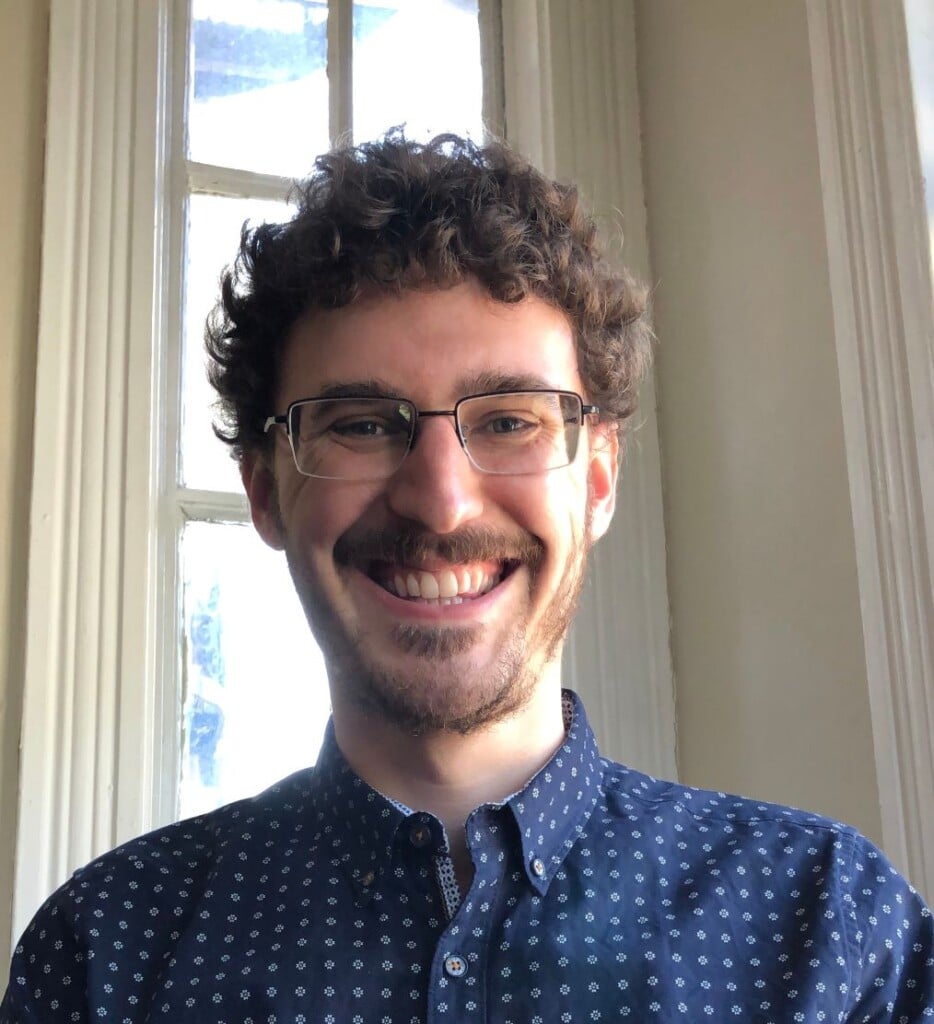
Buck Trible, assistant professor of entomology
A high-school assignment to build an insect collection led Buck Trible to undergraduate research at UGA, fostering his now career-long fascination with ants. While Trible was an ecology undergraduate at UGA, his work was featured in UGA Today, where he stated his hope to pursue a career in research science.
His dream of becoming a career scientist now a reality, Trible is still learning about the same insect he began studying more than 15 years ago. He investigates ant genetics and evolution to better understand their social behavior and ecological variation, turning “biology problems” into “genetics problems,” thus making them easier to solve.
“There’s a sense in which ants are the best model system in biology for ‘natural history variation.’ If you’d like to understand how a species can change from one lifestyle to another, ants are an ideal place to look,” he said.
His research also examines invasive species, such as the Asian needle ant, to understand how certain species thrive as pests, particularly in Georgia. Trible’s findings have broader implications, with potential connections to neuroplasticity, organ development and perhaps even human disease. He emphasizes the relevance of insects to global challenges like biodiversity loss and climate change, and he encourages students to appreciate both the scientific and ecological importance of insects.
A growing department with expanding horizons
These five early-career faculty members enrich the CAES Department of Entomology with diverse research interests, from fundamental biology and genetics to applied pest management and conservation.
Their work demonstrates the remarkable adaptability, ecological importance and sheer diversity of insects. Together, they continue to advance scientific understanding while training the next generation of entomologists who will tackle global challenges in food security, ecosystem health and sustainability.