Takeaways
- Georgia’s next ag leaders go global: The Advancing Georgia’s Leaders in Agriculture, Forestry, and Veterinary Medicine
(AGL) Class of 2025–26 will travel to Italy in April 2026 for a 10-day international field study exploring leadership, sustainability and global food systems. - Learning from Europe’s sustainability policies: During the tour, participants will study the European Union Deforestation Regulation (EUDR) and its impact on global agricultural trade, gaining insight into how Georgia producers can align with EU sustainability standards.
- Connecting Georgia to global agriculture: Through hands-on experiences with Italian farmers, researchers and agribusinesses, the AGL cohort will strengthen international partnerships and bring home new ideas for innovation, conservation and market growth.
Rolling vineyards, olive groves and centuries of agricultural tradition will set the backdrop for a transformative journey abroad for members of the Advancing Georgia’s Leaders in Agriculture, Forestry, and Veterinary Medicine
(AGL) program.
In April 2026, the class of 2025–26 will travel to Italy on a 10‑day international field study tour, a collaboration between University of Georgia Cooperative Extension, the Office of International Programs at the College of Agricultural and Environmental Sciences (CAES), and UGA Cortona.
The trip is designed to immerse Georgia’s next generation of agriculture leaders in the heritage and innovation of Italian farming while expanding their perspectives on leadership, global food systems, agricultural policy and sustainable production.

A classroom without walls
For the group, Italy will be more than a destination — it will be a living classroom. The trip’s curriculum will include a visit to the University of Padova in Padua, Italy, where CAES offers a joint master’s degree in crop and soil sciences. There participants will engage with faculty and students, examine agricultural policy, and explore advances in sustainable production, soil management, and specialty crop innovation.
As part of the study tour in 2026, the cohort will examine how European policies such as the European Union Deforestation Regulation (EUDR) are reshaping global agricultural trade. The EU is the world’s largest market for farm and forest products, and Georgia producers who want to expand exports must understand and align with its sustainability standards, said Lauren Ledbetter Griffeth, Extension leadership specialist in the Office of Learning and Organizational Development.






Understanding overseas markets
Set to take effect in December 2025, the EUDR requires proof that seven commodities — palm oil, cattle, soy, coffee, cocoa, timber and rubber — and all products made from them are deforestation-free. Producers must provide geolocation data showing that raw materials were not grown or harvested on land cleared after Dec. 31, 2020.
The policy is already affecting operations in Georgia. Farmers who clear land to expand may find that timber from that land cannot be sold to mills exporting to Europe. Because Italy imports about 80% of its wood, and Germany and France are also major importers, understanding EUDR will help Georgia leaders strengthen trade relationships and communicate the state’s commitment to conservation and sustainable production.
Beyond the university, the itinerary includes tours of production agriculture operations, traditional orchards and specialty agri‑food enterprises, offering first‑hand insight into how Italian farmers blend time‑honored practices with cutting‑edge technology to produce food that feeds both local communities and the global marketplace.
Lessons from Scotland, inspiration for Italy
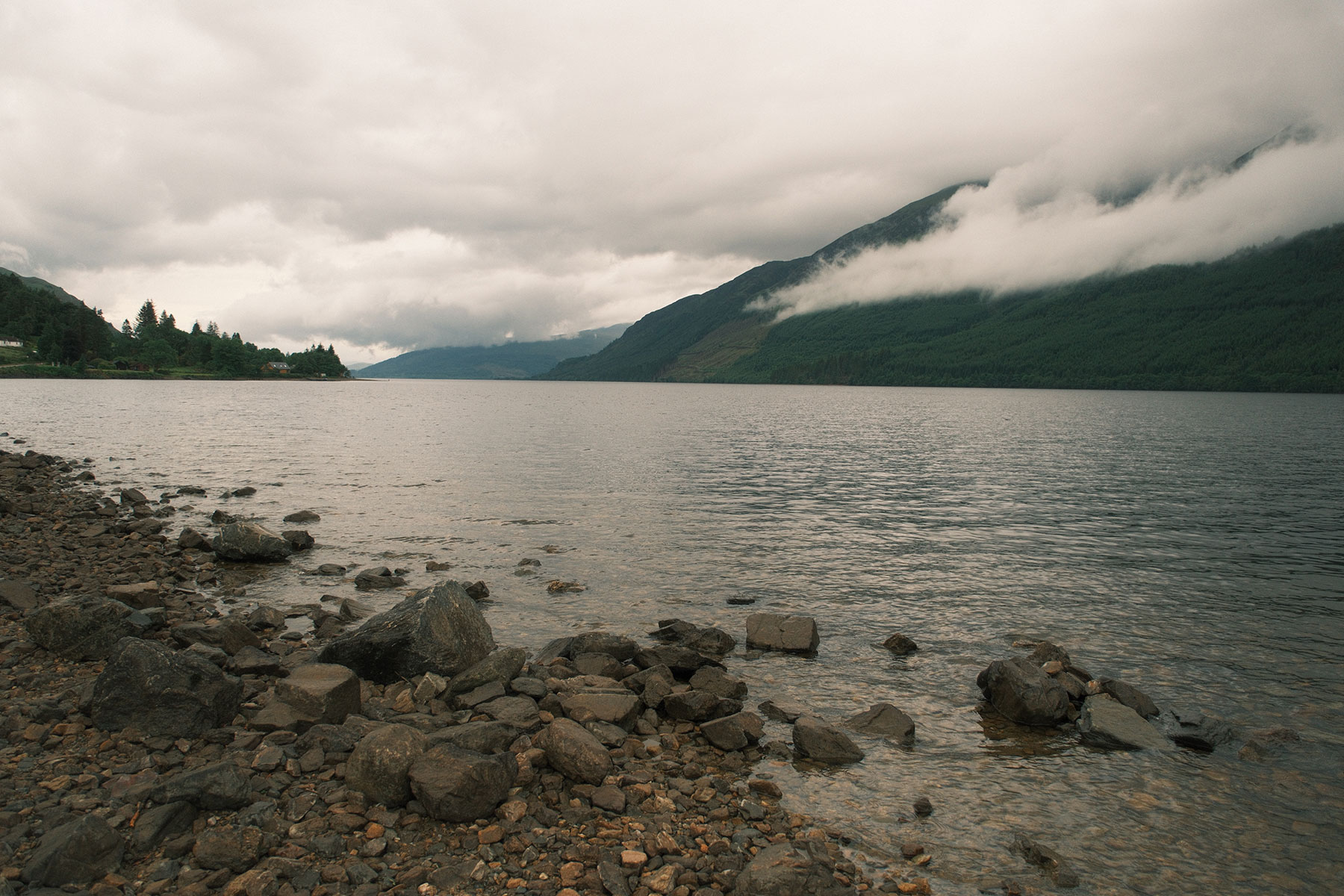
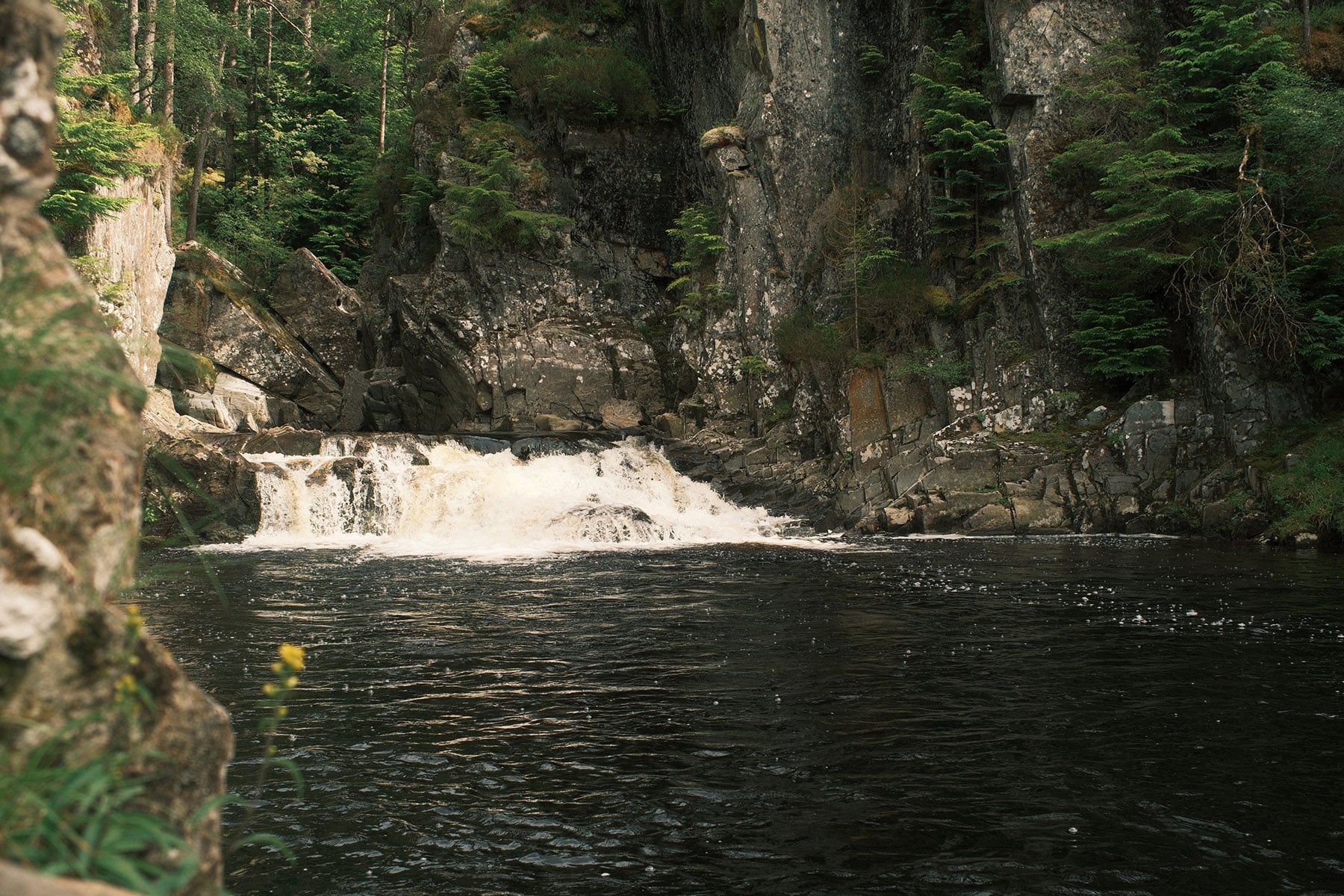
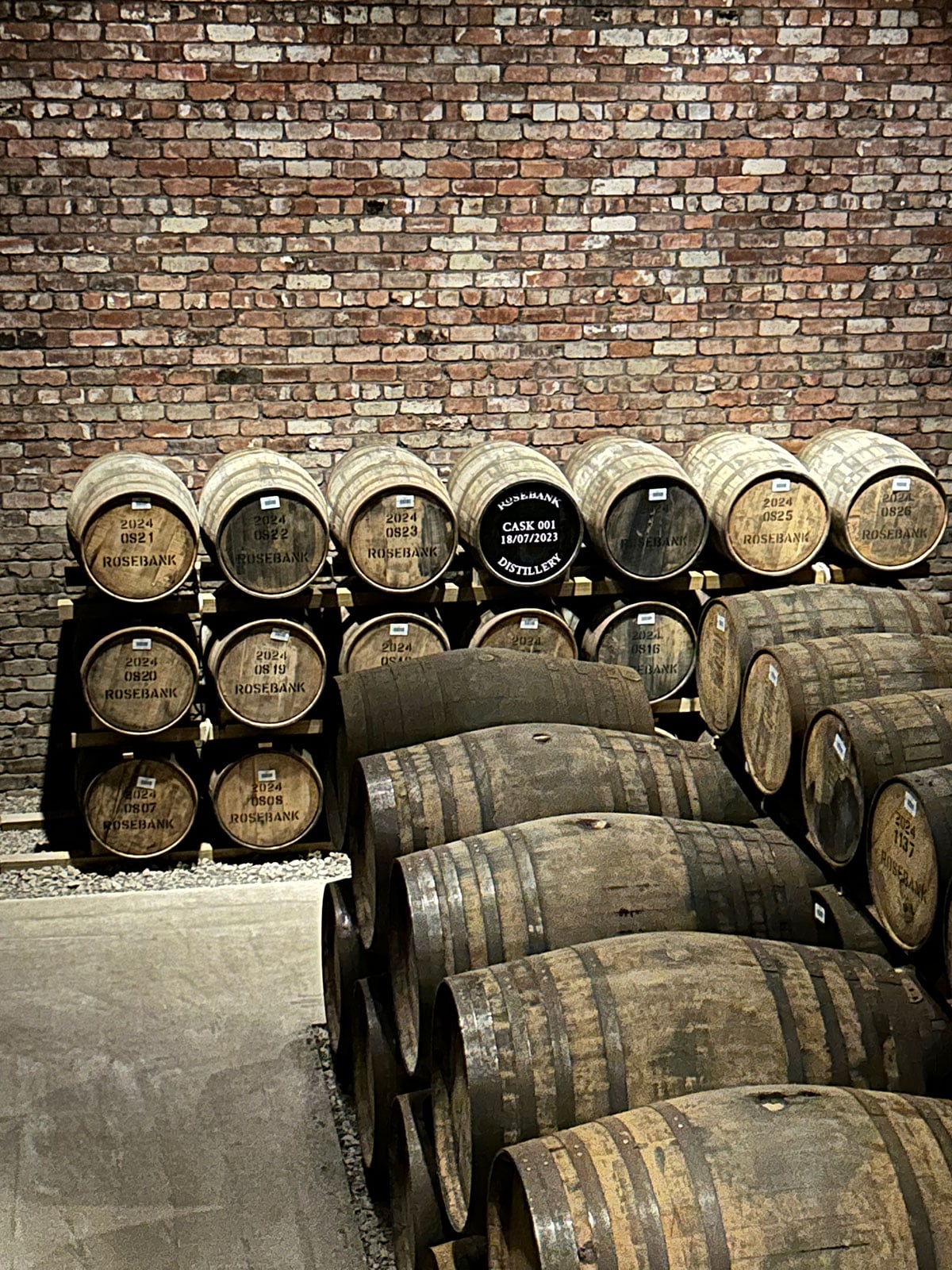
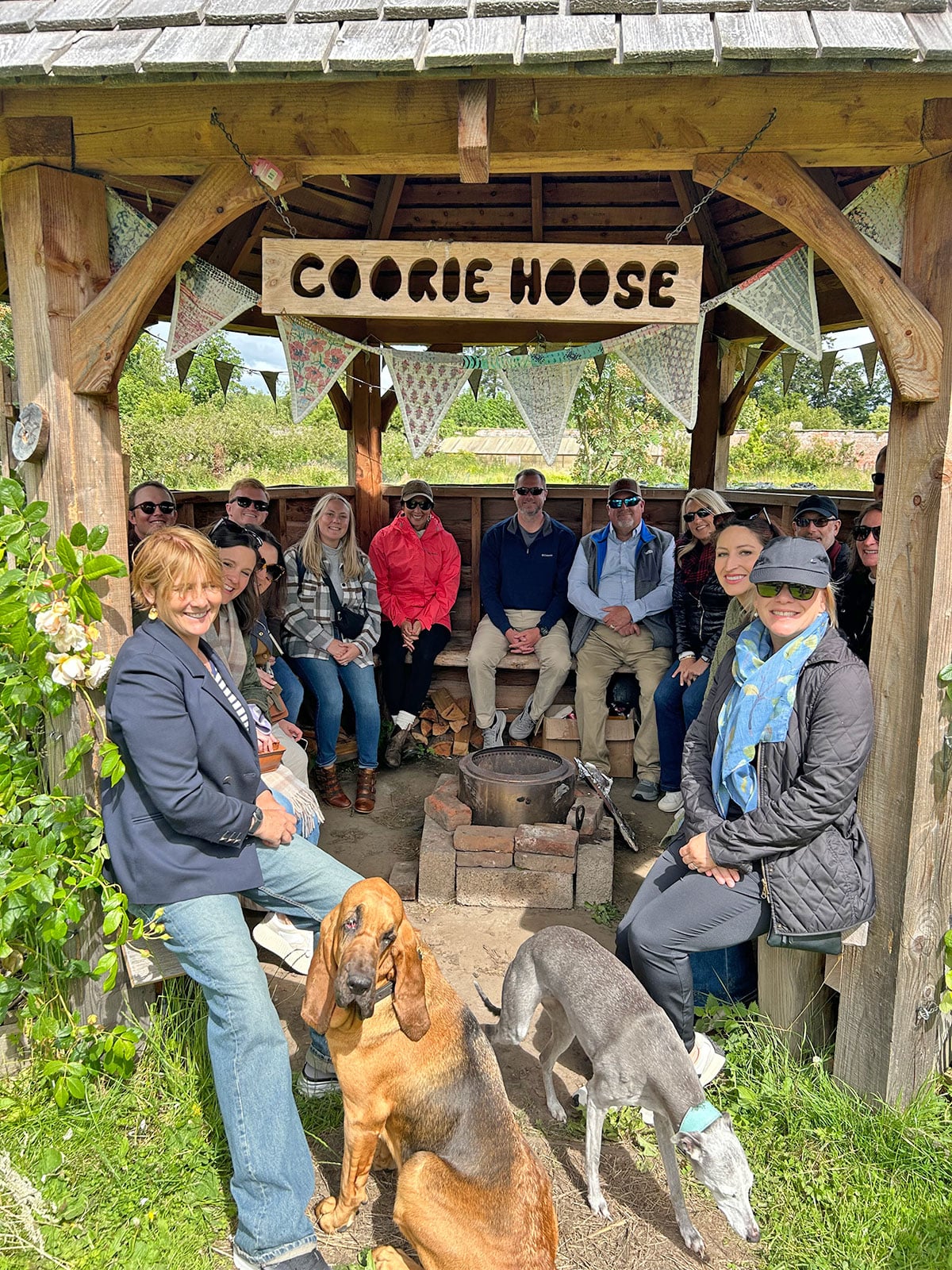
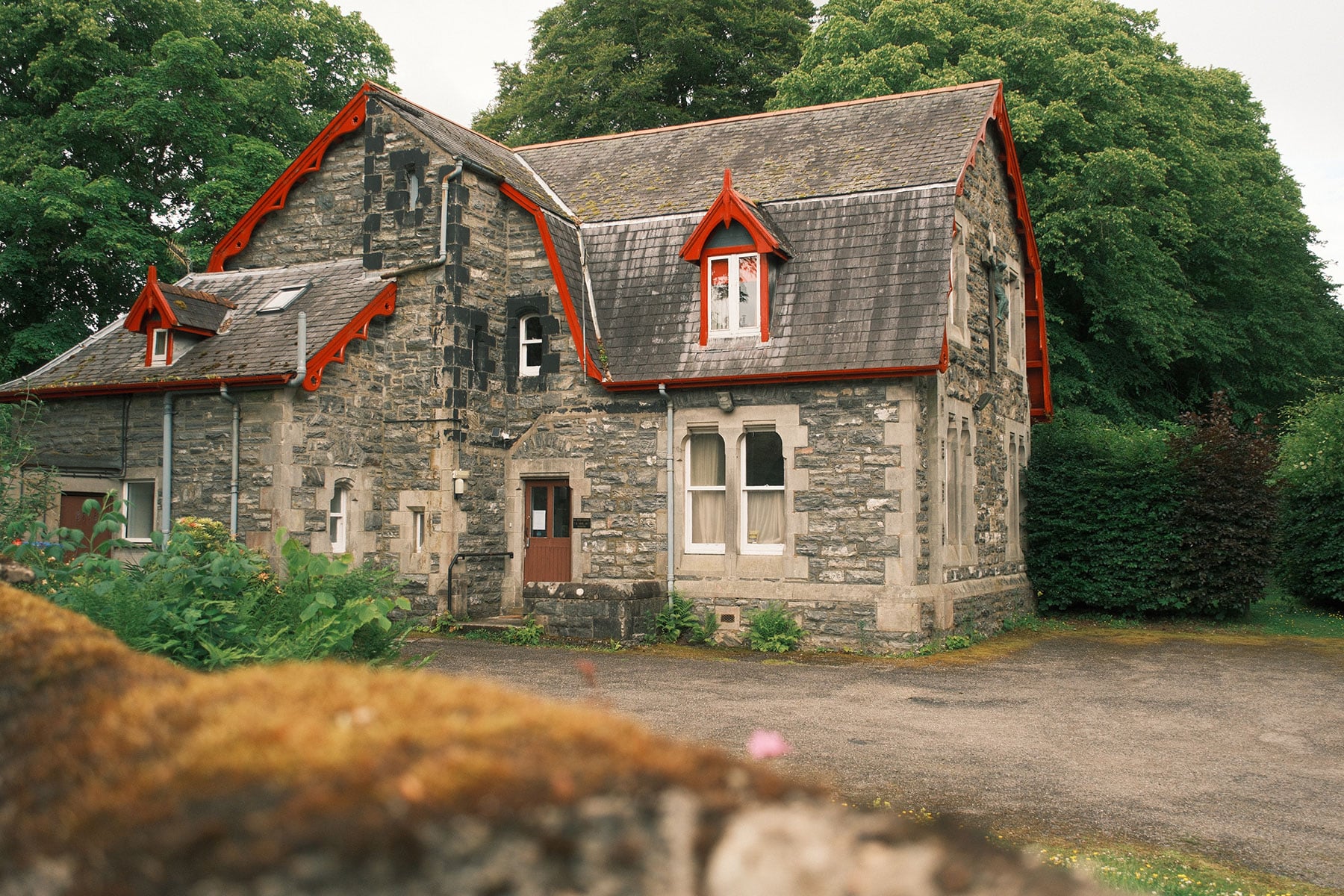
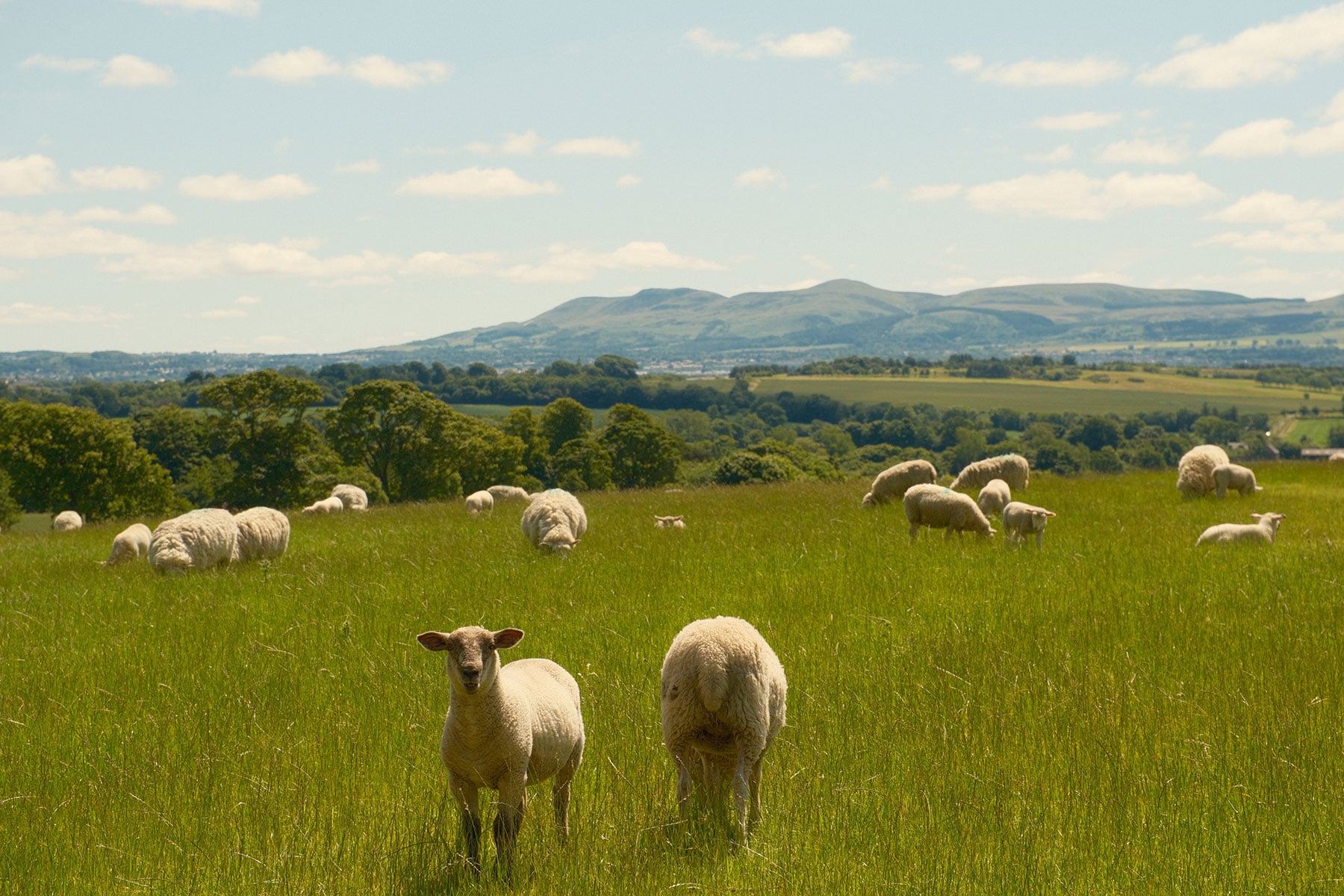
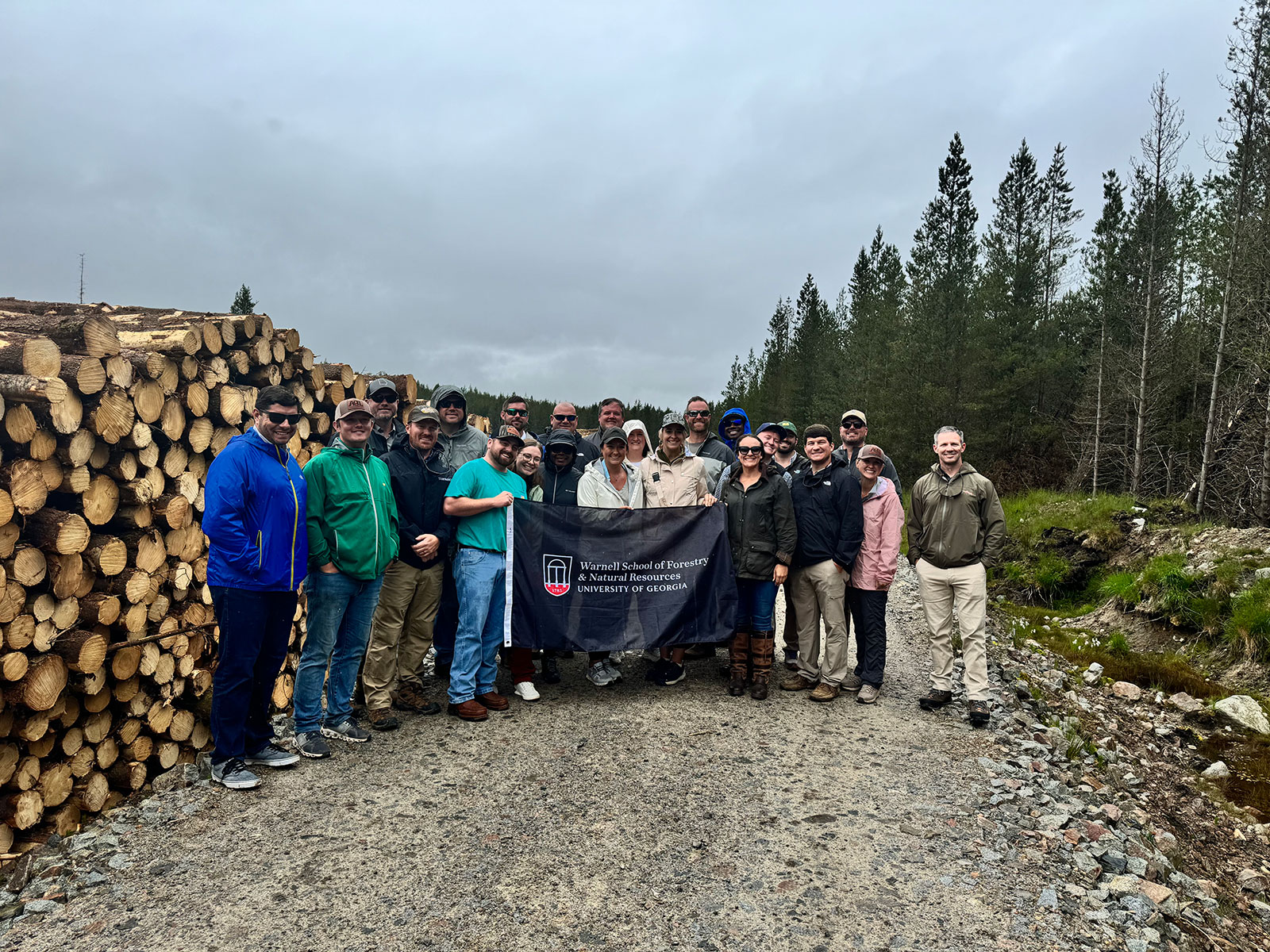
The trip builds on the success of the AGL Class of 2022–24’s summer 2024 journey to Scotland, which immersed participants in a blend of culture, heritage and innovation. Green hills, ancient castles and windswept coastlines framed the Scottish experience, giving the group perspective on how agriculture and forestry flourish across borders.
For AGL participants, the Scotland trip offered the opportunity to connect Georgia agriculture to a wider world while building professional networks and understanding new approaches to production and sustainability.
The Italy trip offers a similar promise, giving participants the chance to examine how centuries of tradition combine with modern innovation in a new cultural and agricultural setting.




Building bridges across borders
For the AGL program, international study is more than travel — it is an investment in leadership. For participants, the Scotland trip was not just a cultural experience but a chance to see agriculture and forestry through a new lens — one that connected Georgia’s largest industry with global markets, shared challenges and new opportunities for leadership.
The delegation’s visit coincided with the Royal Highland Show in Edinburgh; the largest livestock show in the United Kingdom. For Rawley Hicks, product manager at AGCO Corp., the event was a highlight.
“The Royal Highland Show was one of my most memorable experiences,” Hicks said. “We were able to see livestock, all types of farm machinery, forestry products and even meet with the Scottish Rural Leaders at a reception. I spoke about our experiences from AGL and how we hoped to learn from their members. It was an incredible exchange of ideas.”
For Hicks, whose career focuses on developing technology platforms for tractors and large-scale farming, the visit to Scotland was also a reminder of the importance of staying grounded in Georgia’s own diverse agricultural economy. “My AGL experience has helped me broaden my view of agriculture, both at home and abroad,” he said.
Innovation in unexpected places
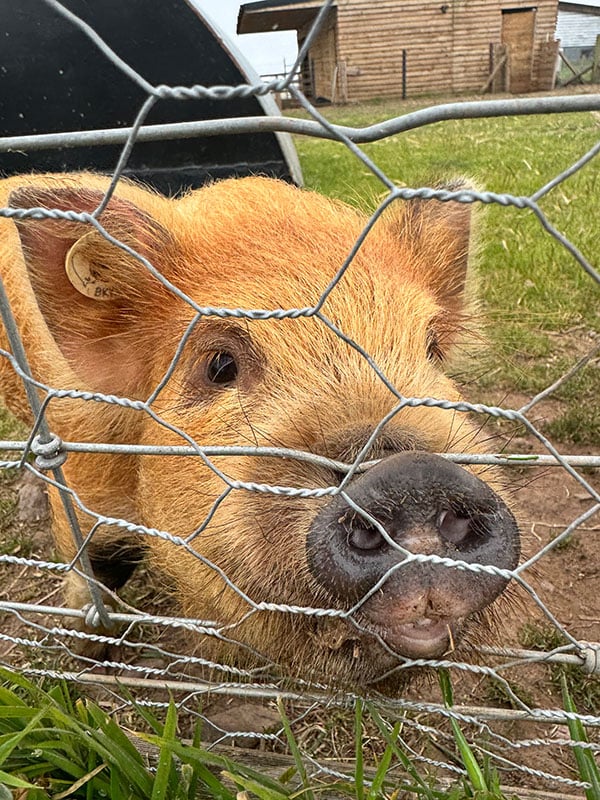
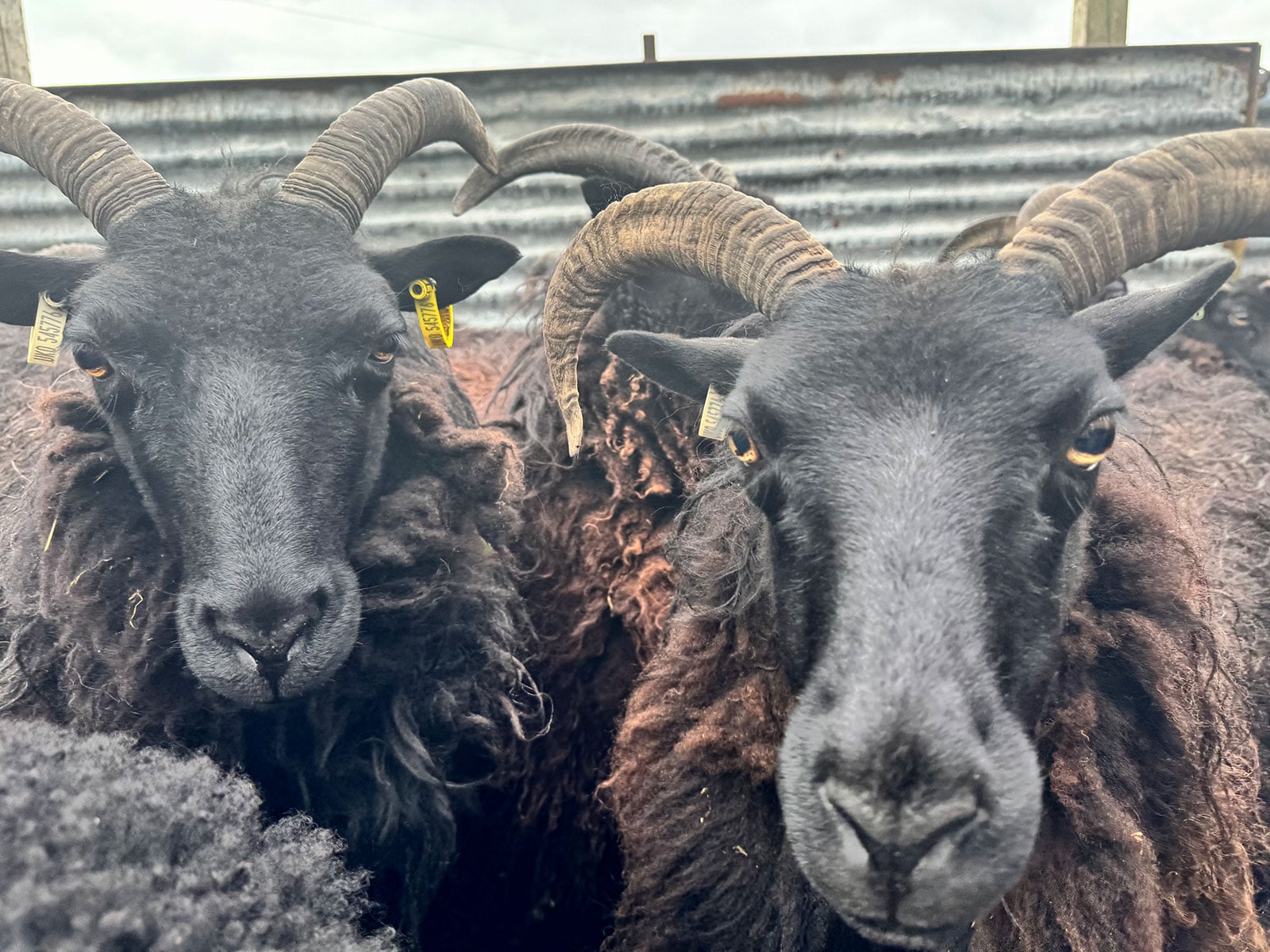
Scotland’s farming communities offered the group a close look at how producers are adapting to modern challenges while honoring centuries-old traditions. One of the most memorable stops was Upper Dysart Larder, a family-run farm and agritourism enterprise owned by Andrew Stirling.
Stirling’s operation not only grows and processes potatoes but markets them as “Scotland’s Tastiest Tatties” directly to consumers in creative ways. His 24-hour self-serve vending machines allow customers to buy fresh produce and even take-and-bake meals at their convenience.
“He was a perfect example of how sometimes, to keep the family farm running, you have to be willing to think outside the box and take exceptional risks,” said Whitney Murphy, a CAES alumnus who is the crop protection territory manager for Corteva Agriscience.
Murphy recalled the group’s visit to Drift Café, perched on seaside cliffs overlooking the North Sea. Owners Jo and Stewart McNicol transformed a shipping container into a thriving café, sourcing local ingredients and creating a dining destination that blends hospitality with agricultural advocacy.
“It became apparent during our trip that one thing is universally true,” Murphy said. “You cannot work in agriculture and forestry unless you are truly passionate about it and love it.”

History meets heritage
For some participants, Scotland’s history was as captivating as its agriculture. Robert McLeod, a manager for Lasseter Tractor Company in Unadilla, Georgia, described the country as both majestic and deeply connected to his own heritage.
“The scenery and greenery, I would describe as majestic,” McLeod said. “AGL opened up Scotland in a whole new way. We met my favorite type of people — the ones who grow our food and fiber. And where else do you get to meet an apple grower who lives in a castle?”
McLeod, a 2010 CAES alumnus who works in south Georgia’s agricultural equipment business, said the program gave him a renewed sense of passion for the industry.
“AGL showed me how powerful it is to see other people’s passion,” he said. “It’s inspiring to come home and apply those lessons to my own work.”





Lessons beyond the farm
While the trip was filled with farm visits and agricultural showcases, it also reinforced the leadership lessons that form the heart of the AGL program. For Murphy, one of the most important takeaways was the global nature of advocacy.
“I see it as a personal responsibility to be a good ‘agvocate’ because of my background and the fact that I didn’t necessarily grow up in agriculture or forestry,” she said. “The key to being a good advocate is a willingness to listen and a willingness to learn from others. This trip reinforced that truth — whether in Georgia or Scotland, our industries depend on people willing to tell their stories.”
Hicks agreed, noting that the Scotland trip deepened the sense of community within the AGL class itself. “We started this program as individuals, but over time — and especially on this trip — we became a family,” he said.



A global perspective for Georgia agriculture
The Scotland journey was a culmination of two years of growth, study and leadership training for the AGL Class of 2022-24. By experiencing agriculture and forestry in a different cultural and economic context, participants returned to Georgia with new insights into how innovation, tradition and leadership intersect across borders.
“This trip showed us that no matter where you are in the world, agriculture and forestry demand resilience, creativity and heart,” Murphy said. “That’s what unites us — and what AGL is all about.”
For Georgia agriculture, the benefits of such international experiences are clear. They broaden perspectives, spark innovation and build connections that transcend borders.
CAES Dean and Director Nick T. Place emphasizes that leadership in agriculture requires understanding the global context of production and markets. “This trip to Italy gives our future leaders that perspective,” Place said. “It is an opportunity to learn, to grow and to return home ready to lead with vision.”
Whether at home in Georgia or in locations around the world, the Advancing Georgia’s Leaders program continues to prove that leadership knows no borders and that true growth comes from seeing the world through many lenses.