Growing value with cut flowers
UGA helps Georgia growers make the most of every acre
On a quarter-acre lot in a growing city, a small farm can’t compete with a six-story building.
Land and water are expensive, input costs are at record highs, and development pressure is constant. To survive, a farm that small has to make every square foot pay.
Cut flowers are among the strongest contenders.
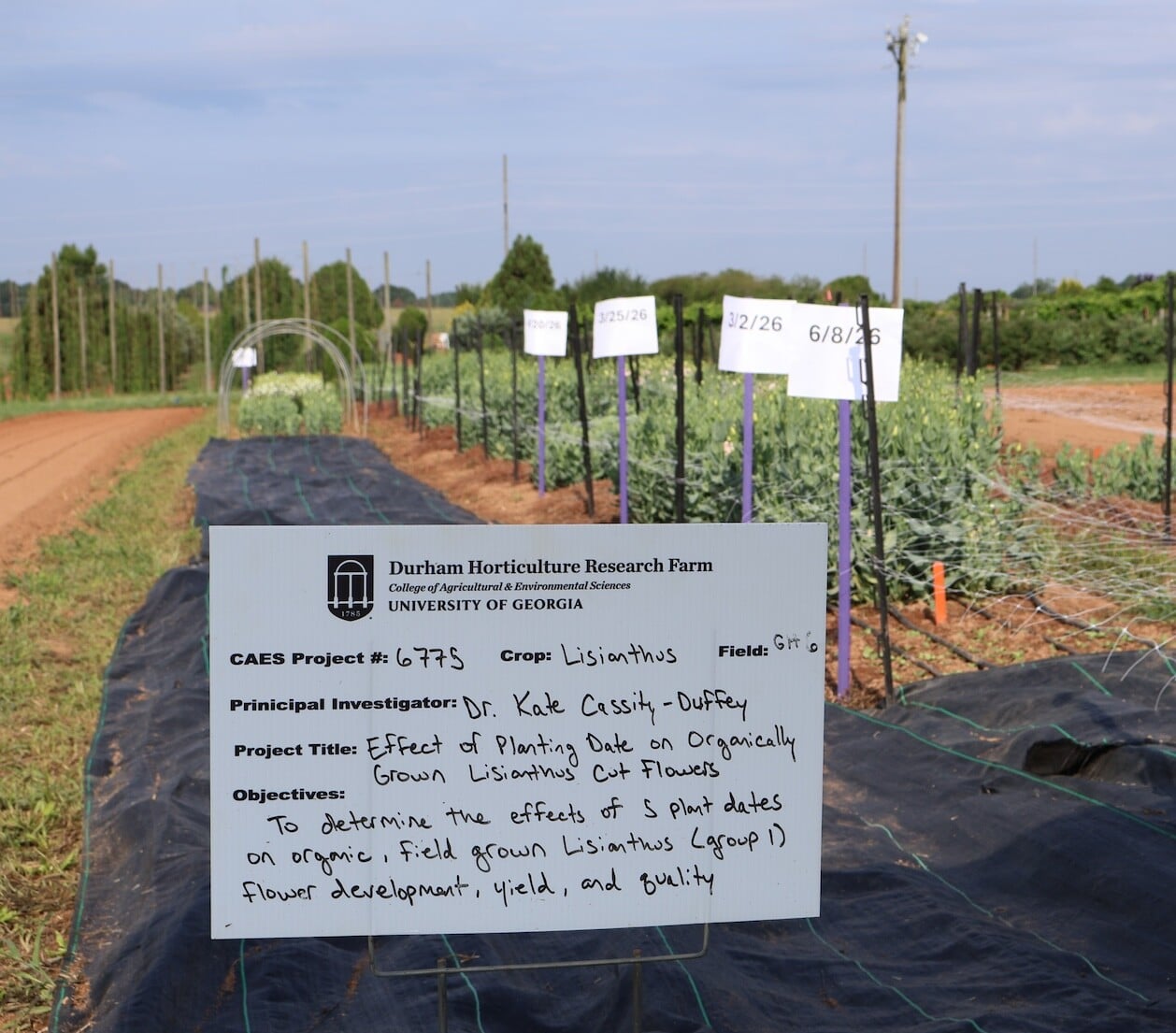
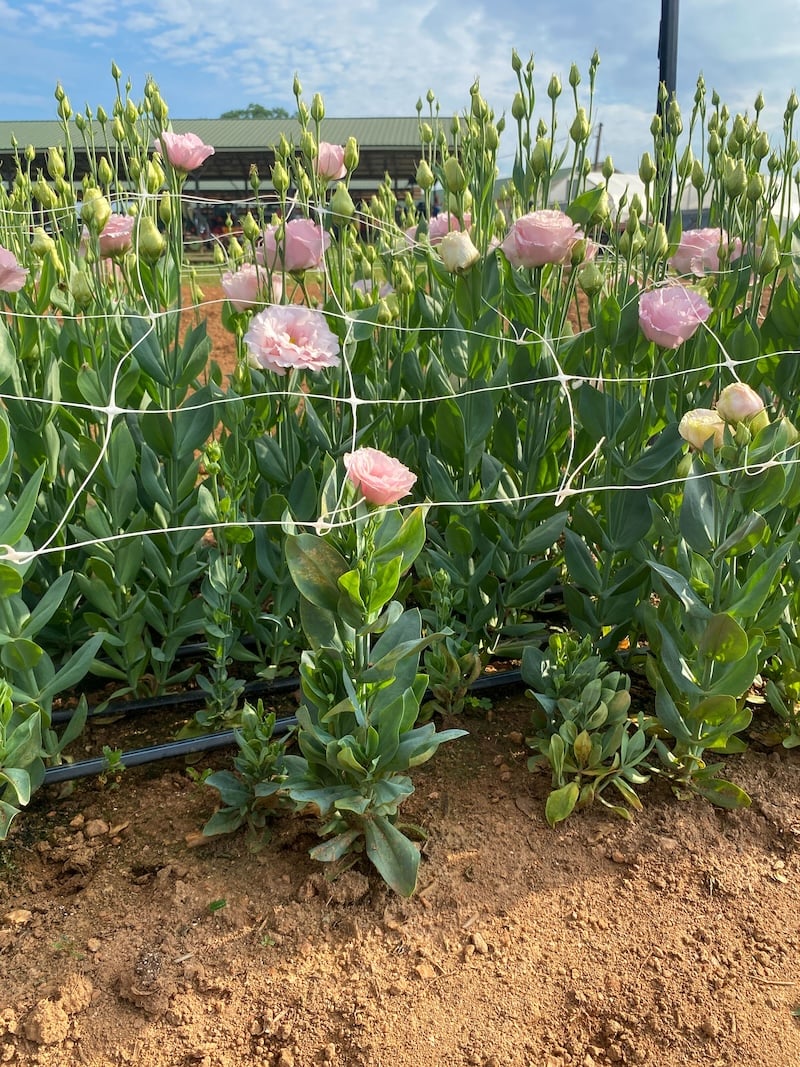
At a recent field day hosted by the University of Georgia’s Center for Urban Agriculture at the Durham Horticulture Research Farm, growers walked among research plots with UGA Cooperative Extension agents and researchers.
Kate Cassity-Duffey, an assistant professor in the College of Agricultural and Environmental Sciences (CAES) Department of Horticulture, led growers through plots where she and her colleagues are studying cut flower production.
Cassity-Duffey helps manage 10 acres of organic crops at the farm, with research focused on organic fertility and soil health. Cut flowers are a relatively new addition to that work.
She began studying their production after seeing more small- and mid-sized growers she works with add flowers to their operations and the returns they could generate from a small footprint. For growers with limited land, value per square foot is key.

“Whatever you’re growing on that tight space has to have a high ROI,” said Gabrielle LaTora, Fulton County Agriculture and Natural Resources Extension agent who helped host the field day.
High property values and production costs stack the deck against small-scale and urban growers, LaTora said. She explained that some farms operate through nonprofit support as teaching farms or community operations that donate what they grow rather than relying primarily on sales. But for a profit-driven business, cut flowers offer a high-value crop with strong local demand.
Flowers can also diversify production and income, making a small farm more economically resilient. That opportunity appealed to several field day attendees who said they had recently inherited farmland, were new to farming and wanted to keep the land in production.

Cut flower production in Georgia
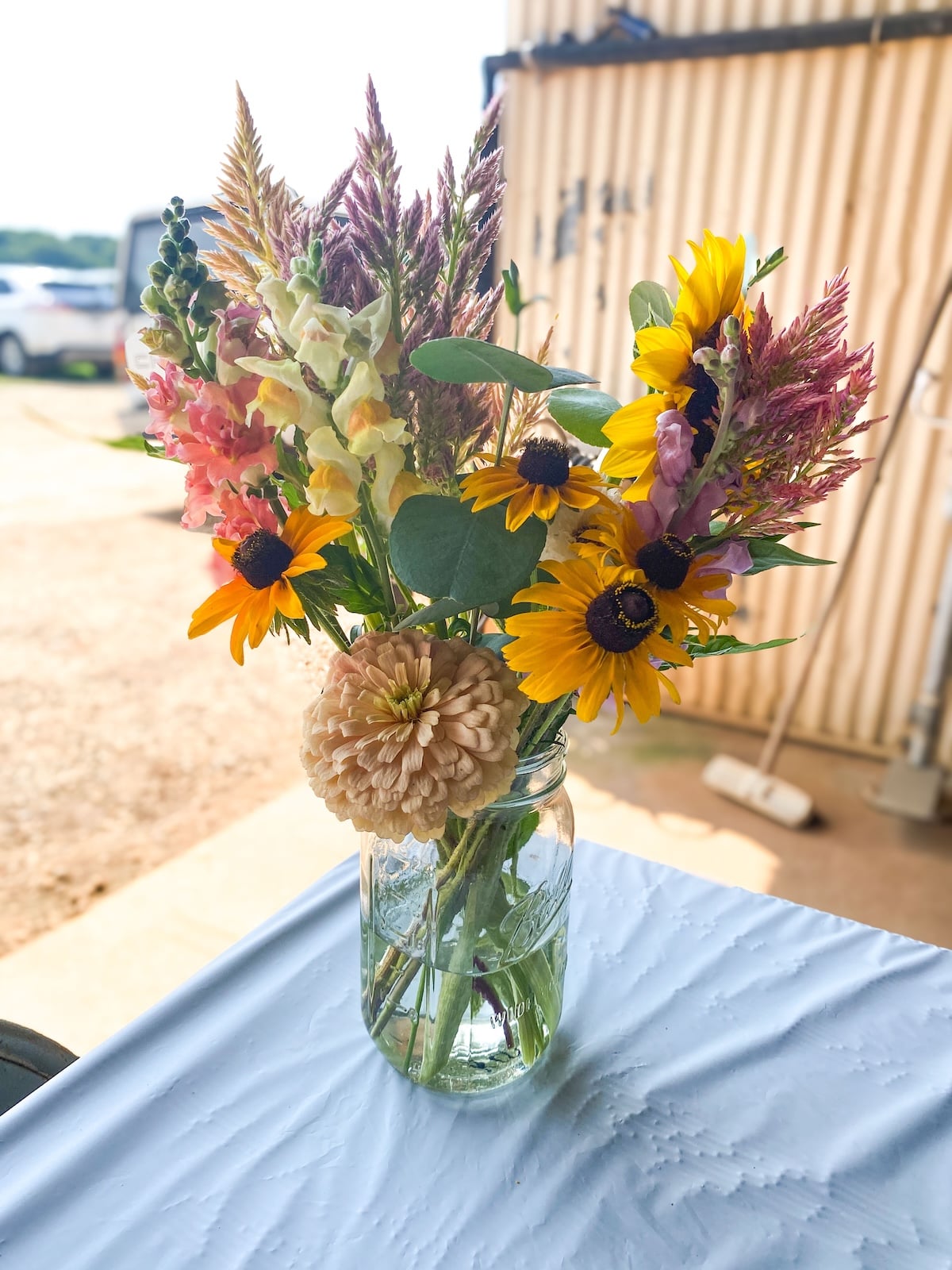
Georgia’s long growing season supports a wide breadth of cut-flower production from the north Georgia mountains to the Coastal Plain. That diversity creates an opportunity for Georgia growers to supply more locally grown flowers in a market otherwise dominated by imports.
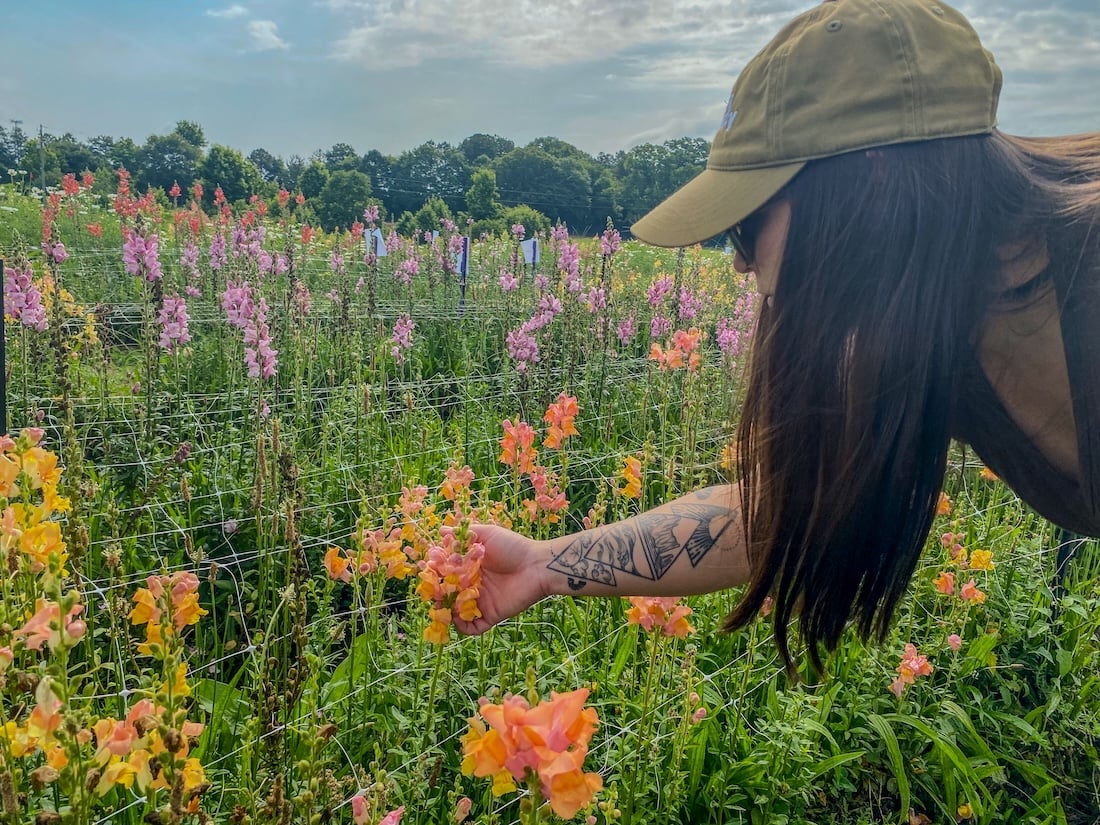
Working with both Certified Organic and Certified Naturally Grown seed companies, Cassity-Duffey’s research aims to ease some of the burden of trial and error by providing growers with science-backed information for Georgia growing conditions that they can apply to their own operations. Her plots include cool-season crops such as snapdragons, as well as heat-tolerant summer staples, like zinnias and sunflowers.
Research shaped by growers
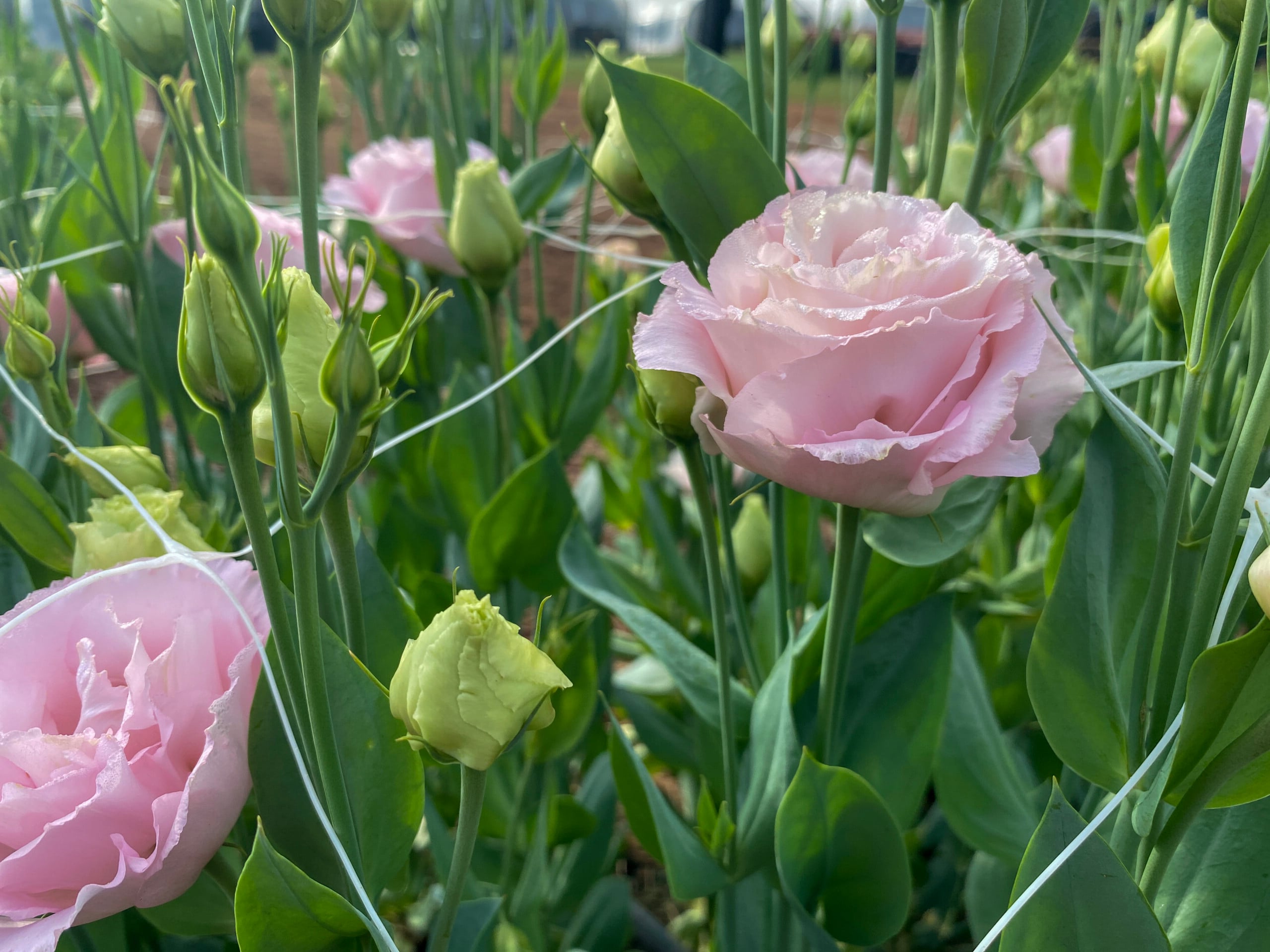
Standing beside one plot, a grower asked Cassity-Duffey why she transplants lisianthus in spring rather than fall, then followed with questions about seeding rates and the use of shade cloth to help extend the length of stems, another valuable quality for the floral industry.
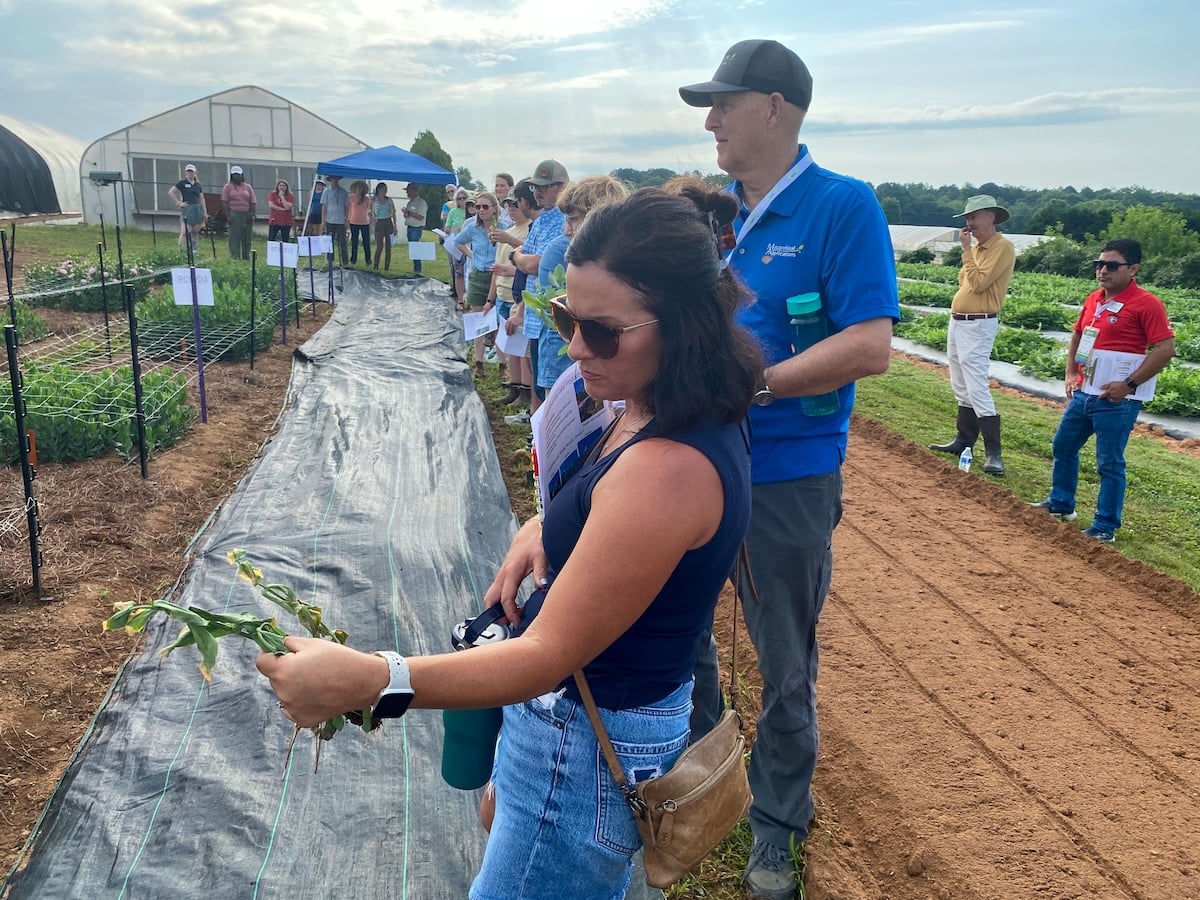
They were the sort of specific, practical questions growers ask and can apply to their own farms. Seeing the results of different production choices firsthand gives growers more confidence to try a new practice, knowing it has already been tested under similar conditions.
And while growers gain information they can take back to their own operations, their questions help Cassity-Duffey identify problems worth pursuing through future research. Her research plots are active experiments, driven in part by questions coming directly from growers.
“I’m really excited for you guys to tell me what problems you face, research questions that you might have,” she told the group.

For LaTora, another benefit of the collaboration between CAES research and UGA Extension events like field days is that it brings people together in the state’s small but growing cut-flower industry.
“Small and urban growers don’t always have established networks of peers and mentors,” LaTora said. “These relationships are another form of farm resilience.”
The Center for Urban Agriculture supports cut flower growers beyond the field through research-based education and outreach, including its annual online Cut Flower Symposium. Learn more about upcoming programs and resources at urbanag.uga.edu.