
Takeaways
- Hands-on global learning: Students gain real-world experience through immersive internships in countries including France, Argentina, Ecuador and Uruguay.
- Personal and professional growth: Participants report increased confidence, stronger language skills, increased global awareness and improved adaptability — all traits valued by employers.
- Year-round opportunity: The certificate program prepares students for careers in a global agricultural landscape through coursework, language study and guided reflection.
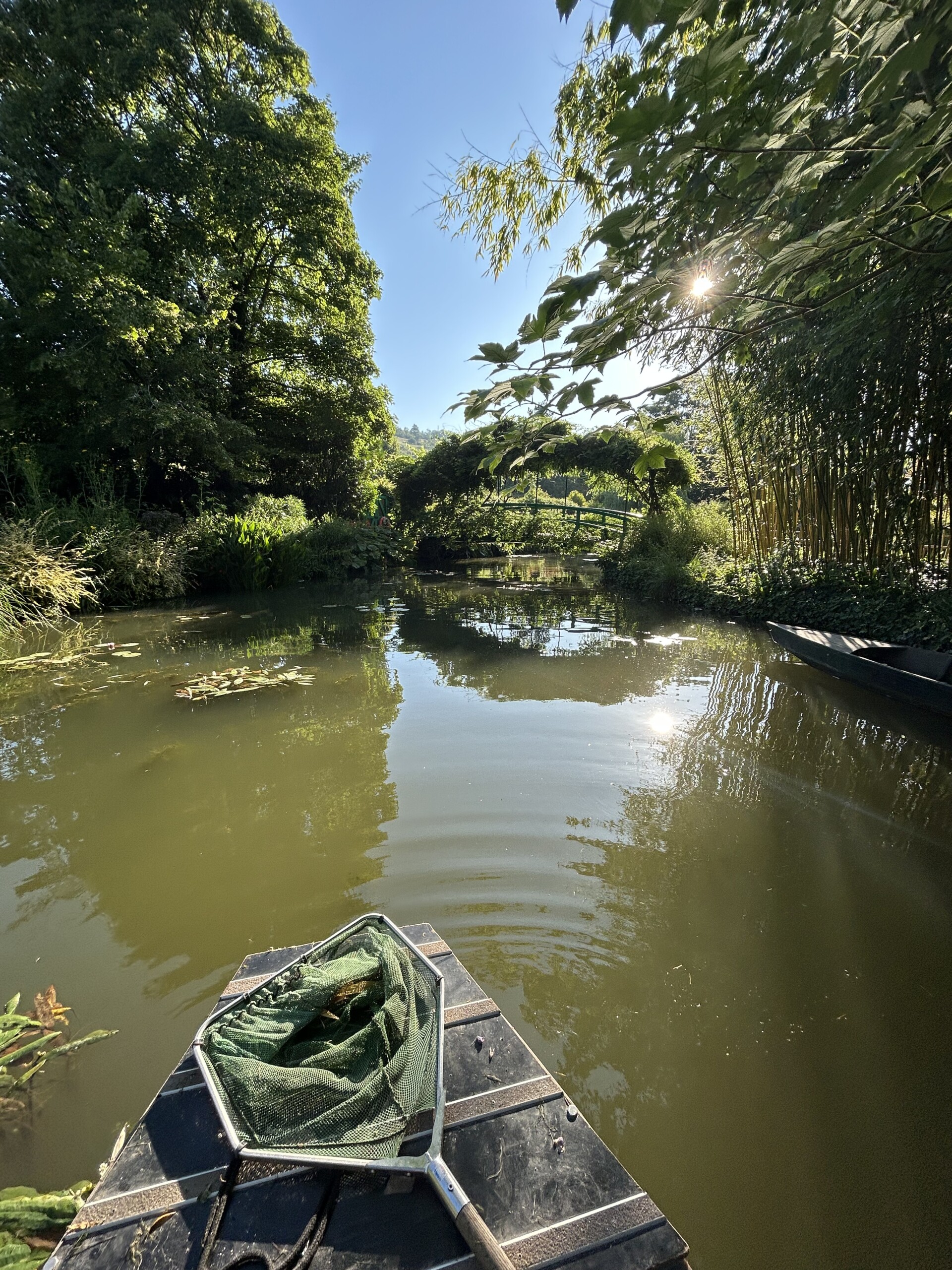
From skimming the pond in Monet’s Gardens to clocking 30,000 steps on the streets of Montevideo, the 2025 International Agriculture Certificate participants packed a world’s worth of experiences into a single program — complete with a frog farm visit and a 21st birthday celebration in Ecuador.
Hosted by the University of Georgia College of Agricultural and Environmental Sciences (CAES), the International Agriculture Certificate provides students the opportunity to expand their global perspective by participating in internationally focused coursework, foreign language studies, and either a hands-on, international internship or a semester exchange that fits their personal, academic and career goals.
“Our students gain a global perspective that can improve their academic performance and their job readiness,” said Vicki McMaken, CAES coordinator of international programs. “Employers value the skills developed during immersive international experiences, including adaptability, problem-solving, communication, self-confidence and resilience.”
Before departing on their immersive international experience, students prepare through a combination of peer learning opportunities, personal reflection and coursework such as “Reflections on Fighting Hunger” taught by Maria Navarro, professor in the CAES Department of Agricultural Leadership, Education and Communication.
“The certificate program intentionally develops a wider set of academic, personal and professional skills, including how globalization affects daily life and strengthening communication skills, independence, adaptability and problem-solving abilities,” Navarro said.
Throughout their time abroad, participants are required to keep a reflective journal to encourage maximum personal growth. The journals are also used to inform their final public presentations and reflective essays.
The program also measures student learning through pre- and post-experience language proficiency tests, the Intercultural Development Inventory and an internship mentor’s evaluation.
Meet members of the 2025 IAC program
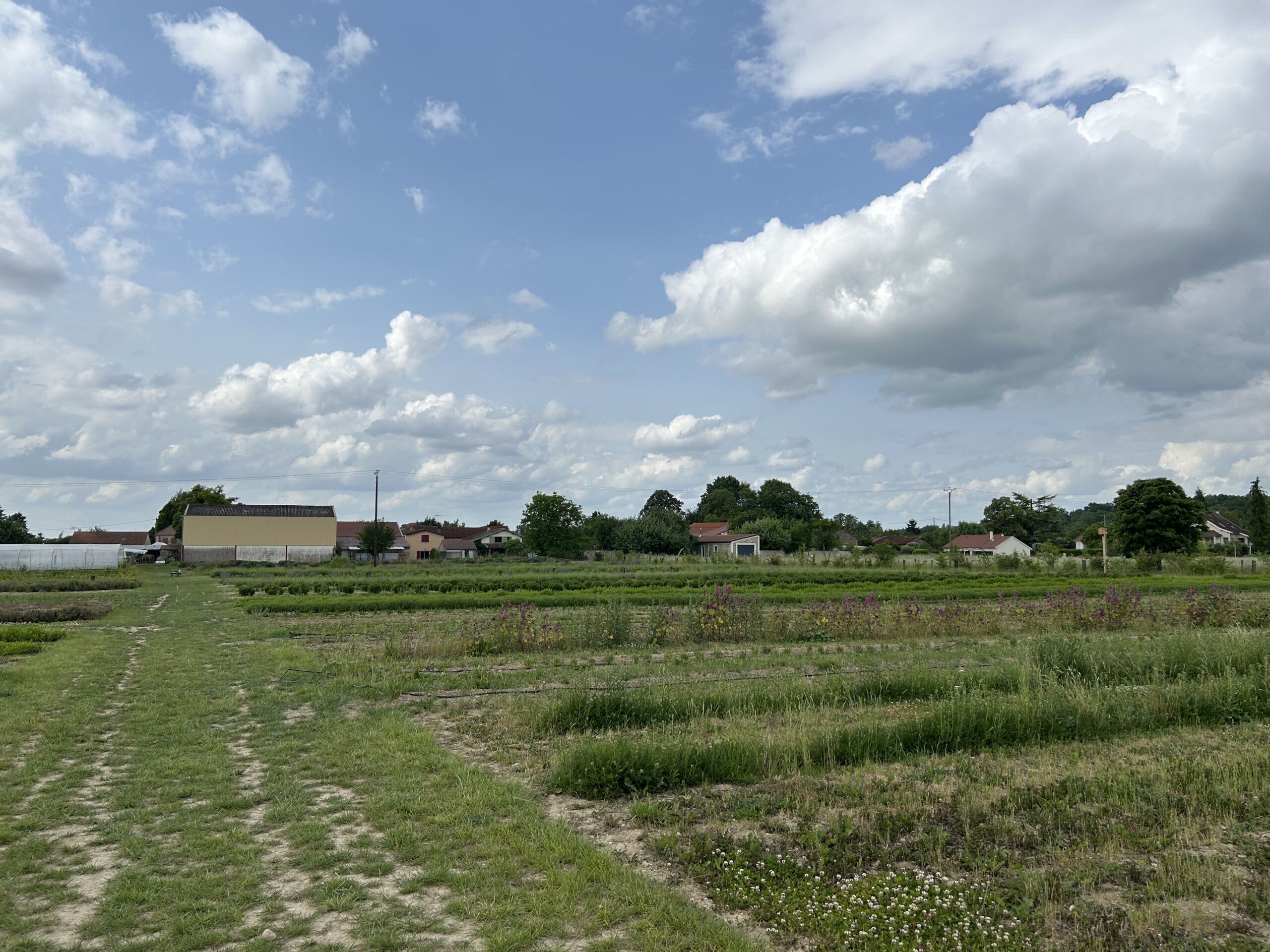
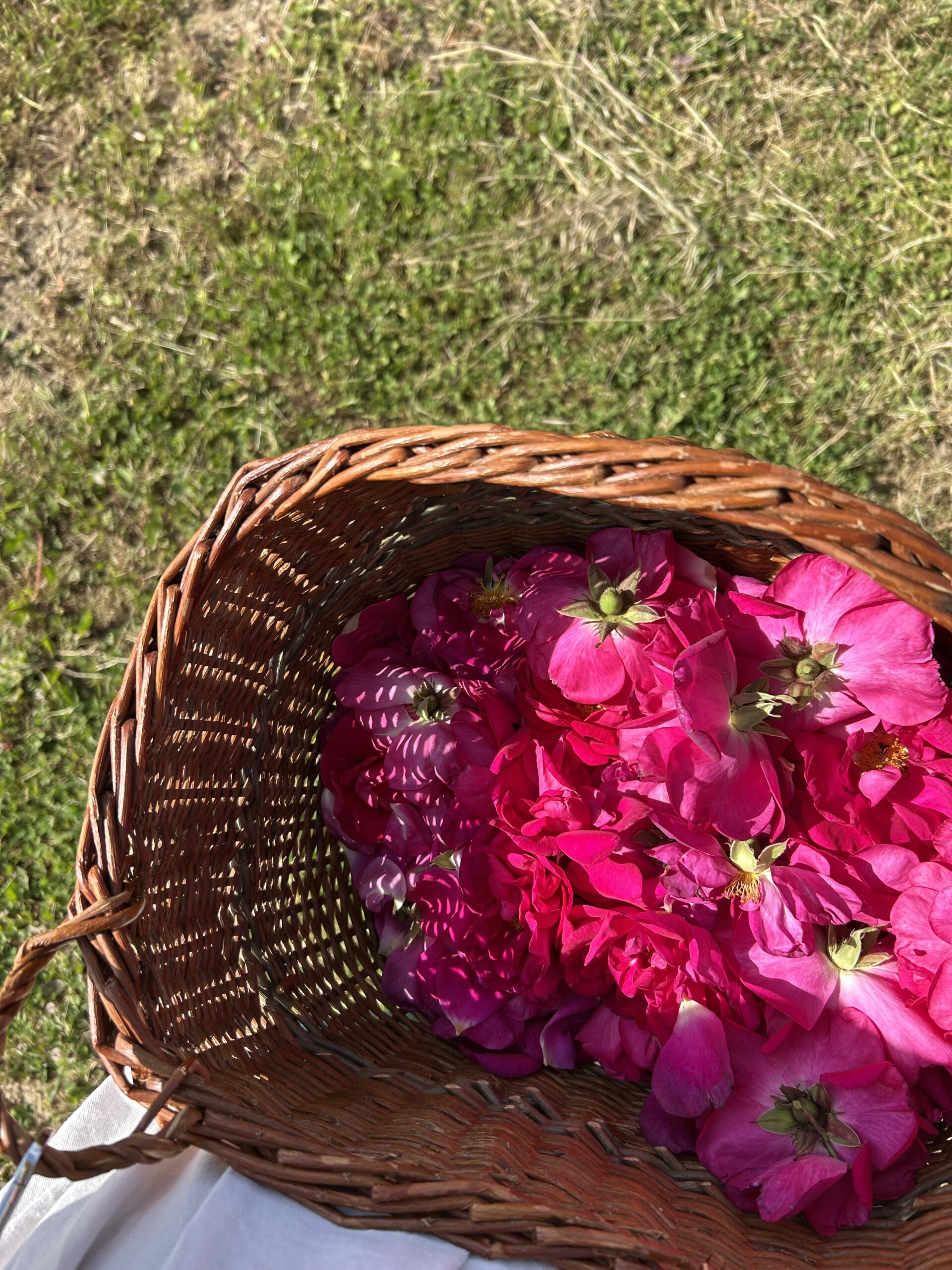
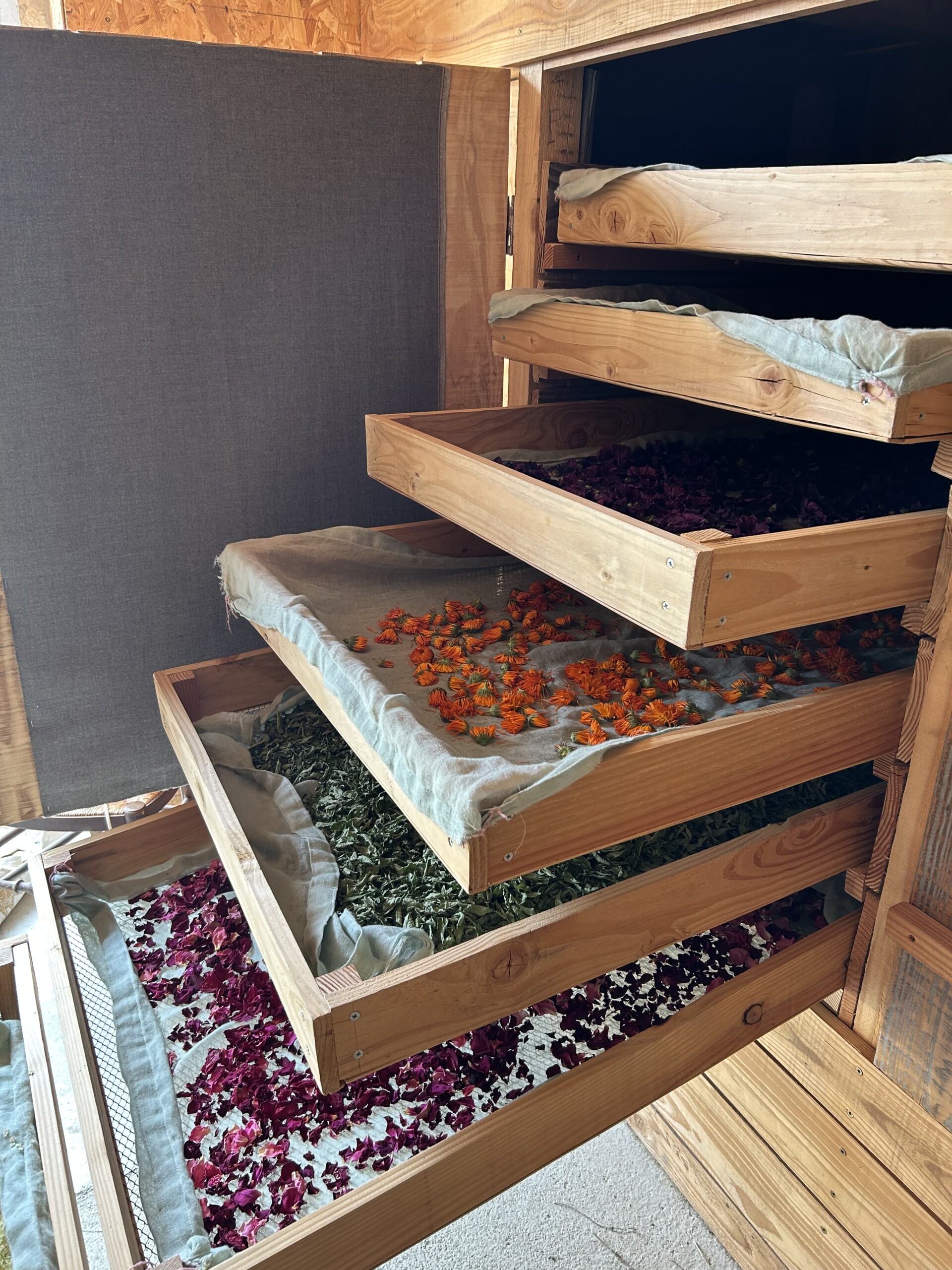
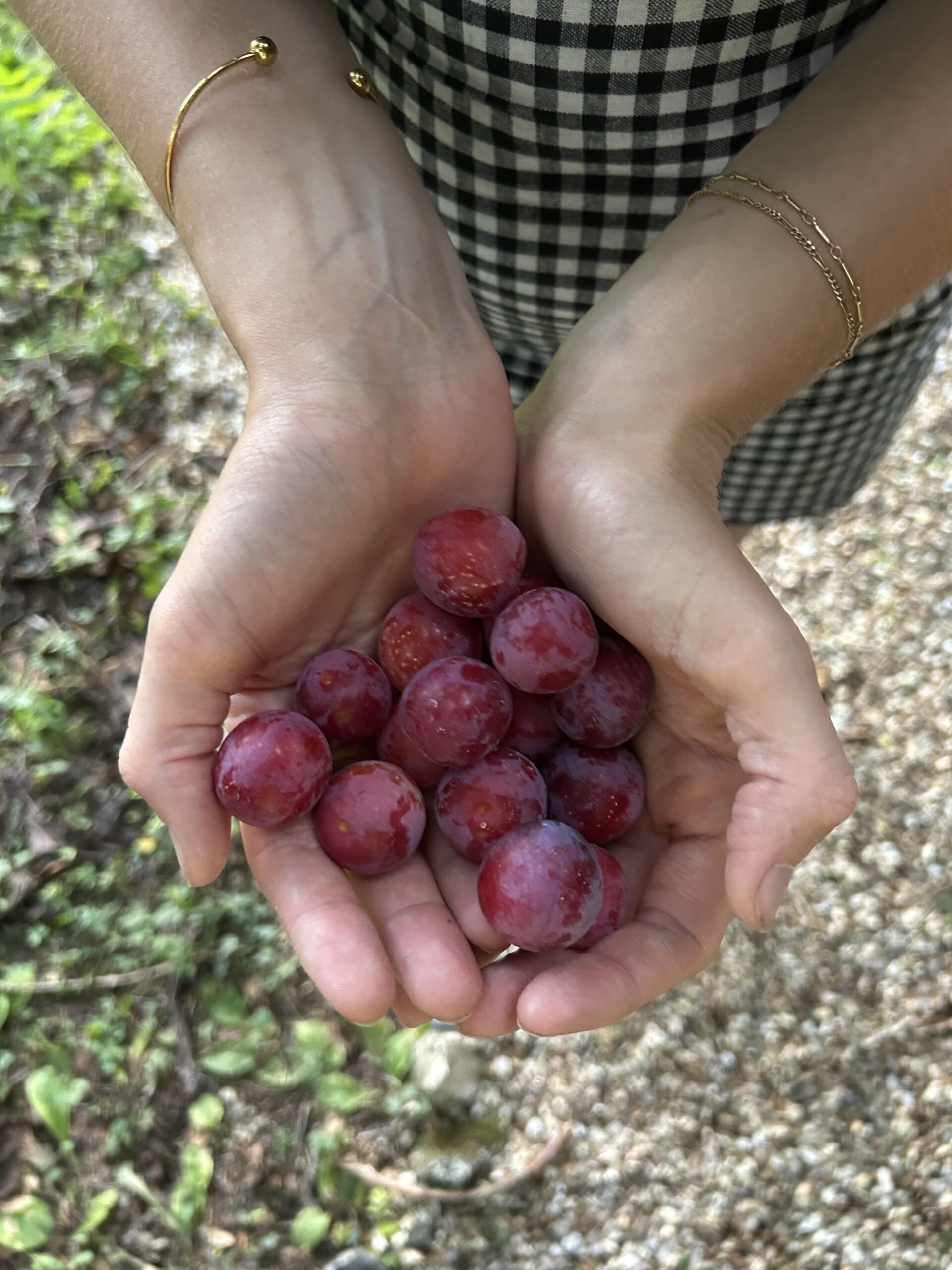
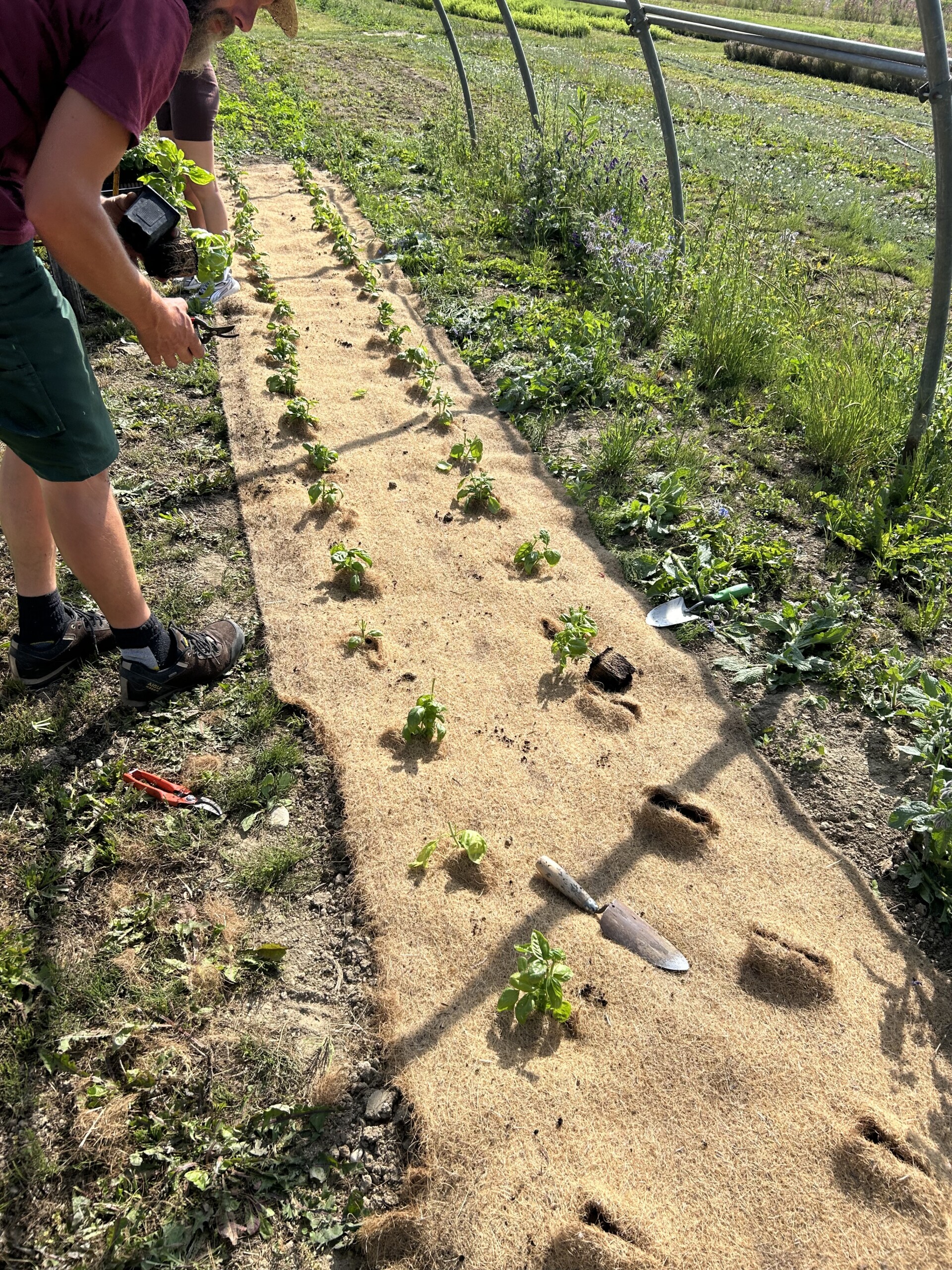
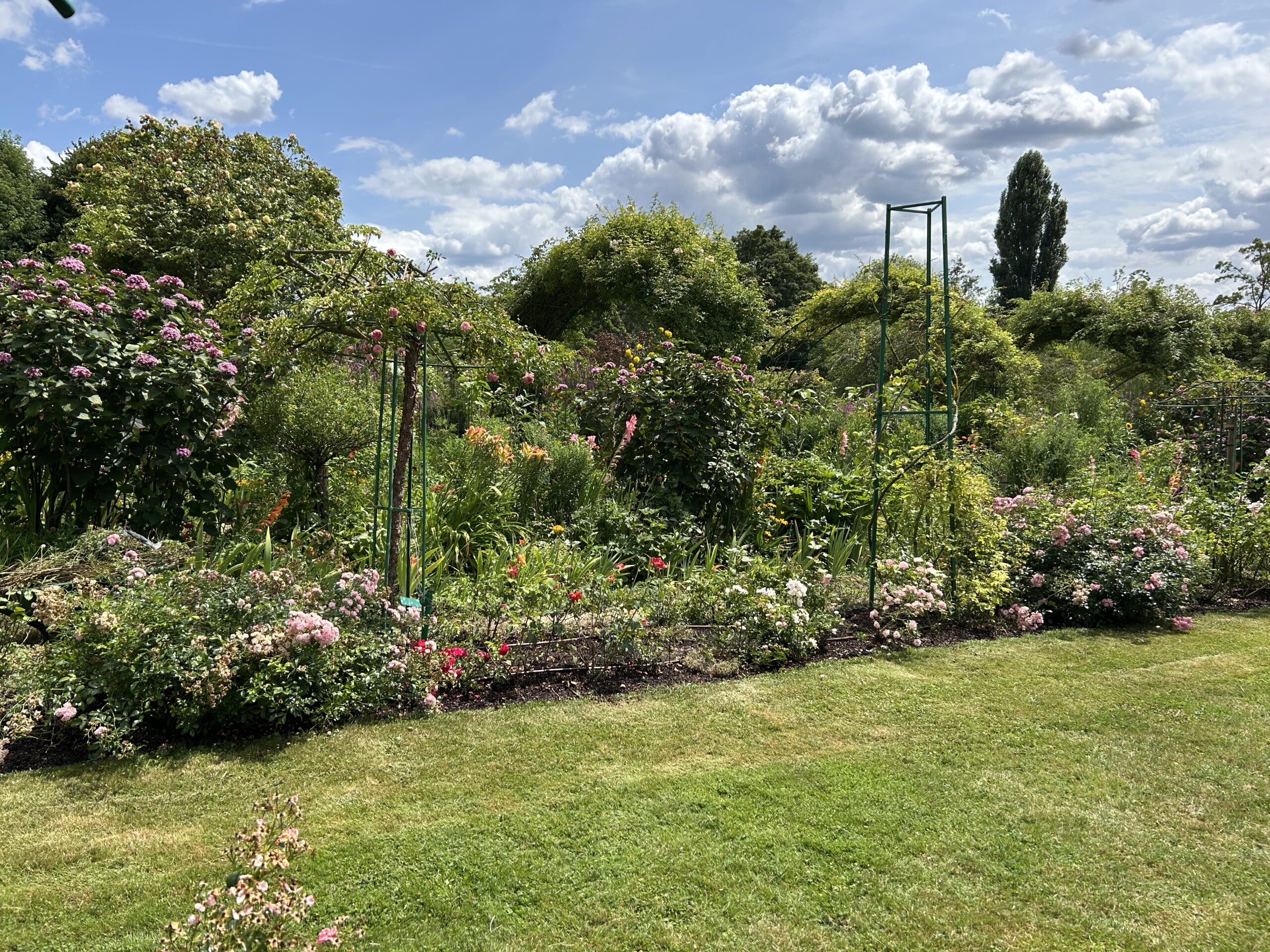
Christina Corin
Host country: France
Host employer: L’Herberie de la Saulx, an herb and medicinal plant farm, and Monet’s Gardens in Giverny
Degree: Bachelor of science in agricultural and environmental science communication
I feel more confident in my ability to navigate new situations. I had never been overseas or away from my family for more than two weeks; now I’m willing to take on an opportunity that might otherwise be scary.”

J. Manry Ford
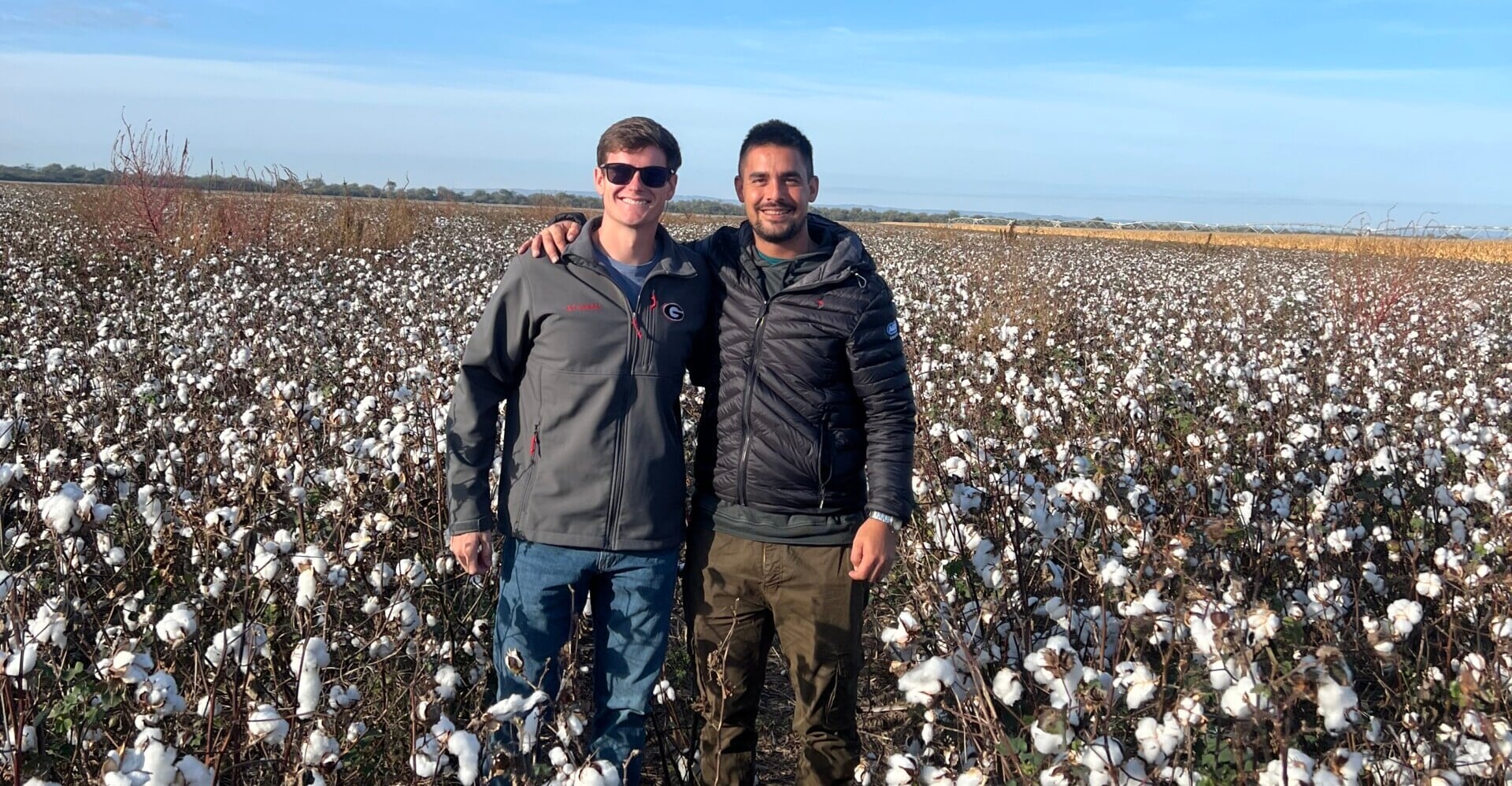
Host country: Argentina
Host employer: Aceitera General Deheza, a private agribusiness
Degree: Bachelor of science in agricultural and applied economics
Why would you not pursue another language? I got more out of this experience than I have from any other learning opportunity. Take advantage of the time you have — you can learn a lot more by visiting other places.”


Pablo Guerrico-Hatch
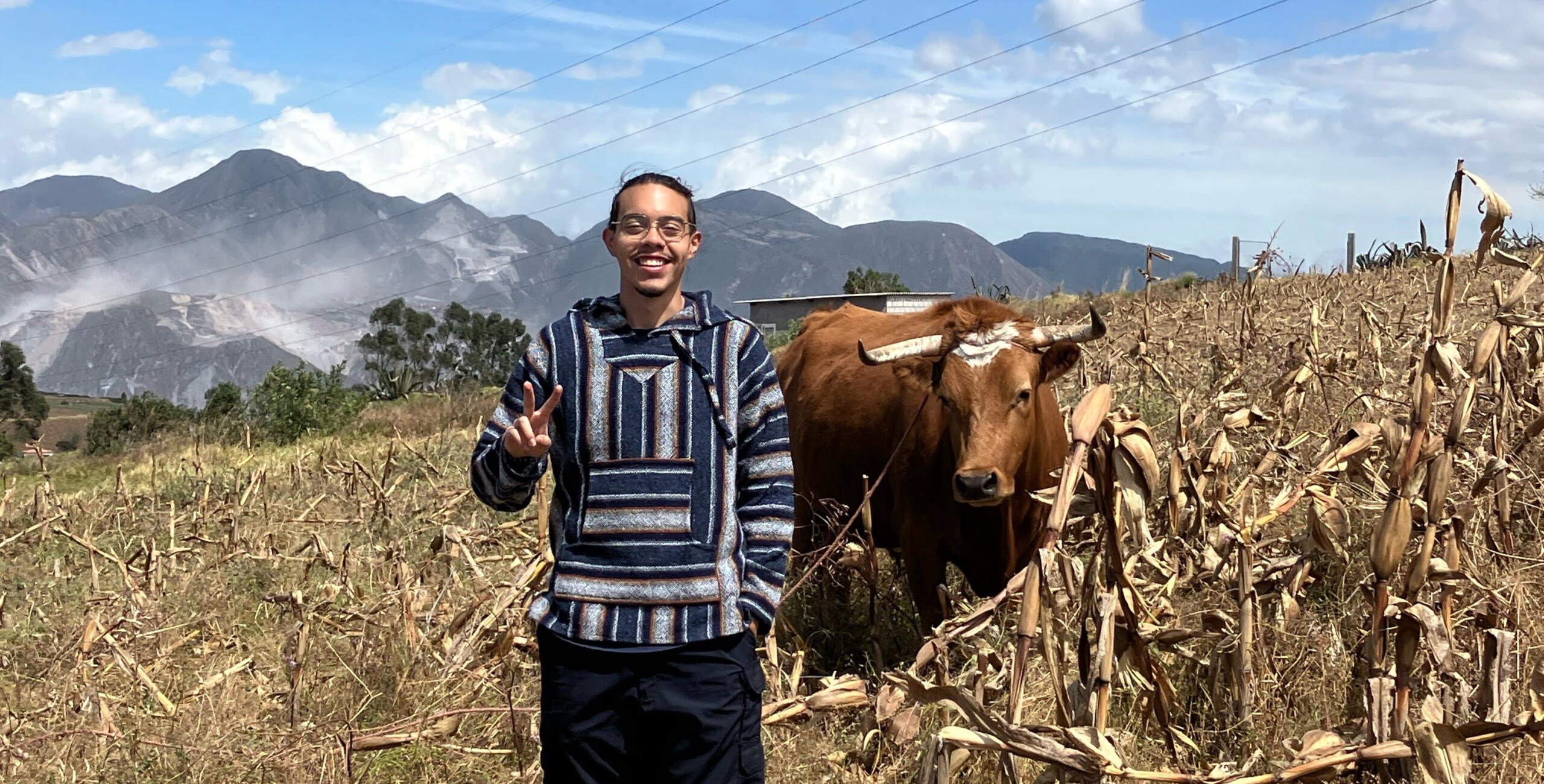
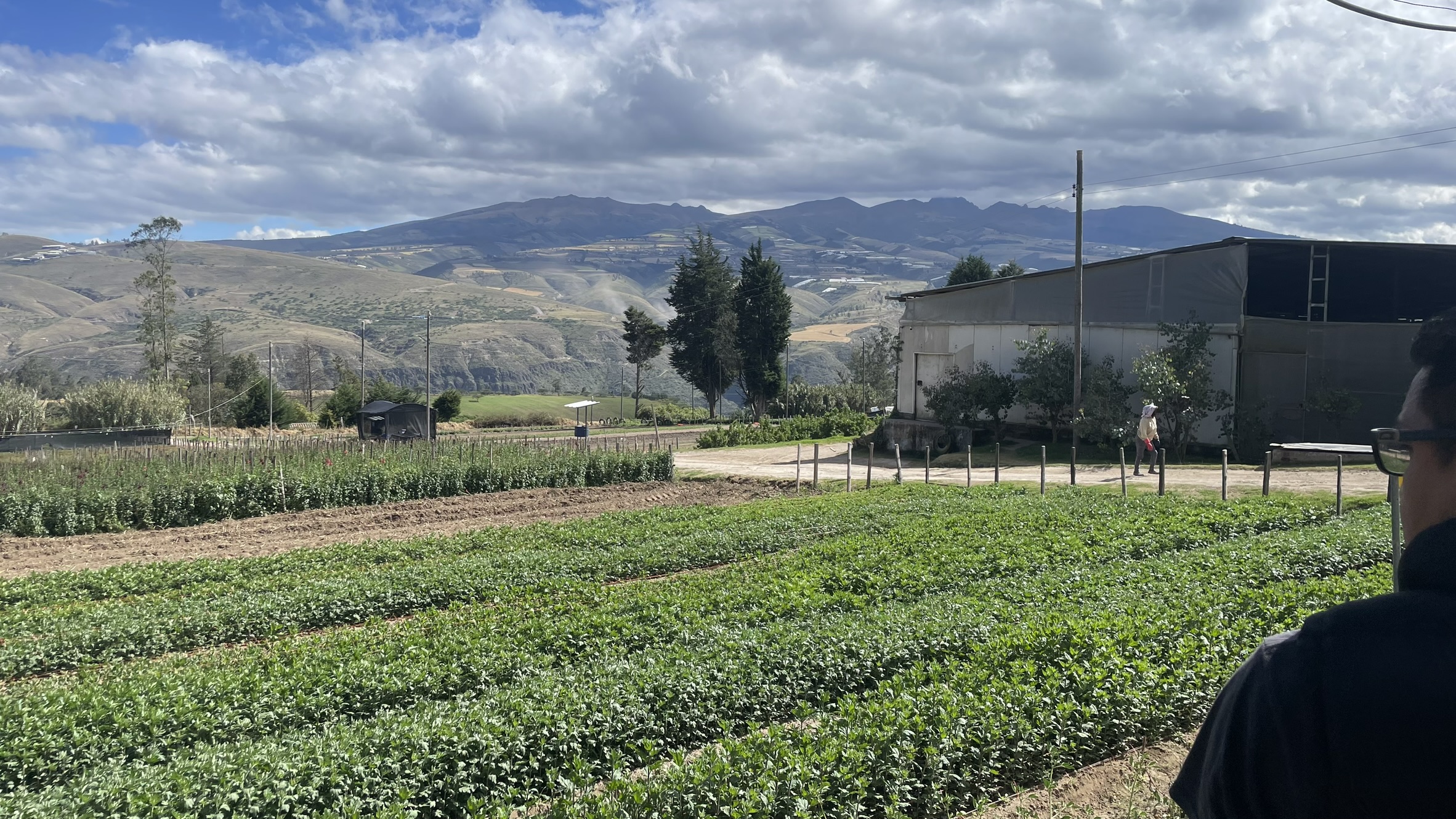
Host country: Ecuador
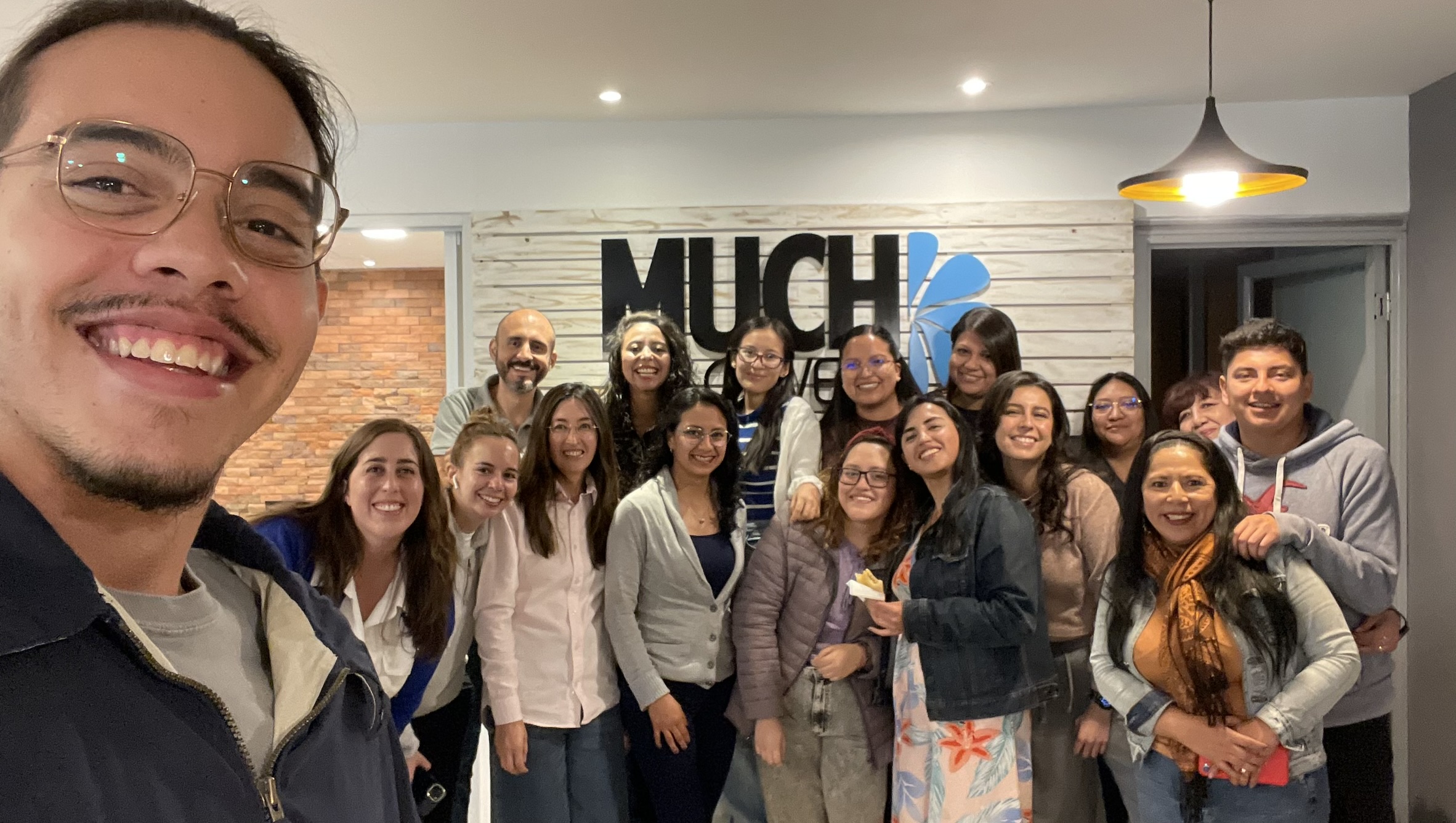
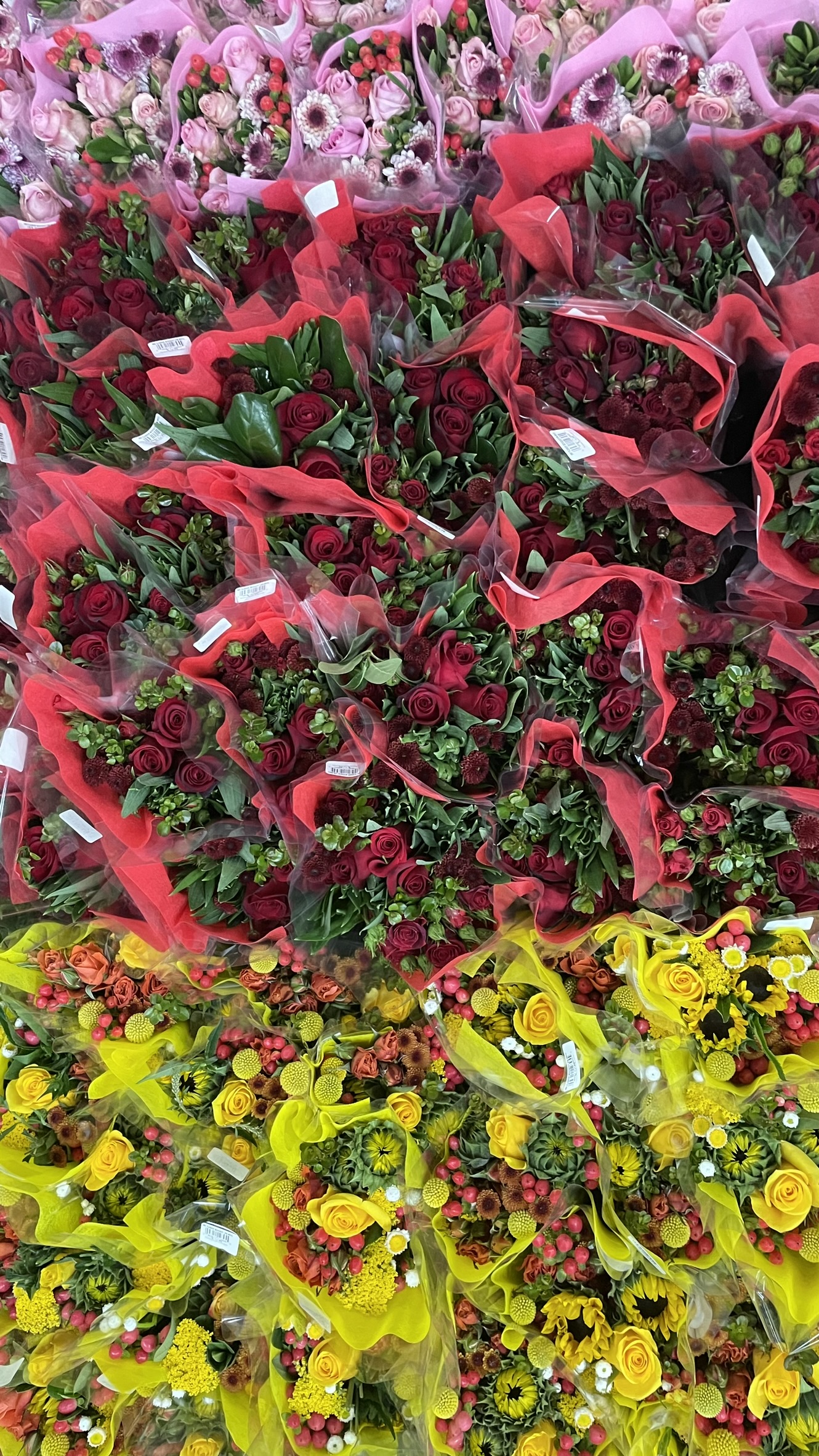
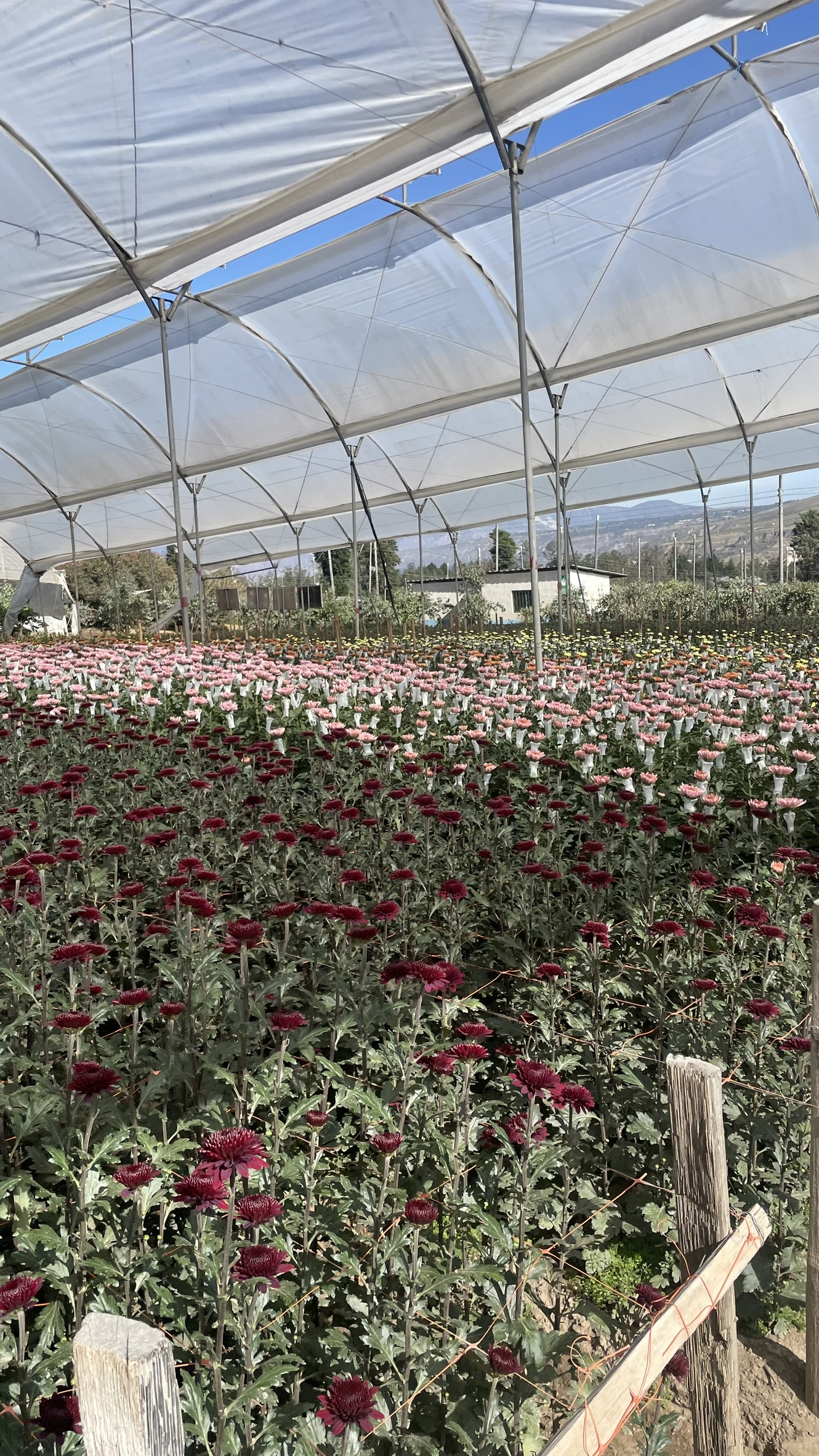
Host employer: Much Flowers, a floriculture company
Major: Agribusiness
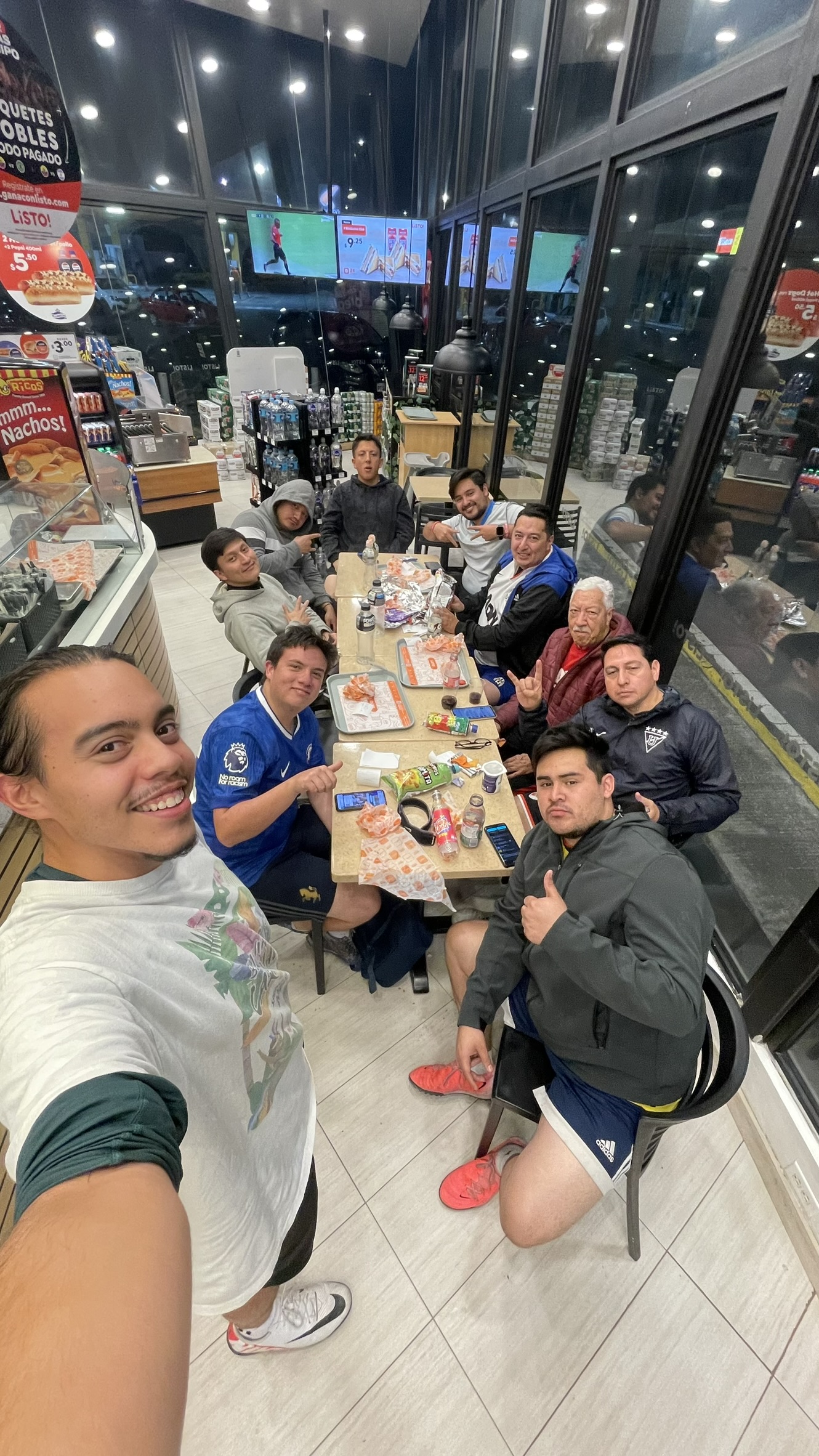
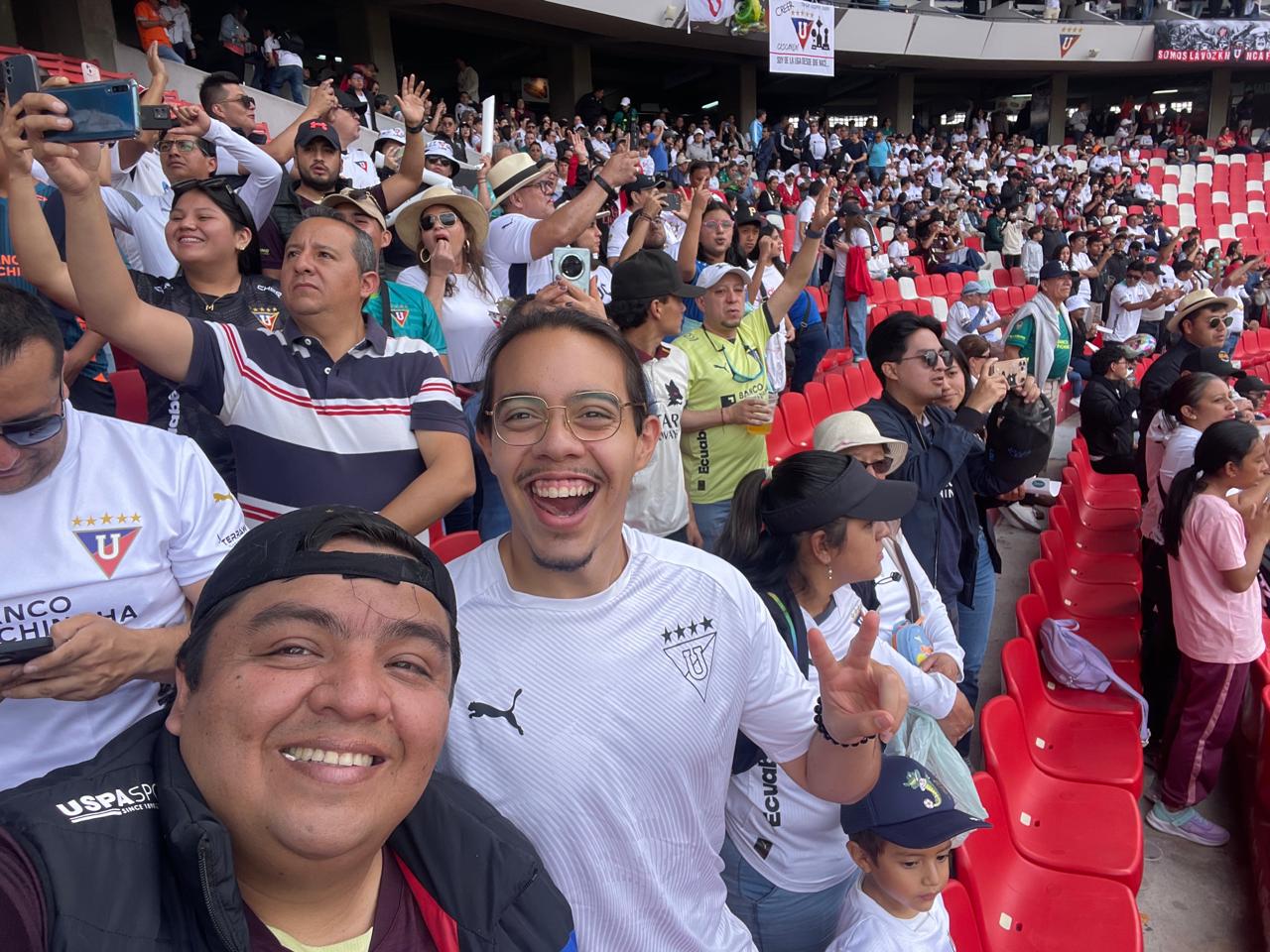
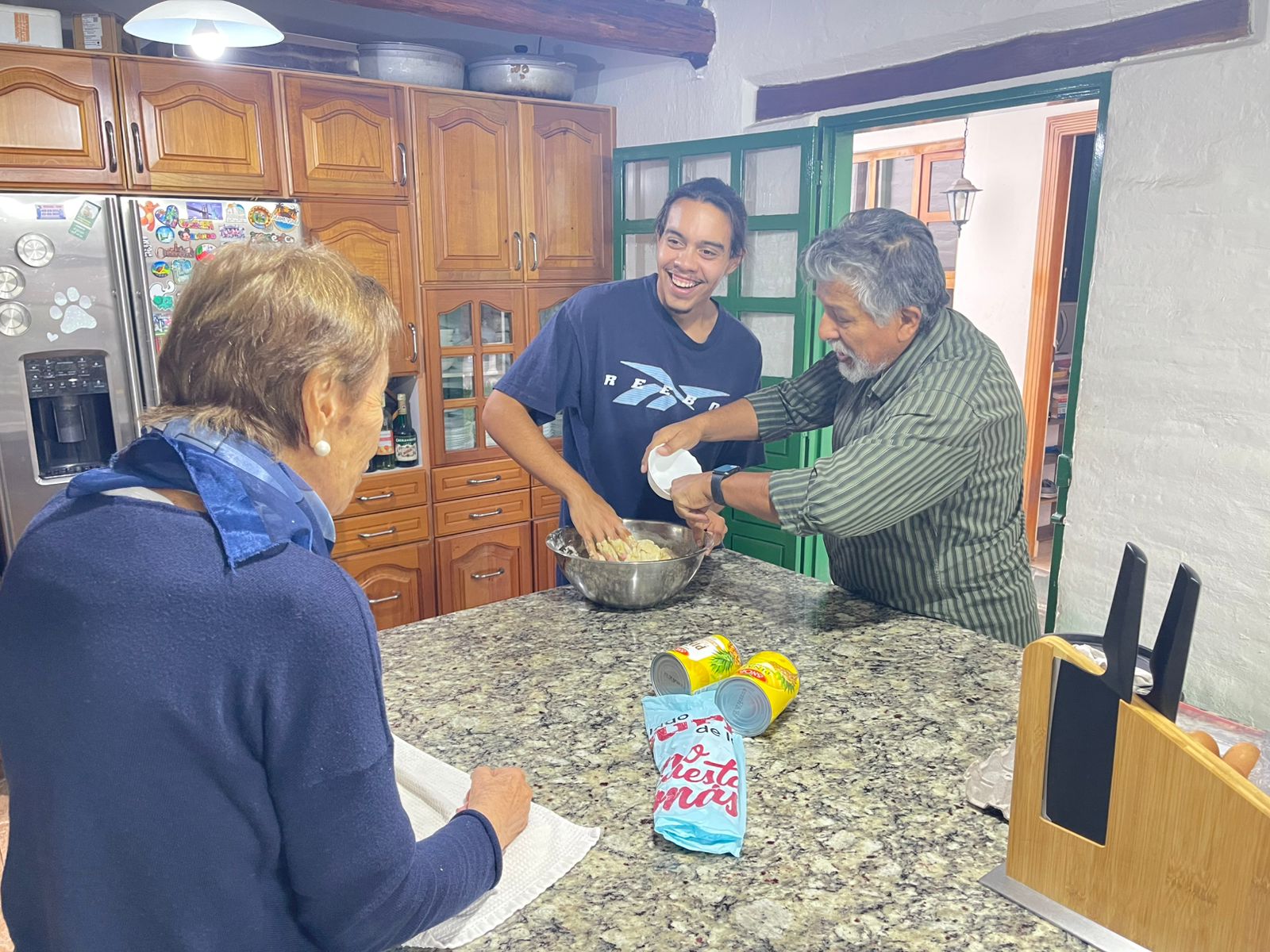
I worked in agriculture for the first time, learning Ecuadorian ag practices and turning dust into soil. I learned to express expertise and bring my own experiences to the table. Plus, I came back from this trip with overwhelming confidence in my ability to speak Spanish. My mom is ecstatic.”
Renee Martin
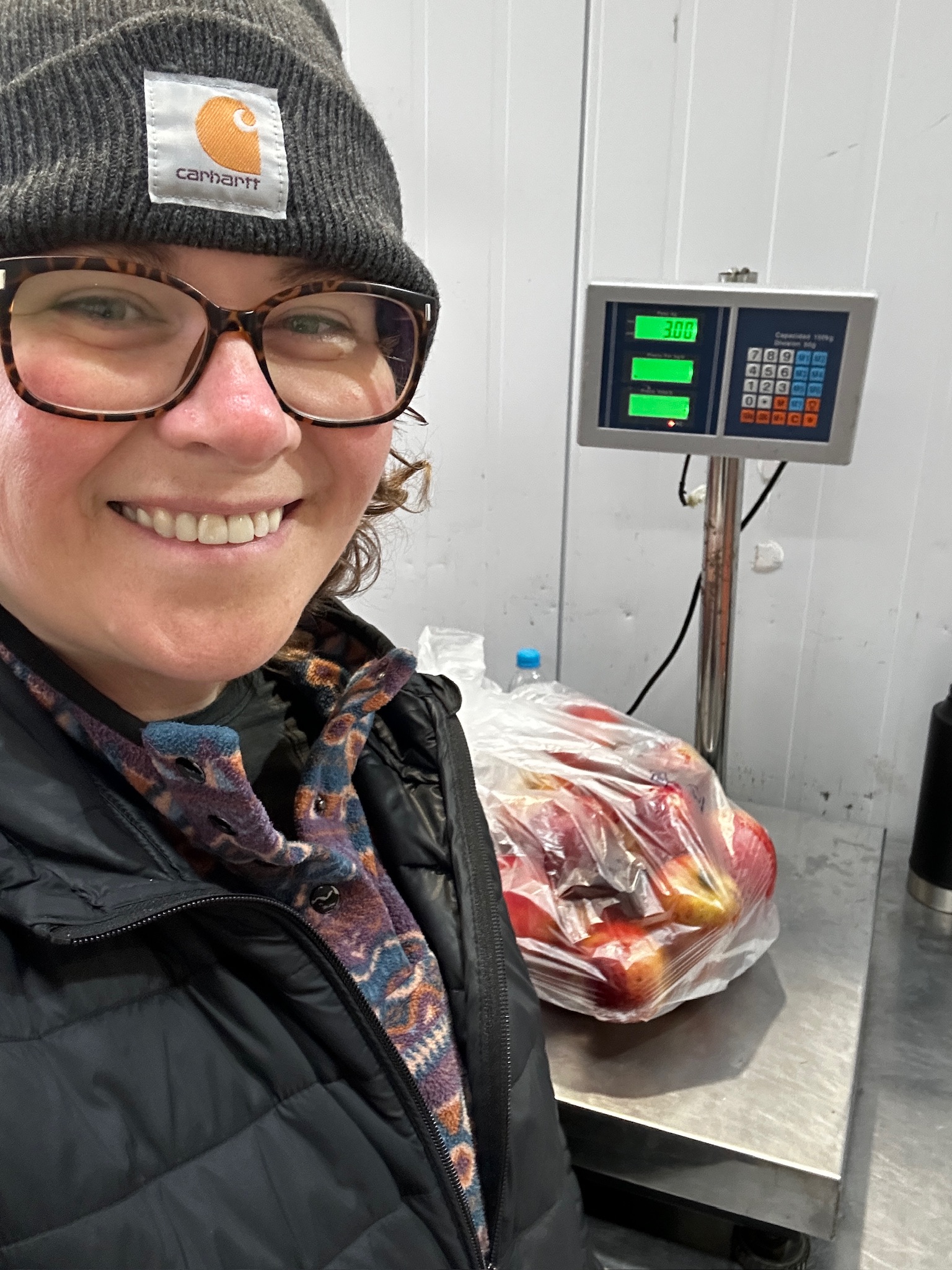
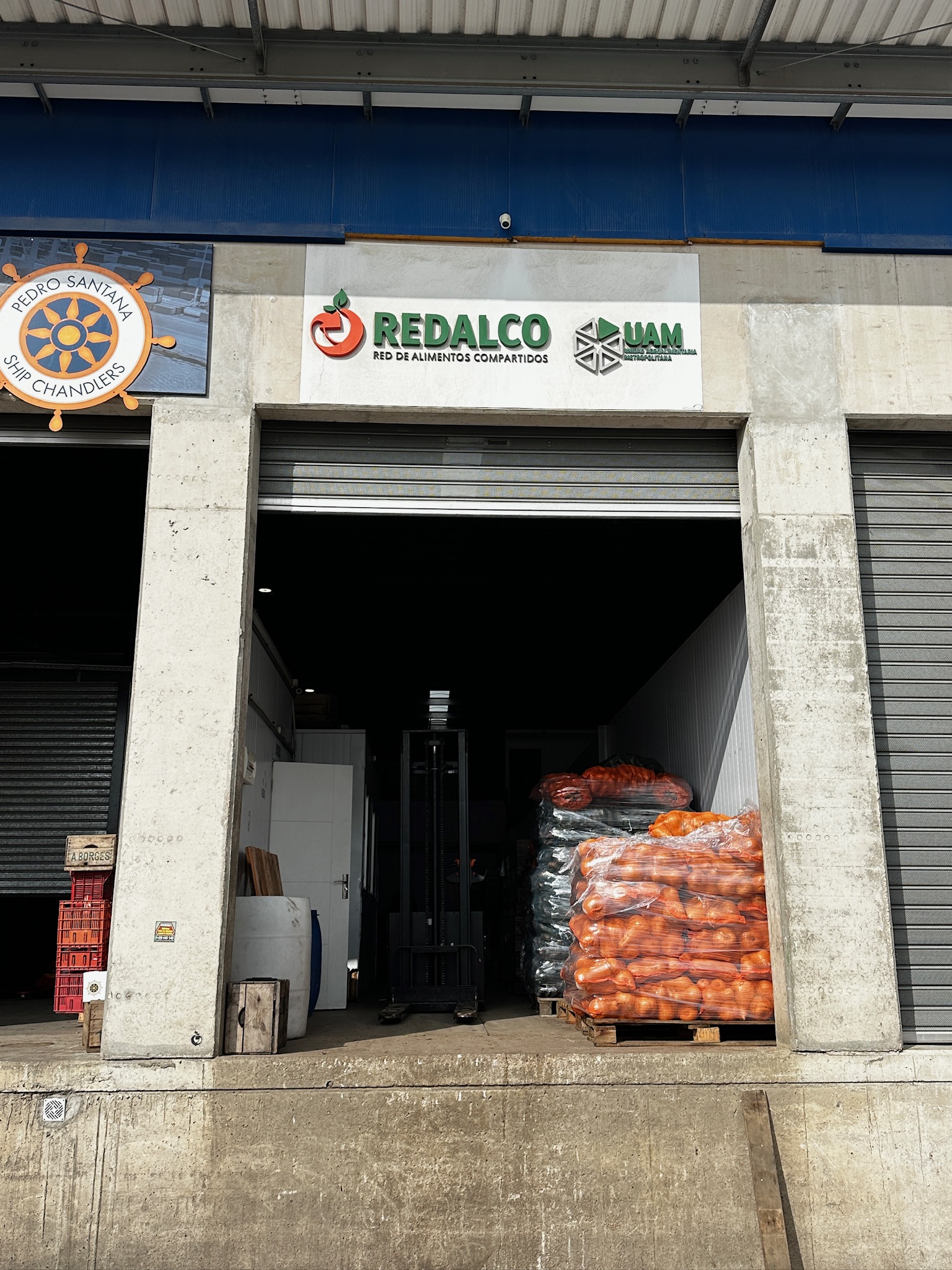
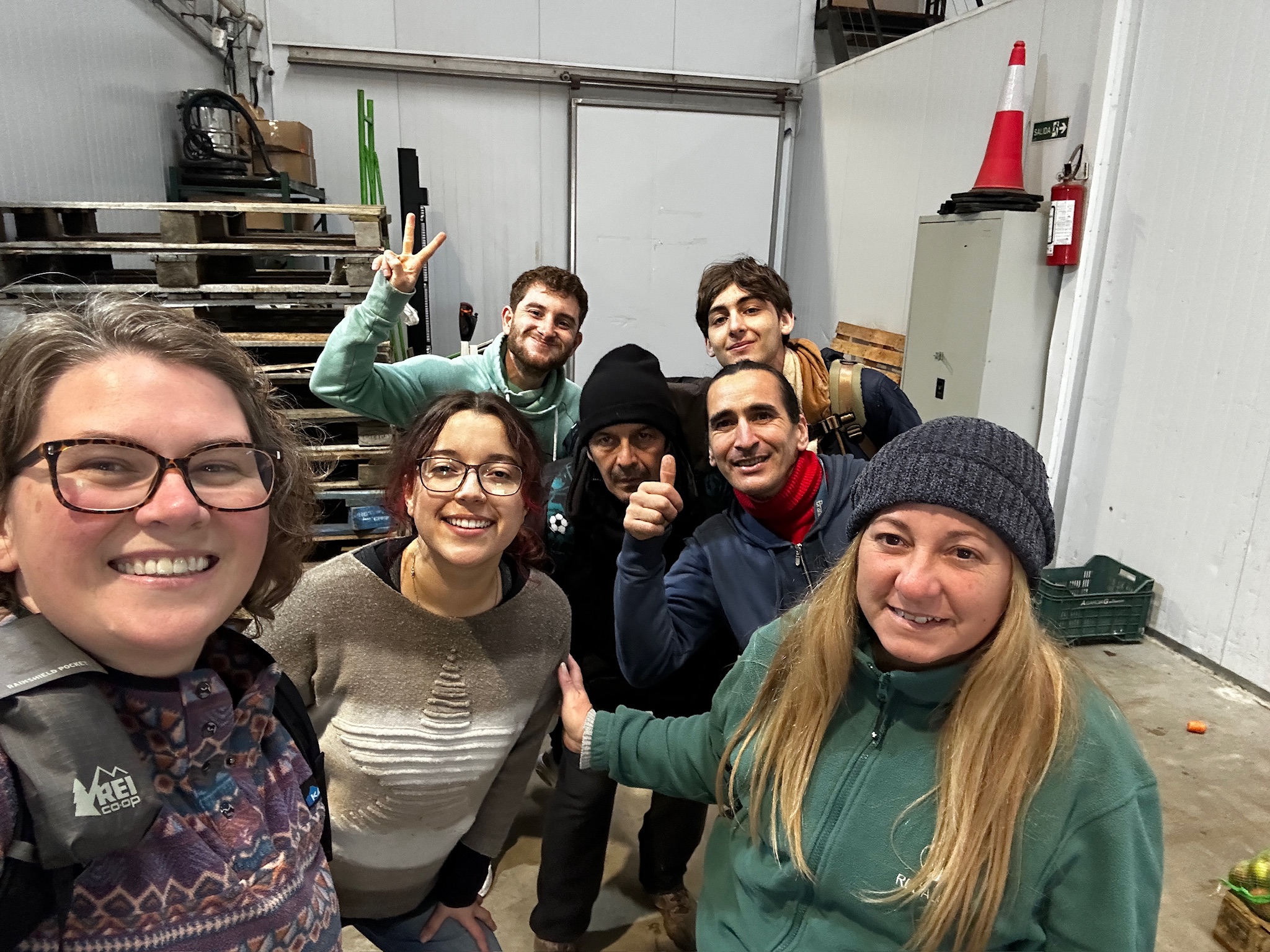
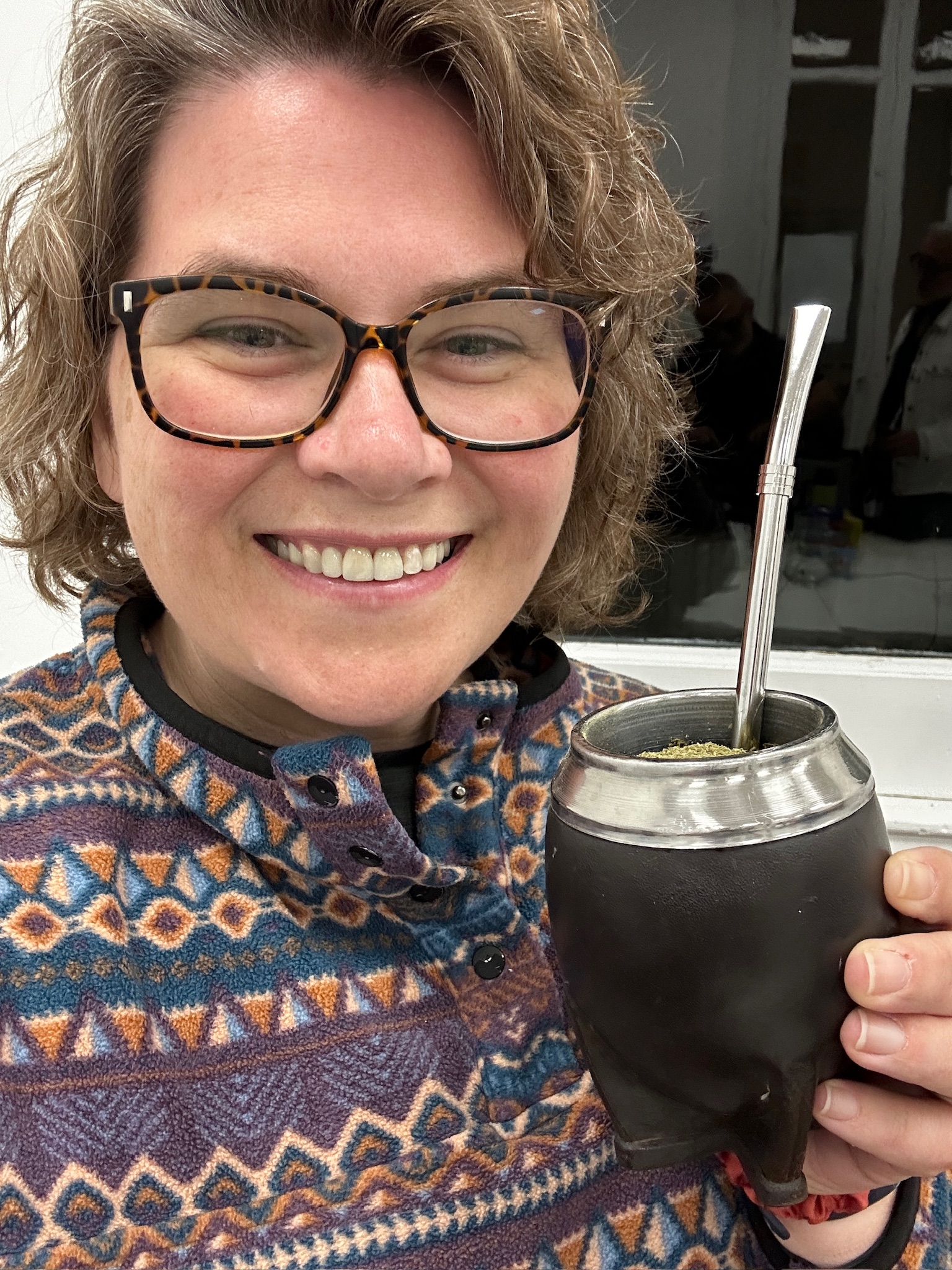
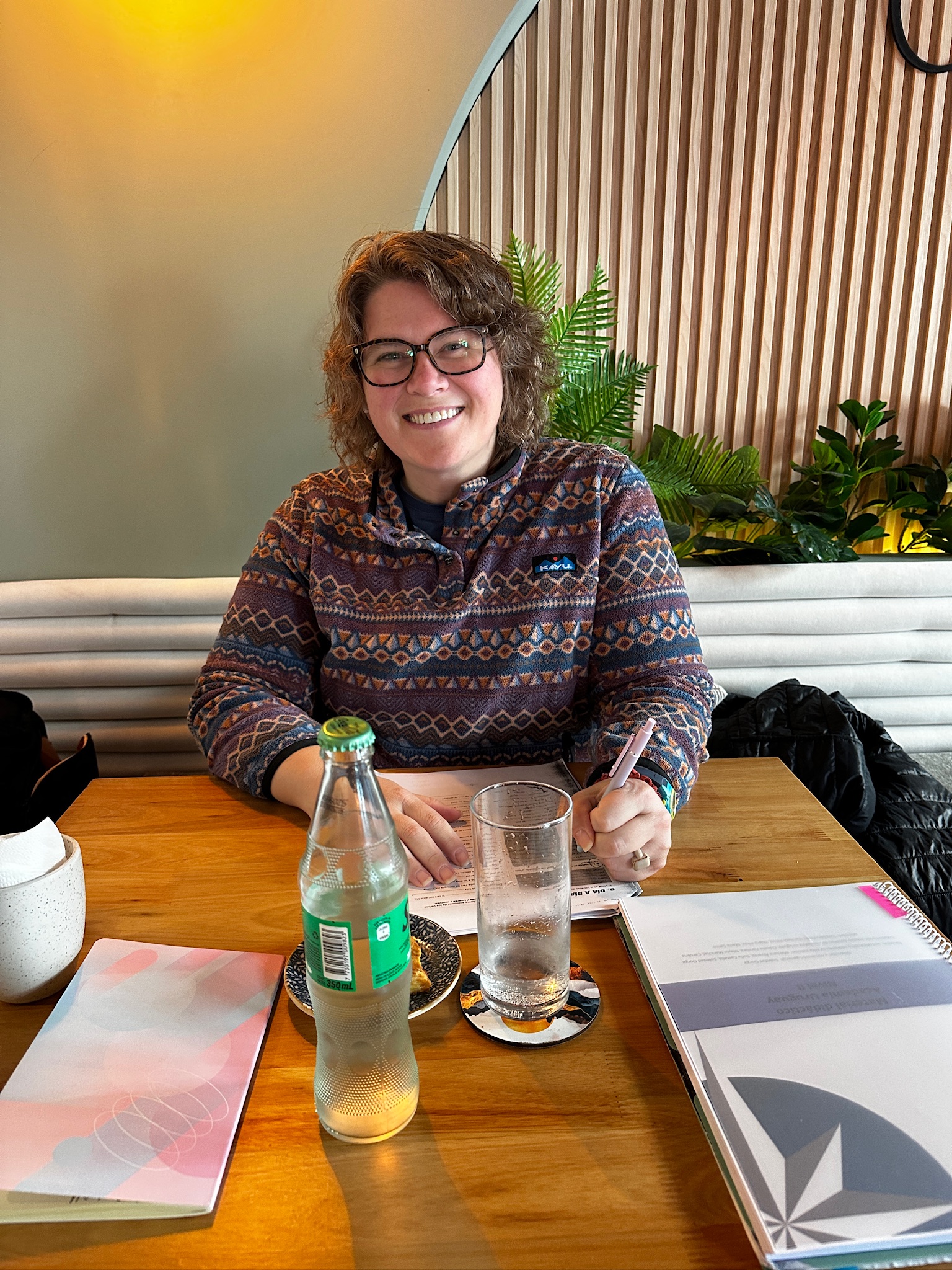
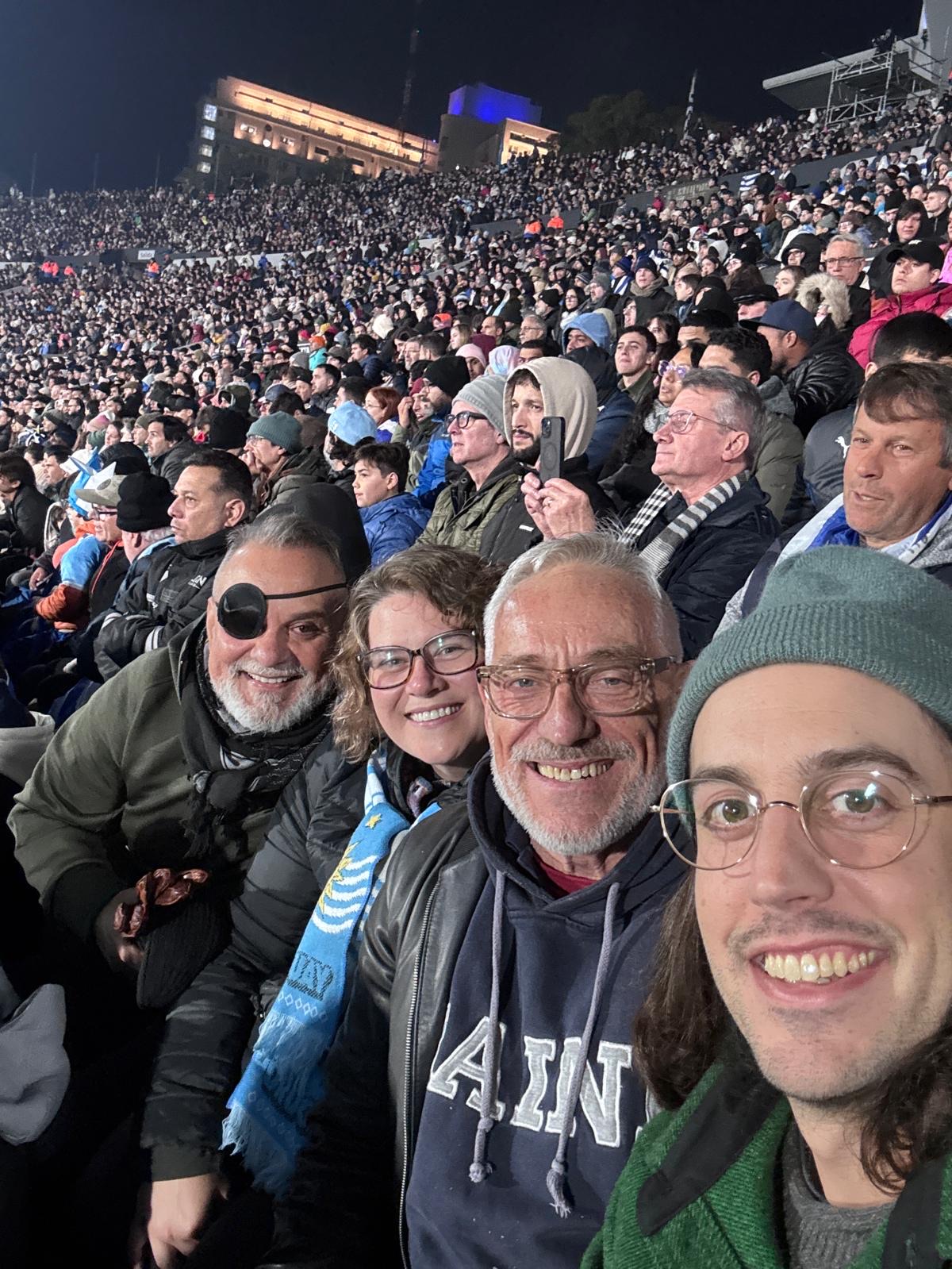
Host country: Uruguay
Host employer: REDALCO, a nonprofit organization aimed at reducing food waste
Major: Doctoral candidate in agricultural leadership, education and communication
Coming back was really hard; I almost didn’t get on the plane. I almost felt radicalized in the realization that I should be working for my family, my friends and myself, not just the grind. I really appreciated a slower but more intentional pace of life.”


Applications for the certificate program are open year-round. Ideal candidates will be eager to build global agricultural awareness, strengthen communication and analytical skills, and be willing to spend at least two months in an immersive international experience like an internship, research exchange or semester exchange program.
During their time abroad, students will gain hands-on experience that enhances their professional readiness in internationally connected agricultural sectors.
“While we hope students gain foreign language skills and expand their global perspective, I also really love seeing the self-confidence and adaptability that students develop through overcoming the challenges of living in a new culture, traveling independently and getting out of their comfort zone,” McMaken said.


