
Takeaways
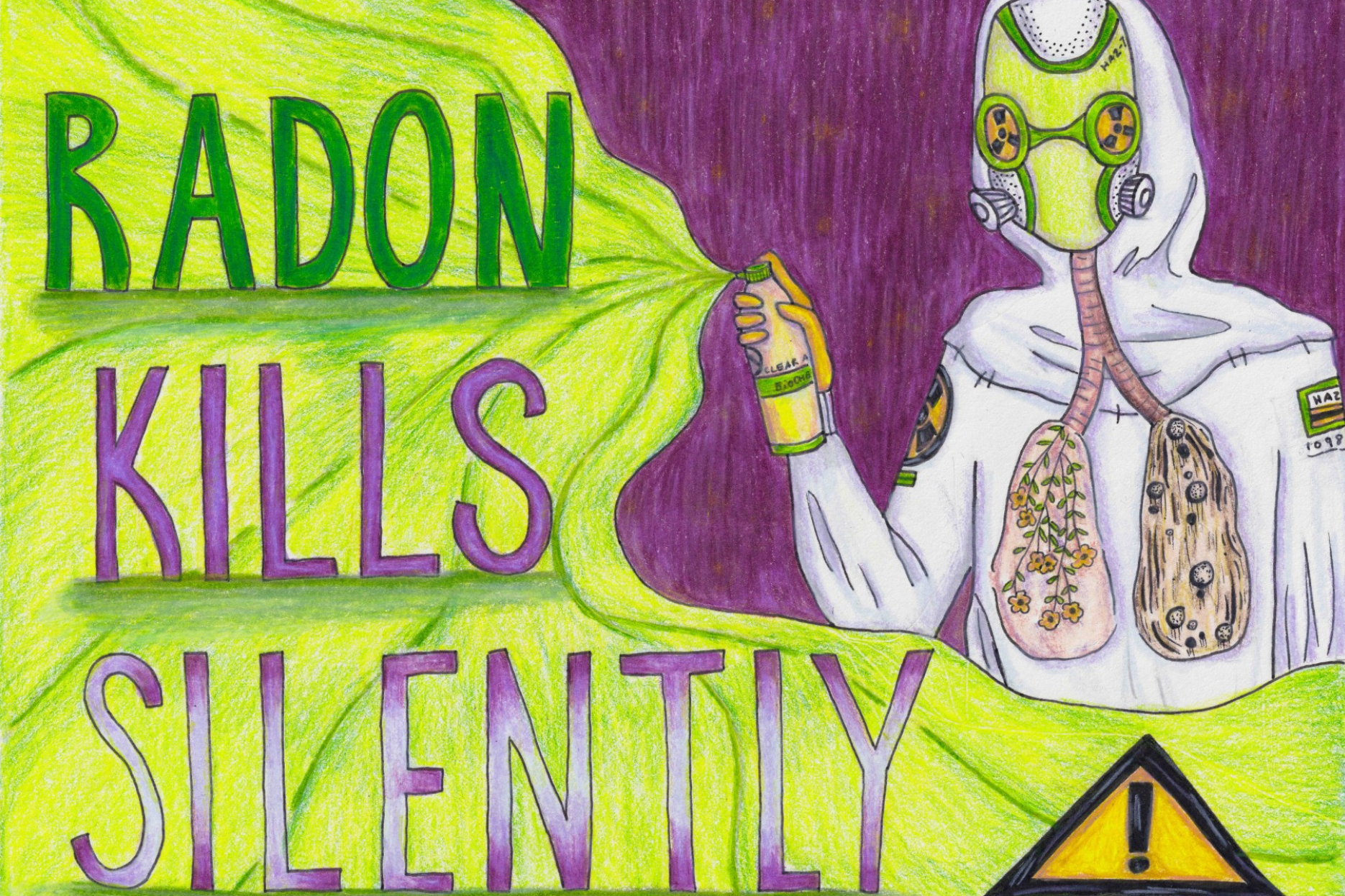
- Radon is a colorless, odorless radioactive gas and the second-leading cause of lung cancer in the U.S., making home testing essential everywhere in Georgia — regardless of county risk maps.
- The most important prevention step is routine testing every two years; short-term test kits are inexpensive, easy to use and the only way to know a home’s radon level.
- High radon levels are fixable through certified mitigation systems, and UGA Extension provides testing support, education and guidance to help residents take action.
Most environmental hazards announce themselves. Smoke fills a room. A strange smell sends you out the door. But radon offers no such warning. Colorless, odorless and tasteless, the radioactive gas seeps into homes through microscopic cracks in the foundation and quietly increases a family’s risk of lung cancer.
“That invisibility is exactly why the message matters,” said Rebecca Cantrell, radon educator for University of Georgia Cooperative Extension in the College of Family and Consumer Sciences. “Most people don’t even know radon exists. They’ve never heard of it until someone tells them, and once they know, they’re surprised by how serious it is.”
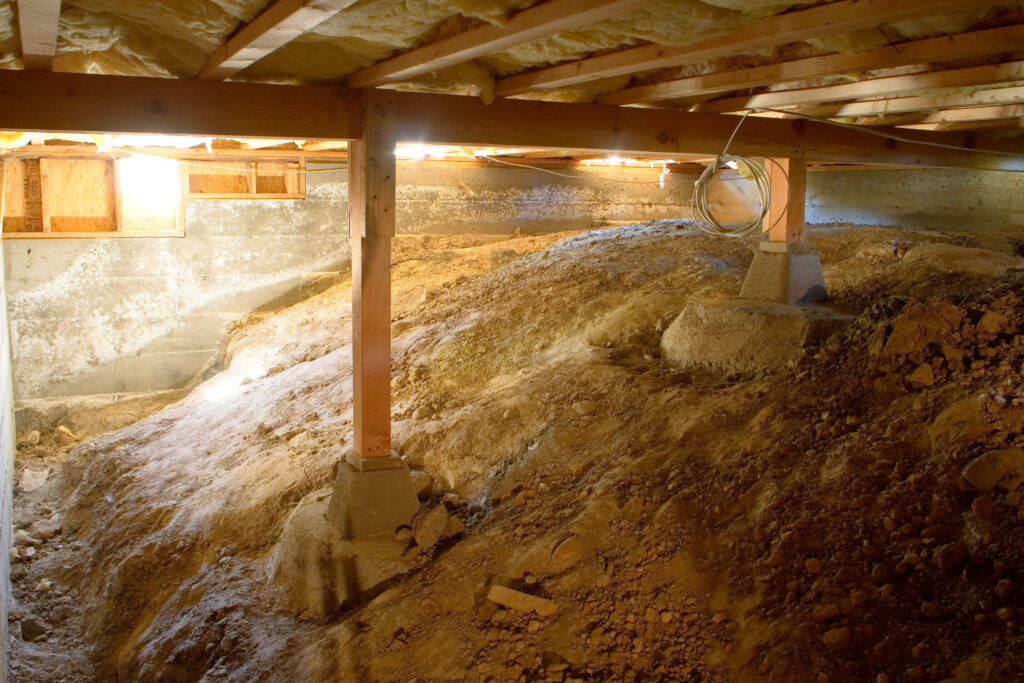
Radon forms when uranium in rocks and soil breaks down. Those radioactive particles damage lung cells when inhaled, making radon the second-leading cause of lung cancer in the U.S. While northeast Georgia’s geology creates a higher baseline risk — especially along the Appalachian foothills — Cantrell stresses that every home should be tested. “You can’t look at a map and assume you’re safe,” she said. “Even in places with historically low results, there are homes with extremely high levels.”
A recent example is from Chatham County in the Coastal Plain region of the state, which typically appears as low risk on Georgia’s radon map. A home test kit recorded a level of 49.7 picocuries per liter — more than 12 times the federal action level.
“It doesn’t matter what your county looks like or what your neighbor’s level is,” Cantrell said. “You could be that one home sitting on a uranium deposit or have a tiny crack in the foundation you can’t see. You won’t know without testing.”
Test for radon every two years
UGA Extension and the Environmental Protection Agency recommend testing every home, not just those with basements, crawl spaces or older construction. “Those are common myths,” she said. “Any home can have radon. Even new construction can have it.”
Short-term test kits are inexpensive and easy to use. If results come back low, homeowners should retest every two years. If levels are high, Cantrell first encourages a second test to confirm the reading.
The next step is to contact a certified radon mitigator, which can be more complicated in Georgia than in many other states. Georgia lacks a regulatory system for radon mitigation, allowing anyone to install a system without proper training. For that reason, UGA Extension recommends hiring nationally certified professionals.
Cantrell maintains an updated list of certified mitigators and reaches out directly to residents who submit tests through UGA. “Even if someone buys a kit from a hardware store, they can still call me,” she said. “I’ll walk them through the results, next steps, anything they need.”
A mitigation system usually takes one to two days to install, depending on the home. The most common method, sub-slab depressurization, uses a fan and piping system to pull radon from beneath the house and vent it safely through the roof. Systems typically last 10 to 15 years. Costs vary widely, depending on the construction, ranging from about $1,200 to $5,000.
Radon also occurs in well water, although only those with private wells need to test for it. Municipal systems are not at risk. Cantrell advises homeowners with wells to test both water and air, and retest periodically.
Be proactive with radon-resistant new construction
She also encourages radon-resistant new construction whenever possible. Adding basic features such as passive piping routes or a junction box in the attic makes it far easier and cheaper to activate a mitigation system later.
“Builders are already installing so many home systems,” she said. “Adding radon-resistant features is a small step with a big payoff.”
Taking radon education into Georgia communities
As part of UGA Extension’s statewide radon program, Cantrell fulfills kit orders, reviews test results, contacts residents about next steps and develops educational materials for social media and community outreach. But her favorite days are the ones on the road.
“I love getting out and teaching,” she said. “Homeowners, real estate agents, community groups — once people understand what radon is, they want to protect themselves.”
She also works closely with Extension agents across the state. Agents in 16 counties participate on the Extension Radon Team, and many others invite her to health fairs, libraries and local events. Residents can also explore UGA’s interactive radon map, which shows county-level testing volume, elevated results and historical trends. Cantrell hopes the tool encourages testing rather than offering false reassurance.
“It’s a helpful tool, but it’s not a prediction,” she said. “It shows patterns, not what’s happening under your house.”
One message above all: test your home
Asked what she wishes every Georgian understood about radon, Cantrell’s answer was simple: “That it exists. Not because people doubt it, they just don’t know about it.” She hopes to make radon awareness as ordinary as checking a smoke detector.
“Testing is quick and inexpensive,” she said. “If your home has high levels, you can fix it, but you have to know.”