Landscaping
-

C 1032-2
Working with a Garden Designer
Designing a landscape is much like designing the interior of a house. Colors, patterns and textures must be arranged in a manner that is functional and suits the taste of the owner. The one major difference with landscape design is that most of the elements are living, providing seasonal change, forever growing taller and wider, and occasionally dying. An experienced garden designer has the ability to incorporate all this information into the design, but the homeowners must do their homework and be prepared to talk to the designer. This publication will help homeowners develop a plan for working with a landscape designer.
|
-
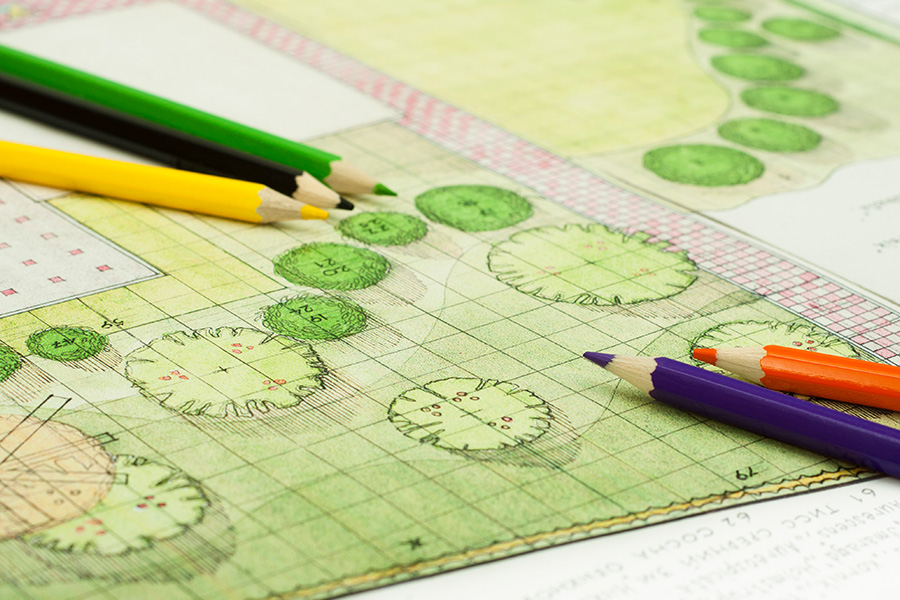
Preparing a landscape plan can be an enjoyable and satisfying experience if you do a little homework and follow a few guidelines. A simple landscape base map can be drawn without a computer, special software or even expensive drafting supplies, and is the first step in developing a landscape plan. The base map is an accurate representation of the existing landscape, scaled to fit the paper, showing information such as house dimensions, distance to street, and the location of trees,
woods, driveways and sidewalks, if these are already present in the landscape. This publication explains how to draw a base map for landscape planning.|
-
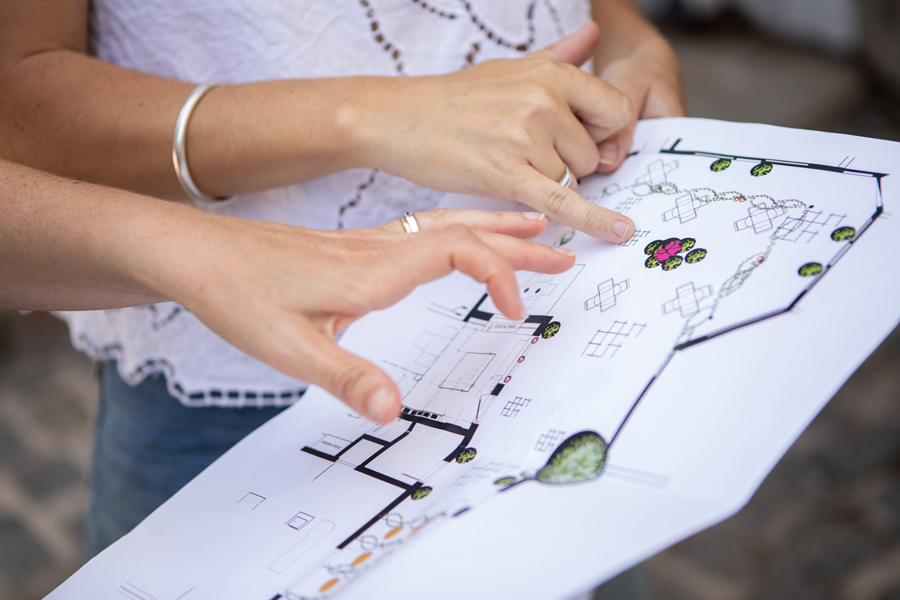
Designing a beautiful landscape for the home can be a very enjoyable and satisfying experience. With a little homework, a landscape plan is within reach of most homeowners. Before great ideas can become a plan, you must determine the limitations and assets of the site. This publication briefly describes how to create a site analysis for landscape design.
|
-
C 1260
Azalea Bark Scale
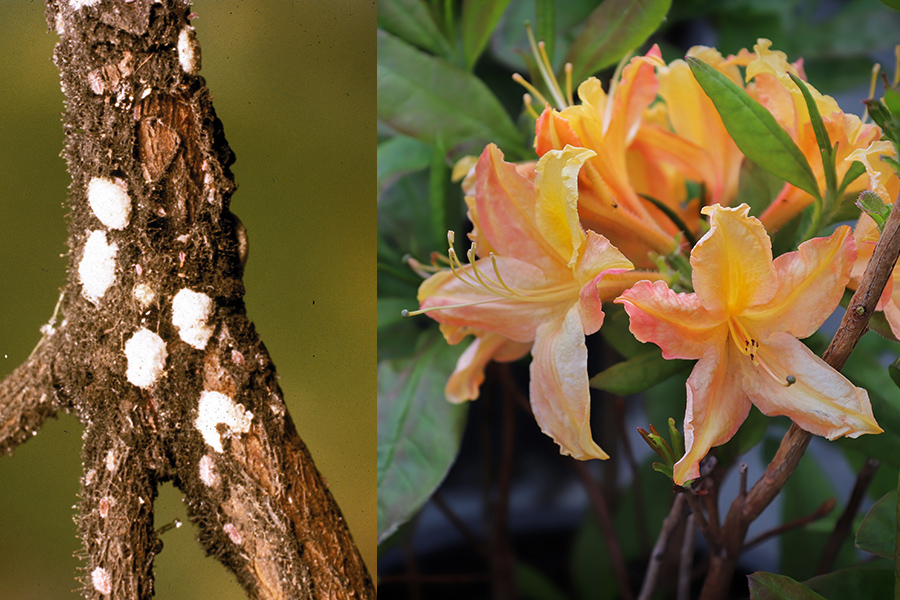
Azalea bark scale (ABS) poses a serious threat to azaleas, rhododendron, and Pieris (Andromedas) in Georgia. ABS is a soft scale insect; the nymph and female soft scales secrete a protective coating of waxy crust on their body that cannot be separated from the scale insect. ABS also is found on blueberry, hawthorn, huckleberry, poplar, and
willow. ABS is found in cracks or crevices in the surface of the bark, and also in areas where azalea branches fork. ABS can undergo two generations per year in Georgia.
Symptoms of ABS infestation include dropping yellow leaves and dying branches. Developing nymphs and females excrete a sugary syruplike liquid called honeydew on to the bark and leaves. As time passes, the surface of the bark, and sometimes the leaves, turns black because it gets infested with a sooty mold fungus that
feeds on the sugary secretions. The white crusts of scale insects are easily visible when the azalea bark turns completely black. An ABS infestation rarely kills the plant unless it is extremely severe and uncontrolled.|
-

The Georgia Master Gardener Handbook, 8th Edition, is the official reference text produced by the University of Georgia and developed for Master Gardener training. For more information about the Georgia Master Gardener Extension Volunteer Program, visit www.GAmastergardener.org.
This book, published in 2021, is currently available at $95 per copy (including tax). Single copies (no certificate or badge included) may be purchased online with a credit card at the UGA Extension Store website. Delivery will be 7-14 business days from receipt of order. Please include a street address rather than a P.O. box. Sales of books and data are considered final. Materials returned because of damage in shipping will be replaced.
This edition was extensively revised and updated in 2021. This edition also includes an all-new guide to the Master Gardener experience.
This 8.5 x 11″ book is perfect-bound with soft cover and contains 978 pages with color photos.
|
-

New ornamentals have long been considered the lifeblood of the green industry. This publication contains recommendations for best-performing new annuals based on research conducted at the Trial Gardens at the University of Georgia, showcasing the plants that were awarded the Classic City Award in 2016.
|