Health and Family Resources
-
B 1428-1
Building a Home Emergency Kit
This is a basic list of supplies you should have ready for emergencies. Keep the items you will most likely need during an evacuation in an easy-to-carry, waterproof container. Be mindful that this is a basic list of supplies. A more comprehensive list can be found in the Home Emergency Management Guide.
|
-
La diabetes es una condición crónica que requiere un manejo continuo para mantener niveles saludables de glucosa en sangre y prevenir complicaciones. Las decisiones que se toman al hacer las compras influyen directamente en la alimentación diaria, pero este proceso puede resultar confuso.
Para facilitarlo, se recomienda planificar con anticipación, revisar los alimentos disponibles en casa, elaborar una lista y evitar compras impulsivas. También es útil considerar cómo se integrarán los alimentos en las comidas, aprovechar ofertas y organizar las compras de forma eficiente. Elegir alimentos saludables y comprender la etiqueta nutricional—incluyendo el tamaño de la porción, calorías, grasas totales, carbohidratos totales, fibra, azúcares añadidos, proteínas y sodio—permite tomar mejores decisiones. Estas estrategias ayudan a simplificar las compras y a apoyar un mejor manejo de la diabetes.
|
-
C 1364-12-SP
Los carbohidratos
NewLos carbohidratos son los nutrientes que más influyen en los niveles de glucosa en sangre, por lo que es importante comprender su impacto al vivir con diabetes tipo 2. Sin embargo, puede resultar difícil identificar la cantidad y calidad de carbohidratos en alimentos procesados o empacados. Además, términos como “carbohidratos netos” o “efectivos” pueden generar confusión y llevar a percepciones equivocadas sobre ciertos productos.
Por ello, es fundamental entender qué son los carbohidratos, cómo se clasifican, qué son los azúcares añadidos y cómo interpretar la información en las etiquetas. Aprender a identificar fuentes de carbohidratos más saludables permite tomar decisiones más saludables y apoyar un mejor manejo de la glucosa en sangre.
|
-
 New
NewLa diabetes es una condición crónica en la que el cuerpo no produce suficiente insulina o no la utiliza de manera eficiente, lo que provoca niveles elevados de glucosa en sangre. La actividad física es clave para su manejo, ya que ayuda a controlar la glucosa y mejorar la salud general.
Esta publicación ofrece recomendaciones para mantenerse activo/a de forma segura, incluyendo cómo prepararse antes del ejercicio, qué precauciones tomar, cuánto ejercicio se recomienda y qué hacer después de la actividad. También aborda consideraciones especiales para personas con complicaciones médicas relacionadas con la diabetes y señales de alerta para buscar atención médica.
|
-
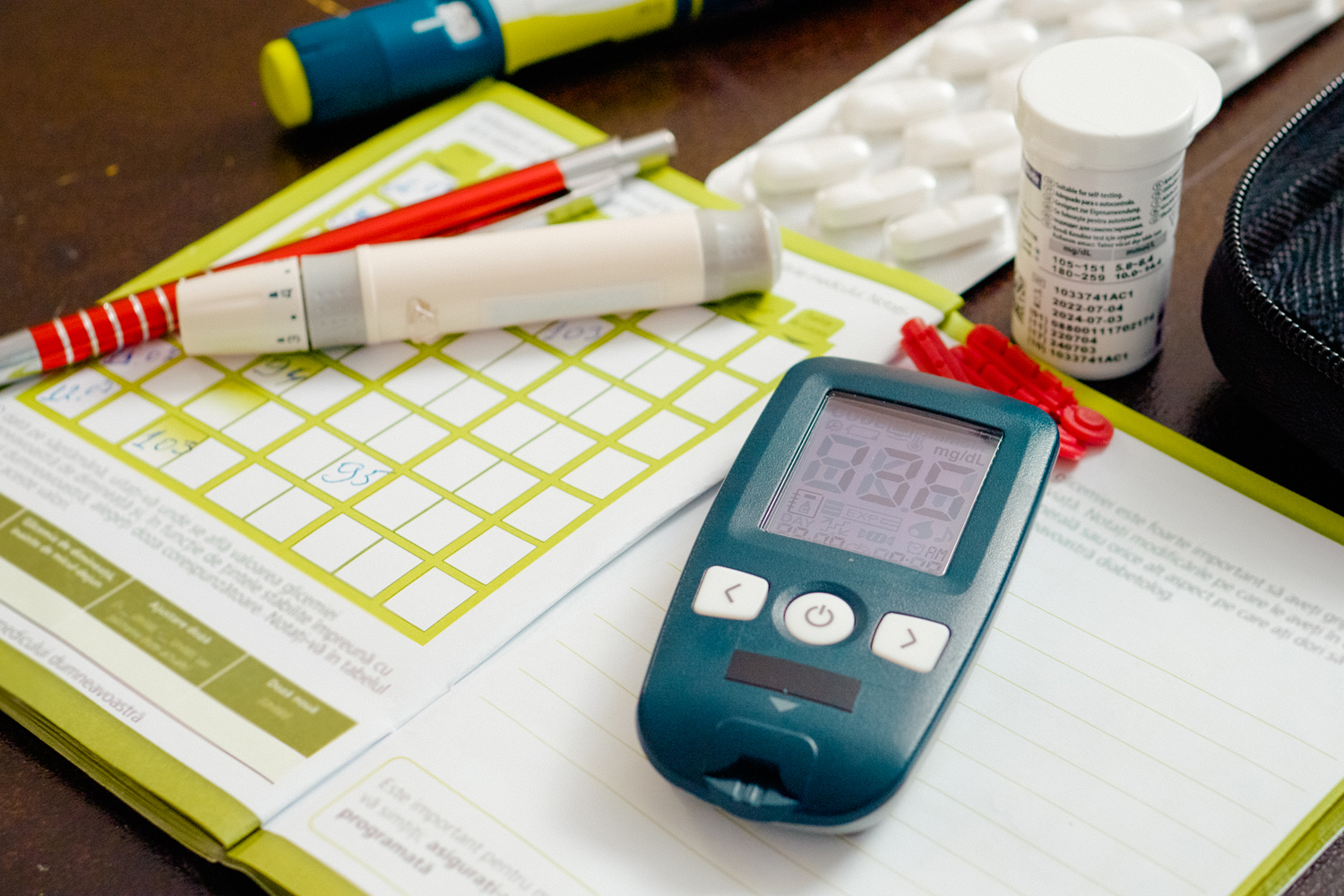
Esta publicación destaca la importancia de monitorear la glucosa en sangre como parte fundamental del manejo de la diabetes, ya que permite prevenir complicaciones graves como la neuropatía y la cetoacidosis diabética. Explica cuándo y cómo medir los niveles de glucosa, incluyendo el uso de glucómetros y monitores continuos de glucosa (MCG), así como los pasos básicos para una medición adecuada y consejos prácticos para su uso.
Además, presenta el papel de la prueba de hemoglobina A1C para evaluar el control a largo plazo y resume los puntos clave que las personas deben recordar para mejorar su autocuidado, tomar mejores decisiones para mantener un mejor control de su salud.
|
-

Esta publicación explica cómo planificar y preparar comidas saludables y sabrosas para personas con diabetes, destacando que manejar la alimentación no significa renunciar al sabor, sino hacer elecciones equilibradas que ayuden a mantener estables los niveles de glucosa en sangre. Presenta el Método del Plato para la diabetes como una herramienta visual sencilla para estructurar las comidas y guía al lector a través de cinco pasos prácticos: comenzar con un plato de tamaño adecuado; preparar verduras sin almidón con sabor utilizando diversas técnicas de cocción y recomendaciones según sean frescas, congeladas o enlatadas; elegir y cocinar proteínas magras de manera inteligente; seleccionar alimentos con carbohidratos ricos en fibra; y optar por bebidas sin calorías, incluyendo ideas para aguas saborizadas naturales. También ofrece orientación sobre cómo combinar adecuadamente los alimentos en el plato y el uso de endulzantes y sustitutos del azúcar. Además, se informa que la Asociación Americana de la Diabetes pone a disposición recetas gratuitas y saludables en su sitio web para apoyar a las personas que viven con diabetes. El objetivo es brindar herramientas prácticas, culturalmente relevantes y sostenibles que faciliten el autocuidado y promuevan una alimentación saludable a largo plazo.
|
-

C 1364-09-SP
Disfrute las fiestas con alegría y cuide su salud
Esta publicación ofrece orientación práctica para que las personas con diabetes puedan disfrutar de las celebraciones sin comprometer su salud. Reconoce que las fiestas, las reuniones familiares y los eventos religiosos son momentos importantes en la cultura, y que la comida tradicional suele ocupar un lugar central. Por ello, brinda estrategias sencillas y realistas organizadas en dos momentos clave: antes y durante las celebraciones. Antes de las fiestas, se recomienda planificar comidas y compras, utilizar el Método del Plato para la Diabetes, cocinar con anticipación, buscar recetas más saludables, mantenerse activo y establecer metas pequeñas y alcanzables. Durante las celebraciones, se sugiere mantener horarios regulares de comida, no saltarse las comidas, llevar un platillo saludable, elegir con inteligencia en el bufet, comer despacio, planificar el consumo de postres, seleccionar bebidas adecuadas, monitorear los niveles de glucosa y realizar actividad física ligera, como caminar después de comer. El objetivo es proporcionar herramientas prácticas que permitan disfrutar plenamente de las tradiciones mientras se mantienen niveles de glucosa bajo control y se protege la salud.
|
-
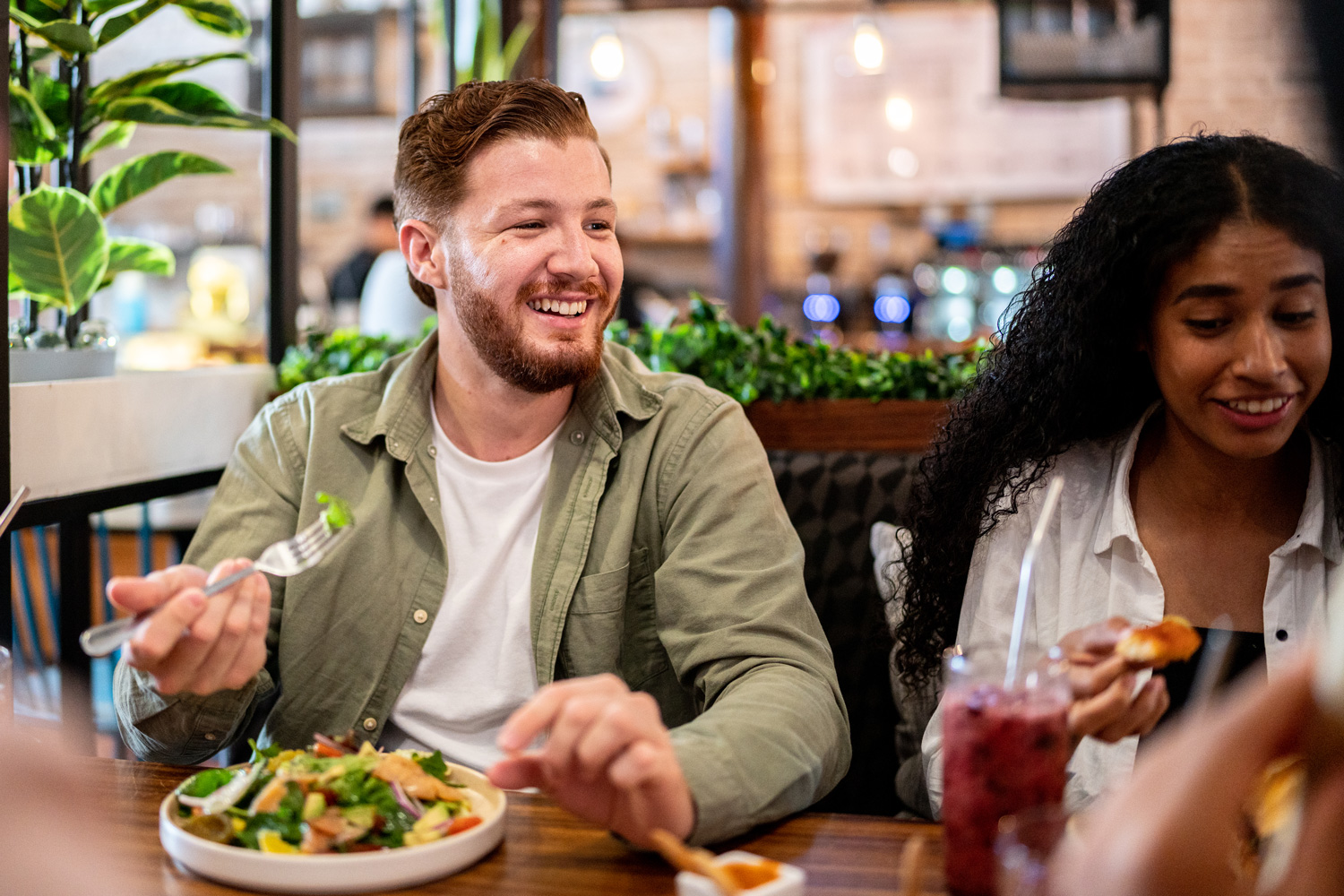
C 1364-10-SP
Comer fuera de casa cuando tiene diabetes
Comer fuera de casa es una actividad común por motivos sociales o de conveniencia, y las personas con diabetes pueden disfrutarla sin descuidar su salud. Sin embargo, los alimentos de restaurante suelen contener más calorías, sodio y grasa, lo que puede dificultar el control de la glucosa en sangre. Además, al comer fuera, no siempre se sabe cómo se preparan los alimentos, lo que añade un reto adicional. Para apoyar una mejor toma de decisiones, se recomienda aplicar estrategias prácticas como planificar con anticipación, controlar las porciones, hacer pequeños ajustes en los platillos, elegir opciones más saludables según el tipo de cocina, y tomarse el tiempo para hacer preguntas sobre la preparación de los alimentos. Estas acciones permiten equilibrar la conveniencia con el bienestar y favorecen un mejor manejo de la diabetes en la vida diaria.
|
-

This circular provides a basic summary of the best management practices of integrated mosquito management. These practices begin with education and communication and progress through surveillance, source reduction, larviciding, and adulticiding. The circular presents guidelines that communities can use to help develop the most effective mosquito management program possible with the resources available. Using these practices will help to minimize pesticide exposure to pollinators and other non-target pests.
|