UGA College of Agricultural & Environmental Sciences Field Report
  • Stories
    Almanac

    Science in service of humanity and the environment

    Read our annual magazine here

    READ


    Dive into engaging stories that showcase our statewide, national and global impact.

    Check out our written stories here

    LOOK


    Browse curated photo galleries capturing the people, places and programs that bring CAES to life.

    Check out our photo galleries here

    WATCH


    Experience our stories through videos that highlight our people, projects and passions in action.

    Check out our video library here

    LISTEN


    Tune in to “Cultivating Curiosity,” our podcast featuring in-depth conversations with CAES experts.

    Check out our podcast here
  • Expert Resources

    Expert Resources


    Gardening
    Invasive species
    Food and food safety
    Ants, termites and other pests
    Pollinators
    Livestock
    Emergency preparedness
    Home safety and maintenance
    Health, family and finances
    Nutrition
    Water quality
    Lawn maintenance and landscaping
    Turfgrass
    View all topics

    What is an Expert Resource?


    We publish unbiased, research-backed expert advice to empower Georgians with practical, trustworthy information they can trust.

    These resources are written and reviewed by experts in the UGA College of Agricultural and Environmental Sciences and the UGA College of Family and Consumer Sciences.

    Learn how we produce science you can trust
  • Events
  • Contact
  • Read
  • Look
  • Watch
  • Listen
Subscribe
  • LinkedIn
  • Facebook
  • Instagram
  • Stories
    Almanac

    Science in service of humanity and the environment

    Read our annual magazine here

    READ


    Dive into engaging stories that showcase our statewide, national and global impact.

    Check out our written stories here

    LOOK


    Browse curated photo galleries capturing the people, places and programs that bring CAES to life.

    Check out our photo galleries here

    WATCH


    Experience our stories through videos that highlight our people, projects and passions in action.

    Check out our video library here

    LISTEN


    Tune in to “Cultivating Curiosity,” our podcast featuring in-depth conversations with CAES experts.

    Check out our podcast here
  • Expert Resources

    Expert Resources


    Gardening
    Invasive species
    Food and food safety
    Ants, termites and other pests
    Pollinators
    Livestock
    Emergency preparedness
    Home safety and maintenance
    Health, family and finances
    Nutrition
    Water quality
    Lawn maintenance and landscaping
    Turfgrass
    View all topics

    What is an Expert Resource?


    We publish unbiased, research-backed expert advice to empower Georgians with practical, trustworthy information they can trust.

    These resources are written and reviewed by experts in the UGA College of Agricultural and Environmental Sciences and the UGA College of Family and Consumer Sciences.

    Learn how we produce science you can trust
  • Events
  • Contact
  • Read
  • Look
  • Watch
  • Listen
Subscribe
  • LinkedIn
  • Facebook
  • Instagram
Subscribe
  • LinkedIn
  • Facebook
  • Instagram
  1. Home
  2. Stories
  3. Story Topics
  4. Home
  5. Pest Control

Pest Control

Use the Advanced Search
  • C 1289

    Managing Joro Spiders in the Landscape

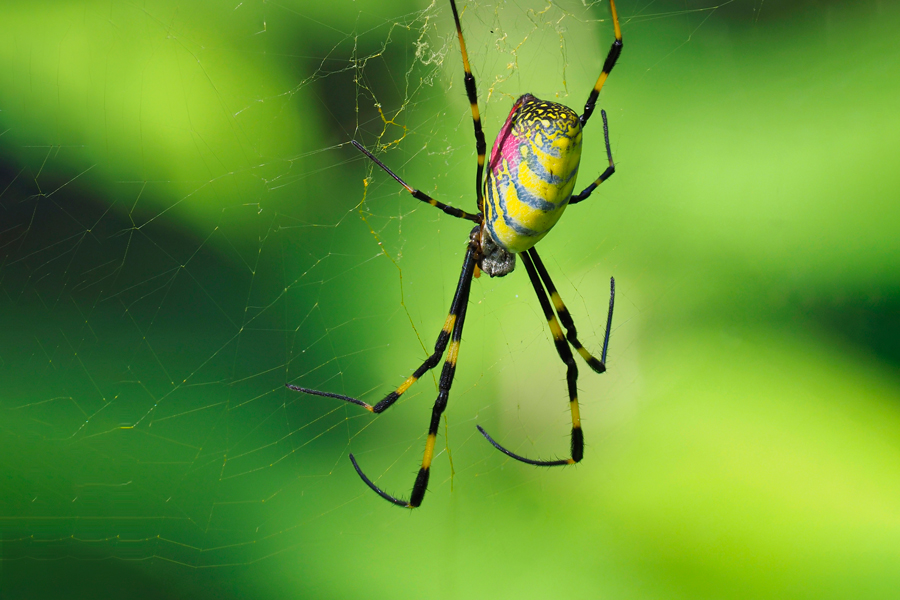
    The publication gives basic biology and description, with images, of the spider’s immature and adult forms, along with recommendations for managing them around the home. The Joro spider is a native of Japan and East Asia that was first documented in the United States in 2014 in northeast Georgia. The initial population appeared to be centered around Braselton and Hoschton, GA, along I-85. By 2022, the spiders had spread about 75 miles in all directions from that initial detection. The native range of these spiders in Asia extends from southeast Asia northward through a swath of eastern China, the Korean peninsula, and all but the northernmost island of Japan, and westward to India and the foothills of the Himalayas. Given that distribution, there seems to be no obstacle to the Joro eventually expanding its range to include all of Georgia, the Southeast, and most of the rest of the eastern U.S. as well.

    William G. Hudson, Shimat V. Joseph, and Jason Schmidt

    |

    July 13, 2023
  • two tawny ants holding onto a drop of food

    B 1521

    Managing Tawny Crazy Ants: Guidelines for the Pest Management Professional

    Tawny crazy ants have proven to be a major nuisance to Georgia residents. This publication helps readers identify these ants and provides guidance for pest management professionals to manage and eliminate them.

    Dan Suiter

    |

    June 8, 2023
  • B 1378

    Stored Product Pests in the Home

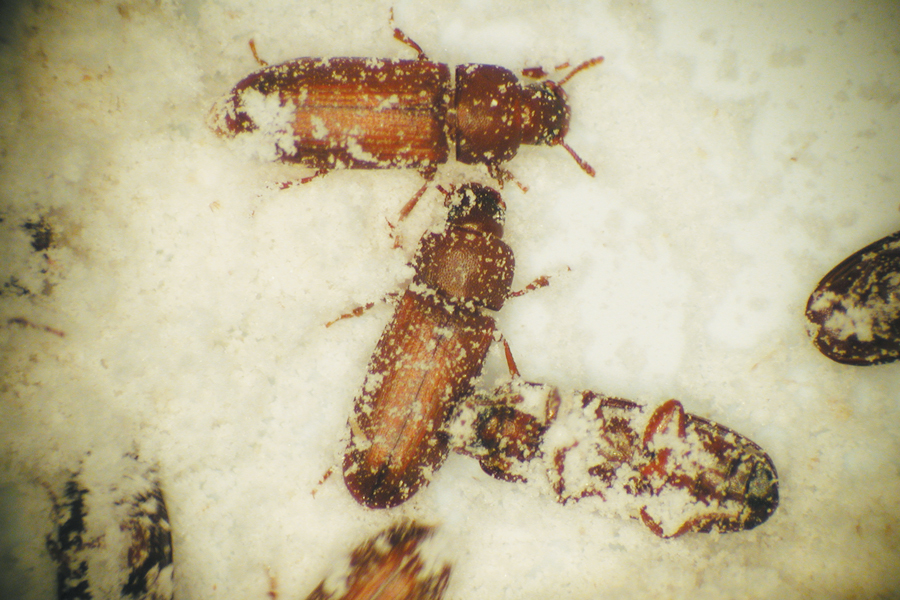
    Several dozen insect species infest food and non-food products of plant and animal origin commonly found in homes. Collectively, this group of insects is referred to as stored product pests. Most are small beetles or moths. For homeowners, often the first sign of a stored product pest infestation is the sudden, unexplained and then persistent presence of numerous insects in a particular area of the home.

    Dan Suiter, Michael D Toews, and Lisa Ames

    |

    May 23, 2023
  • C 1266

    Mosquito Control Around the Home

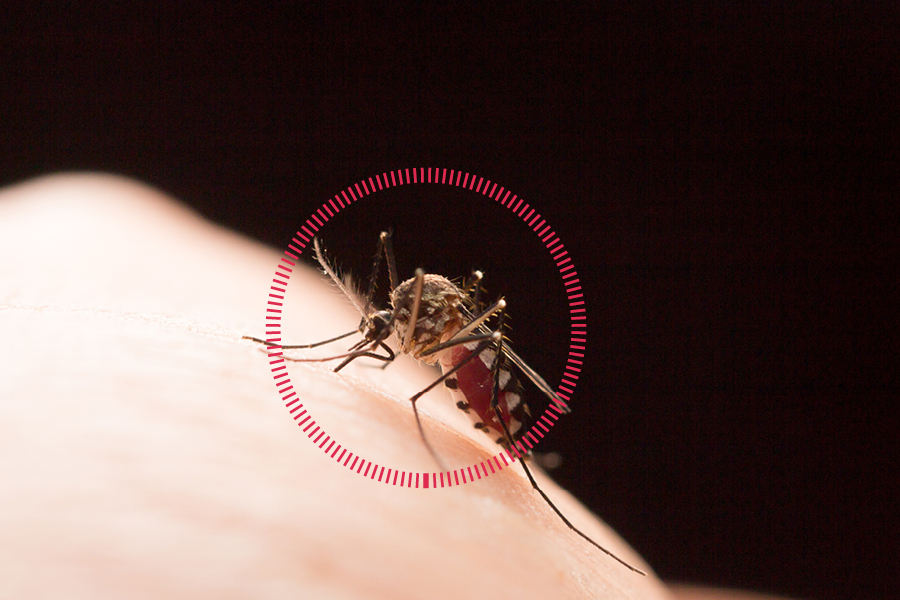
    Mosquitoes are one of the most common insect pests that homeowners encounter. This circular introduces a few of the basic techniques and materials that homeowners can use to safely reduce mosquito populations around the home. Becoming familiar with mosquito biology is the first step in using an integrated pest management approach to efficiently and effectively reduce mosquito populations. By learning about mosquito biology, source reduction, surveillance and control, homeowners can become active participants in their own mosquito control program. An integrated approach is the most effective way for homeowners to reduce mosquito populations and reduce the need for pesticide applications in their community.

    Elmer Gray

    |

    April 28, 2023
  • C 1108

    Don’t Let the Bed Bugs Bite: Avoiding Bed Bugs in Your Home

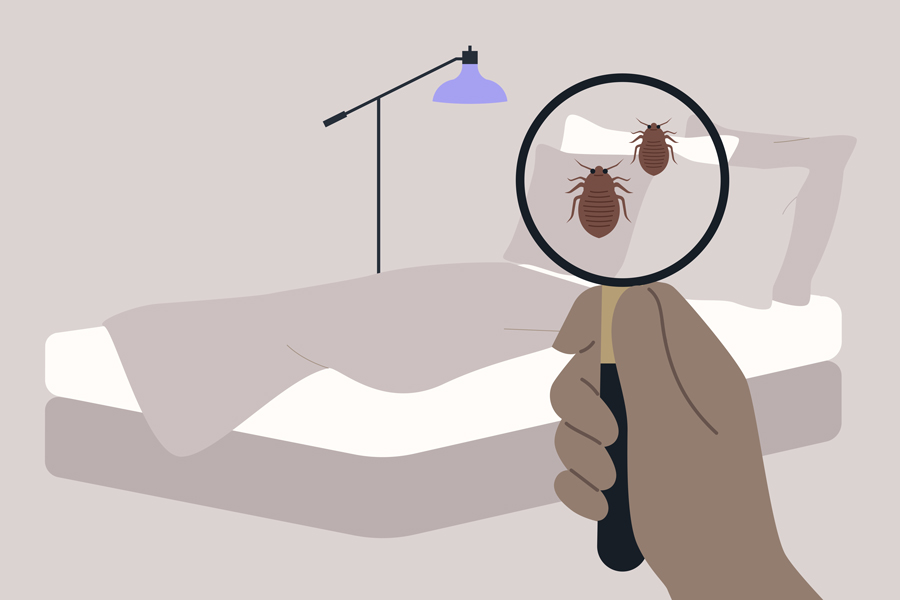
    This publication presents helpful information about bed bugs and ways to reduce the risk of bringing them into your home. The circular includes a helpful guide to shopping for secondhand items.

    For a handy quick-reference guide, download the two-page version of Circular 1108, Don’t let the bed bugs bite.

    Jackie E. Ogden and Pamela R. Turner

    |

    March 1, 2023
  • Identifying the Formosan Subterranean Termite

    C 868

    Identifying the Formosan Subterranean Termite

    Although rare, Formosan subterranean termite infestations have been found in Georgia. Formosan termites are not native to the U.S. They are commonly spread by movement of infested railroad crossties used in the construction of retaining walls and other landscape features.

    Dan Suiter

    |

    Jan. 31, 2012
Previous Page
1 … 3 4 5

About CAES

CAES Home

Overview

History

Administration

Jobs

Personnel Directory

Privacy Policy

Accessibility Policy

AI Guidelines

Affiliations

UGA Cooperative Extension

Tifton Campus

Griffin Campus

University of Georgia
  • Schools and Colleges
  • Directory
  • MyUGA
  • Employment Opportunities
  • Copyright and Trademarks
  • UGA Privacy Policy
  • Submit a Student Complaint
#UGA on
© University of Georgia, Athens, GA 30602
706‑542‑3000