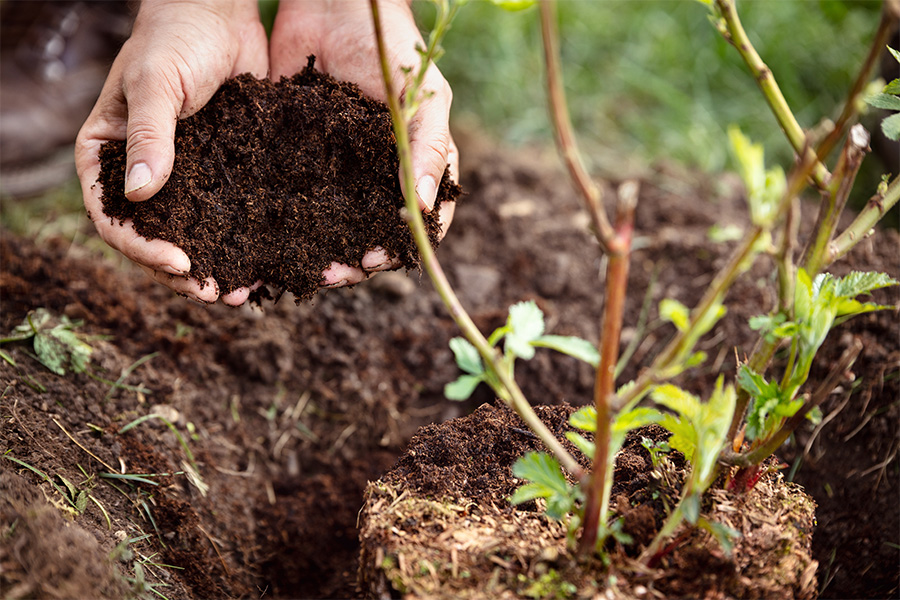
Composting is an easy way to turn everyday food scraps and yard waste into something useful for your garden while reducing waste.
Getting started can feel overwhelming at first, but a few simple habits can make a big difference in keeping your compost pile healthy and manageable.
To help beginners get started with confidence, we turned to composting guidance from the University of Georgia Cooperative Extension expert resource “Composting Basics and Considerations for Growers and Landscapers,” developed by faculty in the College of Agricultural and Environmental Sciences (CAES), with pro tips from Agriculture and Natural Resources Extension Agent Josh Fuder.
Do: Balance greens and browns

Related Content
A successful compost pile depends on the right mix of carbon-rich “browns” and nitrogen-rich “greens.” Browns include dry leaves, cardboard and aged wood chips, while greens include grass clippings, coffee grounds and fruit and vegetable scraps.
Pro tip: Fuder said to aim for roughly 2.5 to 3 times more browns to greens to support healthy microbial activity and efficient decomposition.
Don’t: Let your compost pile get too wet or too dry
A proper moisture level is critical for healthy decomposition. Compost that is too dry can slow microbial activity and prevent breakdown. Alternatively, compost that is too wet can become anaerobic, create unpleasant odors and become sludge-like. A properly managed pile should feel damp, like a wrung-out sponge. Adding the correct ratio of browns and greens, and adding water if necessary, will help keep your pile at the right moisture level for proper microbial breakdown.
Do: Turn your compost pile regularly

Composting is an aerobic process, meaning that microorganisms need oxygen to break down materials efficiently. Turning the pile every one to three weeks helps improve airflow, speed decomposition and reduce odors. You’ll want to turn the contents from the core to the outside of the pile, and vice versa.
Pro tip: Fuder recommends using a pitchfork or compost aerator to turn your pile regularly. Compost tumblers are another option, but they can be expensive and sometimes frustrating for beginners who don’t get the results they expect.
Don’t: Add oversized materials or animal-based foods
Large branches, thick stems and bulky materials decompose slowly. Chopping or shredding materials into smaller pieces increases surface area and helps microorganisms work more efficiently.
It’s also important not to add foods that have high fat content, especially animal-based food scraps, as they have a tendency to rot rather than decompose and attract pests to your compost pile.
Do: Monitor compost temperatures

Healthy compost piles generate heat as microorganisms break down organic matter. The ideal temperature range for composting varies with the unique phases your pile undergoes during decomposition.
In the first week, make sure it’s steadily heating up. The active “hot” phase should maintain temperatures between 131 and 160 degrees Fahrenheit. During this phase, check the temperature every two to three days. If the temperature begins dropping, it may signal that it’s time to turn your pile. Once your pile begins cooling to no more than 10 degrees above ambient air temperatures, even when you turn it, you’ve entered the curing or maturing phase.
Pro tip: Fuder suggests purchasing a good compost thermometer that can get deep into the compost pile for a more accurate temperature read.
Don’t: Choose the wrong location for your compost pile
Take time to choose a good composting location. Compost piles should be placed in areas protected from flooding and rainwater runoff and should remain accessible year-round for maintenance. Locations near a water source can help if additional water is needed to maintain proper moisture levels.
Full shade and full sun have benefits and drawbacks. Full sun will help raise temperatures for faster decomposition but can overheat or dry out your pile more quickly. Full shade can help keep your pile from drying out but can also slow down decomposition. The most important thing is to check on your pile and make adjustments as necessary.
Do: Pick the composting method that fits your needs
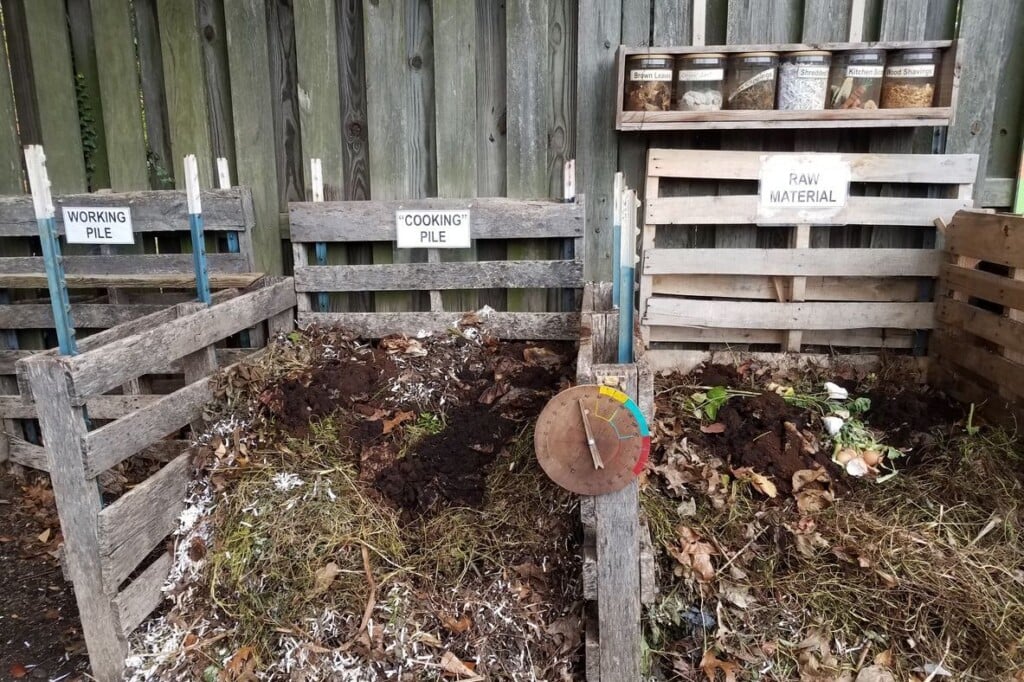
Choosing a composting method can be a matter of trial and error and ultimately comes down to your location, the quantity of input material, and your time-investment preferences. Two- or three-bin rotation systems, compost tumblers and vermicomposting — the process of using worms to break down organic waste into nutrient-rich worm castings — all offer different benefits.
Pro tip: Fuder recommends doing some preliminary research using trusted sources, like UGA Extension composting resources, and connecting with your county Extension agent for one-on-one support as you get started.
Composting with worms, you say? Learn about vermicomposting with UGA Extension agents Josh Fuder and Laura Ney.
Don’t: Expect compost overnight
Good composting takes time. Some composting methods can produce finished compost in a few months, while others can take a year or longer. Healthy, finished compost should appear dark and crumbly and have an earthy smell, with few recognizable food scraps remaining.