Takeaways
- UGA Grand Farm is transforming 250 acres in Perry, Georgia, into a full-scale testing ground for agricultural technology, automation and data-driven farming solutions.
- Backed by strong partnerships and state investment, the collaboration between UGA and Grand Farm is accelerating real-world trials, helping ag tech companies validate tools and deliver practical solutions directly to growers across Georgia and the broader Southeast.
- With advanced irrigation, crop diversity and sustainability-focused land management, UGA Grand Farm is building a scalable model for modern agriculture, designed to boost productivity, support specialty crops and drive long-term innovation in U.S. farming.
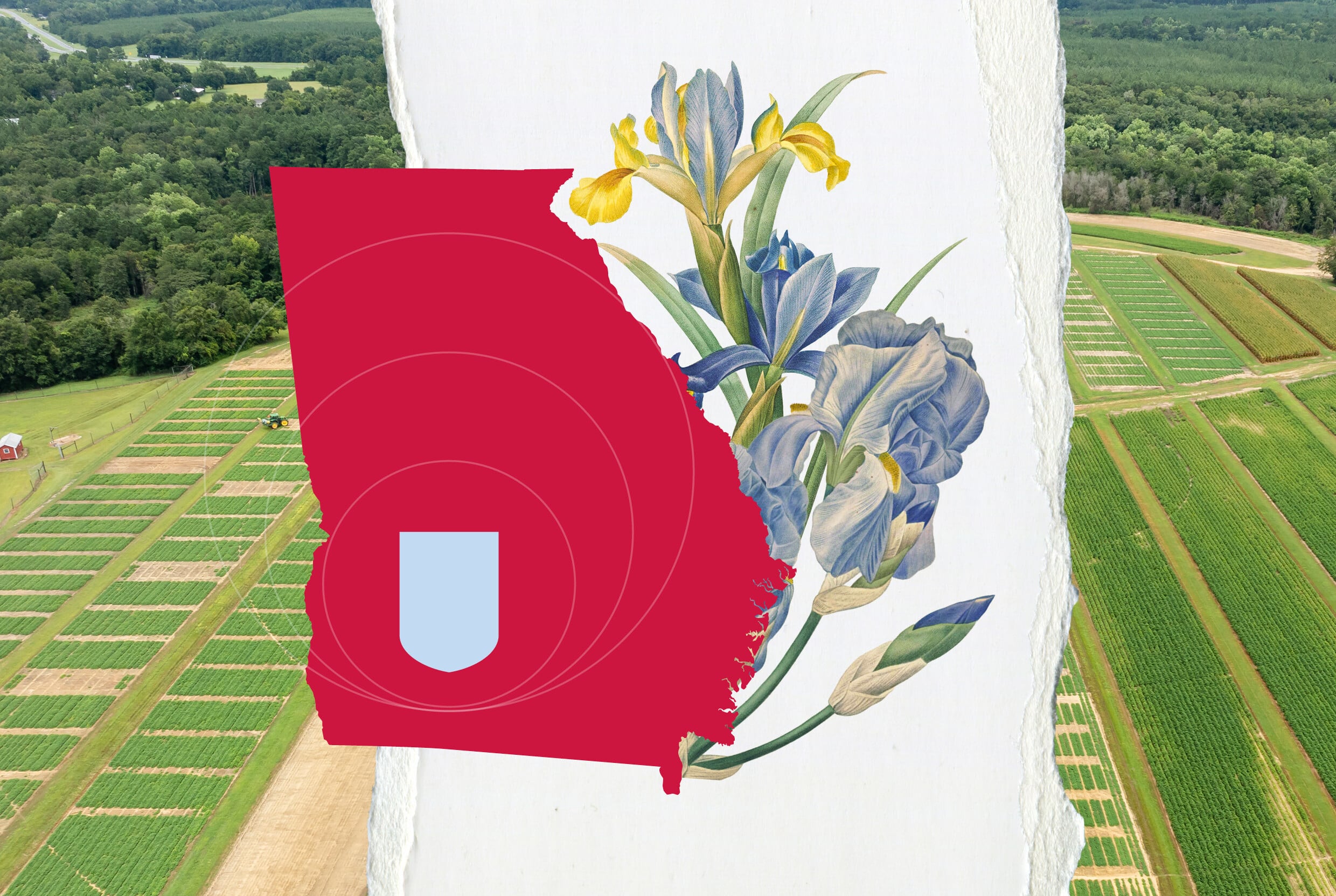
With cotton, soybeans, corn, pecan trees and peanuts already in the ground and irrigation systems installed, the 250-acre University of Georgia Grand Farm is looking dramatically different than it did just over a year ago at its May 2025 groundbreaking.
“2025 was about building the foundation and 2026 is about building on that foundation,” said UGA Grand Farm Regional Director Kaytlyn Cobb. “We’re laying the groundwork for a self-sustaining, nationally unique agricultural innovation system.”
A new model for ag innovation
With UGA Grand Farm, the UGA College of Agricultural and Environmental Sciences and Grand Farm — a leading innovator in agricultural technology — have created a robust regional agricultural innovation ecosystem in Perry, Georgia.
While the last year has seen explosive growth, the roots of this partnership go back to 2019 when University System of Georgia Chancellor Sonny Perdue helped inaugurate Grand Farm during its launch ceremony in North Dakota while serving as U.S. secretary of agriculture. UGA Grand Farm was first announced in June 2024.
At both sites — in Perry, Georgia, and Fargo, North Dakota — growers, researchers, startups, corporations, educators and public leaders can come together to solve real agricultural problems with applied technology.
In Georgia, UGA Grand Farm aims to move innovations beyond Perry and into the hands of growers across the state. The innovation farm develops and demonstrates new agricultural technologies and automation, with a focus on Georgia’s specialty crops and Southeast agriculture.
It’s already accelerating faster than the team and stakeholders imagined.
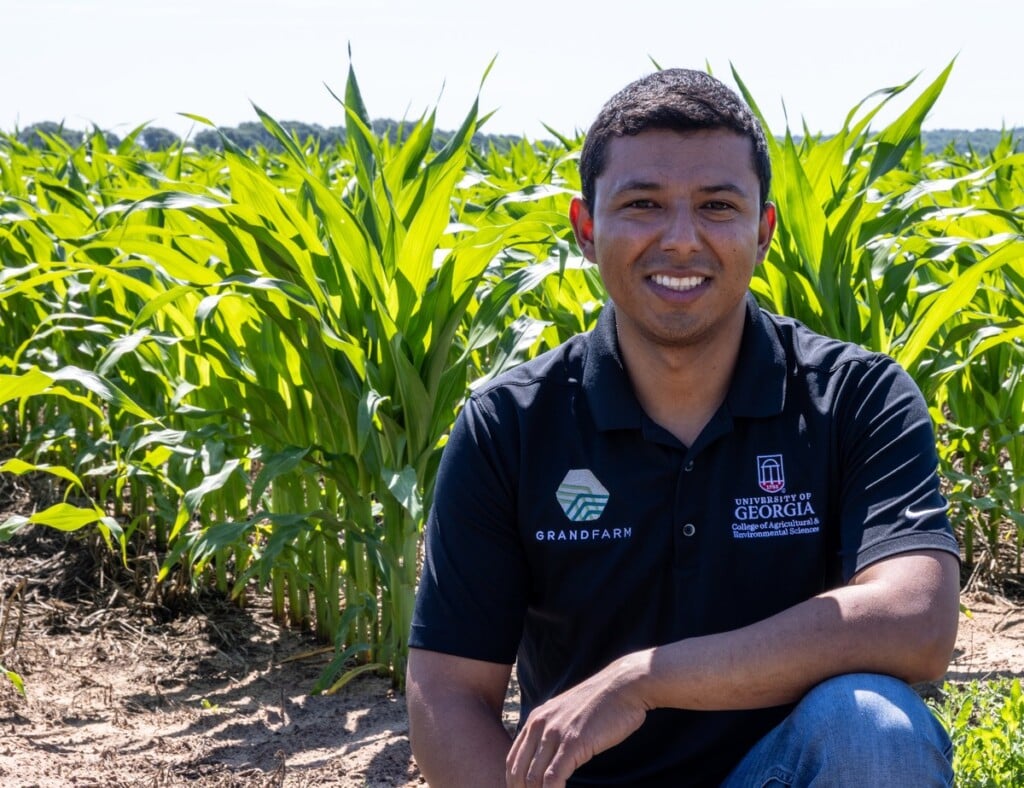
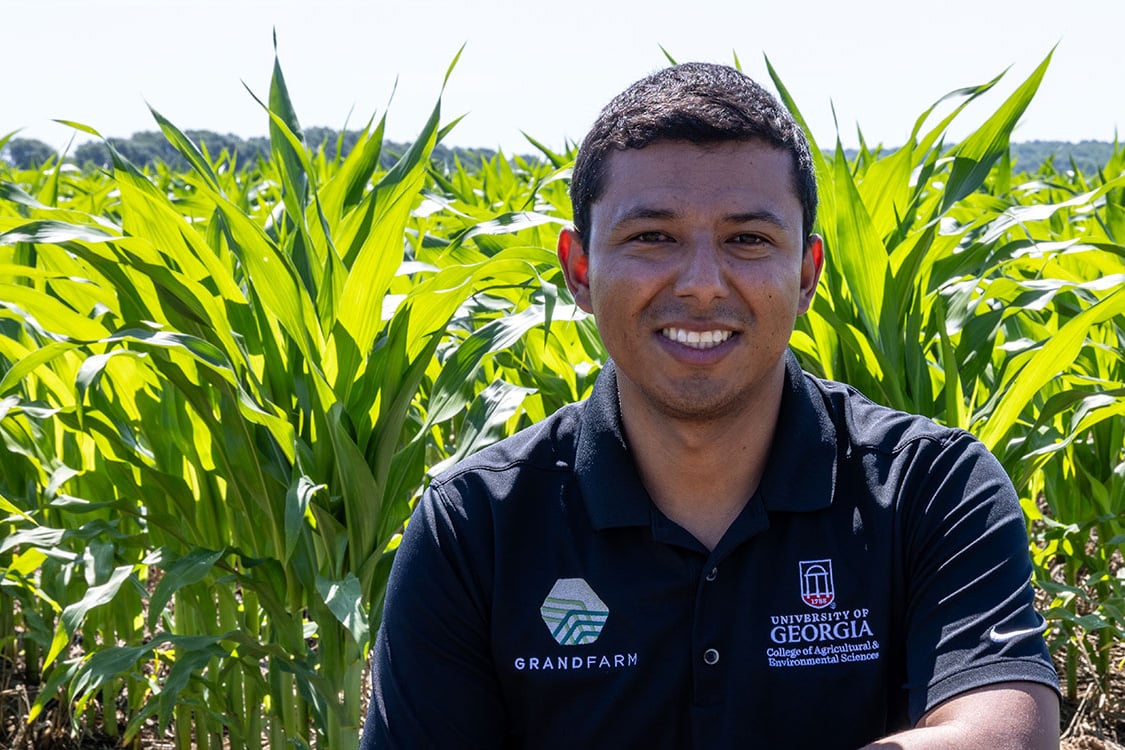
“When I started in July 2025, I thought this project was going to take years to develop. Everything is moving so fast, and it is really cool to see the full capabilities of this farm; we are now at full capacity for having trials.”
Lenin Rodriguez, UGA Grand Farm director
USDA announces Grand Farm as part of National Proving Grounds Network
In April, the U.S. Department of Agriculture’s Research, Education and Economics Under Secretary Scott Hutchins announced the launch of the USDA National Proving Grounds Network for AgTech (NPG-Ag), a nationwide initiative designed to rigorously evaluate agricultural technologies under real-world U.S. farming and ranching conditions.

The initiative has been designed to thoroughly test and validate both existing and emerging tools under real-world production conditions, ultimately providing farmers and ranchers with trusted, practical insights that they can rely upon when making technology-investment decisions.
NPG-Ag will be spearheaded by USDA’s Agricultural Research Service, working in coordination with other USDA research agencies. Grand Farm will serve as the USDA’s National Program Manager, and land-grant universities across the country will serve as primary research and testing partners, including trials at UGA this growing season.

The leap from launch to full speed
This capacity includes irrigation expansion — four new systems in place for row crops, plus a drip irrigation system for incoming orchards that can be controlled row by row, from a cell phone.
New wells and water capacity will protect crops from varying weather conditions. The two on-site wells can each produce 3,000 gallons of water per minute.
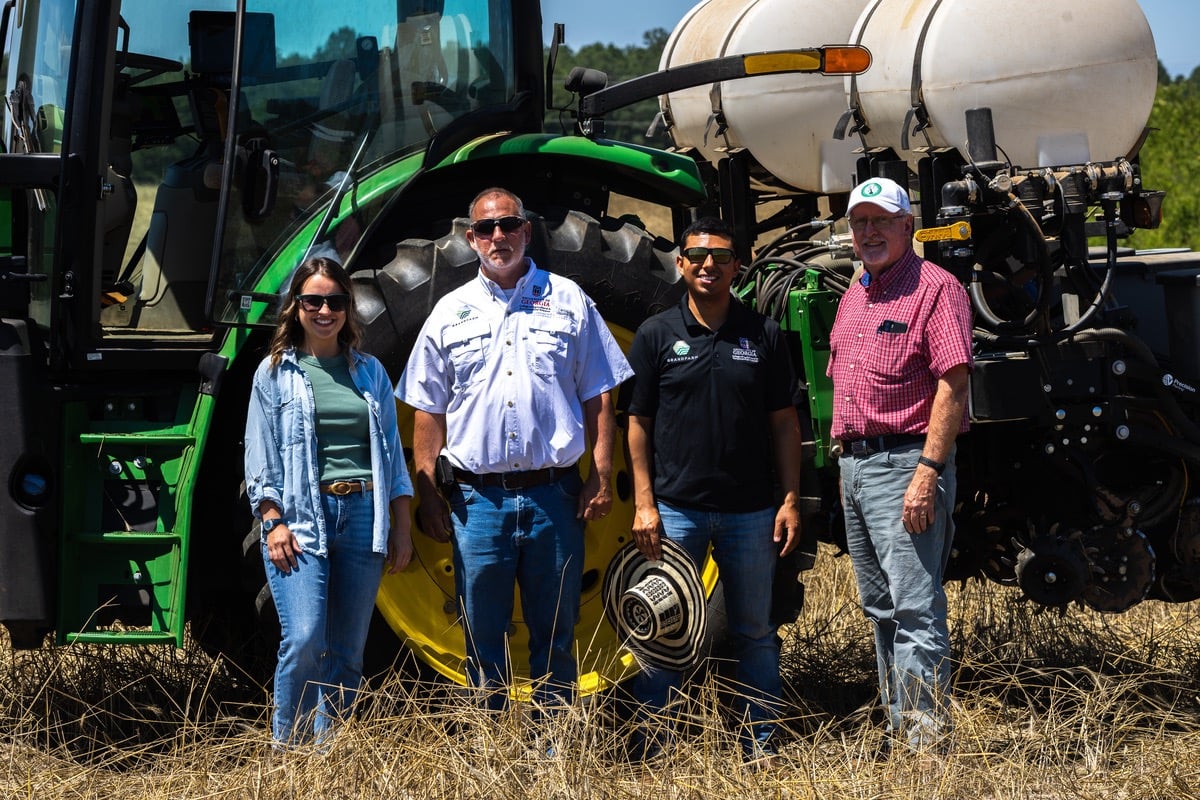
Additional projects include equipment upgrades, infrastructure and expansion, in large part due to a $1.6 million investment from the Georgia General Assembly. A new combine, cotton picker, enclosed barn, offices and meeting space will enable the UGA Grand Farm team and partners to operate at full capacity, from trials in the fields to presenting findings to growers from every corner of the state.


Planting with a purpose: stewarding the land
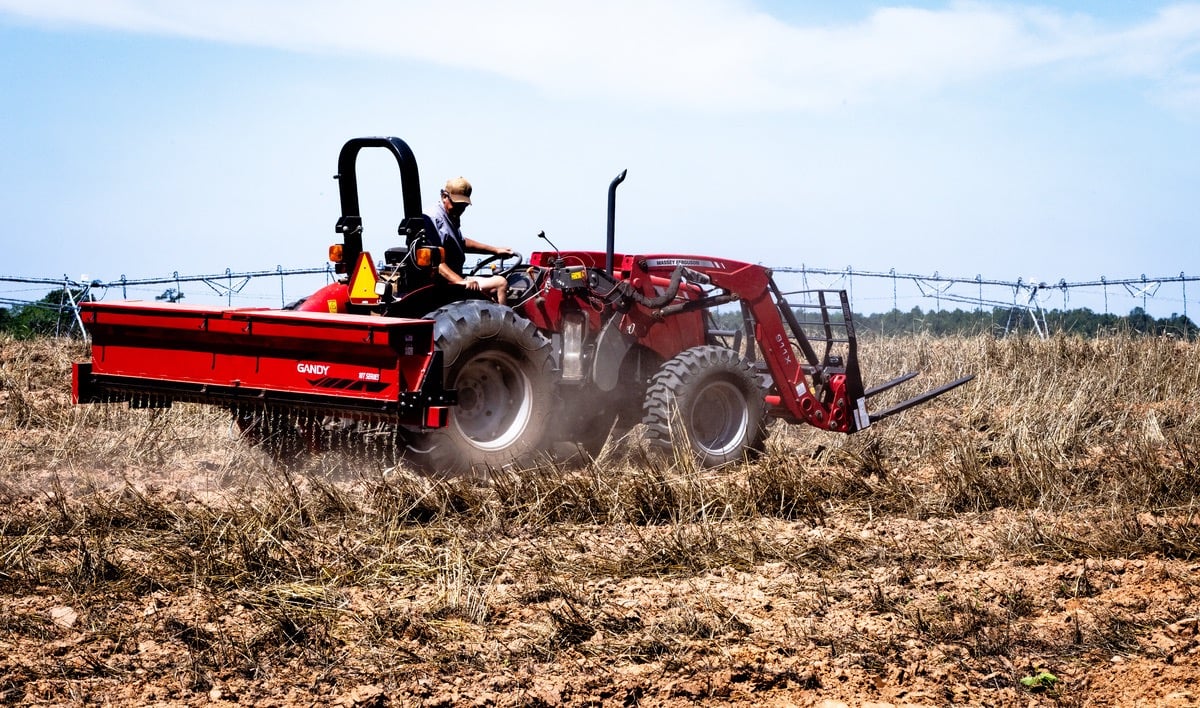
Rodriguez and his team have the 250-acre property mapped out down to the acre: 66 acres of corn, no more than 10 acres of peanuts, 66 acres of cotton, and 40 to 45 acres of soybeans.
But before factoring in partner needs, Rodriguez is thinking of what the land needs.
“We are thinking through our crop rotations, and every decision is based on what is best for the land,” Rodriguez said. “What does the land need? What can the land support?”
Part of answering these questions includes partnering with the USDA Natural Resources Conservation Service (NRCS) to remediate erosion and watershed issues on the farm.
After site visits and collaboration with NRCS, UGA Grand Farm has plans to plant specific grasses in areas that experience washes — where rainwater carves through a field — to improve the farm and slow field erosion.
A growing ecosystem
UGA Grand Farm is partnering with agricultural technology companies worldwide as they build a collaborative space for research, technology development and grower-focused innovation.
Engaging the farm through field trials, product validation, technology demonstrations, workforce development and educational activities, the collaborations aim to create value for the agricultural community by bringing new tools and ideas into Southeastern production systems.
“We’re working to get these companies plugged into the industry outside Perry,” Cobb said. “If all we ever do is bring technology to the farm, we can validate that it works, but if it dies there, we haven’t done what we’ve set out to do. Our job is to get these technologies into the hands of farmers around the state and region.”
UGA Grand Farm partnerships range from start-up plot partners who can participate in field trials to options for companies who may not need field research but want to support the UGA Grand Farm ecosystem and participate in workforce development and educational opportunities.
2026 UGA Grand Farm Partners
- Reform Bio
- ProGro Bio
- Sentinel Ag
- Pivot Bio
- AgGeorgia Farm Credit
- Center of Innovation
- Magrowtec
- AgriPass
- SoilSideKick Pro
- SkySense
- ScanIt Technologies
- Sentera
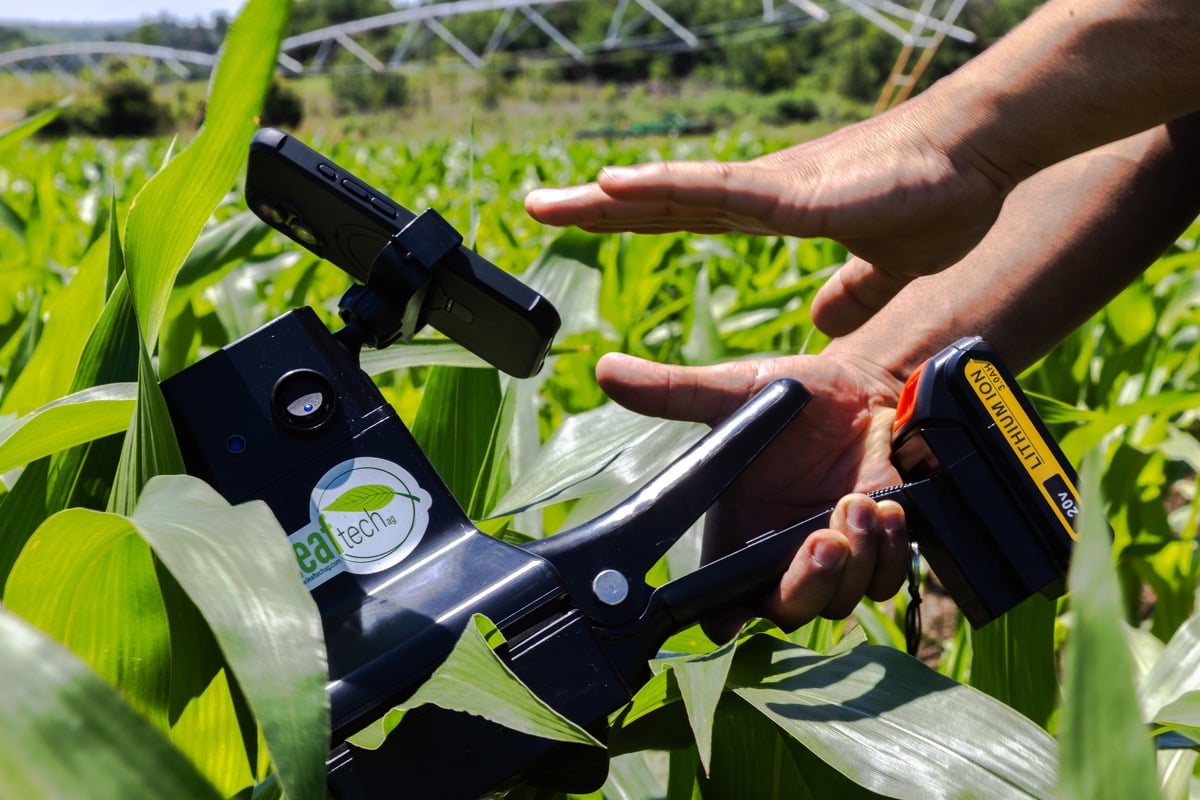
- LeafTech Ag
- Soiltech Wireless
Growing from a solid foundation
While Cobb and Rodguez are grateful for the rapid progress at UGA Grand Farm, they acknowledge the continued work ahead.
“We want this to be a statewide, grower-focused innovation hub. It’s a space for practical testing and real-world validation,” Cobb said. “This is very much a long-game project, but we’re going to continue to make significant steps forward both in the site and in our partnerships.”
One of those steps is continuing to build trust across the industry.
“I hope that people see we are doing what we set out to do here. We want this site to be self-sustaining, and we’re going to get there,” Cobb added. “But I want the state of Georgia and growers around the state to see that we’re laying the foundation, we’re building, we’re creating something that is not just bright and shiny but will benefit agriculture across the Southeast and beyond.”