Takeaways
- Study abroad programs at CAES will expand in 2027 with four new faculty-led programs. The early deadline to apply is Oct. 1.
- Students can study tropical agriculture, green industry practices, and agricultural and food systems abroad through immersive programs in Europe, Central America, and Asia.
- Destinations include Costa Rica, Australia, India and Italy, offering hands-on learning in global agriculture.
Students, mark your calendars: Four new faculty-led programs take off in spring 2027.
These programs, offered by the University of Georgia College of Agricultural and Environmental Sciences, provide the opportunity to explore, discover and learn within a new culture and international context.
“Hands-on, immersive experiences are integral to a student’s personal and professional development at CAES, and we are proud to stand behind a portfolio of programs that offer this opportunity both domestically and internationally,” said Caroline Hinton, CAES director of experiential learning. “It’s exciting that CAES has not only continued to expand its study away offerings in agricultural and environmental sciences but also developed them in a way that encourages students to dig deeply into these rich experiences abroad.”
These new study abroad opportunities are part of more than a dozen faculty-led programs offered by CAES. Students can learn about all programs at the Office of Global Engagement Study Away Fair on Sept. 15 and 16.
The early deadline for the new programs is Oct. 1. After the early deadline, the college will move to a rolling admissions process with closing dates pending the number of remaining spots.
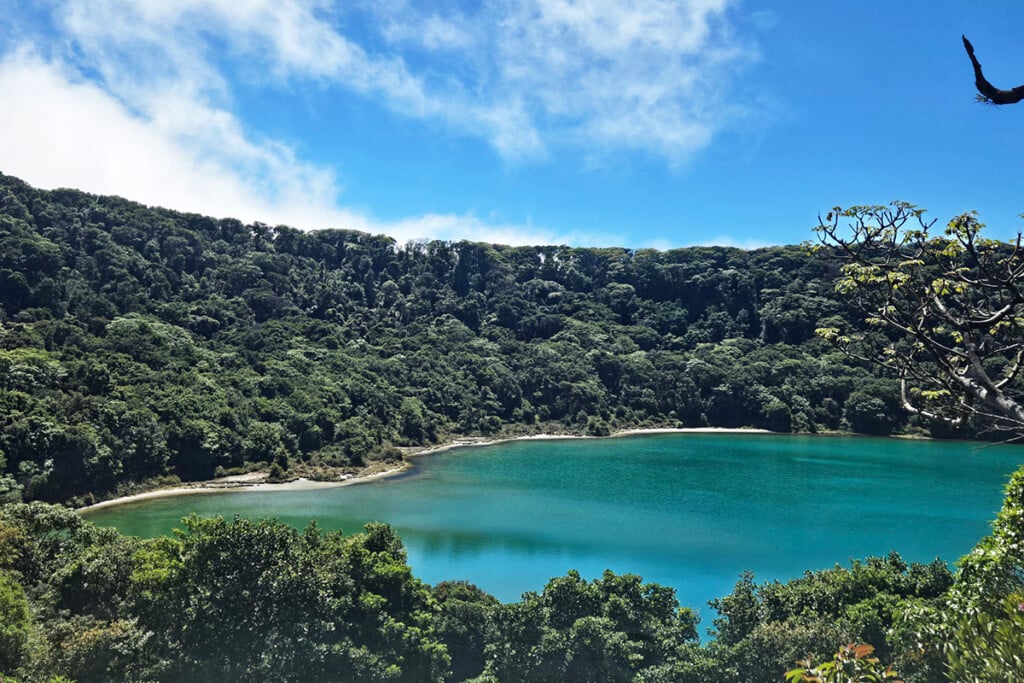
Tropical Agriculture and Conservation in Costa Rica
Faculty advisors: Leonardo Lombardini, professor and head of the Department of Horticulture, and Bodie Pennisi, professor and Vincent J. Dooley Endowed Chair of Ornamental Horticulture in the Department of Horticulture
Dates: March 6-13, 2027
Program description: This program immerses students in tropical horticulture, sustainable agriculture and conservation, climate change adaptation, responsible supply-chain management, and community development. Participants will explore diverse ecosystems, meet with local producers, and visit research centers, farms and industry partners.
Highlights include visits to Poás Volcano National Park, Hacienda Alsacia (the global coffee research and development center for Starbucks), strawberry farms, cacao farms, and other sustainable family farms. During the trip, students will engage with smallholder farmers, along with field trips and workshops at CATIE (Tropical Agricultural Research and Higher Education Center), providing exposure to germplasm collections, seed banks, agroforestry research and sustainable production systems.
Experiential components such as tropical fruit tastings and on-farm demonstrations further enhance the learning experience. The program blends academic rigor with hands-on learning, helping students connect classroom knowledge to real-world agricultural challenges while developing a global perspective on sustainability.
“This program offers students far more than a chance to visit Costa Rica: It provides an opportunity to experience firsthand how agriculture, conservation and communities are interconnected,” Lombardini said. “Our goal is for students to return not only with new knowledge about tropical agriculture but also with a broader global perspective and a deeper appreciation for the role agriculture plays in addressing some of the world’s greatest challenges.”

Italy and Austria: Sustainable Agriculture and the Green Industry
Faculty advisors: Jessica Barb, assistant research scientist and undergraduate coordinator in the Department of Crop and Soil Sciences, and Gerald Henry, Athletic Association Professor in Environmental Turfgrass in the Department of Crop and Soil Sciences
Dates: May 9-30, 2027
Program description: Students will travel through Italy, Austria and Germany, experiencing diverse agricultural systems, natural landscapes and cultural traditions across the region. This immersive Maymester program explores agriculture, the green industry, and natural resource management through visits to universities, research centers, farms, botanical gardens, and other sites.
Highlights include the vineyards of Italy’s Prosecco Hills, truffle hunting, rice and olive production, alpine farms in the Dolomites, natural landscapes in Austria, and world-class golf courses and sports turf facilities. Students will interact with faculty, researchers, producers and professionals while exploring crop production, soils, conservation, landscape management, and the connections between agriculture and the environment. These experiences will also allow students to compare agricultural and natural resource management practices in Europe and the U.S.
Beyond academics, students will experience the cultures and traditions of Italy, Austria, and Germany through regional cuisine, historic cities, local markets, UNESCO World Heritage sites, wine tasting, alpine cheese making, and traditional farm visits. The combination of academic learning, hands-on experiences and cultural immersion will help students develop a broader global perspective on agriculture, the environment and society.
“Agriculture looks different around the world, but the challenges are often remarkably similar,” Barb said. “I want students to experience firsthand how producers, researchers, and green industry professionals across Europe are balancing sustainability, innovation, and tradition. My hope is that they return with a broader perspective, new ideas and a greater appreciation for the global nature of agriculture.”
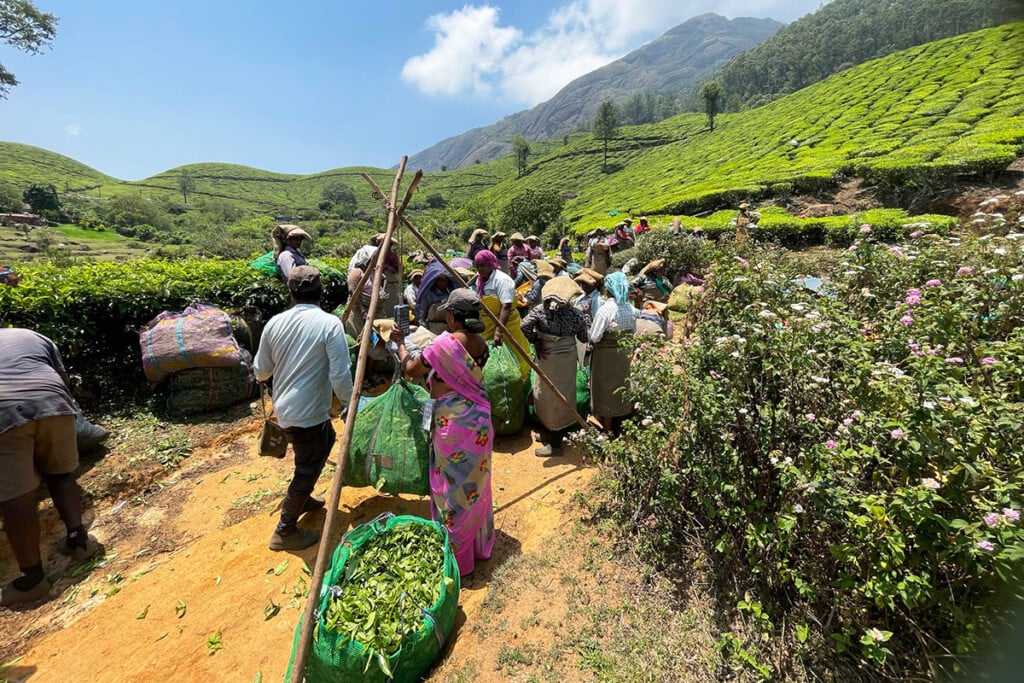
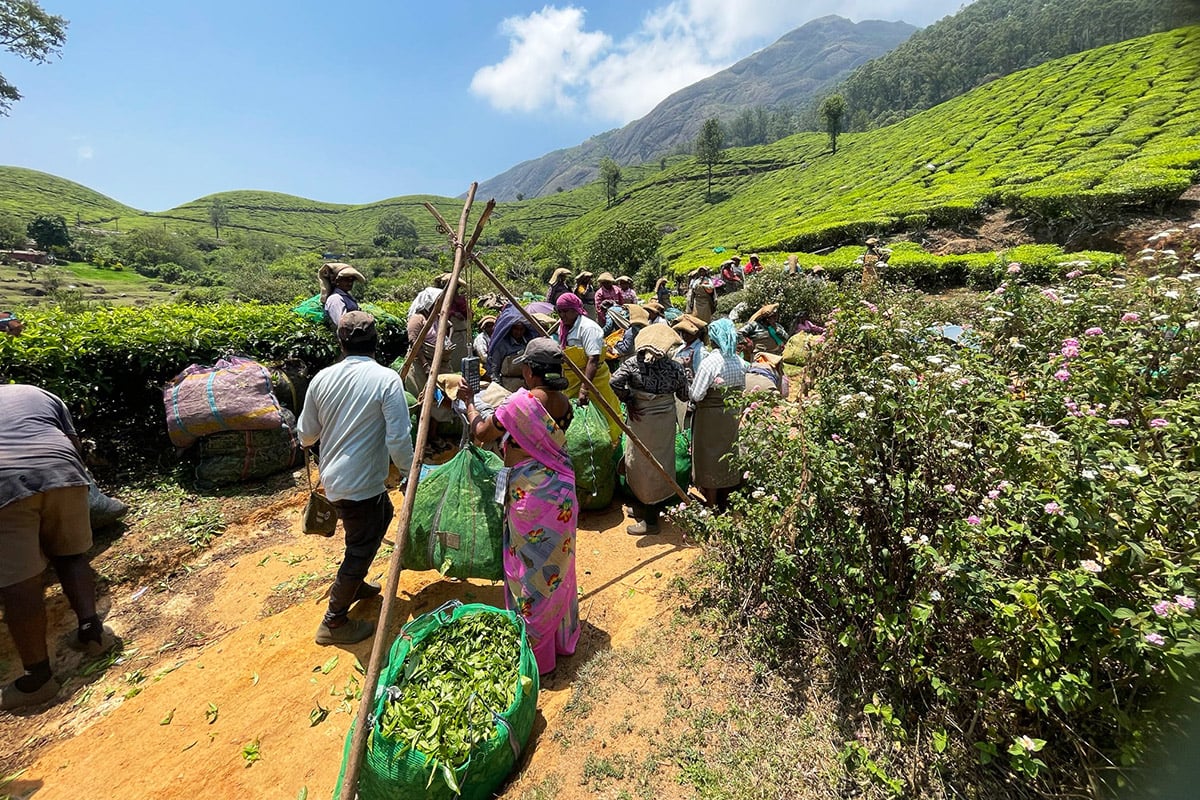
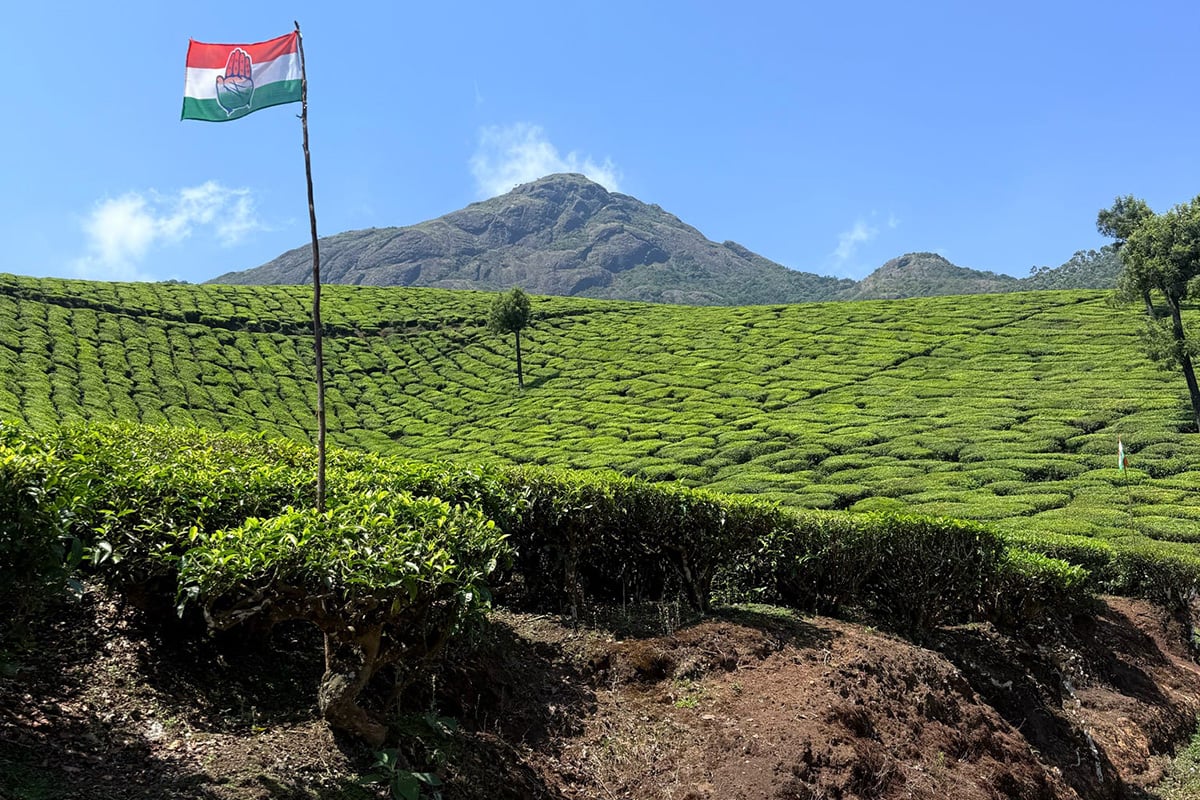
Sustaining Traditions: A Cultural Lens on Kerala’s Agricultural Systems
Faculty advisors: Shimat Joseph, associate professor in the Department of Entomology, and Alfredo Martinez, professor and UGA Cooperative Extension plant pathologist for turfgrass, small grains and non-legume forages in the Department of Plant Pathology
Dates: May 6-29, 2017
Program description: Kerala, India’s southernmost state, sits between the Western Ghats (a UNESCO World Heritage site) and the Arabian Sea, creating diverse agro-climatic zones ideal for studying tropical agriculture. This six-credit program offers an immersive, hands-on experience in tropical agricultural systems.
Kerala Agricultural University operates multiple campuses, research stations and extension units across the state, while the Department of Agriculture manages agricultural offices staffed with extension officers. This access provides students with unique opportunities to engage with India’s agricultural extension system and personnel, including visits to specialized research centers for major tropical crops.
Known as “God’s own country,” Kerala actually means “land of coconut trees” in the local language, Malayalam. It is also called the “spice garden of India” as black pepper, cardamom, ginger, turmeric, cinnamon, nutmeg and many more spices grow wild there.
Beyond academics, students will experience Kerala’s vibrant traditions, classical arts, festivals and cuisine.
“As a faculty member, I am most excited about creating meaningful experiential learning opportunities that expose students to diverse agricultural systems and cultural perspectives,” Joseph said. “Kerala’s rich agricultural heritage makes it an ideal setting for students to expand their knowledge and develop a global outlook.”
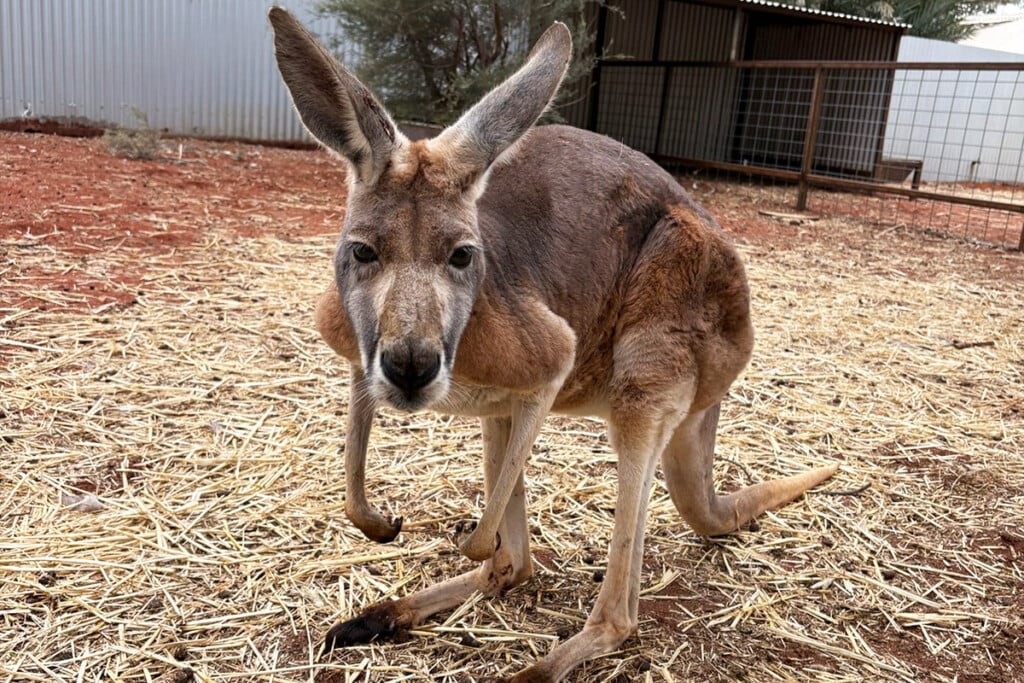
Exploring Food, Environment and Global Systems in Australia
Faculty advisors: Eric Rubenstein, professor in the CAES Department of Agricultural Leadership, Education & Communication
Dates: May 24-June 11, 2027
Program description: Participants will step beyond the classroom and explore how food, sustainability, culture and the environment connect on a global scale in this faculty-led study abroad program in Australia. Open to students from all majors, the program invites participants to examine the systems that support food, natural resources, and human communities through experiential learning and cultural exploration in one of the world’s most diverse and dynamic countries.
Students will engage with food and environmental systems across a variety of climates and settings, gaining insight into how societies manage resources, respond to environmental challenges, and innovate to meet global needs. Through interaction with researchers, professionals, and community partners, students will explore the roles of science, technology, culture, and policy in shaping sustainability and food systems, while Indigenous perspectives on land stewardship provide a deeper understanding of long-term relationships between people and place.
Emphasizing reflection, discussion and collaboration, the program helps students develop critical thinking, leadership skills and cross-cultural awareness that are valuable across disciplines and career paths, while also offering the opportunity to experience Australia’s unique landscapes, vibrant cities and rich cultural heritage in a truly immersive global learning experience.
“One of the most rewarding parts of leading a study abroad program is seeing students discover how interconnected our world truly is,” Rubenstein said. “Australia offers an ideal setting to explore agriculture, sustainability, wildlife, and diverse communities while learning directly from producers, researchers, and local organizations. I hope students return not only with unforgettable memories, but also with a deeper appreciation for global agriculture, stronger problem-solving skills, and the confidence to engage with people and ideas from different cultures.”
Editor’s note: The photographs within this story were taken on location by program faculty and staff during scouting trips.


