Takeaways
- Beekeeping is livestock management. Successful beekeeping requires routine care, seasonal decision-making and hands-on problem-solving.
- Beekeepers should not expect to produce honey in their first year. New beekeepers should focus on keeping colonies healthy, managing varroa mites and getting bees through winter.
- Start small and lean on experience. Begin with one or two colonies, buy bees locally and find a mentor.
Backyard beekeeping can be deeply rewarding, but it isn’t decorative gardening with wings. Bees are livestock. They require routine care, seasonal planning and a willingness to learn as you go.
Brad Barnes learned that quickly. A year into beekeeping, Barnes said what started as one hive turned into six after a successful first winter, a couple of lucky swarm catches and a lot of time spent listening to more experienced beekeepers. One of those mentors is Jennifer Berry, adjunct professor for the University of Georgia Bee Program in the College of Agricultural and Environmental Sciences (CAES).
Berry said the goal for a first-year beekeeper isn’t honey — it’s survival. With more than 28 years of experience studying honey bee health, queen breeding and integrated pest management, she teaches “Bees, Beekeeping and Pollinator Conservation” in the CAES Department of Entomology.
Barnes and Berry offer their best advice for starting and successfully growing a home beekeeping operation. From Barnes’ perspective as a novice to Berry’s expert guidance, the following guide will get you started on the right track.
How many hives should a beginner start with?
One or two — no more.
Why two is often better than one:
- You can compare colony health and behavior and spot problems sooner.
- One hive can support the other if something goes wrong.
- Two hives can build confidence without becoming overwhelming.
Barnes recommends starting small and adding boxes only as the colony grows.

Choosing the right bees
For beginners, temperament matters more than honey production.
Good starter options include:
- Caucasian bees: Gentle, calm and beginner-friendly
- Italian bees: Productive but can become defensive in summer
- Carniolan bees: A solid option with good overwintering traits
Berry’s advice is to choose a calm bee to get through your first year.
Nucs vs. packages: What’s the difference?
Nucs (nucleus colonies)
- Five frames of drawn wax comb with bees, brood, food and a laying queen
- Cost: about $150–$200
- Higher success rate
Packages
- Screened box with about 10,000 bees and a caged queen
- Cost: about $100-125
- Slower to establish
Best advice: Buy from a reputable, local supplier recommended by a bee club. As one of the nation’s largest producers of honey bees, Georgia is home to many established apiaries, making it relatively easy for new beekeepers to find healthy, well-managed nucs or packages close to home.

What you actually need to get started
A lot of beginners overbuy. Start with the essentials, then add equipment as your hive grows and your needs change.
Core equipment:
- Langstroth hive (eight-frame boxes are lighter and easier to handle)
- Hive components: brood box, honey supers, bottom board, lid and frames
- Smoker
- Hive tool
- Protective gear (a veil at minimum, but many beginners prefer a full suit)
Starter kits bundle most of this equipment, and many bee clubs let new beekeepers borrow gear before investing in their own.

Safety first: protective gear isn’t optional
Before you open a hive, make sure you have:
- A veil (on and secured)
- A lit smoker
- A hive tool
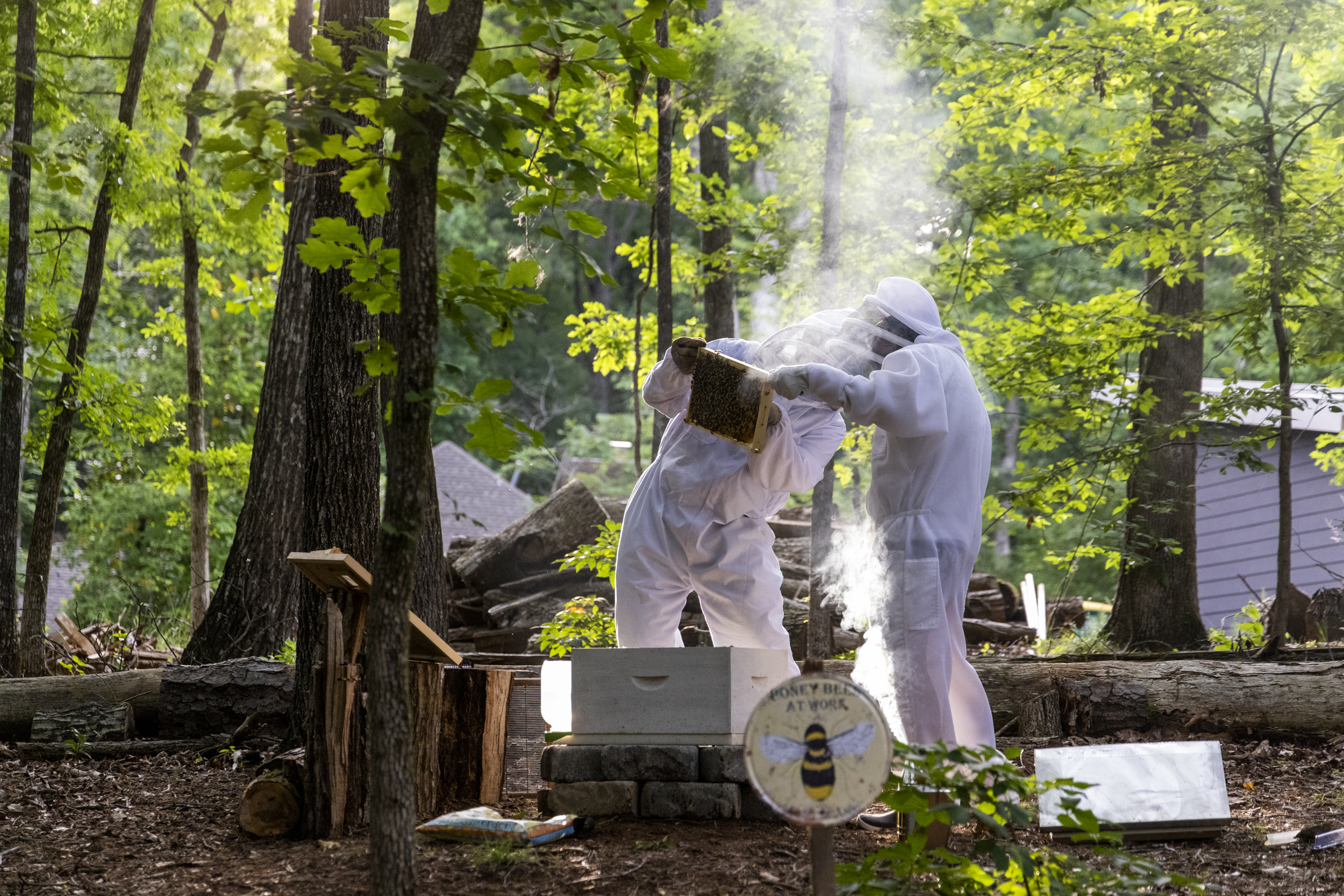
Bees can turn defensive quickly because of weather, predators or stress. Multiple stings can happen fast and working in protective gear can push you into heat exhaustion sooner than you expect, Berry cautions. Move slowly, stay calm and never rush a hive inspection.
Mites: The make-or-break factor
When colonies fail, mites are often the cause. Berry insists that all beekeepers must manage varroa mites.
Why it matters:
- Mites feed on bees’ fat stores and developing brood, accelerating viral loads.
- Untreated colonies often collapse within a year.
Common treatments include:
- Oxalic acid (best when capped brood levels are minimal to none, usually in winter or when a colony/beekeeper is in the process of re-queening)
- Thymol-based treatments such as Apiguard or ApiLife Var
- Other approved organic or synthetic options
Always follow label instructions and treat outside honey-producing months when possible.
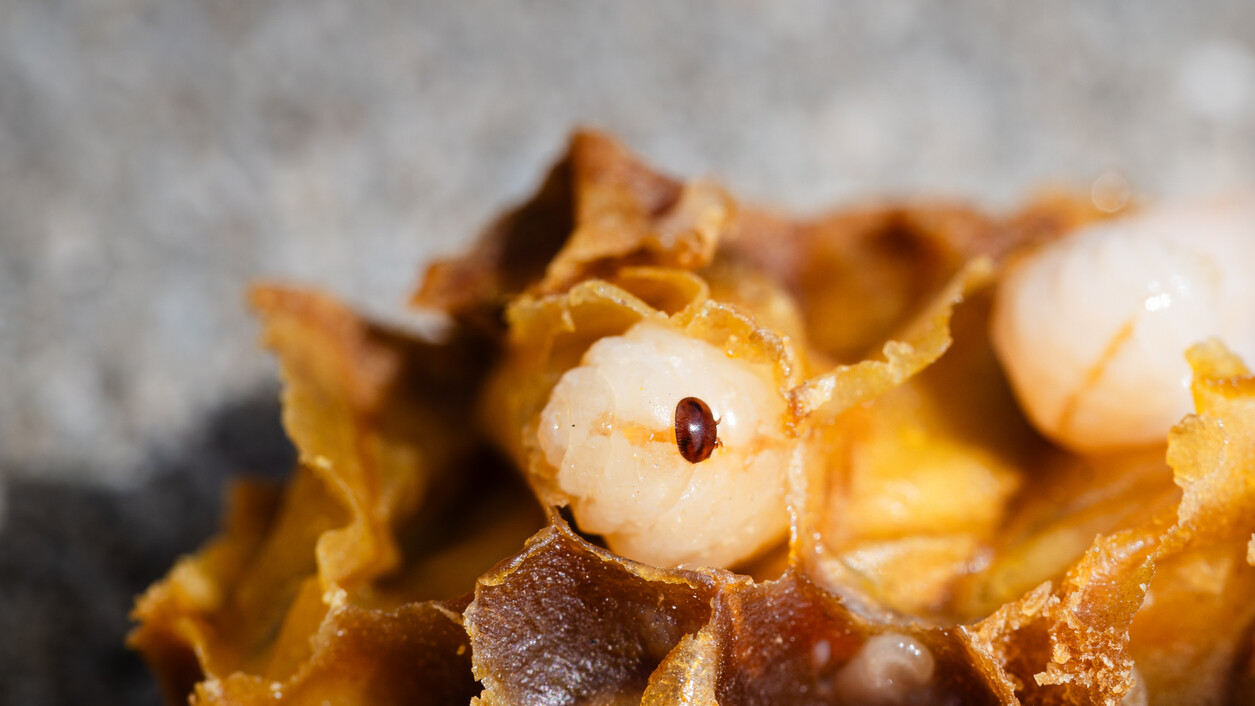

Protecting honey bees from varroa mites is essential to colony health. These parasitic mites feed on adult bees, larvae and pupae, weakening the colony and spreading disease. Regular monitoring and timely treatment help keep infestations in check.
What success looks like in your first year
Don’t expect to harvest honey in the first of beekeeping. If you harvest at all, take only a frame or two at most in late spring. Bees need to eat the honey they produce, so allowing them to build their colony in the first year is more important than harvesting for yourself.
Your main goals:
- Manage mites.
- Feed when needed.
- Get bees through winter.
Rule of thumb: Leave about 1.5 frames of honey for every frame of bees and brood.
Simple seasonal basics
Spring
- Install bees and feed until signs that nectar is coming in.
- Watch for swarm signs.
- Add boxes as needed.
Summer
- Nectar flow ends by late June in the Piedmont region of Georgia and mid-to-late July in the southern part of the state.
- Treat for mites.
- Monitor food stores.
Fall
- Feed sugar syrup internally.
- Reduce hive entrances.
- Prepare colonies for winter.
Winter
- Avoid opening hives in cold weather.
- Treat mites when capped brood levels are low.
- Check colonies only on warm days above 55 degrees Fahrenheit.
When the weather warms, watch for swarms
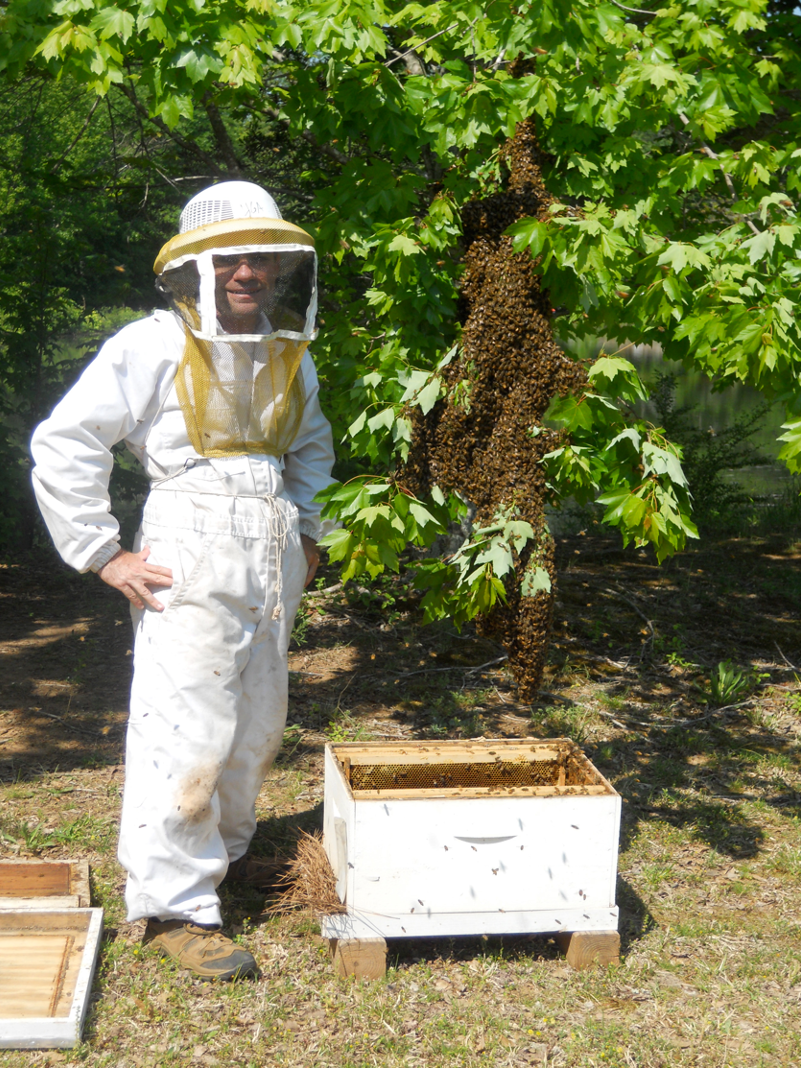
Swarms typically occur in spring and early summer.
- Swarming bees are not aggressive because they are not guarding honey.
- About half the colony leaves with the old queen.
- The remaining hive must successfully requeen.
Where to put your hive
Good placement prevents problems later.
Look for:
- Southern or southeastern exposure
- Full sun or mostly sun
- Dry, well-drained ground
- Distance from sidewalks and property lines
Provide water nearby, like a shallow kiddie pool or bird feeder, so bees don’t choose a neighbor’s swimming pool instead.
Planting for bees starts with trees
Berry said if you want to help bees, plant a tree.
High-value options include:
- Tulip poplar
- Oaks
- Redbud
- Basswood
- Sweetbay magnolia
- Sourwood
One mature tree can produce more nectar than acres of flowers. Native trees and plants provide critical resources when bees need them most.
The most important thing you can do to be a successful beekeeper
Hands down, the key to being a successful beekeeper is finding a mentor.
Georgia alone has dozens of local bee clubs that offer:
- Hands-on learning
- Shared equipment
- Early help in diagnosing problems
Books are helpful, but experience is essential. “You can read all you want, but you’ve got to get your hands in a hive with someone who knows what they’re doing,” Berry insisted.
The bottom line
Beekeeping is rewarding, challenging and never passive. Start small. Treat for mites. Feed when necessary. Focus on survival, not honey. Lean on your local beekeeping community.
If you do that, the rest comes — one box at a time.
Want to go deeper?
Interested in becoming a Master Beekeeper?
Enroll in the Georgia Master Beekeeper Program and visit the UGA Bee Program website for more resources and learning opportunities.
Enroll in the Master Beekeeper Program
Looking for a one-day crash course?
Consider enrolling in the Athens Beginners Beekeeping Seminar, scheduled for
Saturday, Jan. 31, at the State Botanical Garden of Georgia.
- Box lunch included
- A copy of First Lessons in Beekeeping
- One-year membership to the Eastern Piedmont Beekeepers Association
Register for the Athens Beginners Beekeeping Seminar
Bonus: Participants can join a follow-up, hands-on class at a nearby apiary on
March 21.