Takeaways
- Modern breeding trade-offs: Decades of prioritizing yield, shelf life, and disease resistance have reduced flavor in commercial tomatoes compared to heirloom varieties.
- The role of the Sl-LIP100 gene: Researchers identified a previously uncharacterized gene that produces fruity and green flavor notes that have been found desirable on human taste panel tests.
- Pathways for improvement: The discovery of specific genetic markers and enzymes provides breeders with precise tools to restore flavor without sacrificing agricultural productivity.
Anyone who has compared a supermarket tomato to a homegrown heirloom variety has likely noticed the difference.
Modern tomatoes often sacrifice flavor for traits like yield, shelf life and disease resistance. But now, an international team of researchers, including University of Georgia plant geneticist Esther van der Knaap, has uncovered new clues about how that flavor was lost during tomato domestication and breeding, and identified genetic tools that could help breeders bring it back.
Published in the Proceedings of the National Academy of Sciences, the study analyzed the chemistry and genetics of flavor in 558 distinct tomato varieties and wild relatives, representing the crop’s evolutionary journey from wild tomatoes in South America to modern commercial varieties. Researchers examined sugars, acids and dozens of aroma-producing compounds that contribute to consumers’ perception of flavor.
Decoding the chemistry of tomato flavor
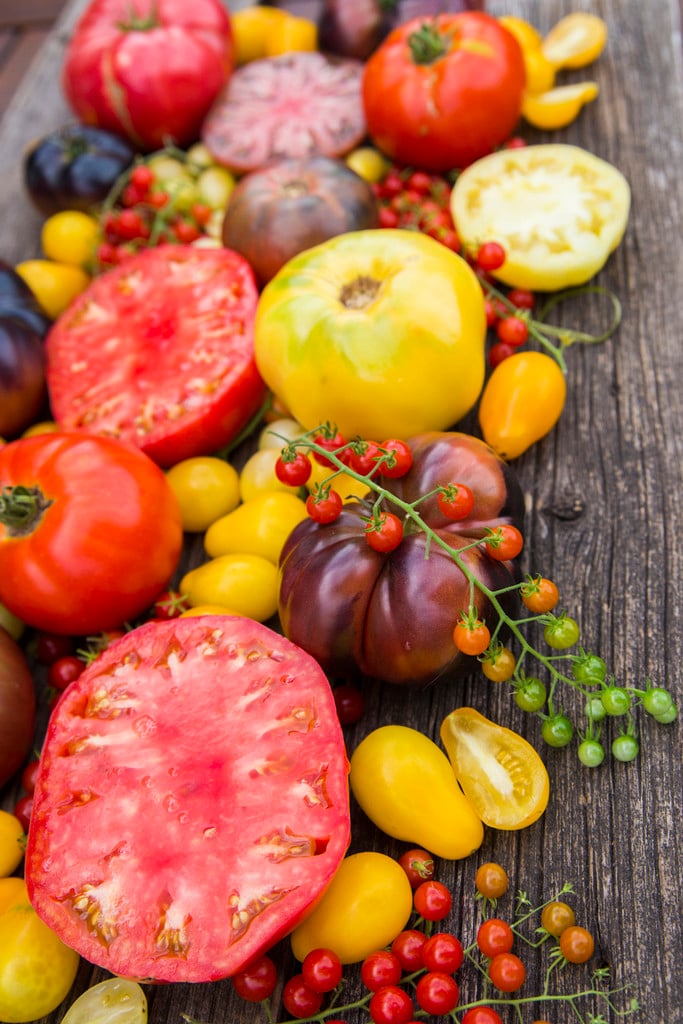
The results confirm what many tomato lovers already suspected: Modern breeding has altered the chemical makeup of tomatoes in ways that reduce overall eating quality. Compared to heirloom varieties, modern tomatoes generally contain lower sugar-to-acid ratios, fewer desirable flavor compounds and higher levels of some volatiles associated with less favorable tastes and aromas.
“What may be good tasting to humans may not be relevant in wild relatives,” said van der Knaap, a professor in the College of Agricultural and Environmental Sciences Department of Horticulture and the UGA Institute of Plant Breeding, Genetics and Genomics.
“For wild relatives, the fruit aroma is about attracting seed dispersers such as small animals and birds. For humans, certain seed-dispersing aroma compounds may be off-putting to the flavor of the tomato.”
While flavor is often thought of as one aspect of quality, it results from a complex interaction among sugars, organic acids, and volatile organic compounds, or VOCs. These aroma compounds are present in tiny amounts but strongly influence how consumers perceive sweetness and overall flavor intensity.
To better understand how flavor-related traits changed over time, the researchers conducted a genome-wide association study linking flavor chemistry to specific genetic regions. Their analysis identified 337 significant genetic associations tied to sugars, acids and flavor compounds, including both previously known genes and several new candidates.
Uncovering the good-taste gene
A significant finding was a previously uncharacterized gene called Sl-LIP100, which plays an important role in producing compounds that contribute fresh, green and fruity notes to tomato flavor, something that is desirable based on human taste panel tests.
The beneficial allele — or version of the gene — first arose in Ecuador and became common in the earliest cultivated tomatoes. However, breeders partly lost this beneficial allele in modern tomatoes while selecting for other traits, such as disease resistance and yield. As a result, modern tomato varieties often lack some of the flavor found in heirloom and traditional, locally adapted varieties.
Researchers found that the gene acts as a lipase, an enzyme that helps break down fats into compounds that can later be converted into flavor-related volatiles.
The beneficial allele that arose in Ecuador produced an enzyme with higher activity, increasing volatile production. Through enzyme testing and gene-editing experiments, they demonstrated that altering the gene significantly changed flavor compound production in tomatoes.
This is one of the first studies to connect this newly identified lipase directly to important flavor compounds in tomato fruit, van der Knaap explained.

“Flavor is extremely complex. This gene, the Sl-LIP100, is only one part of a huge puzzle,” she said. “Yet its discovery made it feasible to select the right version of this gene in breeding programs without having to test the aroma profiles in the laboratory. Moreover, the findings demonstrate how the enzyme gained higher function as the change is based on one amino acid replacement.”
The team also traced how different versions of the gene spread through tomato populations as the crop moved from its wild origins in South America through domestication in Central America and beyond. They found that an allele associated with higher levels of desirable flavor compounds became increasingly common during early domestication but was diminished in some modern breeding programs.
Beyond identifying individual genes, the research offers one of the most comprehensive views yet of tomato flavor evolution. By studying a wide range of tomatoes from Latin America, including varieties and wild relatives rarely included in previous genetic studies, researchers captured more of the crop’s genetic diversity. That broader diversity helped them identify previously unknown regions of the tomato genome associated with flavor, giving breeders new genetic resources to develop better-tasting tomatoes.
Preserving genetic diversity is essential to ensure long-term survival and adaptation of our crops. Genetic diversity improves crops for traits ranging from disease and drought resistance to flavor and other quality traits.
Characterizing the genetic architecture of traits offers clear roadmaps for breeding and crop improvement,” van der Knaap said.
Striking a balance between yield and flavor
The findings highlight a longstanding challenge crop breeders face: balancing productivity with consumer preferences. Decades of selection for larger fruits, higher yields and improved disease resistance have delivered substantial benefits for growers and supply chains. But those same breeding priorities often altered the chemistry behind the characteristic flavor of tomatoes.
The newly identified genetic markers could help breeders make more informed selections, allowing them to improve flavor without sacrificing other important traits. Modern approaches such as marker-assisted breeding and gene editing may make it possible to combine favorable flavor alleles with high-performing commercial varieties.
For van der Knaap, whose research focuses on the genetic control of crop traits and tomato improvement, the work also demonstrates the value of preserving and studying diverse plant populations. Wild relatives, heirloom varieties and semidomesticated tomatoes continue to harbor genetic variation that has been lost from many commercial cultivars.
“The hard part is to find the genes and learn which allele is the best,” she said. “In this study, we identified the better allele, but that isn’t always possible. Sometimes we don’t know which version of the gene is better.”
The researchers conclude that these ancestral populations represent an important reservoir of traits that could help address one of the most common consumer complaints about modern tomatoes: flavor. By identifying the genes and alleles responsible for desirable taste and aroma characteristics, breeders may be better equipped to develop future varieties that satisfy both growers and consumers.
This study was supported by the U.S. National Science Foundation.