Takeaways
- Conservation decisions are complex. Farmers weigh economic, environmental, societal and personal factors — not just attitudes toward conservation.
- One size doesn’t fit all. Effective conservation support should reflect the unique realities of individual farms and producers.
- Trust drives increased adoption. Local connections and technical assistance play a big part in the willingness to adopt new conservation practices.
Agriculture isn’t a monolith.
What works on one farm may fail on another because every operation is affected by different weather, soils, water availability, markets, pests, diseases and countless other variables. If agriculture isn’t one thing, it follows that farmers aren’t, either.
Yet conversations about conservation often assume farmers fall into two camps: those who use good conservation practices and those who don’t.
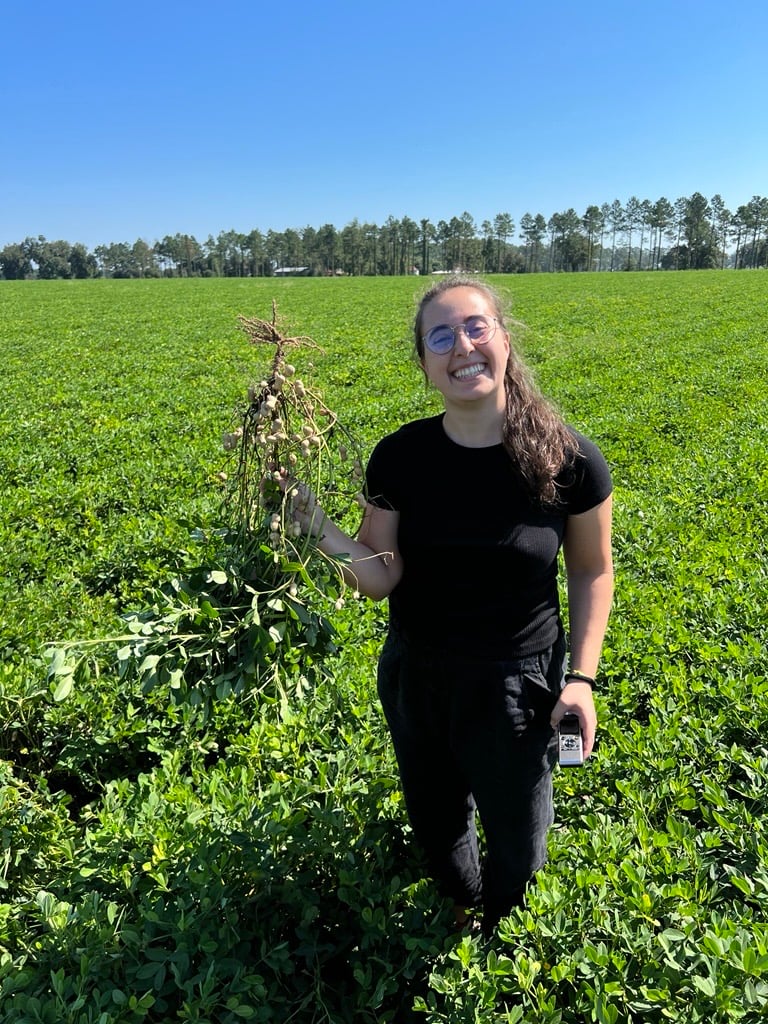
Maria Teresa Tancredi recently earned her doctorate in the University of Georgia College of Agricultural and Environmental Sciences after spending five years exploring why reality is far more complicated. Working in the Department of Crop and Soil Sciences with advisor Jennifer Jo Thompson, whose research connects agricultural science and social sustainability, Tancredi interviewed 86 farmers representing a wide range of production systems across the country. She published her findings in the Journal of Soil and Water Conservation this spring.
Rather than simply asking whether farmers used cover crops — a common conservation practice of growing plants between cash-crop harvests to improve soil health, suppress weeds and reduce soil erosion — Tancredi wanted to understand how they made decisions, what their days looked like, what challenges they faced, and what mattered most to them.
The goal was to inform researchers, Extension professionals and others working directly with farmers about the realities producers face when encouraging conservation practices.
The stories behind the statistics
“Despite decades of well-documented benefits and investment in promoting cover crops, they’re planted on only about 4.7% of U.S. farmland,” Tancredi said. “We wanted to understand the people behind those decisions, how farmers view cover crops within the context of their daily work, and what opportunities and challenges influence whether the practice fits their operation.”
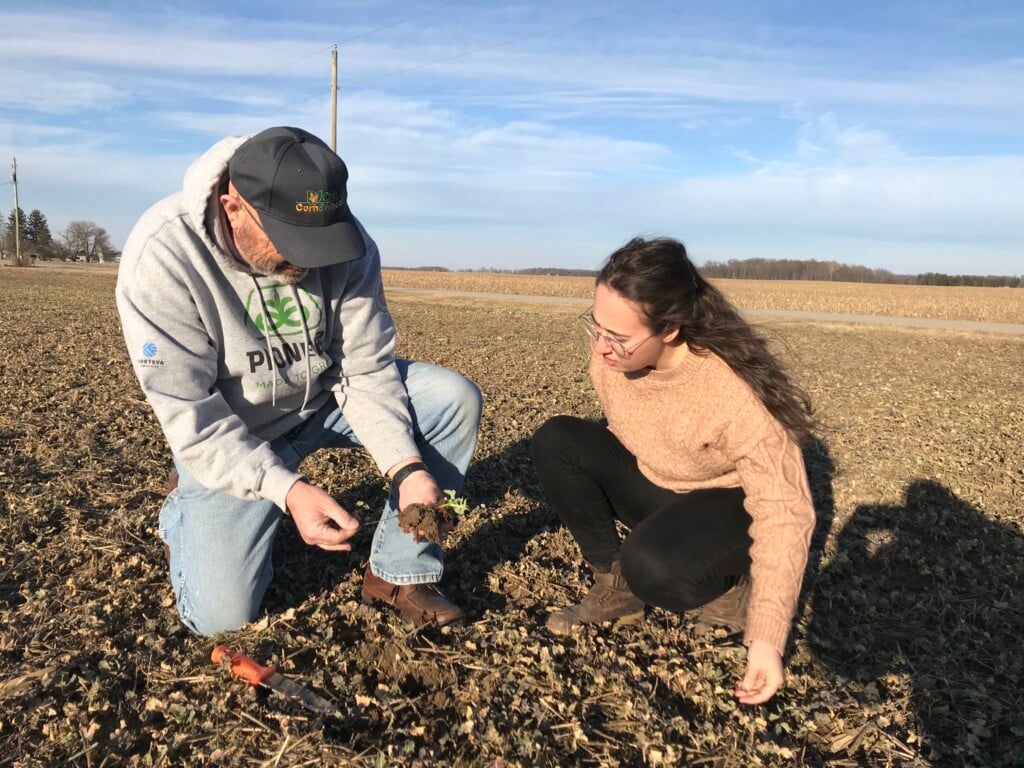
As Tancredi listened to farmers from different regions and production systems across the country, she quickly understood how complex decision-making is when producers described navigating market swings, rented land, labor shortages, unpredictable weather, resource availability, societal and peer pressure, and changing life circumstances. Those challenges and priorities differed widely and reflected the complex trade-offs behind conservation decisions.
The interviews revealed several overarching themes, including the importance of managing risk and the deep sense of stewardship many farmers share.
Balancing risk and stewardship
Across all regions and production systems, farmers emphasized the importance of minimizing risk. For many producers, protecting the farm’s financial stability comes first.
Just as someone might hesitate before investing in an unfamiliar stock, farmers can’t afford costly risks when they’re already operating on razor-thin margins, Tancredi explained. At the same time, many farmers already using practices like cover crops say these practices help make their farms more resilient by improving water management and buffering against future risks.
Another recurring theme was that many farmers feel misunderstood by the public. While society depends on farmers to produce safe, affordable food, several participants said they often feel blamed for environmental problems while receiving little recognition for the work they already do to improve soil, protect water and care for their land. For producers already facing intense external pressures and instability, those perceptions can be especially discouraging.
The environment is our livelihood,” said one Missouri farmer. “We didn’t keep this farm going for 121 years by treating it badly. We want to protect the land, but farming comes with a level of scrutiny that people in other industries don’t always face.”
Those findings became the foundation for a second study, published in Agriculture and Human Values, which argues that adopting conservation practices isn’t a simple yes-or-no decision. Instead, farmers continually revisit those decisions as conditions change on their farms, in their businesses and within their communities.
“It would have to get pretty bad for me to stop using cover crops,” said an Iowa farmer who’s been using cover crops for years, “but if conditions are tight for someone, that’s going to be one of the first things you’re going to cut, because you can live a year without cover crops but you can’t live a year without fertilizer.”
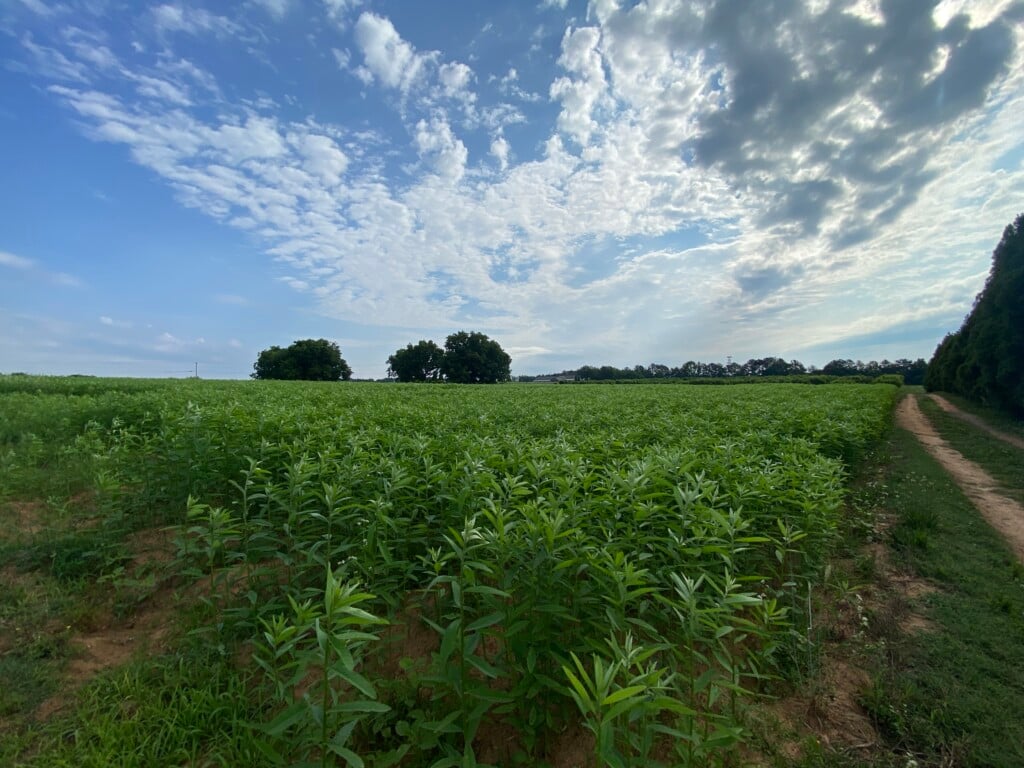
Together, the studies push back against a common binary assumption that farmers either care about conservation or they don’t.
And, while farmers differed in where they farmed, what they produced and how they approached conservation, nearly all shared the same goal of keeping their farms productive and financially viable for the next generation.
“While there was a lot of variability among the farmers I interviewed, they all had a strong sense of stewardship and pride for their work,” Tancredi said.
Meeting farmers where they are
The research suggests that efforts to expand conservation practice adoption are more likely to succeed when support reflects the realities farmers face.

For some producers, that means localized research and on-farm demonstrations that reduce the risk of trying something new, like those offered through UGA Cooperative Extension. Others may benefit most from better access to equipment, technical assistance or financial incentives. Trusted relationships also matter. Neighbors, local Extension professionals and fellow producers often have more influence than recommendations from outside their communities.
Rather than asking why farmers aren’t adopting conservation practices, Tancredi hopes educators and policymakers begin asking what support farmers need to make those practices practical.
“A one-size-fits-all approach won’t increase adoption enough,” Tancredi said.
The way forward is to listen to producers, recognize their diverse experiences and continue building trust. Sustained support from policymakers and industry will also be essential because meaningful change takes time.”
This means not only long-term investment in farmers but also sustaining the programs and staff working with farmers every day,” she added.
Just as no two years are the same, no two farms — or the people who manage them — face the same decisions.