Patrick J. Conner
Professor & Tifton REI Coordinator; Emphasis: Pecan & muscadine breeding

Areas of expertise
About
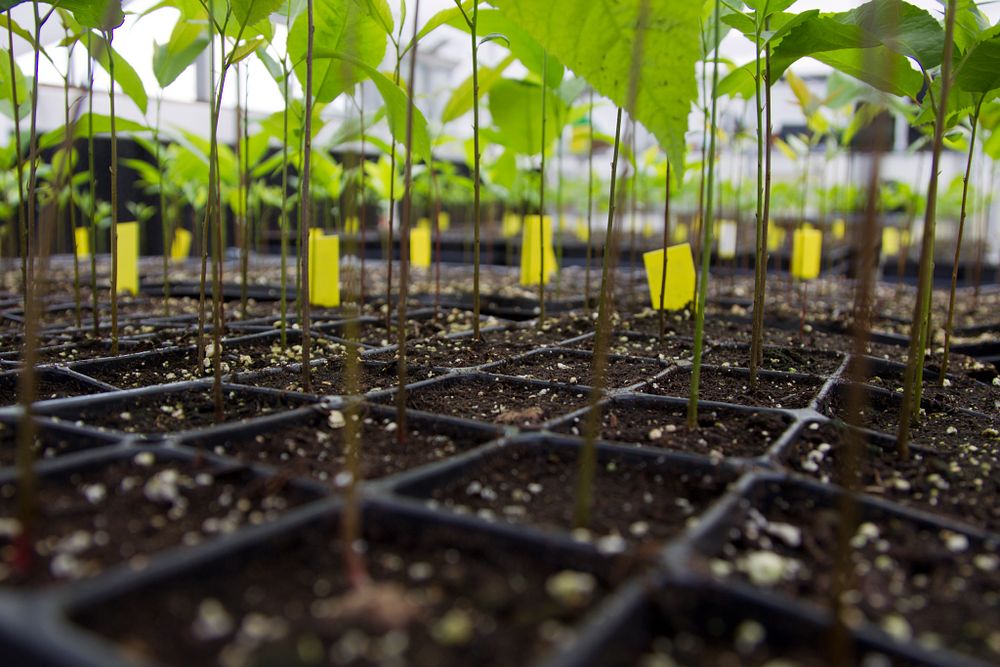
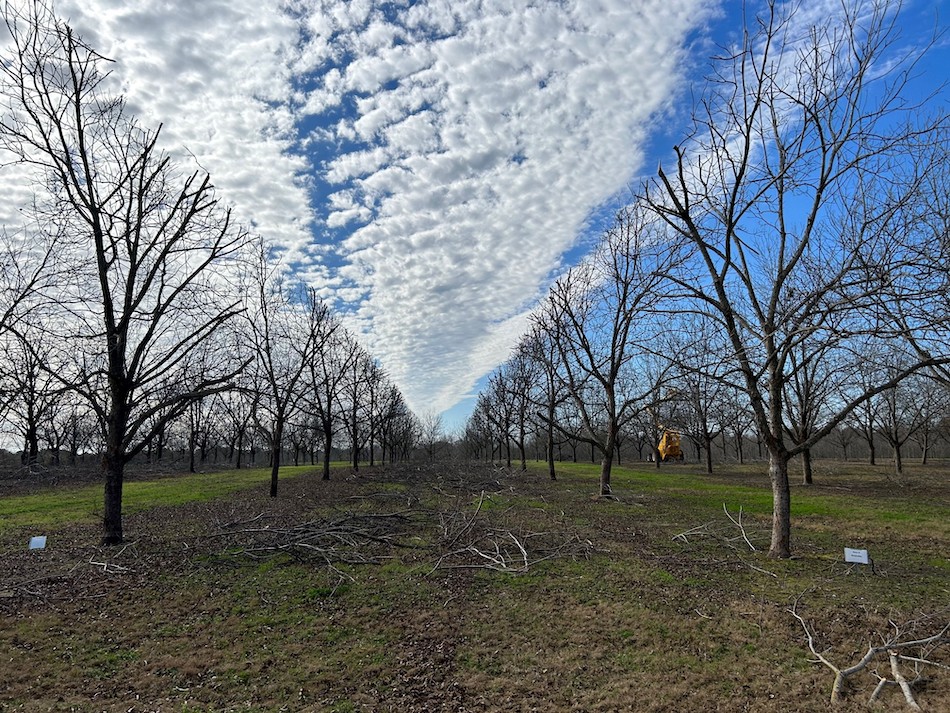
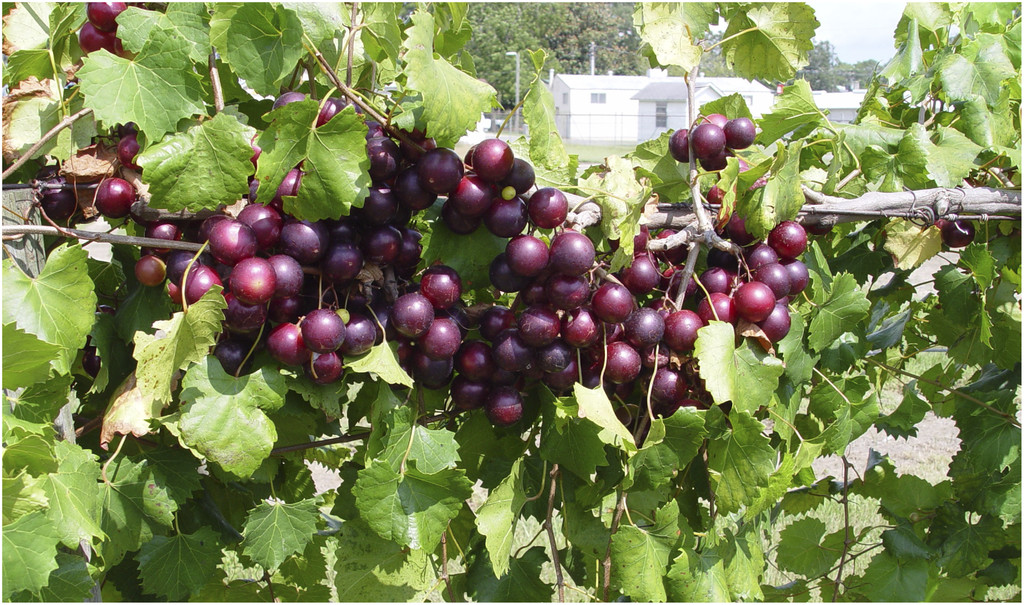
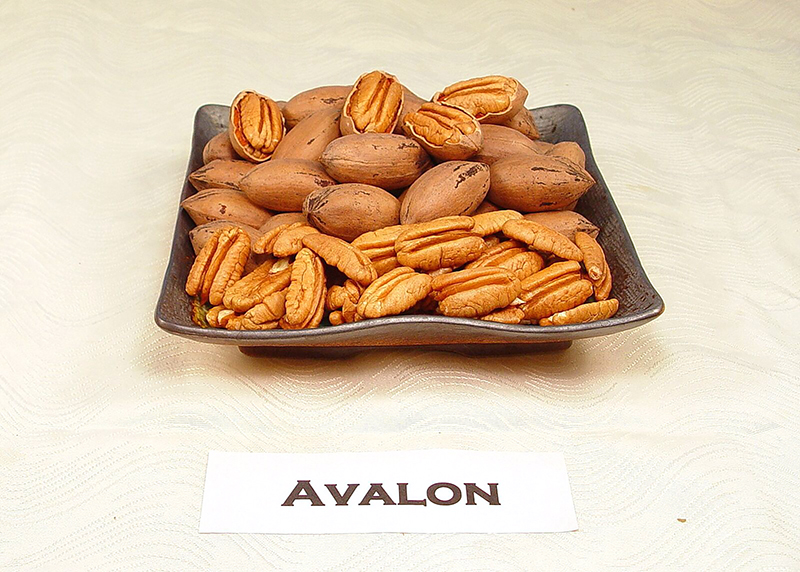
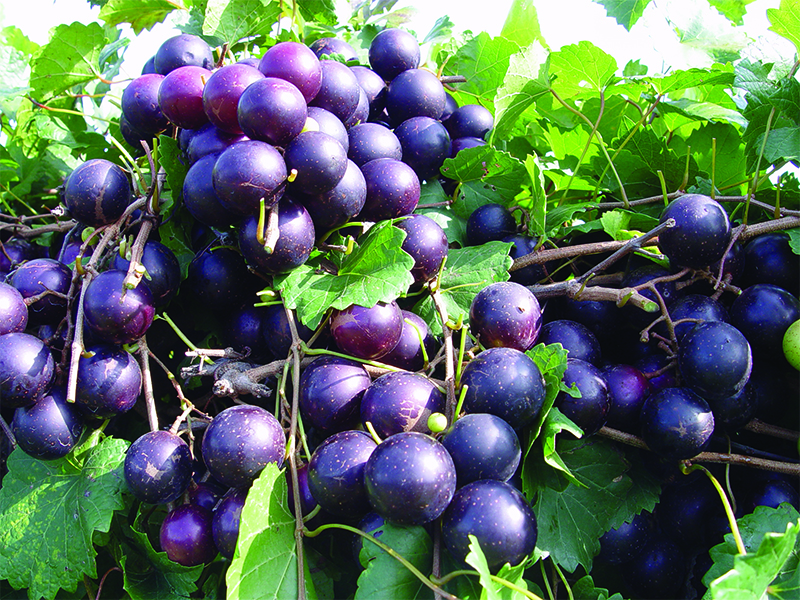
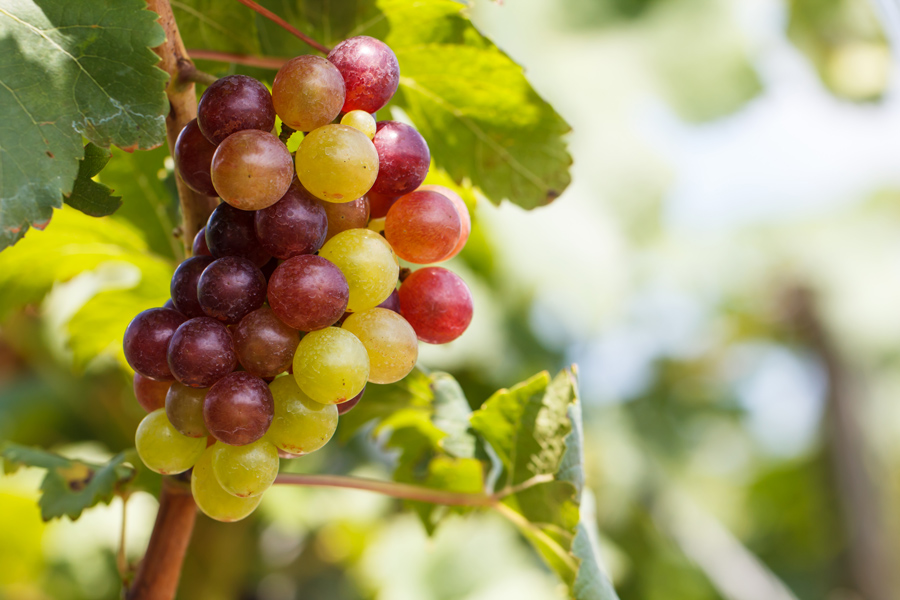
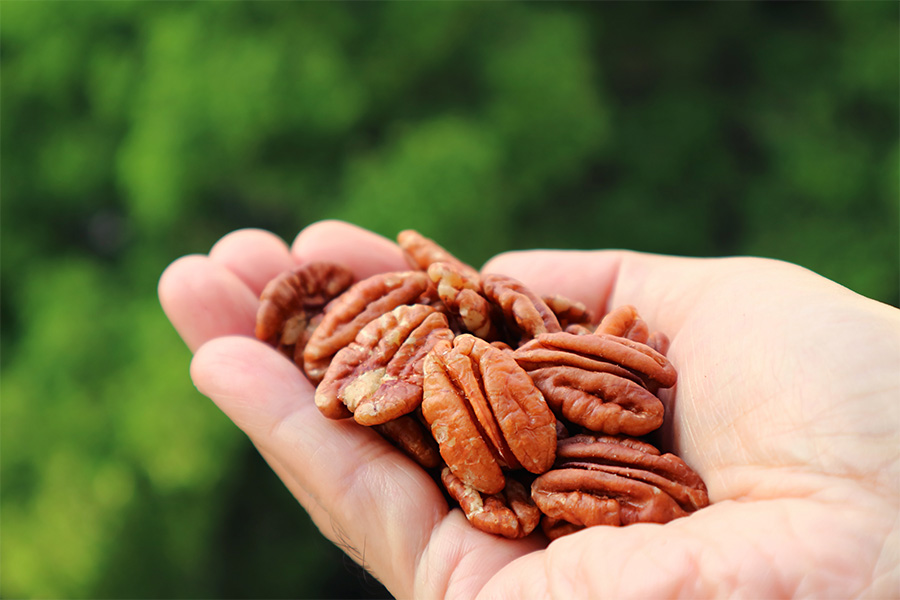
I currently lead the University of Georgia’s efforts in the development of new muscadine and pecan cultivars. These are active breeding programs which have the goal of producing new cultivars adapted for the southeastern U.S. growing region. While our breeding programs primarily revolve around the traditional fruit breeding methods of making crosses and evaluating seedlings, we are also investigating the potential of molecular biology tools to make this process more efficient. Molecular markers are being used to increase our understanding of the pecan and muscadine genomes and the genetic diversity of cultivar populations. We are also developing molecular markers to be used as selection tools for flower type and seedlessness in muscadine progenies. Currently, many popular muscadine cultivars have female flowers, and often suffer from lower yields due to poor pollination and incomplete flower opening. I am developing new cultivars with self-fertile flowers to solve this issue. We are also very involved in using germplasm from Euvitis x Muscadinia hybrids and V. munsoniana in order to introduce new traits into muscadine cultivars including: seedlessness, early ripening, stable juice pigments, larger clusters, altered leaf morphology, and improved disease resistance. In the humid growing conditions of the southeastern United States, the most important biotic constraint to pecan production is pecan scab. This pathogen is closely adapted to its host and resistance appears to be controlled by a complex pool of race-specific resistance genes. Studies are being undertaken to better understand the genetic control of this vital trait in order to improve selection efficiency in the breeding program. While scab control comes to the forefront when considering cultivar development for the Southeast, the development of new cultivars offers the opportunity to address many other important issues in pecan production including; alternate bearing, aphid control, tree size control, harvest date, and kernel quality.
Education
Doctor of Philosophy, Genetics, General
Cornell University, NY, United States (1996)
Bachelor of Science, Horticultural Science
Purdue University, IN, United States (1991)
Awards and Honors
- Southeastern Pecan Growers Association Outstanding Presentation Award (2005)
- UGA Tifton Campus Award of Excellence for Junior Scientist (2002)
- American Society for Horticultural Science: Most Outstanding Publication on Fruit Research. (1998)
- Fruit Publication (1998)
Scholarly Works
- Alternate bearing intensity of pecan cultivars, HORTSCIENCE, (2000).
- A first linkage map of pecan cultivars based on RAPD and AFLP markers, THEORETICAL AND APPLIED GENETICS, (2005).
- Screening Capsicum annuum Accessions for Resistance to Six Isolates of Phytophthora capsici, HORTSCIENCE, (2010).
- Identification of pecan cultivars and their genetic relatedness as determined by randomly amplified polymorphic DNA analysis, JOURNAL OF THE AMERICAN SOCIETY FOR HORTICULTURAL SCIENCE, (2001).
- Pathogenic variation of Cladosporium caryigenum isolates and corresponding differential resistance in pecan, HORTSCIENCE, (2004).
Contact
Mailing Address
2360 Rainwater Road
Tifton, GA 31793
Shipping Address
2360 Rainwater Road
Tifton, GA 31793
Own this profile? Learn how to make changes