Areas of expertise
About
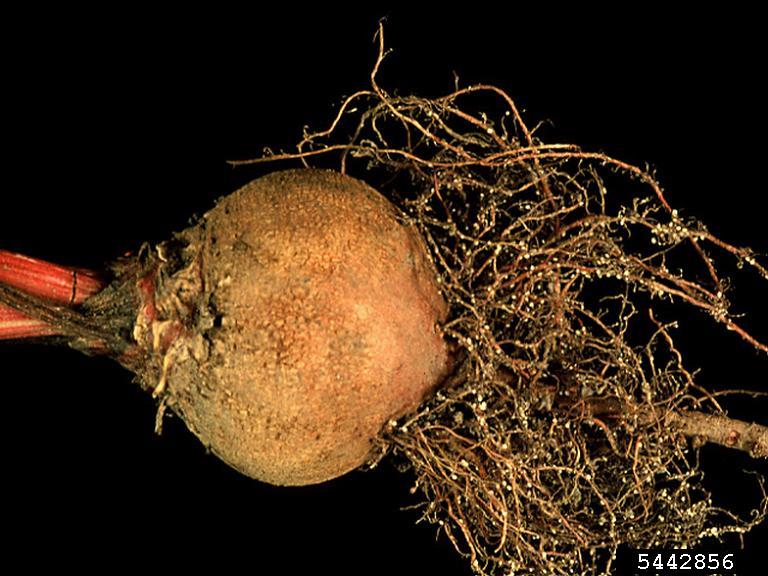
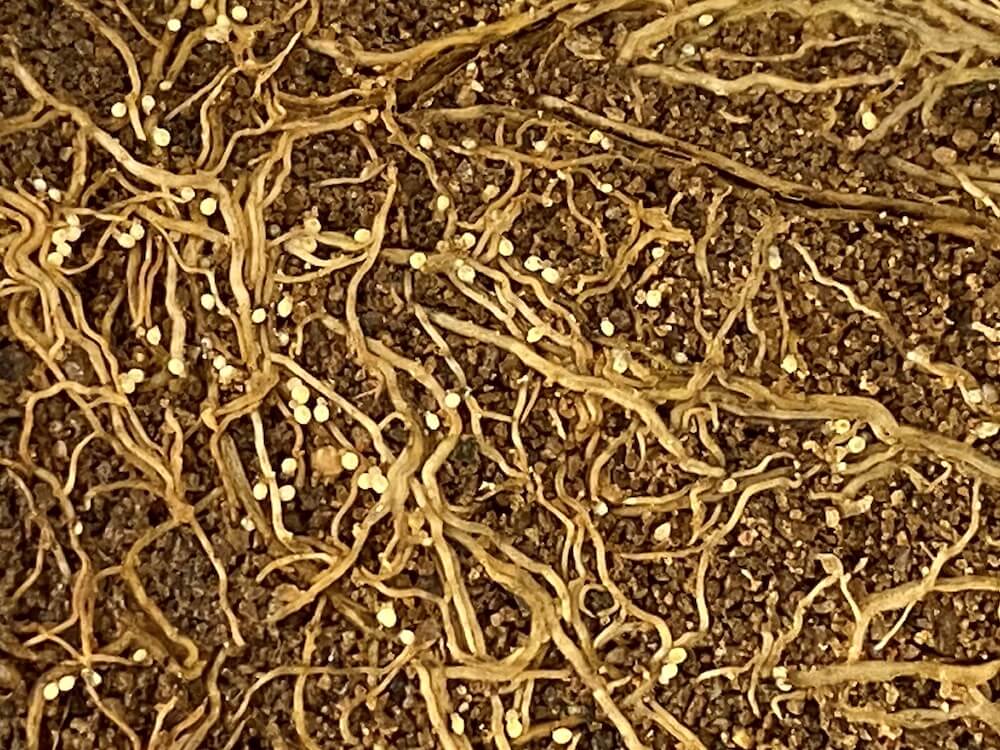
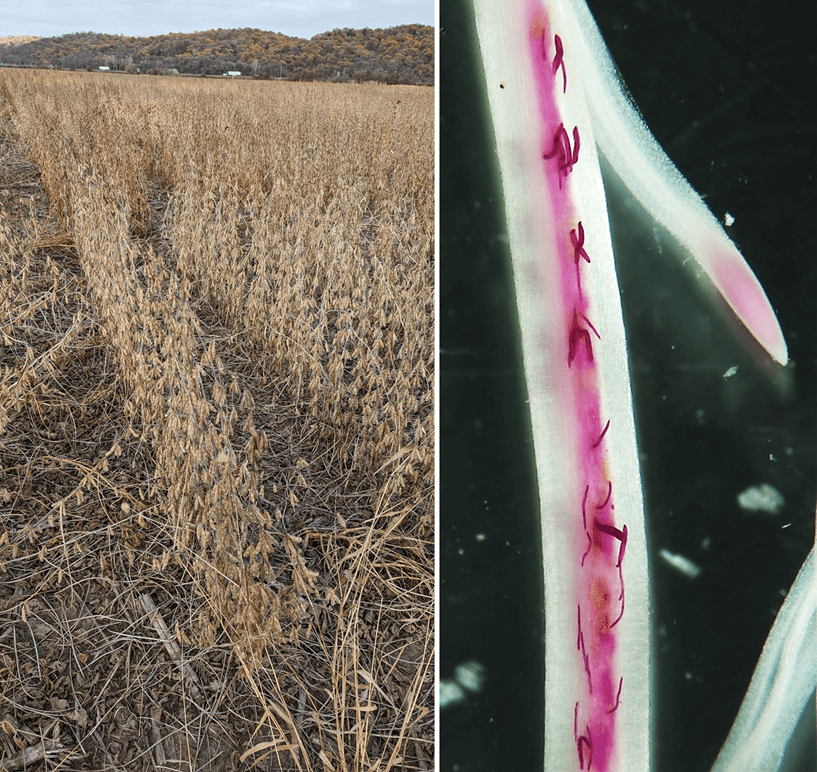
Plant-parasitic nematodes (PPNs) cause billions of dollars in annual yield losses and represent a major impediment to meeting the challenge of feeding a population projected to reach 9 billion by 2050. Our lab studies plant-nematode interactions with an emphasis on the sedentary endoparasitic cyst and root-knot nematodes, two of the most economically important groups of PPNs. These nematodes form parasitic relationships with host plants by establishing permanent feeding sites within the root. The feeding site serves as the sole nutritive source for the nematode to complete its life cycle at the expense of the host. We seek to understand the molecular mechanisms underlying nematode parasitism of host plants and determine how some plants are able to resist infection by nematodes.
Education
Doctor of Philosophy, Plant Pathology/Phytopathology
North Carolina State University, NC, United States (2001)
Master of Science, Plant Pathology/Phytopathology
University of Nebraska, NE, United States (1995)
Bachelor of Science, Biology/Biological Sciences, General
University of Puget Sound, WA, United States (1993)
Scholarly Works
- A soybean cyst nematode resistance gene points to a new mechanism of plant resistance to pathogens, NATURE, (2012).
- Nematode effector proteins: an emerging paradigm of parasitism, NEW PHYTOLOGIST, (2013).
- Potential sites of bioactive gibberellin production during reproductive growth in Arabidopsis., Plant Cell, (2008).
- How nematodes manipulate plant development pathways for infection, CURRENT OPINION IN PLANT BIOLOGY, (2011).
- Developmental transcript profiling of cyst nematode feeding cells in soybean roots, MOLECULAR PLANT-MICROBE INTERACTIONS, (2007).
Contact
Mailing Address
111 Riverbend Rd, Rm 211
Athens, GA 30602
Shipping Address
111 Riverbend Rd, Rm 211
Athens, GA 30602