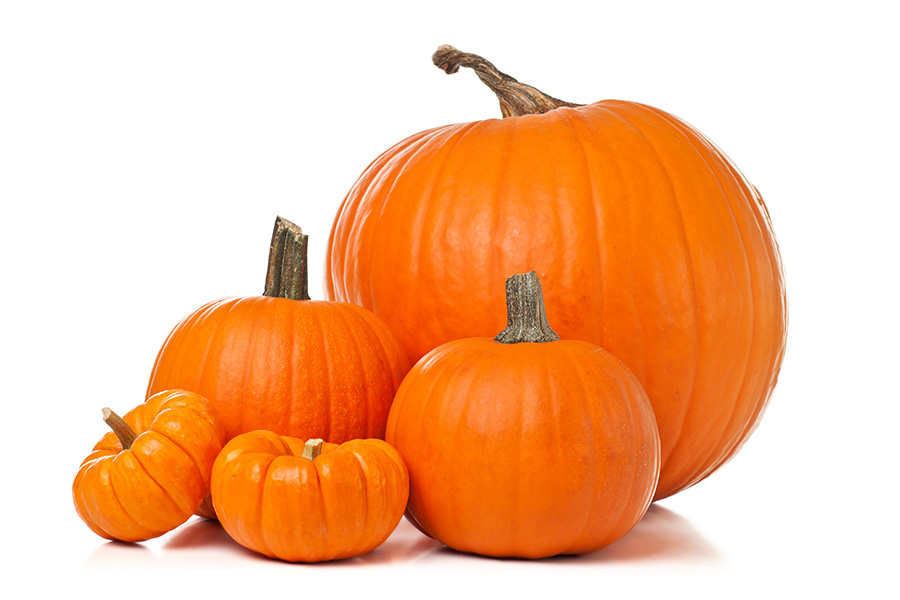

While pumpkins are edible and grown for both their flesh and seeds, they are more commonly used as fall decorations. This member of the cucurbit family can be found in a variety of shapes, sizes, and colors. While pumpkins are not very difficult to grow, they do require a substantial amount of space for their sprawling vines. Selecting the right cultivar and following good cultural practices are key to successfully growing pumpkins.
Site selection and preparation
Like most vegetables, pumpkins do best when grown in full sunlight conditions. Planting in weed-free, well- drained soil will help ensure success. Plant pumpkins in hills, with at least 8 feet of space on all sides. Planting in hills simply means raising the soil up a few inches into a gentle mound, which helps to ensure proper drainage. Keep in mind that some varieties will spread out even further than 8 feet.
Soil should be prepared by deep tilling and adding organic matter, if possible. Soil test to determine the pH and fertility requirements. A target pH of about 6.2-6.5 is ideal for pumpkins, and initial fertilizer should be incorporated into the soil at the time of planting. In the absence of a soil test, apply a complete fertilizer such as 13-13-13 at a rate of 20 pounds per 1000 square feet. A premium fertilizer containing micronutrients is the best option.
When and how to plant
For an early October harvest, home gardeners should plant pumpkins in mid- to late June, depending on the variety. Maturity dates can vary from 90 to 120 days, so gardeners should allow that much time for harvest. Seeds should be planted 1 inch deep in slightly raised hills, using four to five seeds per mound. As seeds germinate, thin seedlings down to two to three plants per mound. Light, frequent irrigation should be done during planting time to speed germination and to help plants become established.
Care and maintenance
Pumpkins need approximately 1 to 2 inches of supplemental water each week to grow properly. After fruit- set, it is extremely important not to let pumpkins go dry for an extended period of time. Side-dress pumpkins about three to four weeks after planting with additional nitrogen. Take care not to get fertilizer on the plant’s foliage, as it can burn the leaves. Maintain mulch, hand weed, or use landscape fabric to prevent weeds from taking over. As flowers develop, pollination will be critical to set fruit. For complete pollination, pumpkins require seven to ten visits from insects. Because pumpkins are insect pollinated, care should be taken not to spray insecticides haphazardly. If insect control is needed, spray late in the evening using organic options whenever possible.
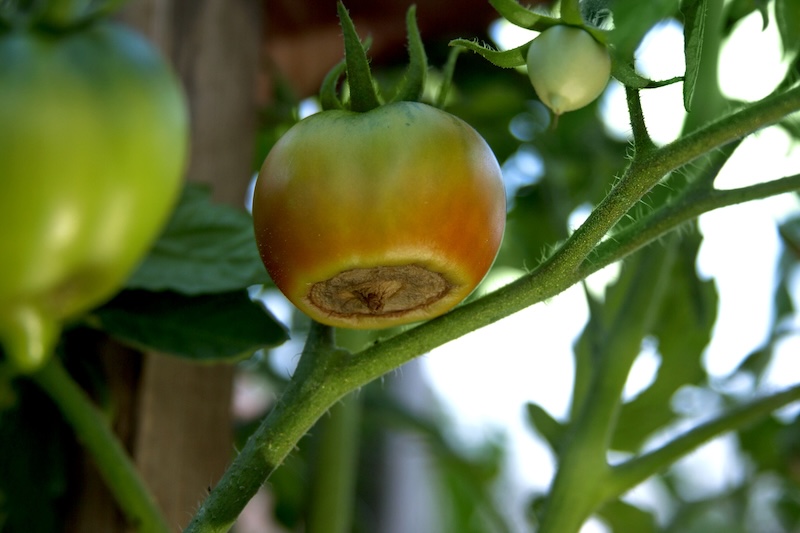
Squash bugs and squash vine borers can be a real challenge when growing pumpkins. Frequent scouting and control with an approved garden insecticide may be necessary. Fungal problems such as powdery mildew or downy mildew can often be an issue on pumpkins. There are several other diseases that can attack pumpkins, and properly identifying the problem is necessary for sufficient control. Several of these diseases can be controlled by applying an approved fungicide and avoiding overhead irrigation. Contact your local University of Georgia Cooperative Extension agent for current chemical recommendations for disease and insect control. Any diseased or injured pumpkins should be removed and taken away from the plant immediately.
Harvest and storage
Harvest pumpkins in the early fall when they have developed full color and size. Use a sharp knife or pruning shears to cut the stem, leaving a handle 3 to 4 inches long. Pumpkins will store better when a length of the stem is left remaining in the handle. Harden pumpkins off by storing them in a warm, humid area at about 80 degrees Fahrenheit for a couple of weeks. Healthy pumpkins can then be stored in a cool, dry place (e.g., inside a home) for several months or used to make pies or decorations.
Selecting a cultivar
The suggested pumpkin cultivars for Georgia are below. For all of these, the following planting parameters are recommended:
| Days to maturity | 85–120 |
|---|---|
| Spring planting dates | May 15–July 1 |
| Seeds/plants per 100 ft | 1 oz |
| Spacing rows per plants | 72 by 48 in. |
| Planting depth | 1 in. |
Tiny
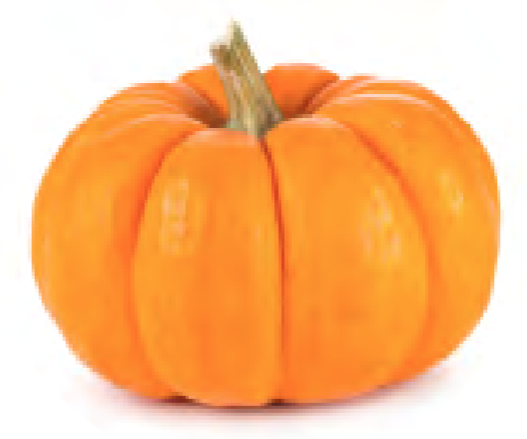
Pie Type
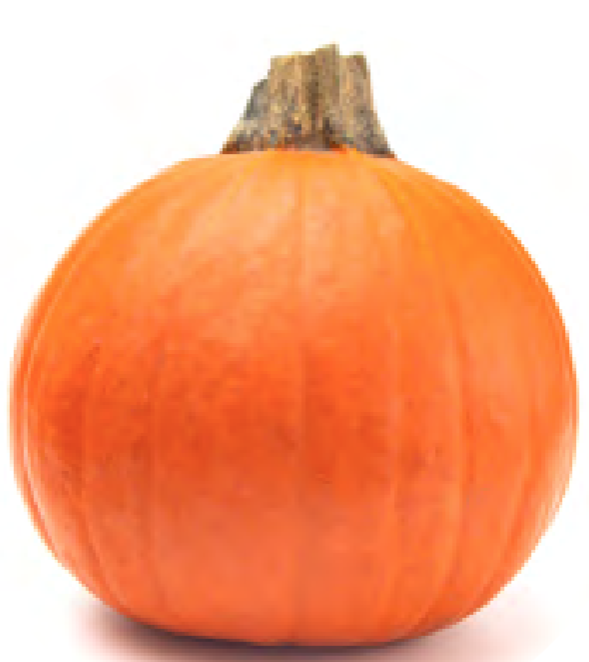
Small
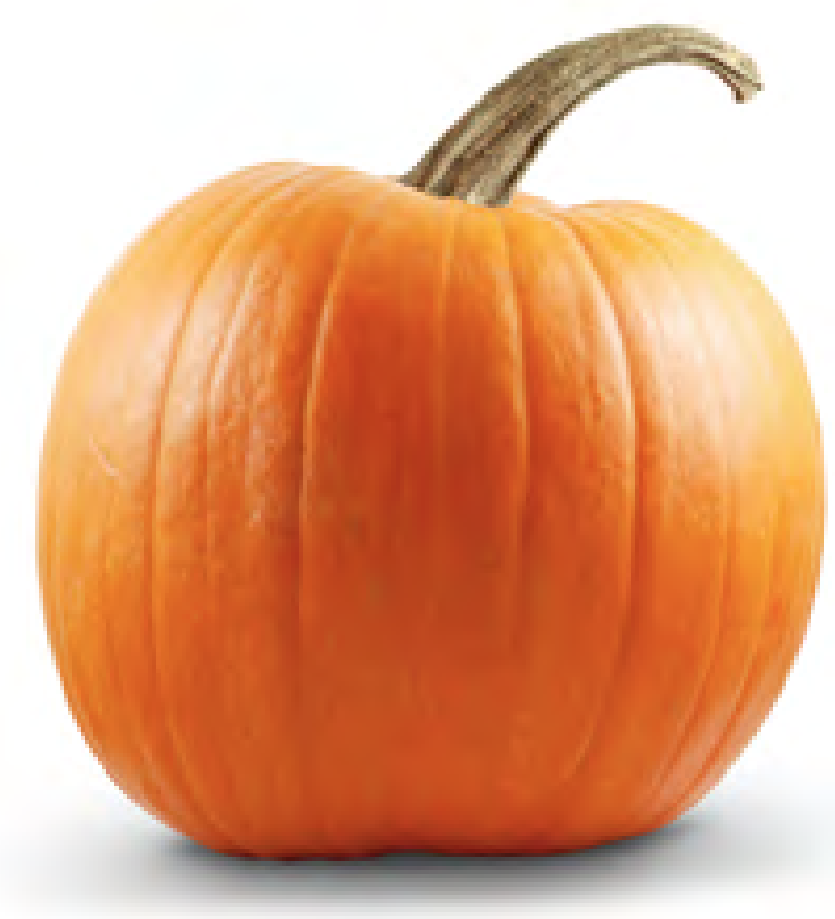
Large
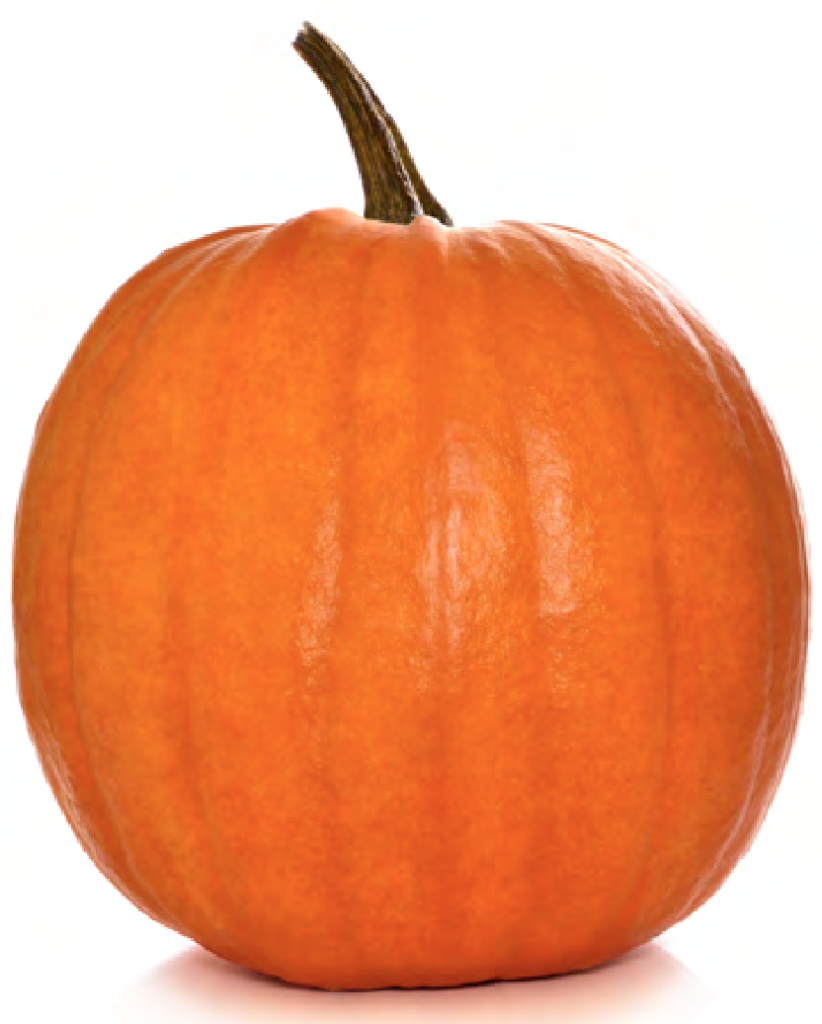
Giant