-
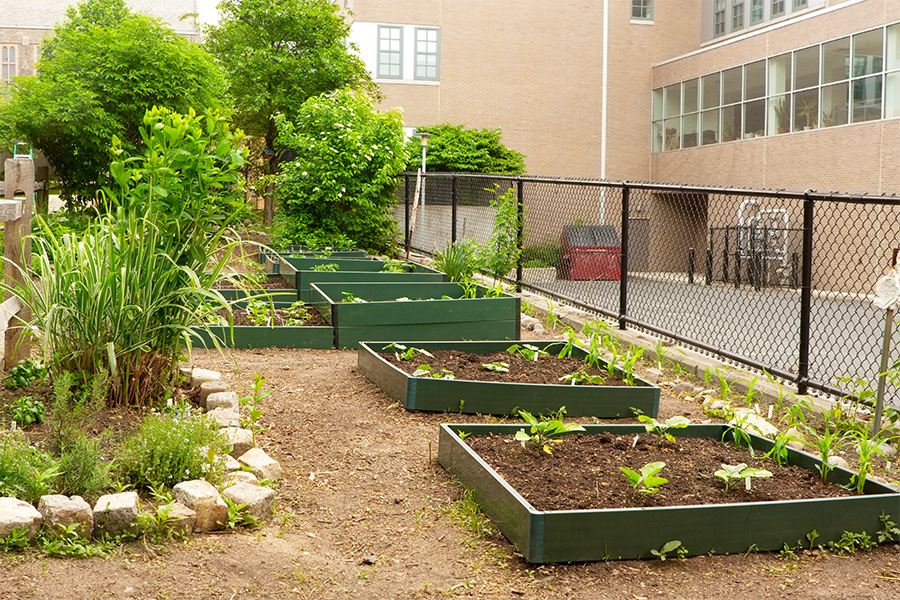
C 1027-3
Raised Beds vs. In-Ground Gardens
This publication describes the advantages and disadvantages of raised bed and in-ground gardens and may be used as a guide when planning a community or school garden project.
|
-

C 1027-9
Garden Fencing
This publication describes options for fencing a community or school garden, including fence types and materials.
|
-
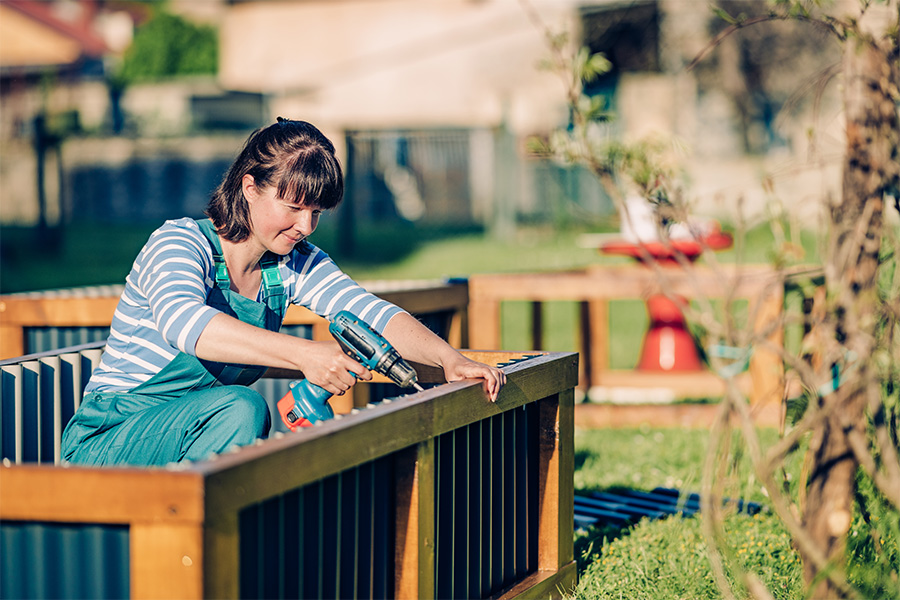
C 1027-5
Raised Bed Materials
This publication describes the advantages and disadvantages of various materials used for building raised beds, including types of wood, composite materials, recycled materials, and kits.
|
-
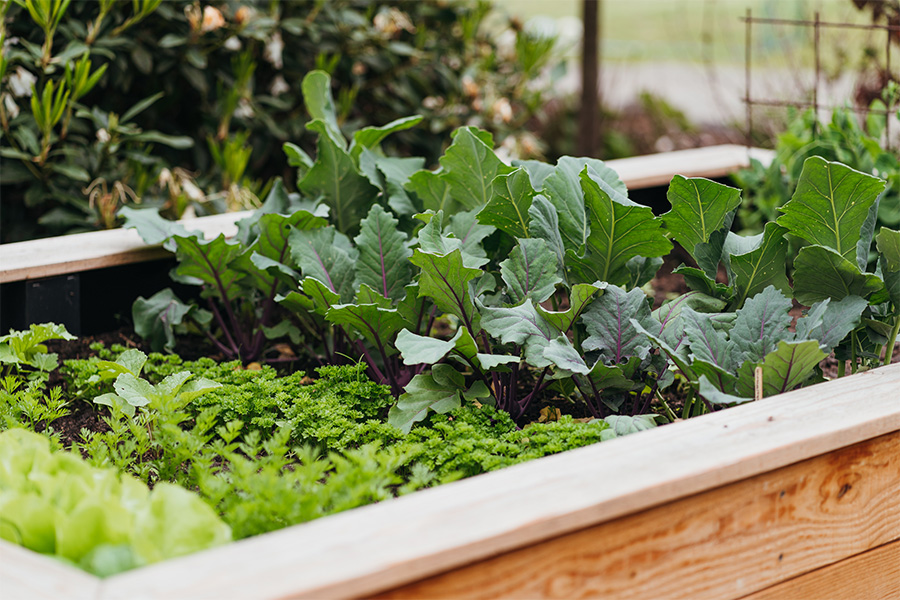
C 1027-4
Raised Garden Bed Dimensions
This publication helps determine the ideal dimensions of raised beds for community and school gardens by focusing on three things: materials, slope and accessibility.
|
-

C 1027-2
Siting a Garden
This publication provides recommendations for properly siting a school or community garden, taking into account sunlight exposure, water availability, slope, garden access, tool storage, compost bins and other amenities.
|
-
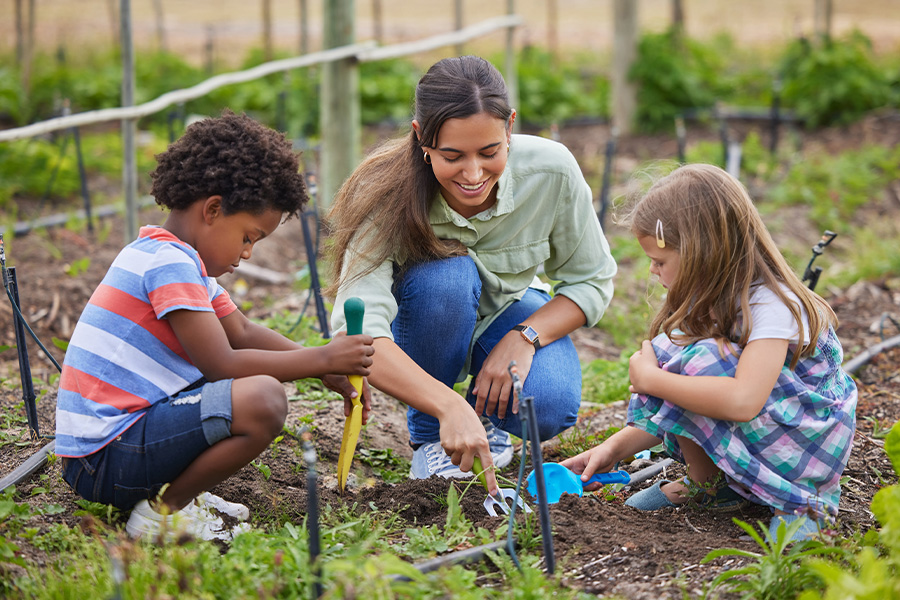
C 1027-10
Growing Fruits
Community gardens designed to provide locally grown food for families can be used to grow fruits in addition to the more commonly grown vegetables. There are many common and lesser-known fruits that are suited for planting in community garden situations.
|
-
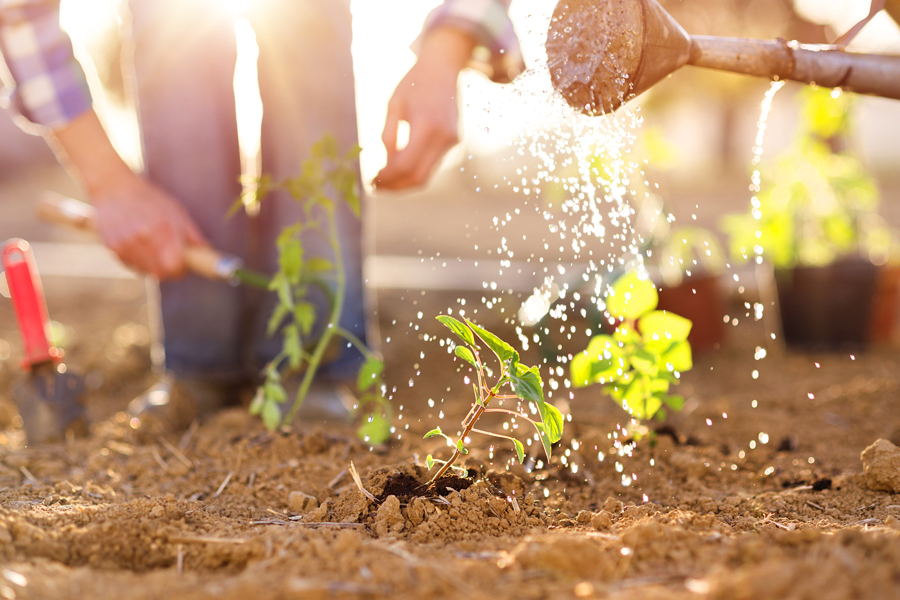
C 1027-12
Irrigation
This publication describes irrigation methods suitable for community or school gardens, including overhead sprinklers, hand watering and drip irrigation.
|
-

C 1027-11
Sources of Water for the Garden
This publication discusses the advantages and disadvantages of various sources of water for a community or school garden, including municipal water, rivers or creeks, ponds, wells and rainwater.
|