-

It is estimated that 2003 plant disease losses, including control costs, amounted to approximately $682.67 million. The value of the crops used in this estimate was approximately $5.399 billion, resulting in a 12.64 percent total disease loss across all crops included in this summary.
|
-

It is estimated that 2002 plant disease losses, including control costs, amounted to approximately $576.65 million. The value of the crops used in this estimate was approximately $4.376 billion, resulting in a 13.18 percent total disease loss across all crops included in this summary.
|
-
 To schedule irrigation for most efficient use of water and to optimize production, it is desirable to frequently determine the soil water conditions throughout the root zone of the crop being grown. A number of methods for doing this have been developed and used with varying degrees of success. In…
|
-
 The 13 topics covered in this publication are all integral parts of a successful carrot management program. Each topic is designed to focus on a particular aspect of production and provide the latest management technology for that phase of production. It is hoped that the information contained in this publication…
|
-

C 1015
Peanut Response to Dicamba
The objective of this publication is to provide county agents, peanut growers, crop consultants, agri-business personnel, etc. with information that can assist them in making appropriate management decisions after a suspected dicamba drift/volatilization or sprayer contamination problem has occurred.
|
-

In this report, analysis of data and results from previous studies are used to provide information concerning the peanut price support issue. This publication is provided for information purposes so that industry leaders may use it in their decision-making process.
|
-
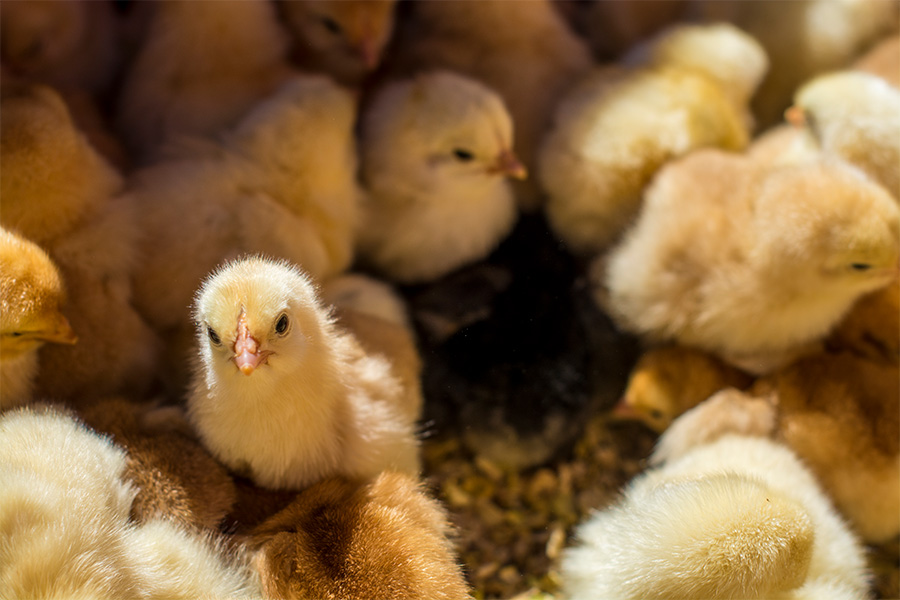 The main objective in brooding chicks is to efficiently and economically provide a comfortable, healthy environment for growing birds. Temperature, air quality, humidity and light are critical factors to consider. Failure to provide the adequate environment during the brooding period will reduce profitability, resulting in reduced growth and development, poorer…
|
-
 Whole cottonseed is an excellent feed for dairy cattle due to its high level of fiber, protein and energy (fat) in a compact package. It can be fed just as it comes from the gin without processing or may be pelleted before feeding. Whole cottonseed can also be used to…
|