-
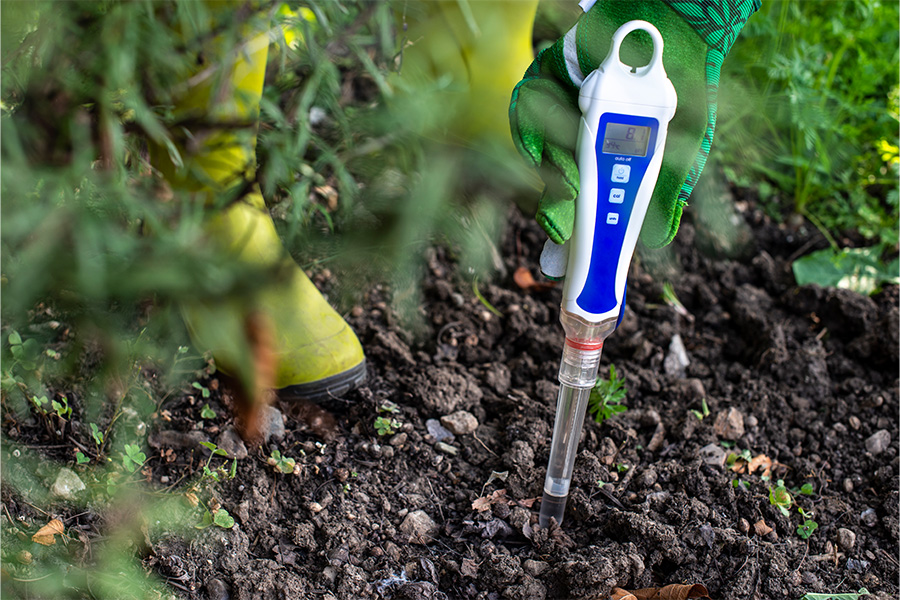
This resource explains a new method developed through UGA research that helps growers determine the amount of lime needed to correct their soil pH. It is useful for producers and soil-testing lab technicians.
|
-
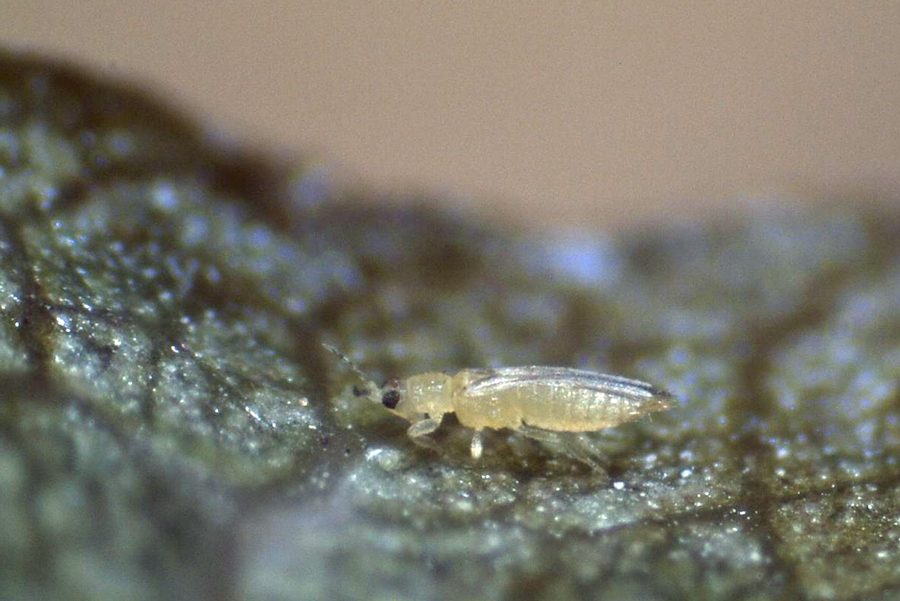 Chilli thrips is an invasive thrips species in the United States. Chilli thrips infest more than 150 crops worldwide, including strawberries, cotton, tea, citrus, and peppers, as well as many ornamental plants. The pest has become increasingly problematic in nurseries because of its wide host range, small size, and rapid…
|
-
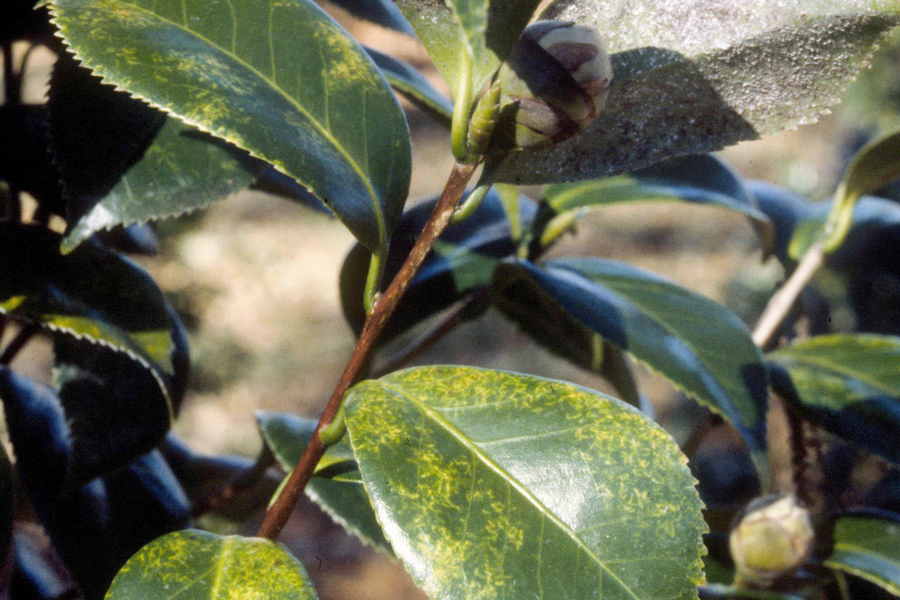 The tea scale is a serious economic pest of several ornamental plants in nurseries and landscapes in Georgia, including camellias and hollies. Tea scales are armored scales that cause yellowing of the leaf tissue, and under severe infestations, they can cause plant death. These pests undergo multiple overlapping generations per…
|
-
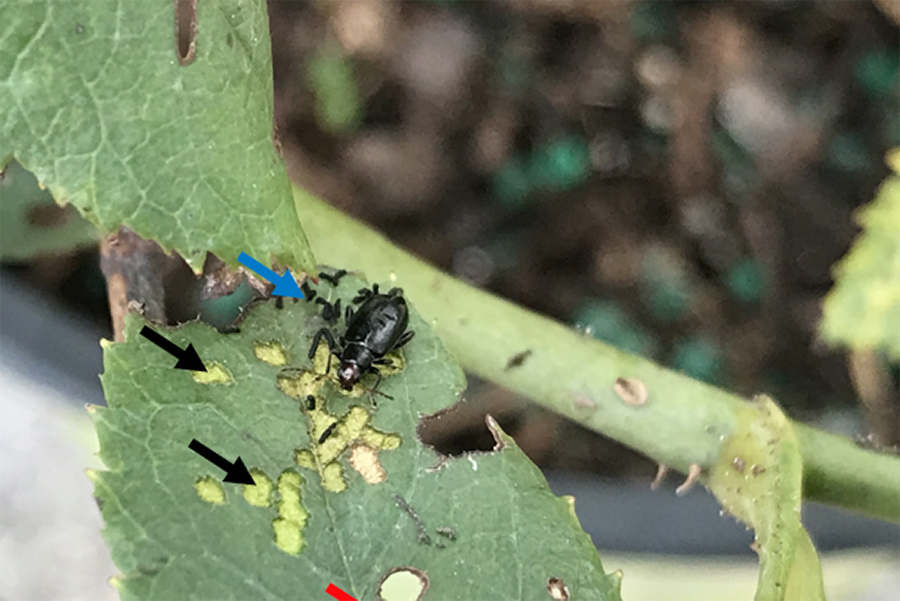 The red-headed flea beetle is a serious insect pest in ornamental nurseries. It is also referred to as the “cranberry flea beetle” in cranberry and blueberry systems in the Northern U.S. The adult beetle causes serious feeding damage to the foliage of a variety of woody and herbaceous container plants…
|
-
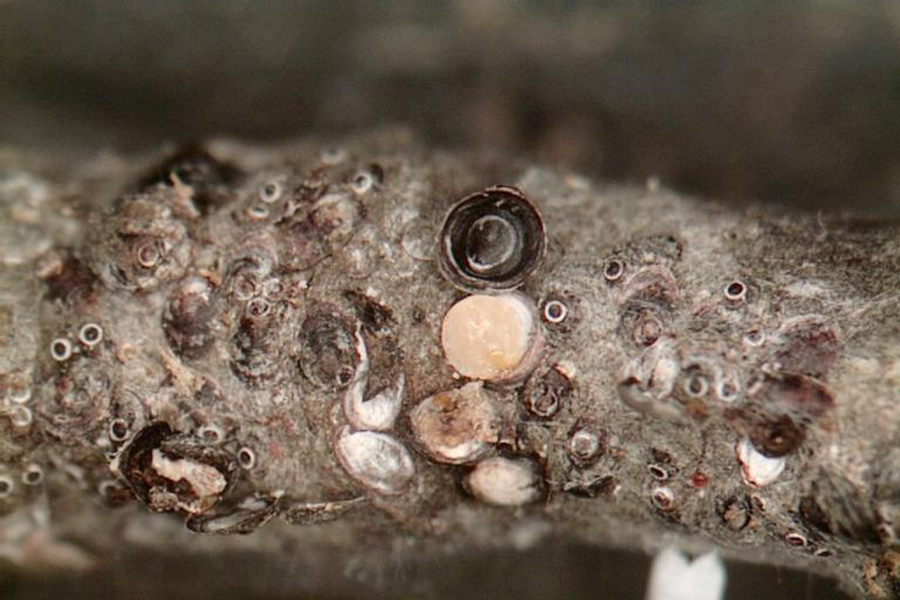 Scale insects are common pests of landscape trees and shrubs that are often overlooked when scouting. Scales can be responsible for chlorosis, branch die-back, and ultimately, plant death. Scales are broadly categorized as either soft scales or armored scales. Soft scales produce a soft, cottony, powdery, or waxy substance that…
|
-
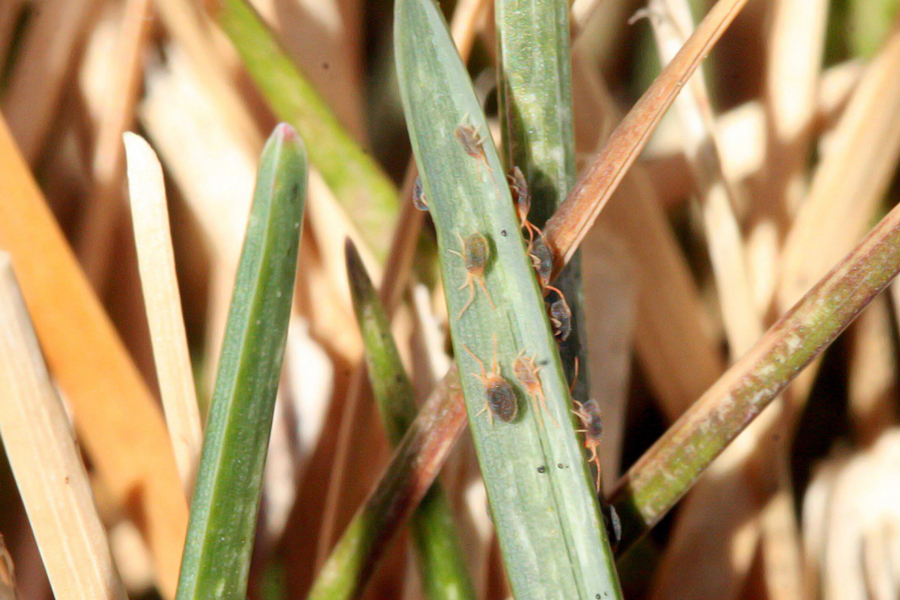
C 1178
Mite Management in Turfgrass
Plant-feeding mites can cause serious damage in turfgrass systems, and drought-stressed turfgrass is particularly prone to mite infestation. Mites are generally active in turfgrasses from spring into fall. They feed on plant sap and, in some cases, also inject toxins into plant tissues or manipulate plant growth, thereby producing characteristic…|
-
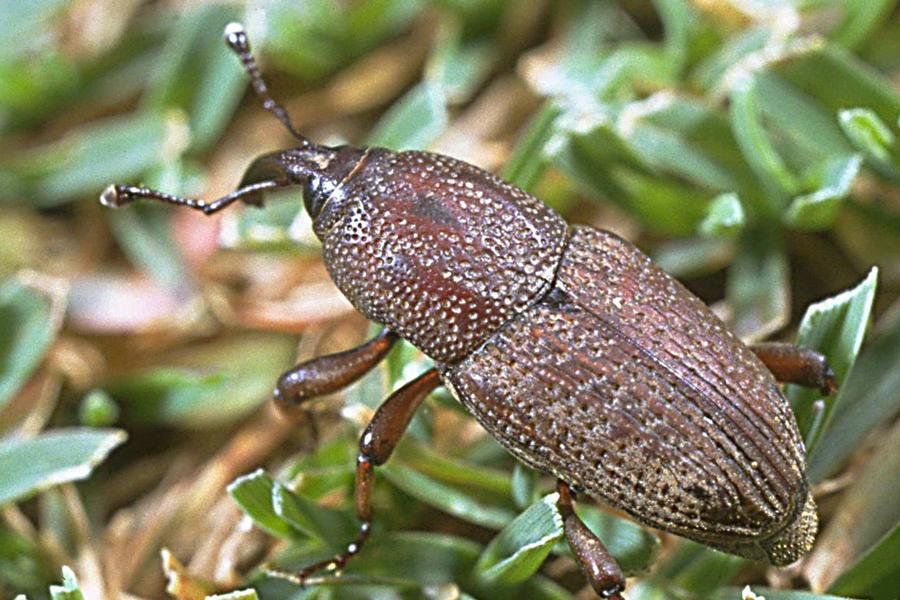 Hunting billbug, Sphenophorous venatus vestitus (Family: Curculionidae) is an important weevil pest of turfgrass in Georgia. It’s called a “billbug” because of its long snout, or bill, which has small mandibles at the tip. Hunting billbug infestations in turfgrass are not easily detected until the first signs of feeding damage,…
|
-

B 1331
Canola Production in Georgia
This publication covers best management practices for canola production in Georgia. Growing canola profitably takes planning and good management, from seed selection to harvest to marketing.
|