-
B 1493
Organic Pecan Production
Organic food production is one of the fastest-growing sectors of the American food marketplace and is driven largely by personal health preferences and environmental ethics. Pecan production generates unique challenges to organic production methods in the humid Southeastern U.S. because it is an environment conducive to heavy pressure from insects,…|
-
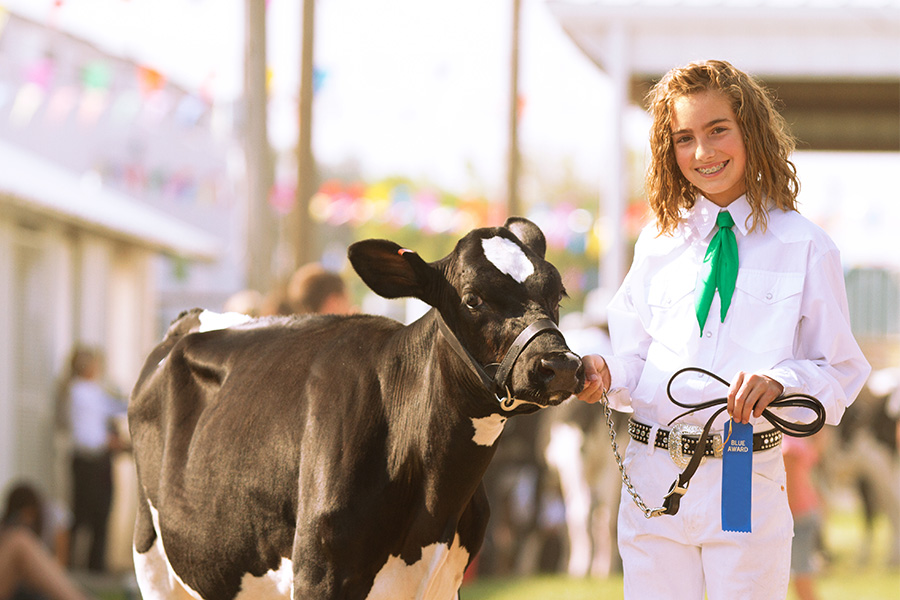 Every animal emerging from the pasture or barn needs time and attention to get her show-ring ready. The showman on the other end of the halter needs to be prepared as well. Faults in either fitting or showing could lead to a less successful show experience than one might have…
|
-
 Wild bees are effective pollinators of crops and native flowers, shrubs, and trees. They are naturally present and can supplement honey bees in apple pollination. Boosting their numbers by habitat development and conservation can be of considerable commercial and ecological value to producers and consumers. This guide is intended to…
|
-
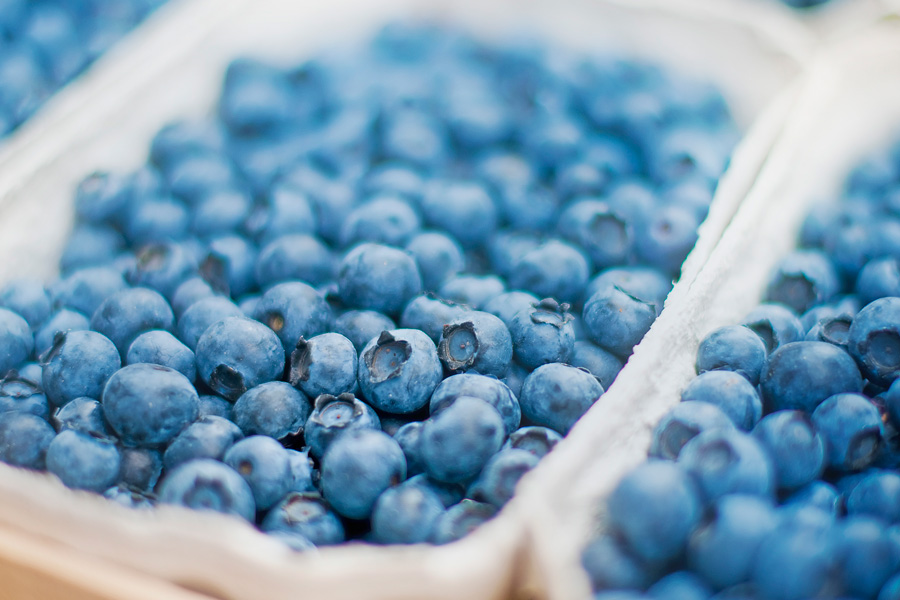
A grower survey was carried out in January 2023 during the annual blueberry update event held in Alma, Georgia. Survey responses were collected from 26 growers from eight Georgia counties. The results indicated the cultivar preference of south Georgia growers and major production constraints of blueberry production in southeast Georgia.
|
-
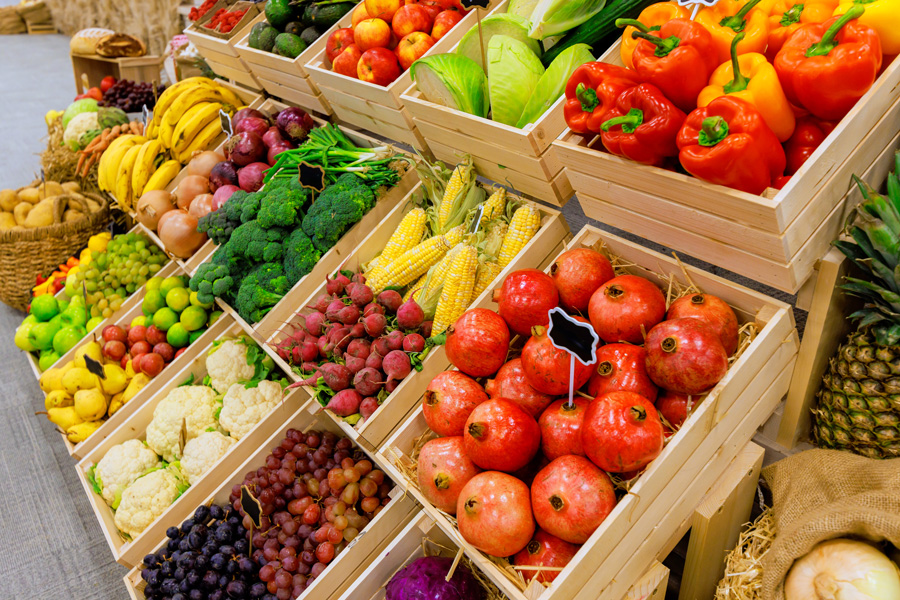 In Georgia, there are many small-scale producers that largely use ecological production practices, such as Certified Organic, and sell in farmers markets or other direct marketing channels. As these direct markets begin to saturate, these producers may need to forge a path beyond direct markets to wholesale or institutional markets…
|
-
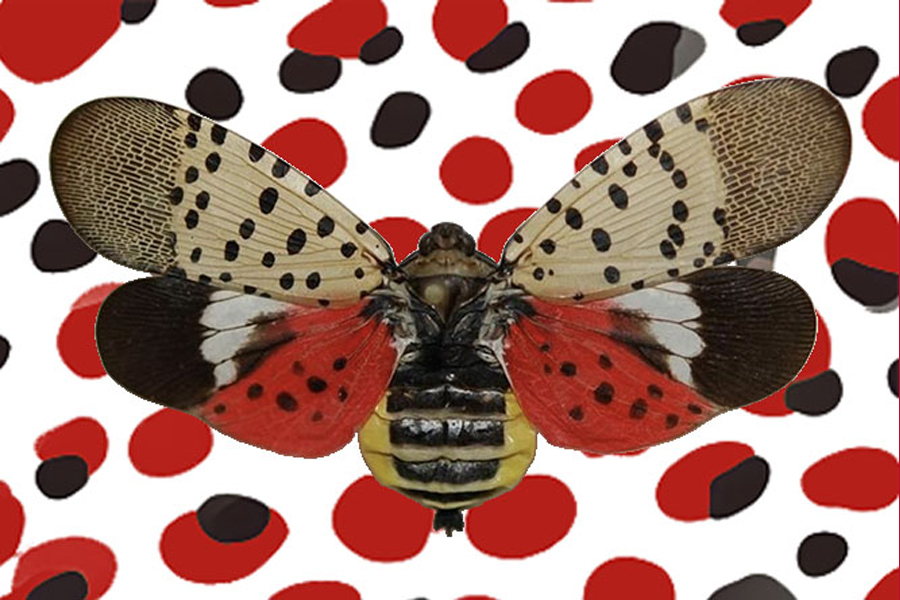
The spotted lanternfly is an invasive planthopper that can feed on a wide range of trees in the United States. The potential economic and environmental impact of spotted lanternflies is alarming, and threatens not only the livelihoods of many but also the biodiversity and beauty of our landscapes.
|
-
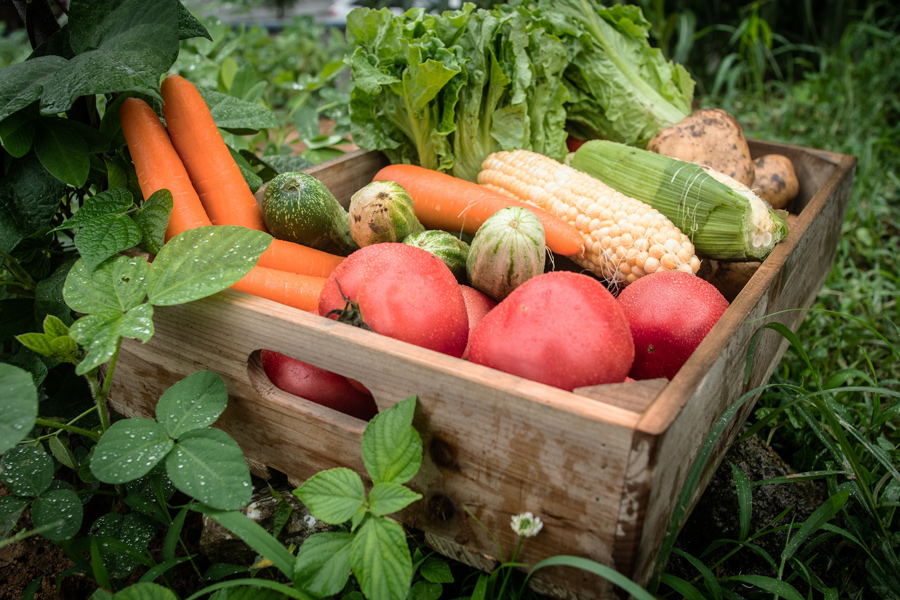 This publication lists vegetable variety recommendations for the state of Georgia. Most of these varieties have been trialed and grown successfully in the state. These are not the only varieties that can grow well in Georgia but provide new gardeners with a starting point to increase their chances of success.…
|
-
 Perfluoroalkyl and polyfluoroalkyl substances (PFAS) are a group of more than 9,000 manmade chemicals that have been in use worldwide since 1940, primarily in industry and numerous commercial and consumer products. The widespread use of PFAS for the past several decades has raised concerns due to their persistence, bioaccumulative nature,…
|