Bees Resources
-
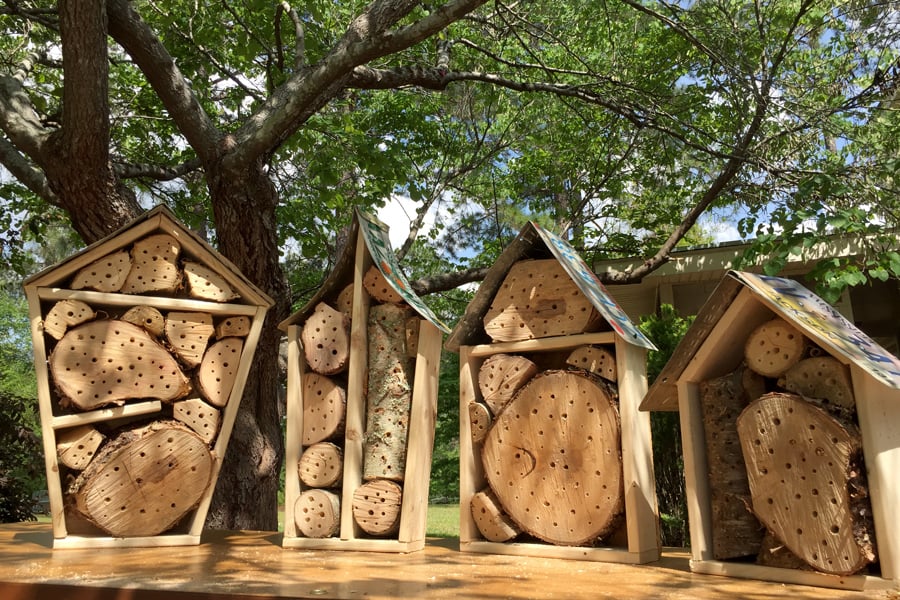
Planting pollinator-friendly flowers in your yard is a great first step for improving the quality of pollinator habitats. Adding nesting sites and nesting materials is another important measure in creating sustainable habitats, especially for native bees. When bees have access to a diversity of nesting materials, their numbers are positively affected, so providing nesting resources in your landscape is very beneficial to bees.
Published with the UGA Warnell School of Forestry and Natural Resources as WSFNR-17-48.
|
-
This section of the Home & Garden Edition covers external parasite control in companion animals, flea control products, and honey bee disease and pest control. Beginning in 2022, the Home & Garden Edition has been updated biennially. When purchasing a product based on a first-year recommendation of the Handbook, check the current product label before purchase to be sure it is still labeled for the use for which you are buying it. For pesticide products you have on hand from earlier purchases, you are allowed to use them until they are depleted without penalty under the law. Always follow label instructions before use. Contact the product’s manufacturer for the most up-to-date label.
|
-

The southeastern blueberry bee is an economically valuable pollinator in commercial blueberry production in Georgia. Researchers see a need for conservation of this species, and this resource provides detailed information on its identification, biology, nesting habitat, and floral hosts. It also incorporates research data from recent study in commercial blueberry system in south Georgia.
|
-

Bees are among the most populous, diverse, and effective pollinators. Approximately 70% of bee species nest in the ground, spending their larval and pupal stages underground. This resource helps residents understand how to help these bees as continued urbanization threatens natural spaces and land degradation, pollution, and habitat destruction present serious challenges to sustaining bee populations.
|
-
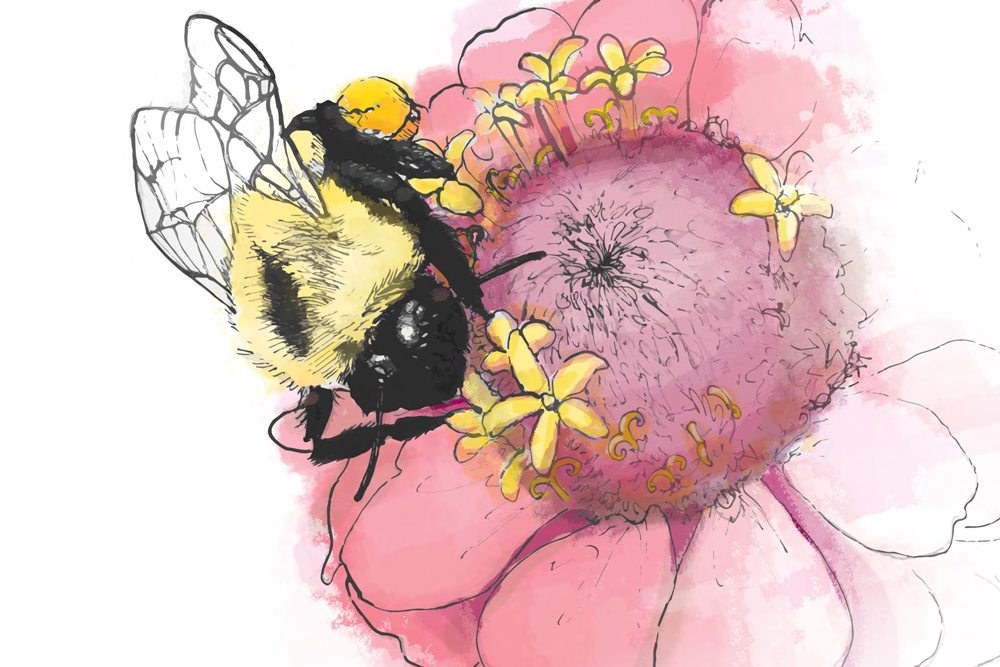
A pollinator-friendly and ecologically sustainable garden is both beautiful and able to attract and sustain beneficial insects, reducing the need for pesticides. This publication is based on new research in habitat management for purposes of planting insect-attracting plant species in order to intentionally draw insects to garden areas and urban landscapes. This is done by providing a refuge for the insects during winter and nectar and pollen resources. Plant selection directly affects beneficial insect populations, those insects that can provide ecological benefits such as biodiversity and natural pest control. This concept of “habitat management” can lead to potential increases in pollinating and other beneficial insect populations. An increase in these populations in landscapes will contribute to improved pollination of plants and biological pest control and reduce the need for pesticides.
|
-

Wild bees are effective pollinators of crops and native flowers, shrubs, and trees. They are naturally present and can supplement honey bees in apple pollination. Boosting their numbers by habitat development and conservation can be of considerable commercial and ecological value to producers and consumers. This guide is intended to highlight most common wild bees in North Georgia apple orchards.
|
-
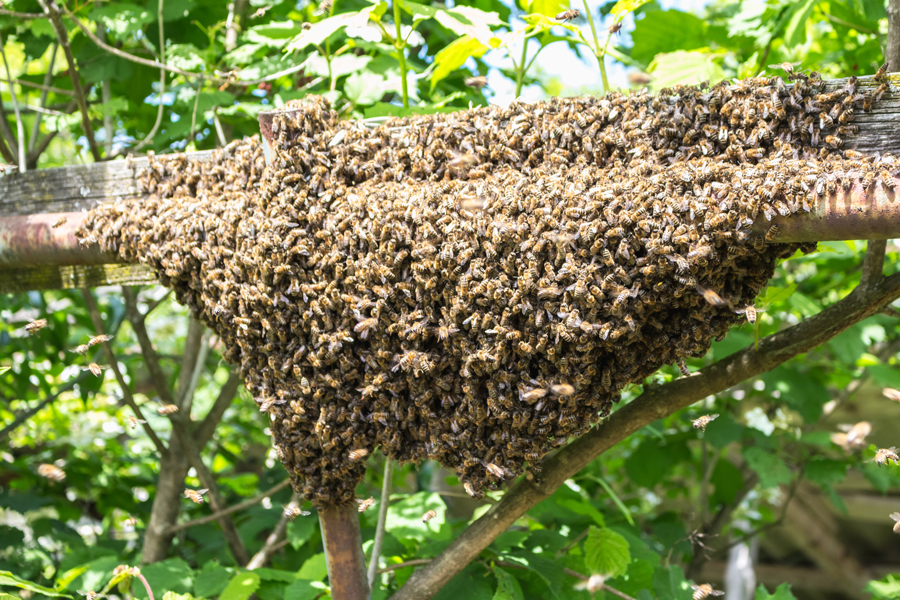
This circular is for property owners who have unwanted honey bee swarms on their lands or colonies nesting inside walls. It explains these natural processes and gives options for dealing with them.
|
-
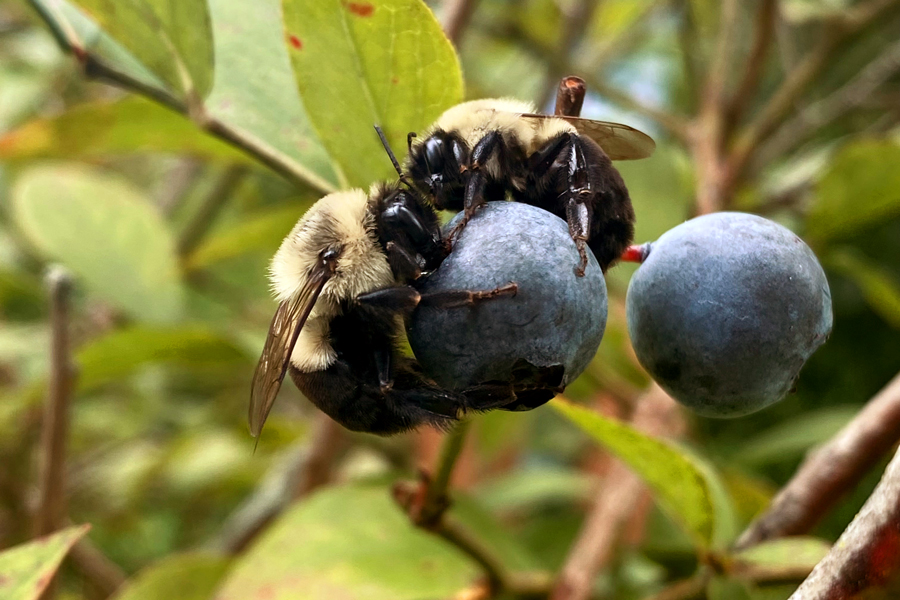
Esta guía muestra las abejas silvestres más comunes de las plantaciones de arándanos en el sur de Georgia. El material presentado aquí es un resumen visual del muestreo de 2021 y 2022 en campos comerciales de arándanos de los condados productores más importantes: Bacon, Pierce y Ware. En total, se encontraron más de 70 especies de abejas. La contribución de las abejas silvestres a la polinización de los arándanos es cada vez más reconocida. La identificación adecuada de estos insectos en el campo es una parte fundamental de los esfuerzos de conservación.
|
-
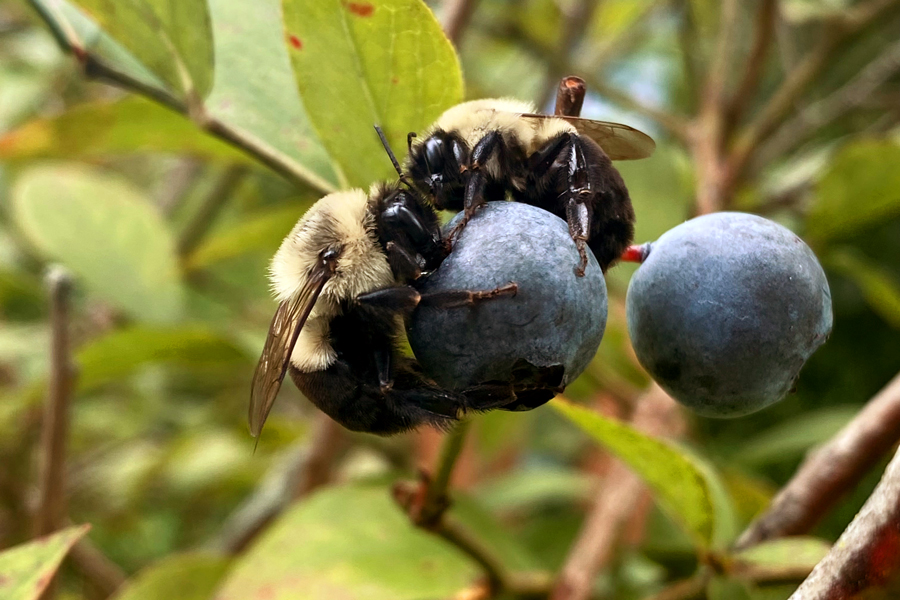
This visual guide helps people identify common wild bees encountered in blueberry systems. The contribution of wild bees to blueberry pollination has is becoming widely recognized. Proper identification of these insects in the field is critical part of conservation efforts.
|