Community Gardens Resources
-
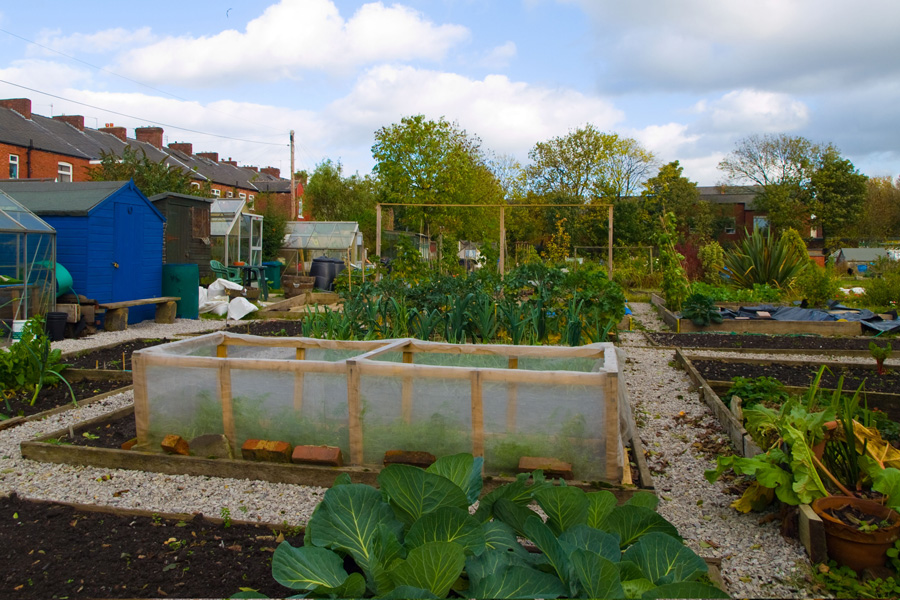
Community gardening involves cultivating people and relationships, as well as the soil. This resource provides guidance and suggestions that will help you create a successful community garden.
|
-
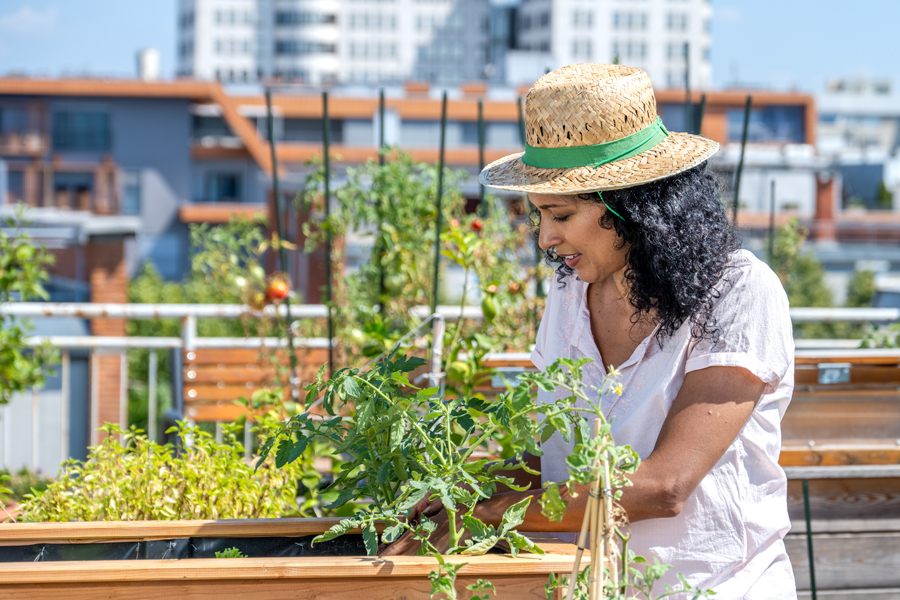
Urban gardeners and farmers may have concerns about potentially harmful contaminants in their soils. By determining the historical use of the land, one can test for soil contamination associated with prior use. This publication outlines appropriate testing procedures for soil contamination and recommends best gardening practices for working in urban soils.
|
-
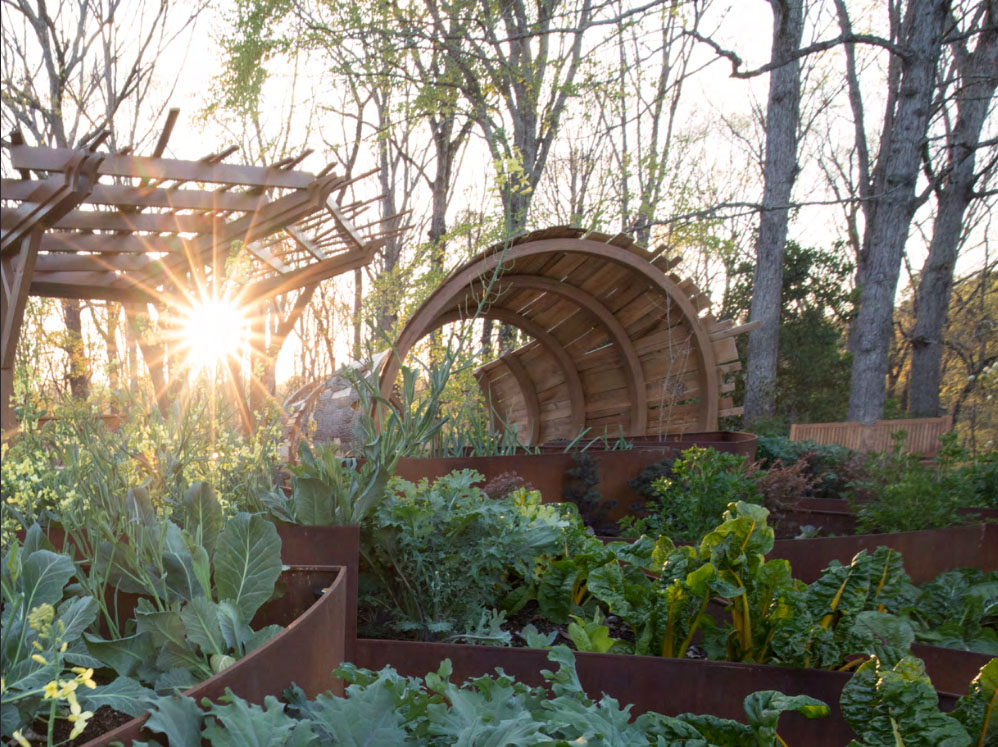
Summer management of the school garden can be a challenge for educators and school gardeners. This resource presents several possible strategies for handling the garden so that teachers and administrations come back to school in the fall with a garden ready for use.
|
-
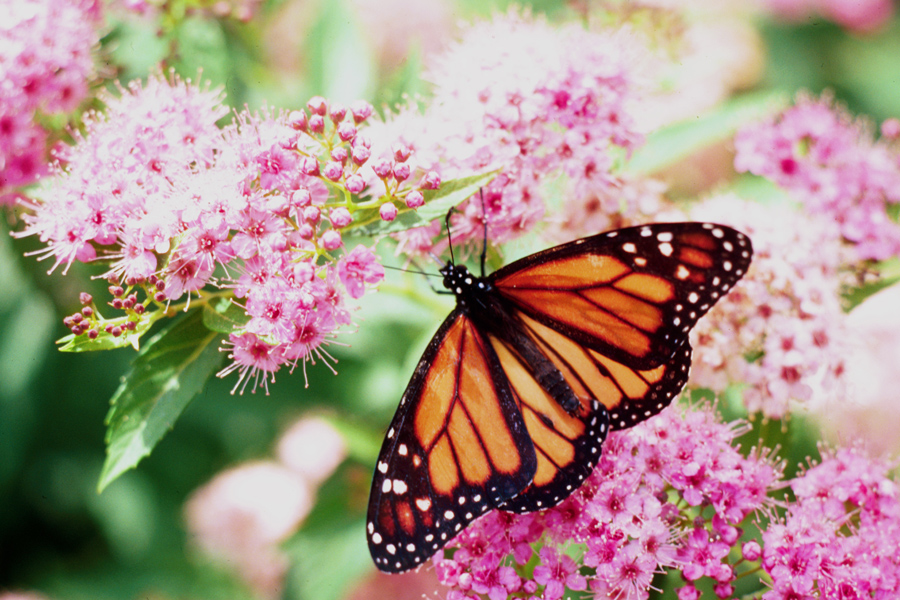
Monarch butterflies travel on air currents and cross more than 3000 miles in the winter to reach their overwintering sites in Mexico. The loss of this habitat, combined with diseases, pesticide use, and loss of larval hosts (i.e., milkweed), are causing a decline in Monarch populations. The larvae need milkweed to develop, and the adults need nectar for migration and survival day-to-day, so more nectar sources and milkweed plants are needed to sustain their migration patterns. This resource can help you select flowering plants and milkweeds that can help conserve the migrating monarchs, especially when planted along farm-reserved lands and urban gardens.
|
-
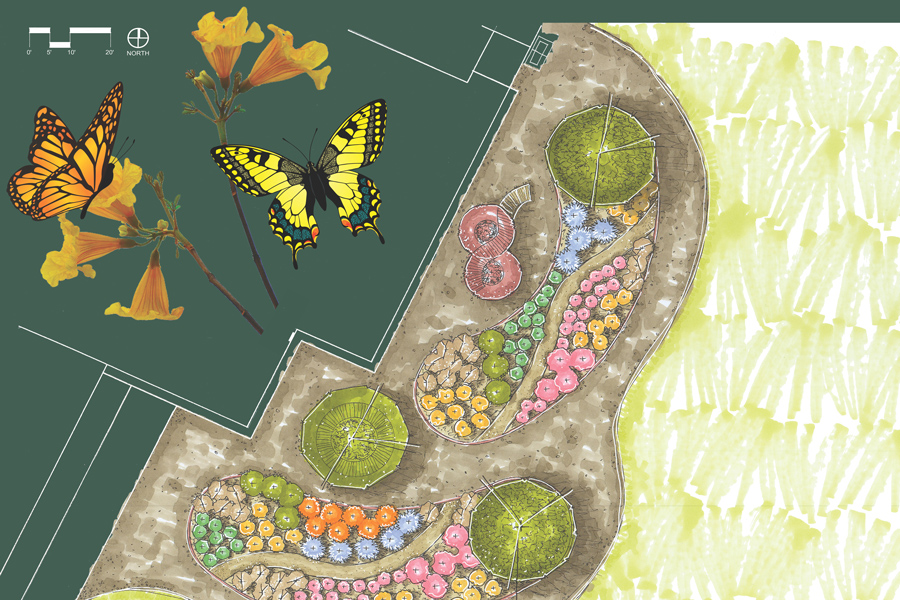
The lead author of this publication is Katherine Melcher, College of Environment and Design. The UGA Extension contact for the publication’s content is Becky Griffin. Providing opportunities for youth to design their environment can increase their connection to everyday nature and increase their sense of empowerment. By combining ecology and design, garden design can also be a central piece in STEAM (science, technology, engineering, art, and math) education. This activity guide contains five chapters that explain the purpose of pollinator gardens, the design process, and the basic steps used to create a planting plan. The chapters are supplemented with activities to guide youth and other beginning designers through the process of creating a pollinator garden.
|
-
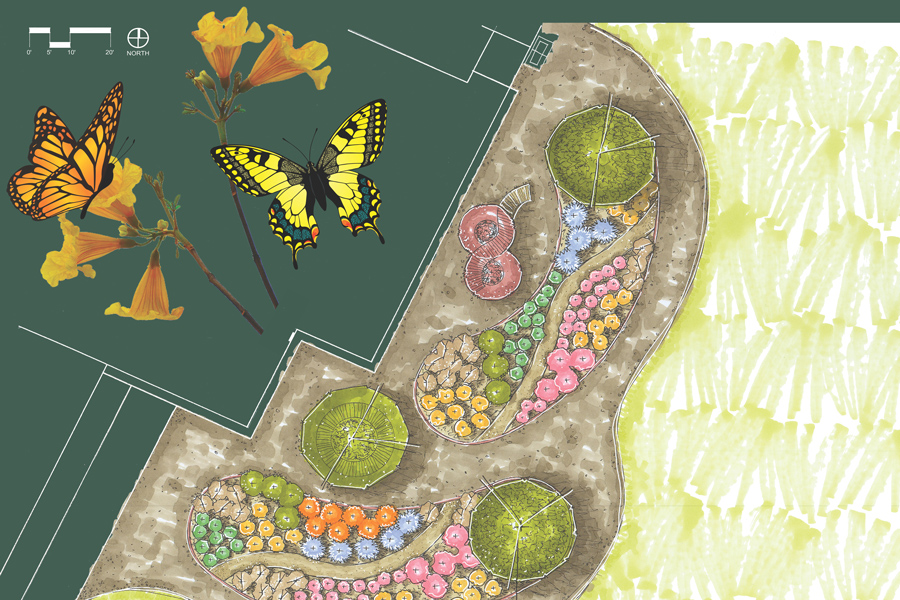
The lead author of this publication is Katherine Melcher, College of Environment and Design. The UGA Extension contact for the publication’s content is Becky Griffin. These appendices provide information about plants that grow well in Georgia’s Piedmont Ecoregion, as well as to-scale plant symbol and plant ID card templates for use in creating design plans.
|
-

Consumer horticulture is the cultivation, use, and enjoyment of plants, gardens, landscapes, and related horticultural items to the benefit of individuals, communities, and the environment. These activities rely on the understanding and application of the art and science of horticulture. This publication focuses on what consumer horticulture provides for the environment.
|
-

C 1202
Connecting People and Plants
Consumer horticulture touches all our lives, whether in a bustling downtown area, the open countryside, or anywhere in between. Consumer horticulture supports human health, community beautification, environmental stewardship, local food, and more. Consumer horticulture benefits us when we tend a container garden, visit and play in a park or public garden, and grow plants indoors or outdoors.
|
-

The plants and gardens that we tend matter for our personal health. They can enhance our homes, making them a haven for rest and well-being. They provide much-needed exercise, nutrition, and diversion while also providing the space to make important community connections.
|