Economy Resources
-

Built-financial capital refers to the constructed environment (or infrastructure) and economic resources needed to support community activities and sustain successful community development. Considering the infrastructure as well as the financial resources within a community may provide an important perspective regarding needs as well as opportunities.
|
-

Cultural capital refers to the resources that make up a community’s tangible and intangible creative assets. Tangible assets can include historical buildings, sites, and other structures, as well as local art, sculptures, and crafts. Intangible assets include community traditions, customs, values, practices, music, and literature, which contribute to a community’s identity and distinguish community members. These items of cultural capital can contribute to the overall cultural value existing within a community. This publication provides additional details and insights how communities, citizens, and educators can use cultural capital to engage in productive dialogue and programs.
|
-

People represent one of the most important local assets available to a community. While a collection of individuals is needed to start and maintain a community, growth and prosperity largely depend on the talents these individuals possess and the contributions they make to ensure that the community thrives. The education, training, and personal characteristics that give rise to these talents are called human capital.
|
-

Political capital can increase communities’ productive capacity by helping them and their residents achieve specific goals that would be unattainable without it. Political capital refers to the power and influence of communities and groups that are organized around strong relationships and associations.
|
-

Natural capital refers to a community’s environmental resources, such as air, water, land, forests, vegetation, minerals, fossil fuels, local animal populations, and all other natural resources. These resources can be considered capital assets because of the potential goods and services derived from them, such as food, drinking water, timber, and natural beauty. Natural capital is also the foundation on which all other capital is based, as it supplies the basic materials for nurturing life, building infrastructure, and influencing local culture.
|
-

Social capital refers to resources resulting from relationships and networks within a community. These resources include the established expectations and practices (or norms) that shape the behavior of community or group members, known penalties for disregarding these norms, higher levels of trust, and the give-and-take transactions necessary for cooperation. These resources typically will enable communities to function more effectively by engaging residents and encouraging teamwork.
|
-
AP 130-4-06
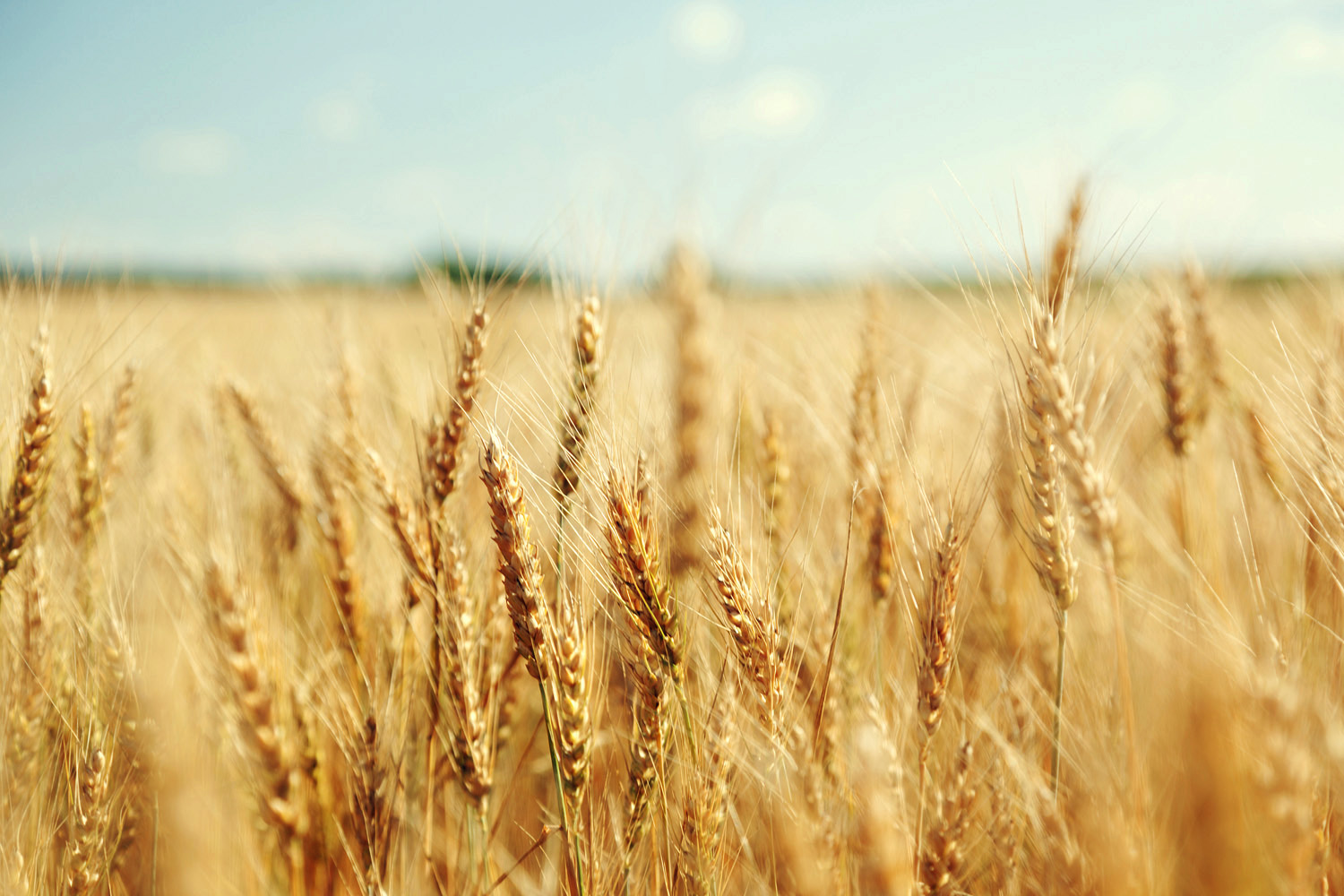
2026 Corn, Soybean, and Wheat Outlook
The key points for the 2026 season are: Large ending stocks from 2025 mean that prices will likely remain low during 2026. Tight margins are expected to continue in 2026 as projected prices for corn, soybeans, and wheat are near or below the breakeven cost of production. In Georgia, growers are likely to plant more corn acres, while soybean and wheat plantings will be comparable to last year.
|
-

AP 130-4-05
2026 Peanut Outlook and Market Situation
The key points for the 2026 season are: High peanut acreage is expected to continue into 2026, keeping overall U.S. and Georgia production elevated. Oversupply will keep prices under pressure, with Georgia forward contracts likely in the range of $425–$500/ton. Exports and profitability remain challenged, underscoring the need for new markets and stronger demand to support grower returns.
|
-

AP 130-4
2026 Georgia Ag Forecast
Each year, UGA’s agricultural economists develop a comprehensive overview to help various sectors of the agriculture industry navigate the year ahead. As Georgia’s land-grant university, the University of Georgia conducts cutting-edge research on critical and emerging issues that are important to the agriculture industry. From this research, UGA provides the best information and education available to producers and constituents to equip them with knowledge and decision-making tools for their businesses.
|