Flowers Resources
-
C 660
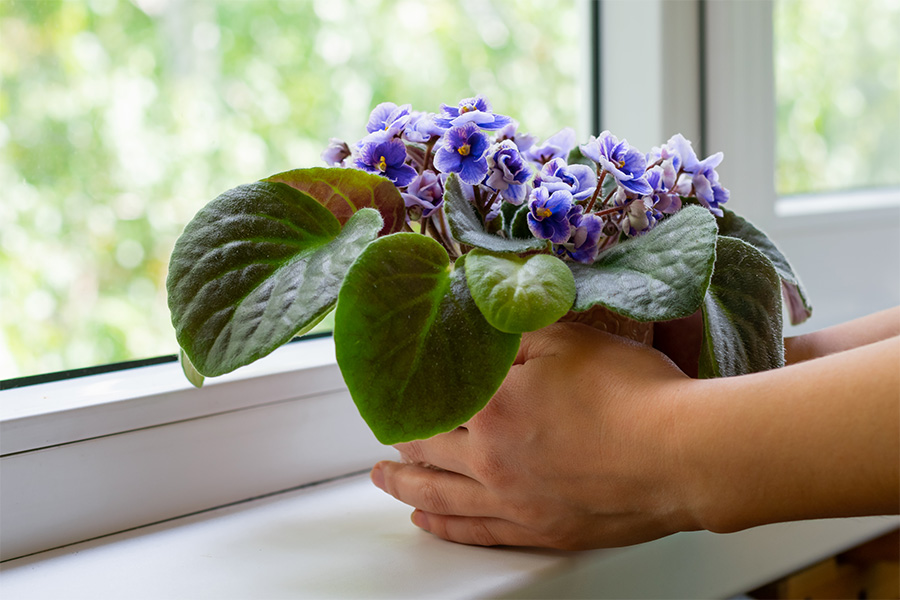
Growing African Violets
African violets are now among the most popular indoor plants. They are easy to grow and offer a wealth of beautiful flowers.
|
-
C 944
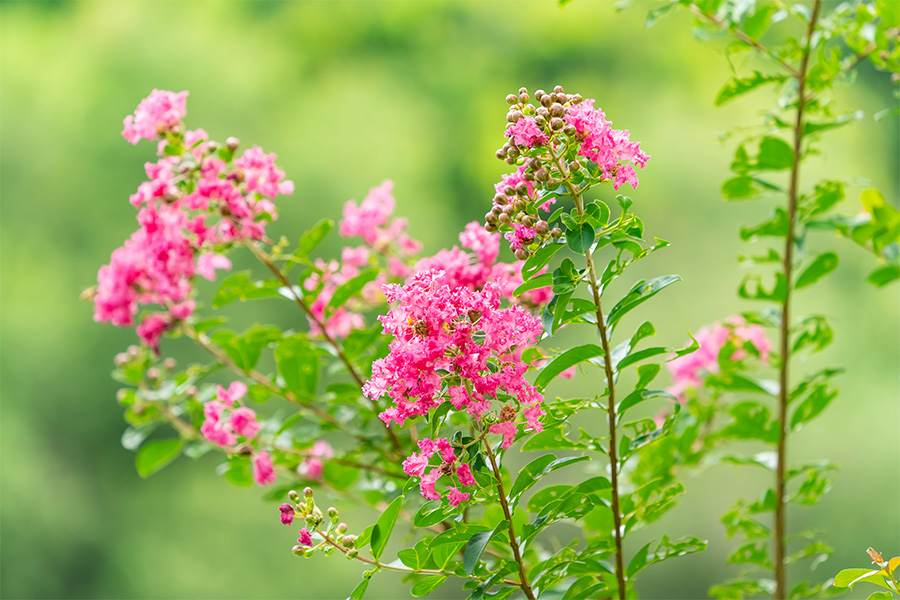
Crape Myrtle Culture
Crape myrtle is one of the most useful flowering shrubs/trees grown in Georgia. It provides abundant summer color with a minimum of maintenance.
|
-

Annuals are the mainstay color plant of many home gardens. They are also used in increasingly large numbers in commercial and municipal landscapes because they provide landscape color in a very short time with minimal investment. Properly cared for, many annuals will brighten the landscape continuously from spring until frost kills them in the fall.
|
-
SB 48-06
Home Fungicide Guide
This section of the Home & Garden Edition covers fungicides for use in and around your home. Beginning in 2022, the Home & Garden Edition has been updated biennially. When purchasing a product based on a first-year recommendation of the Handbook, check the current product label before purchase to be sure it is still labeled for the use for which you are buying it. For pesticide products you have on hand from earlier purchases, you are allowed to use them until they are depleted without penalty under the law. Always follow label instructions before use. Contact the product’s manufacturer for the most up-to-date label.
|
-
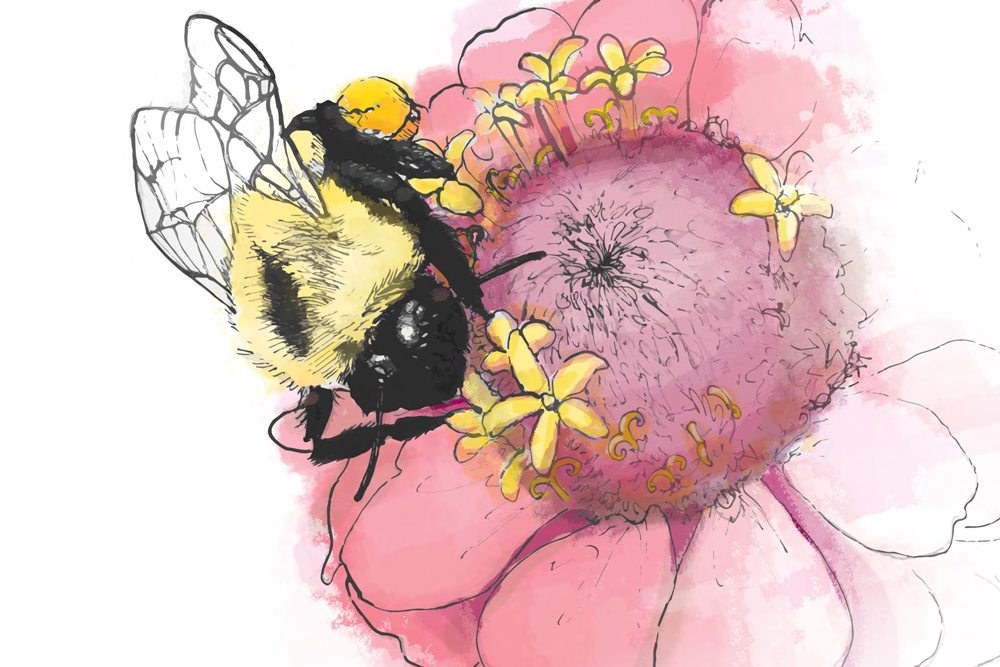
A pollinator-friendly and ecologically sustainable garden is both beautiful and able to attract and sustain beneficial insects, reducing the need for pesticides. This publication is based on new research in habitat management for purposes of planting insect-attracting plant species in order to intentionally draw insects to garden areas and urban landscapes. This is done by providing a refuge for the insects during winter and nectar and pollen resources. Plant selection directly affects beneficial insect populations, those insects that can provide ecological benefits such as biodiversity and natural pest control. This concept of “habitat management” can lead to potential increases in pollinating and other beneficial insect populations. An increase in these populations in landscapes will contribute to improved pollination of plants and biological pest control and reduce the need for pesticides.
|
-
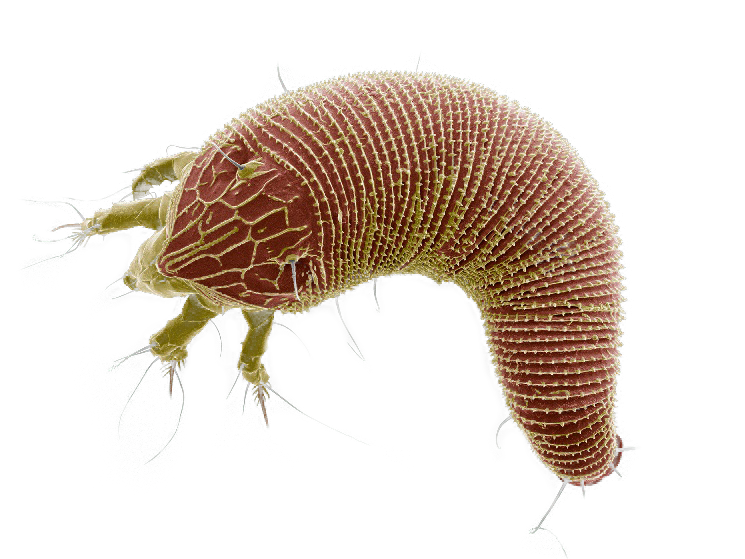
Rose rosette virus can cause major problems for nurseries, landscapers, and gardeners alike. The virus causes the plants to become undesirable and will eventually result in the death of the plant, which affects all segments of the rose industry as well as rosarians and home gardeners. The symptoms of disease on ornamental roses are a yellow mosaic pattern appearing on leaves, increased thorniness, abnormally shaped foliage and early production of lateral buds that make up the witches’ broom. This publication is intended for rose producers and serious rose gardeners interested in technical details of this virus and a mite that transmits it.
|
-
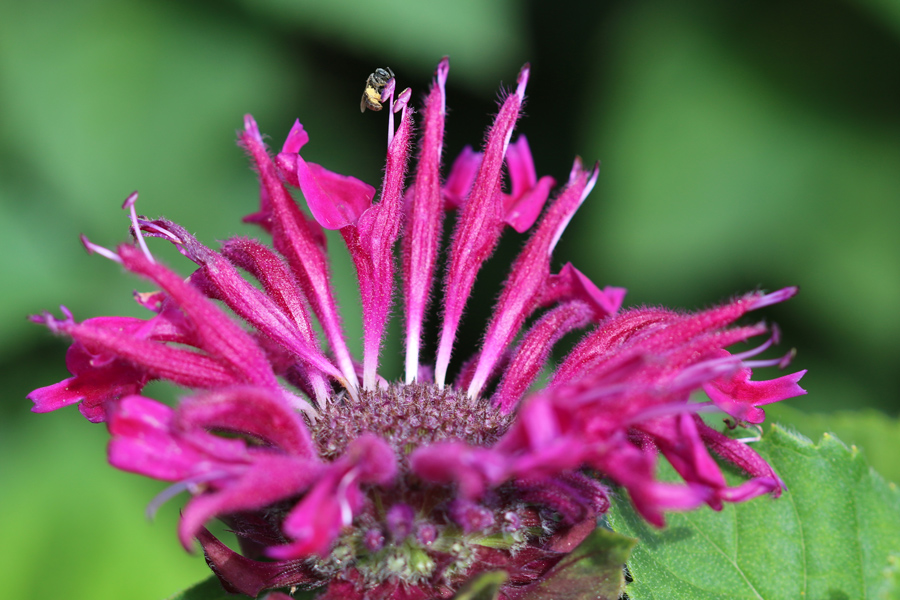
Monarda, commonly known as beebalm, is a North American perennial naturally found in woodlands, meadows, and floodplains. Aside from its aesthetics, beebalm offers environmental benefits, as its flowers, seeds, and shoots provide forage and habitat for many species of wildlife, including insects and birds. This publication covers the results of performance trials for 10 popular Monarda plants in the montane and piedmont (i.e., northern) Georgia regions.
|
-
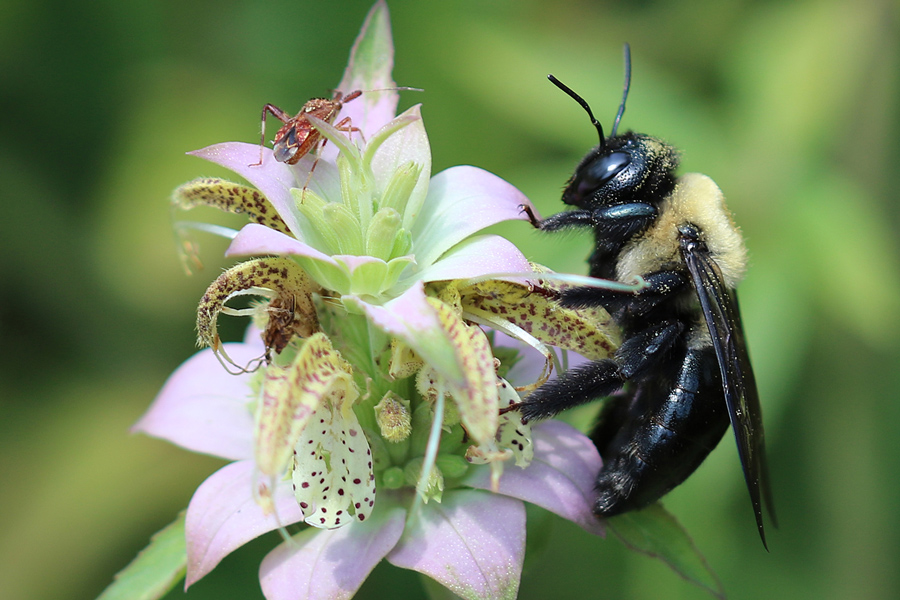
Monarda (beebalm) is a North American perennial naturally found in woodlands, meadows, and floodplains. It offers environmental benefits, as its flowers, seeds, and shoots provide forage and habitat for many species of wildlife, including insects and birds. This publication covers more details from our trials on 10 popular Monarda plants, this time focusing specifically on their floral properties.
|
-
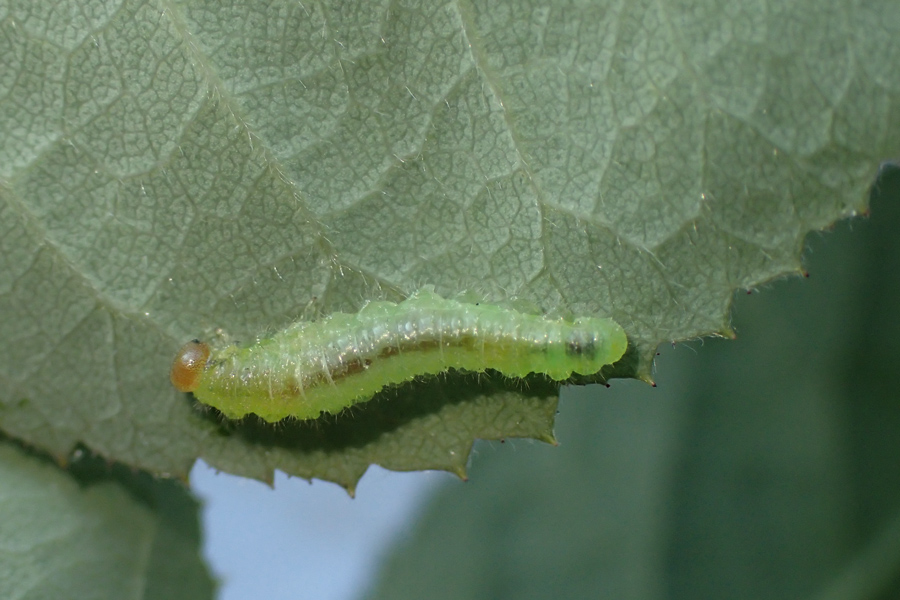
The bristly roseslug sawfly is a common species of roseslug in Georgia. The larval stages feed on rose leaves and cause extensive damage; it is particularly problematic on rose shrubs in ornamental landscapes. This publication tells you how to manage these pests in your gardens and landscapes.
|