Food Storage Resources
-
 Renewed
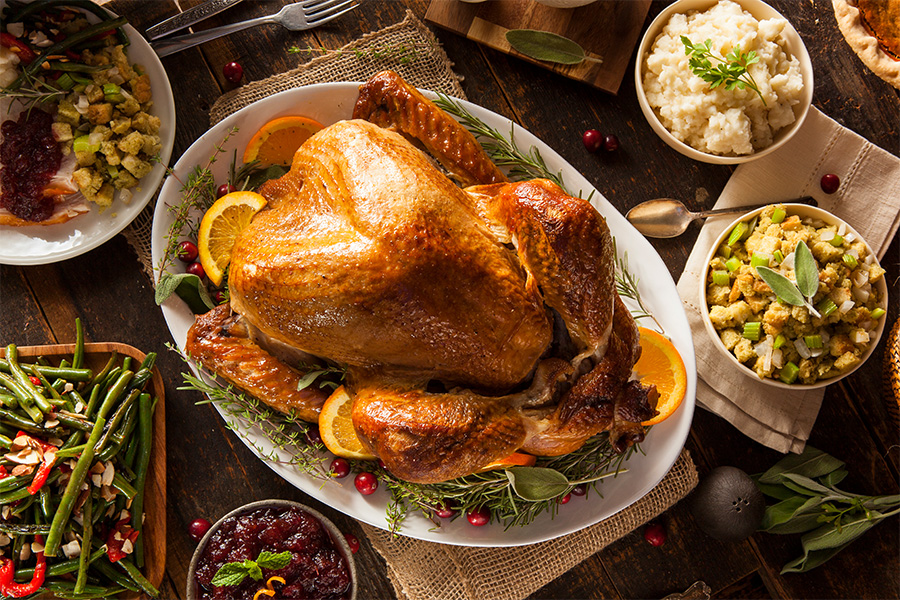
Read about safe thawing, cooking, and storing a turkey, including current estimates of the time needed for safe thawing and cooking. Because bacteria can multiply rapidly at room temperature, never defrost a turkey on the counter! The cold water and microwave methods may be used when you don’t have time to thaw your turkey in the refrigerator. Whole poultry is safe when the meat is cooked to a minimum internal temperature of 165 °F as measured with a food thermometer. All turkey meat, including any that remains pink, is safe to eat as long as all parts reach at least 165 °F.
|
-
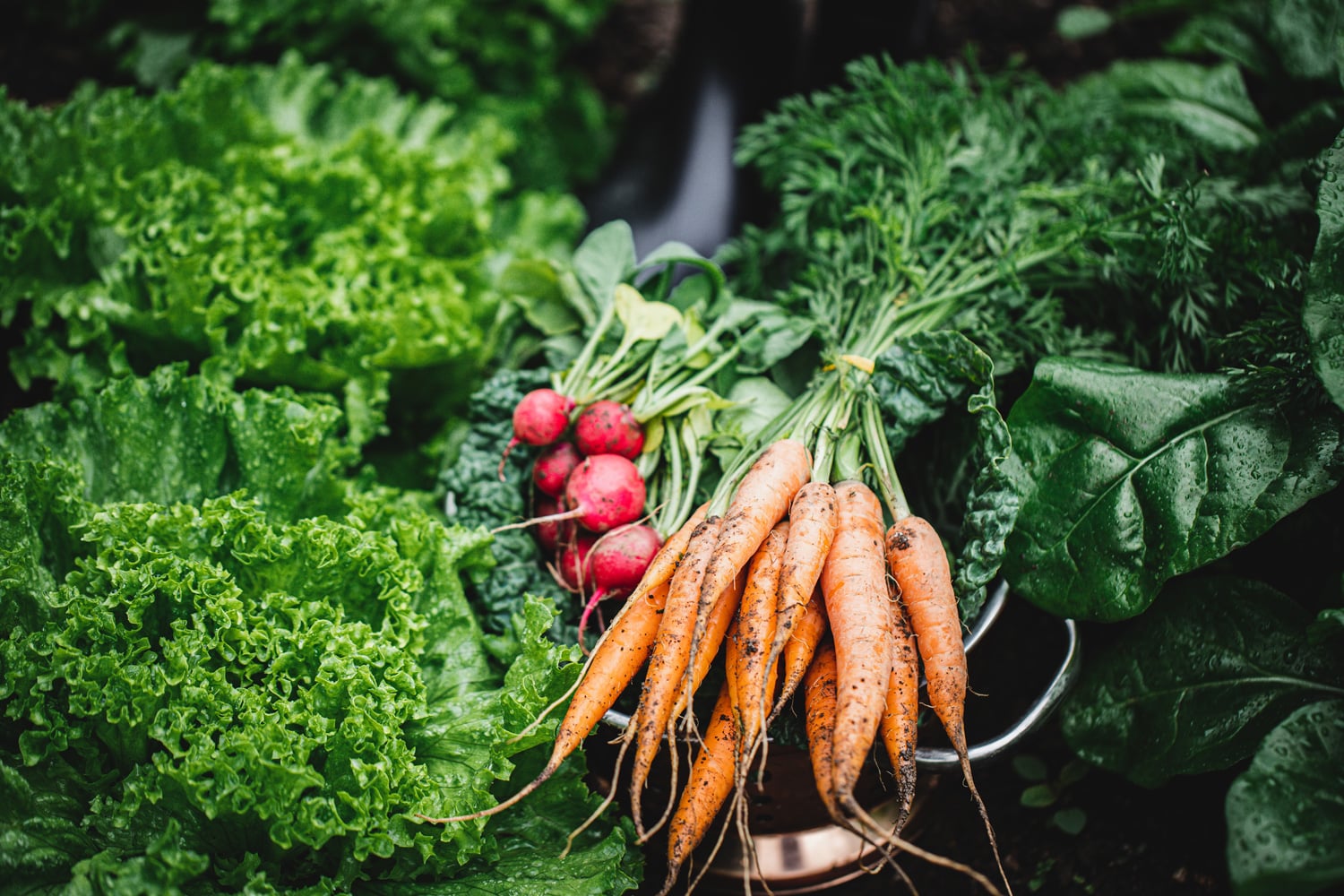
Vegetables require careful handling, storage, and monitoring to ensure the maximum postharvest life span. Because we are dealing with live organisms, the maximum attainable shelf life of vegetables can easily be affected depending on preharvest and postharvest factors that often manifest during storage. Following storage recommendations for each specific commodity helps to ensure the best quality and marketability of fresh produce. This circular contains basic guidance for the storage of most of Georgia-grown vegetables.
|
-

This report provides research and extension results for trials conducted by the University of Georgia Vegetable Team and its collaborators in the 2024-2025 growing season. The objective of this study was to determine the effect of postharvest oxalic acid treatments on the postharvest physical and chemical attributes of cucumbers. Contributing authors include county and regional faculty as well as specialists from UGA’s horticulture, plant pathology, crop and soil sciences, and entomology departments. All research has been supported by the Georgia Commodity Commission for Vegetables.
|
-
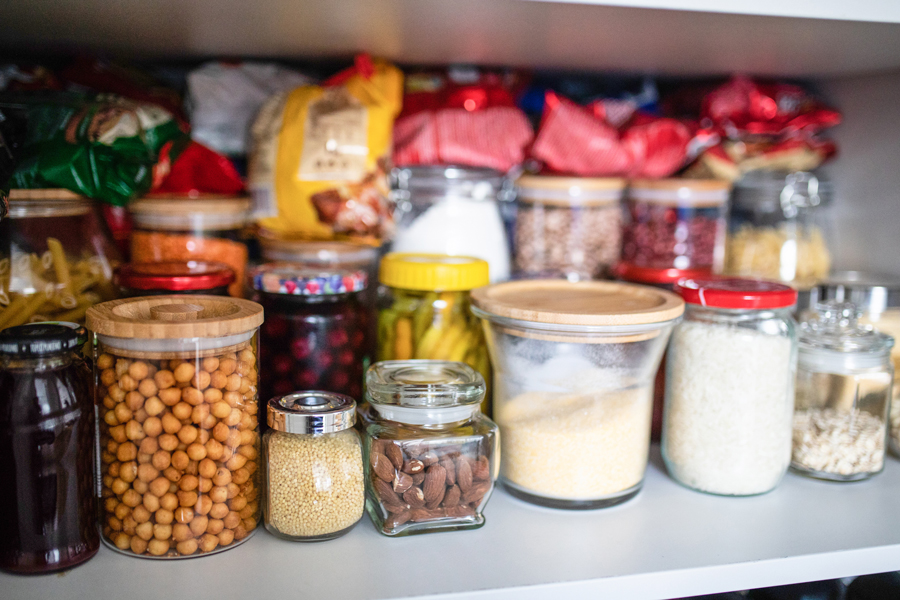
Esta publicación proporciona orientación práctica para individuos y familias, cubriendo aspectos esenciales como la planificación, la selección de recipientes adecuados y el mantenimiento de los alimentos almacenados durante emergencias como desastres naturales. La guía ofrece consejos fáciles de usar sobre variedad de menús, seguridad alimentaria y suministros no alimentarios, lo que garantiza un enfoque holístico para la preparación ante desastres.
|
-
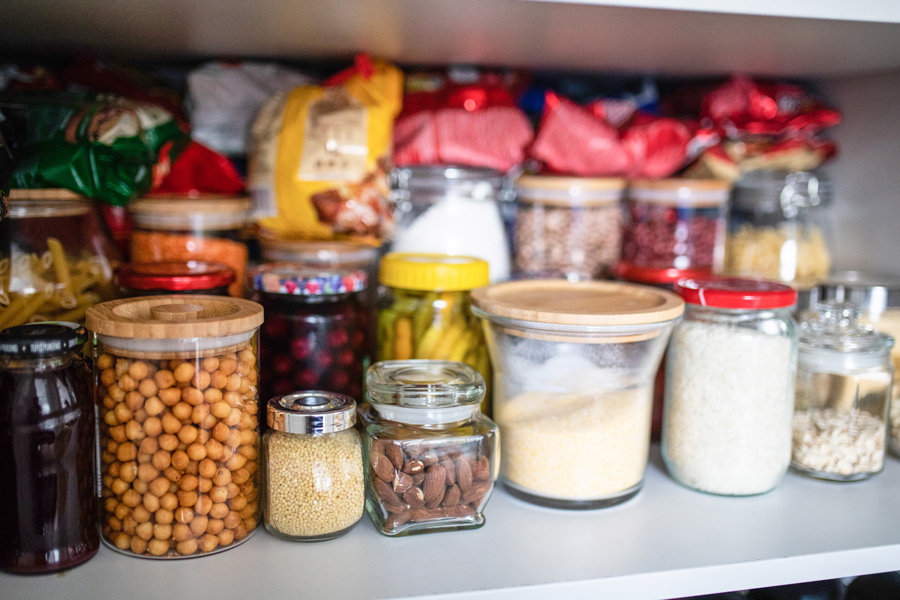
This publication provides practical guidance for individuals and families, covering essential aspects such as planning, selecting suitable containers, and maintaining stored foods during emergencies like natural disasters. The guide offers user-friendly tips on menu variety, food safety, and non-food supplies, ensuring a holistic approach to disaster readiness.
|
-
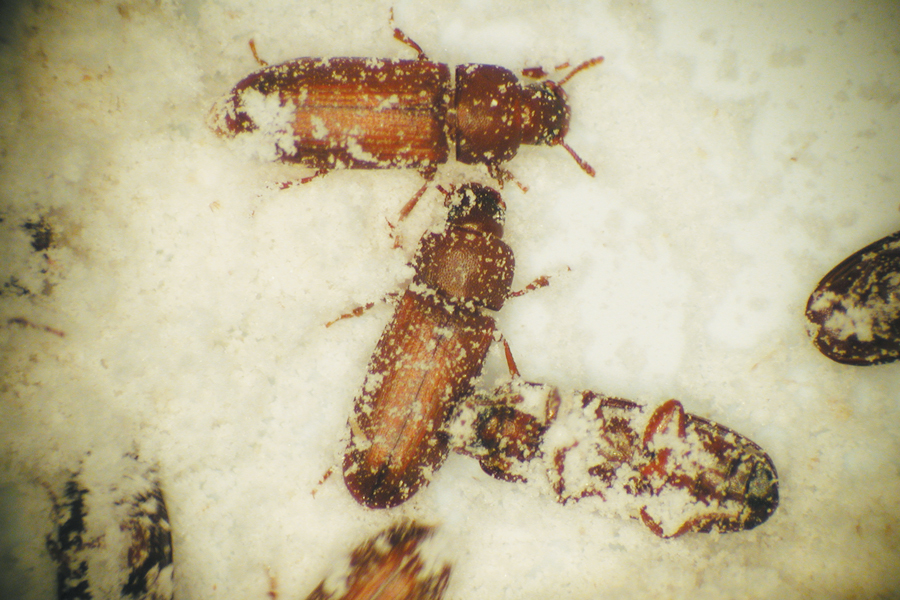
Several dozen insect species infest food and nonfood products of plant and animal origin commonly found in homes. Collectively, this group of insects is referred to as stored product pests. Most are small beetles or moths. For homeowners, often the first sign of a stored product pest infestation is the sudden, unexplained and then persistent presence of numerous insects in a particular area of the home.
|