Fruit, Vegetable and Ornamental Production
-
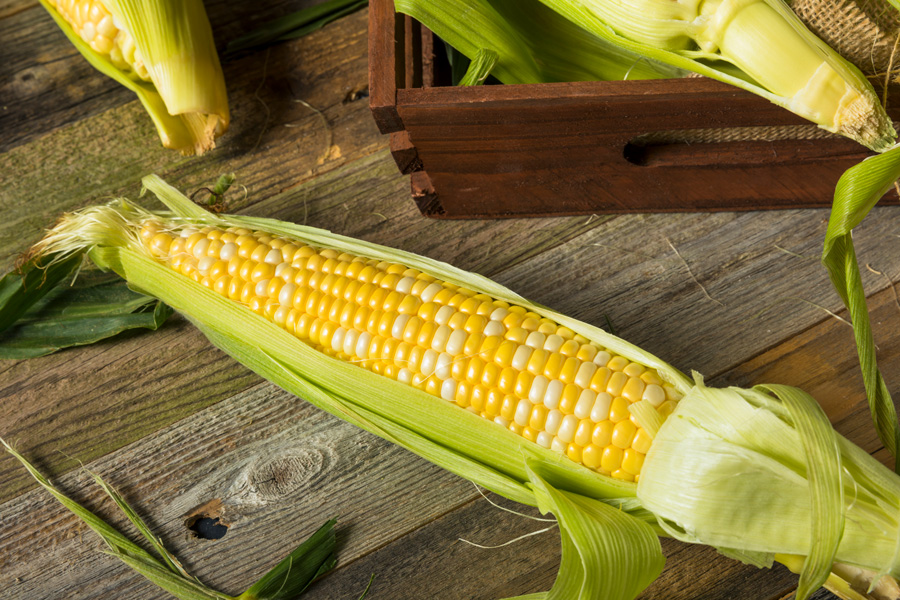
Summarizes shipper sweet corn production in southern Georgia.
|
-
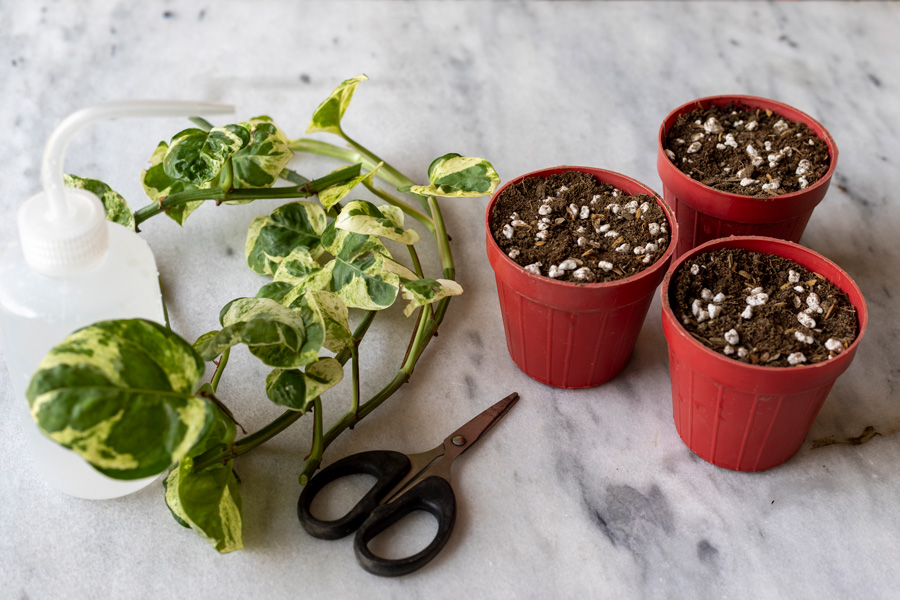
This publication shows home gardeners how to propagate many of their favorite landscape plants from cuttings at a home garden scale, using tools and resources available to them.
|
-
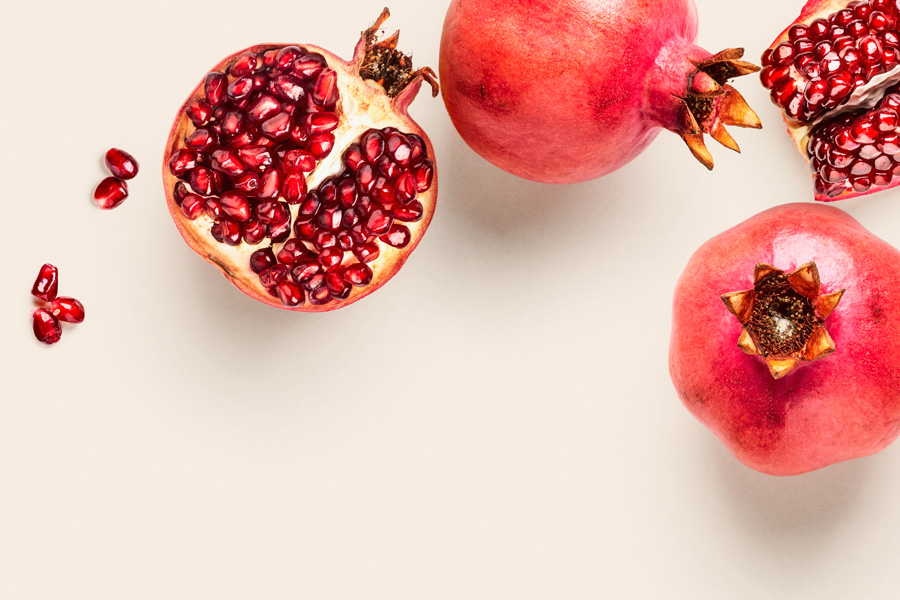
Pomegranate is an emerging crop that has been experiencing a significant expansion in Georgia. Pomegranates are excellent sources of sugars, soluble fibers, vitamins, minerals, and phytochemicals, including polyphenols with strong antioxidant activity. Because of their nutritional content, pomegranates are considered functional foods (foods that provide health benefits in addition to basic nutrition). Several value-added products may be developed from pomegranate arils and pomegranate peels, including food ingredients with strong antioxidant content, which may be appealing to health-conscious consumers interested in including more plant-based ingredients into their diets. Hence, antioxidant-rich foods such as pomegranates may be used by the U.S. food industry more often as a source of natural ingredients. Not only does consuming pomegranates provide numerous health benefits, but pomegranate derivatives also have the potential to improve the sensory properties and shelf-life of food products. This bulletin describes the main phytochemicals present in pomegranate fruits and provides an overview of the potential value-added products that may be developed from Georgia-grown pomegranates.
|
-

C 1174
Pecan Management
This circular is a calendar-based management reference for pecan production in the Southeastern U.S. It provides an easy-to-use graphical guide for management decisions regarding crop phenology, irrigation and fertilization requirements, disease, and insect and mite arthropod pest management. It also includes information on production activities including timing for planting, harvesting, and nutrient sampling. Information on bearing and non-bearing trees are provided to address the different management requirements for these orchards. Temporally precise management decisions on horticultural activities, disease suppression, and insect pest control will maximize efficiency, improve tree health, optimize crop quality and yield, and promote ecological and economic sustainability.
|
-

The silverleaf whitefly, also known as the sweet potato whitefly or Bemisia tabaci (Hemiptera: Aleyrodidae), attacks a wide range of plants, from ornamentals to warm-season vegetables. Whiteflies are active from mid-July to mid-October and are found gathered together on the underside of leaves during the daytime. Although 76 whitefly species are known to exist in the Southeastern U.S., only a few species cause serious problems in greenhouses and nurseries. These species include the greenhouse whitefly (Trialeurodes vaporariorum), banded wing whitefly (Trialeurodes abutiloneus), giant whitefly (Aleurodicus dugesii), citrus whitefly (Dialeurodes citri), cloudywinged whitefly (Dialeurodes citrifolii), and the silverleaf or sweet potato whitefly. Among several whitefly species, the silverleaf whitefly, particularly biotype B, is the most common and most destructive whitefly species in
nurseries in the Southeastern U.S.|
-
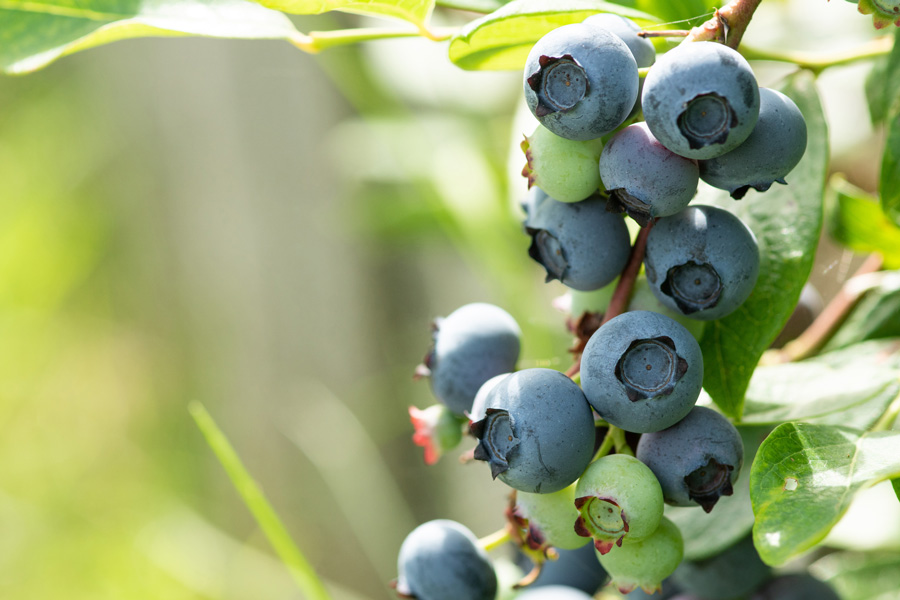
This publication provides updated (2023) Southeast-specific information on approved National Organic Program (NOP) disease and pest management options for blueberry production and addresses the issues most commonly encountered under the unique growing conditions of the Southeast U.S. This publication is not intended to provide all details on organic blueberry production, although it does include the production methods that reduce the impact of plant disease and pest issues. Emphasis in an organic system should be on cultural practices that reduce disease and pest pressure rather than pesticide applications. NOP-approved pesticides are usually less efficacious than conventional products. The pesticide label is the law and supersedes any information on pesticide use contained in this guide. Because environmental conditions and grower application methods vary widely, suggested use does not imply that performance of the pesticide will always conform to the pest control standards indicated by experimental data.
|
-
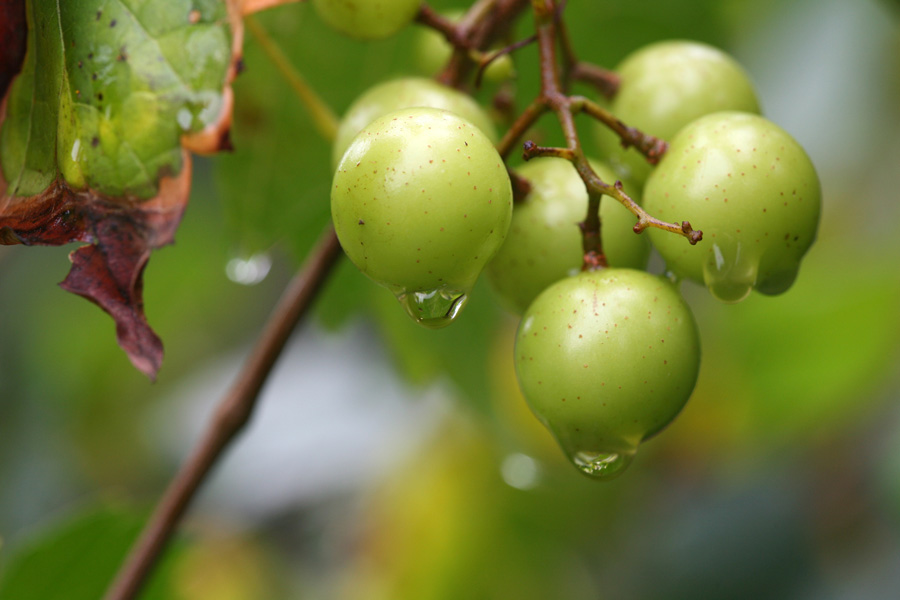
C 949
Home Garden Muscadines
Muscadines are truly a fruit for the south. Although muscadines can be grown successfully in most parts of the state, they are best adapted to the Piedmont and Coastal Plain areas.
|
-
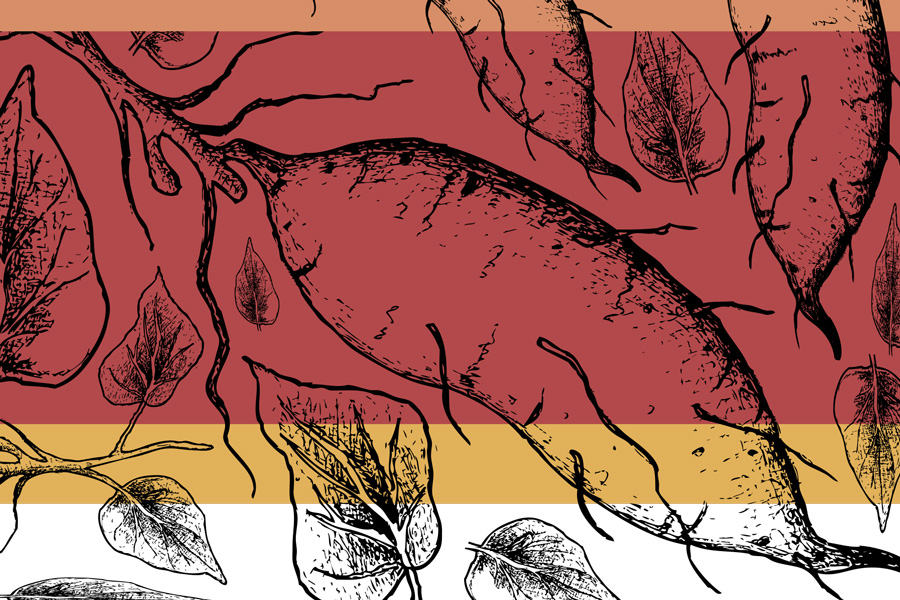
Sweet potatoes are members of the Convolvulaceae family, which includes morning glory. They are native to tropical America and are a perennial plant there. In more temperate regions such as the United States, they are frost-sensitive and grown as annuals. Sweet potatoes are grown for their edible root, which is often mistakenly called a tuber, like white or Irish potatoes (Solanum tuberosum). However, the edible portion of the sweet potato is a true root and will continue to enlarge as long as the plant continues to grow. Sweet potatoes have been grown by Native Americans in Mexico, Central America, Peru, Ecuador, and the U.S. for thousands of years. This bulletin is a comprehensive resource on the production, disease, insect, nematode and weed management of sweet potato.
|
-
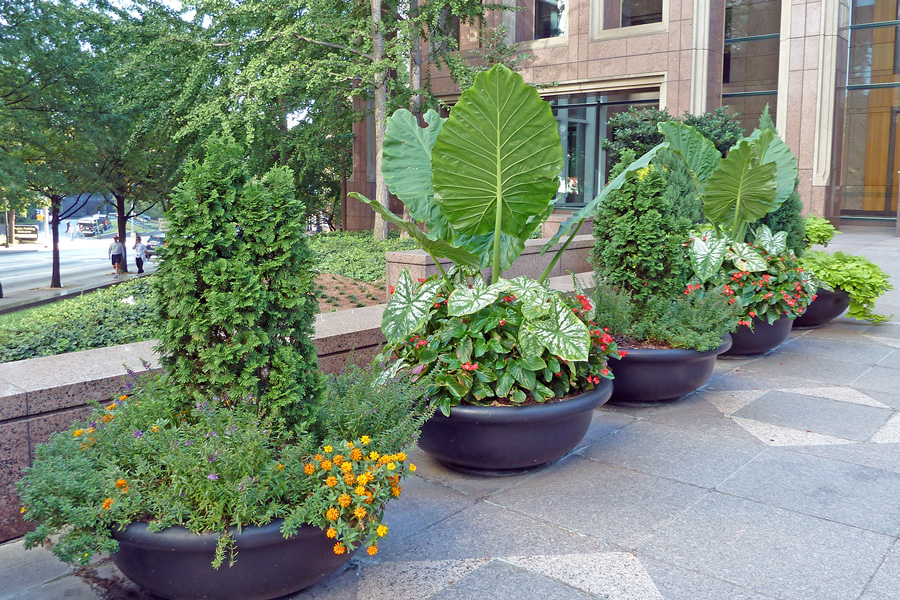
This publication offers information on types of plants suitable for mixed containers, with an emphasis on perennial and woody species and cultivars, as well as aesthetic qualities, cultural conditions and placement within the container.
|