Landscaping Resources
-
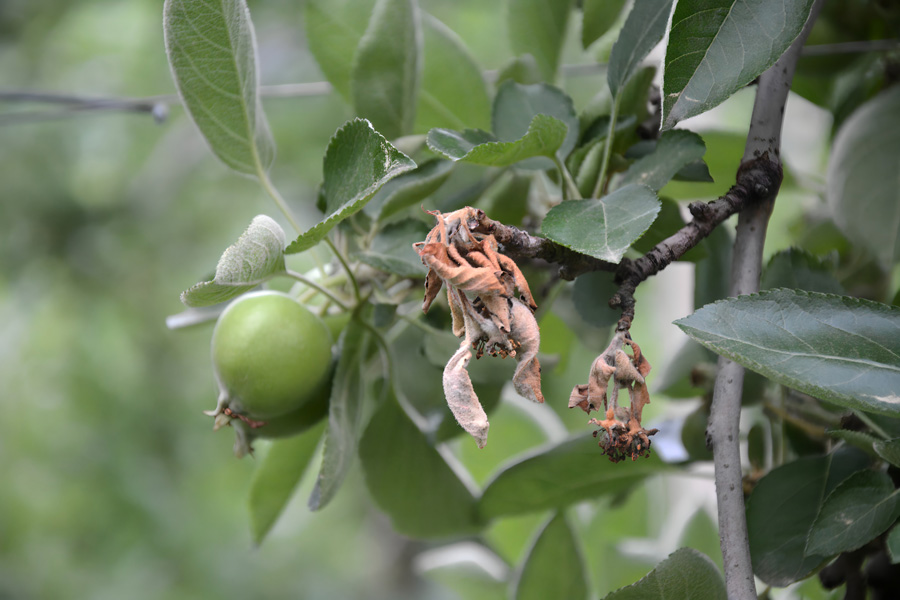
Fireblight is a destructive, highly infectious, and widespread disease. It attacks blossoms, leaves, shoots, branches, fruits, and roots. This publication has some facts and methods to avoid and control the disease.
|
-

With proper planning, planting and maintenance, a healthier landscape can be created with less expense, less work and less damage to the world around us.
|
-

This resource discusses the most common ground covers, both native and non-native plants, that are suitable for culture in North Georgia landscapes in shaded areas.
|
-
C 1013
Shade Trees for Georgia
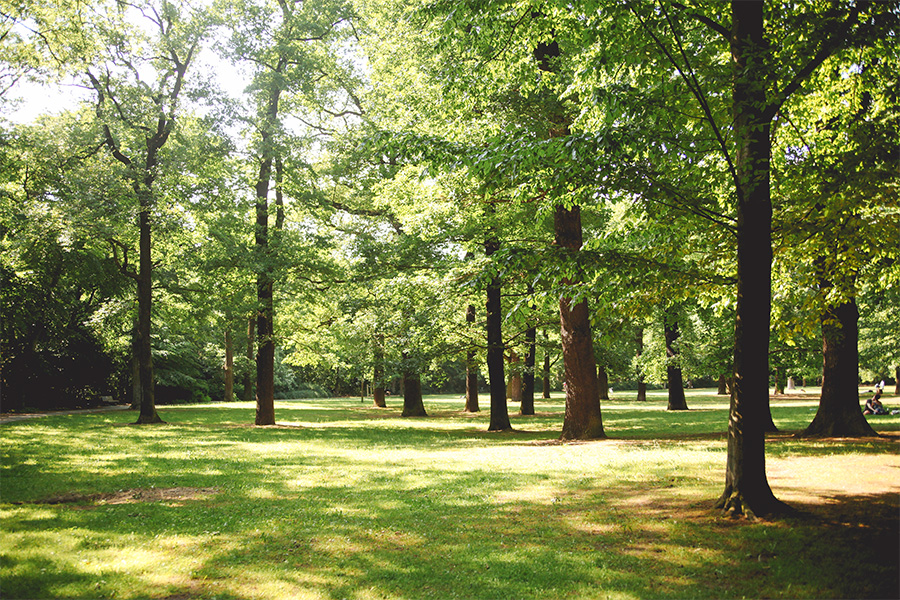
Shade trees are a staple of Southern landscapes and include a variety of species, forms and seasonal appeal. In the Southeastern U.S., shade trees are used most often to provide relief from the summer sun and heat. Additionally, shade trees can be utilized to channel summer breezes to desired locations, add monetary value to a property, define outdoor spaces, and improve landscape sustainability by reducing soil erosion, decreasing storm water flows, increasing rainwater infiltration and increasing wildlife habitat.The information in this publication will assist homeowners in making informed decisions when selecting fast growing shade trees for urban and suburban environments.
|
-
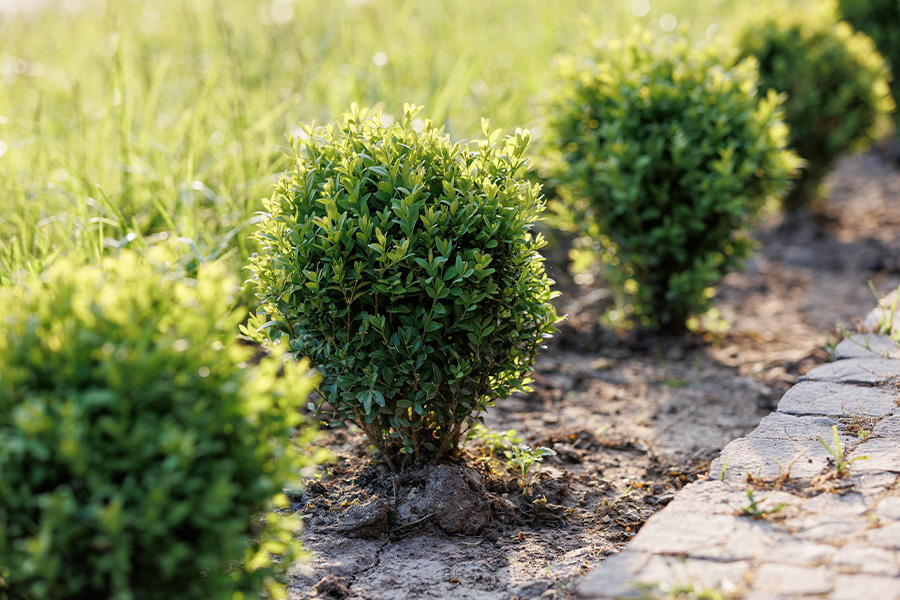
This resource provides alternative plants to replace boxwood in landscapes across Georgia. It includes information on new cultivars and cautions against the use of plants on the GA-EPPC invasive plant list, as well as species and cultivars affected by common pests and diseases.
|
-

This publication explains some of the options available to Green Industry professionals for dealing with these organic materials.
|
-
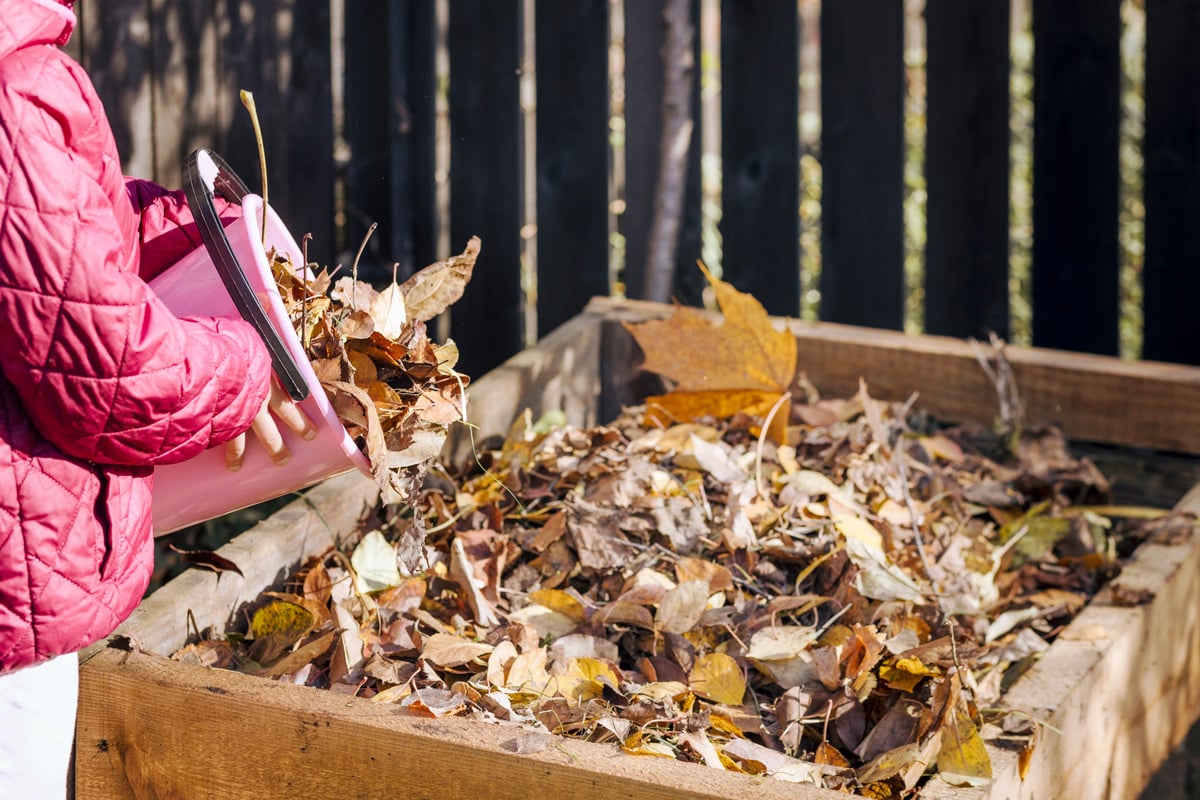
Citizens throughout Georgia are recycling newspaper, cans, glass and plastic in an effort to divert these materials from the waste stream. Another important part of waste reduction involves recycling leaves, lawn clippings, and tree and shrub trimmings instead of placing them curbside for the county or municipality to pick up. These landscape riches from Mother Nature can be easily recycled and turned into nutrient-rich organic matter right in your backyard through a process called composting.
|
-

Los hispanos representan la minoría más grande de los Estados Unidos con 42.7 millones de habitantes. Los trabajadores hispanos predominan en la industria de la agricultura urbana del estado de Georgia y conforman casi las tres/cuartas partes del total de obreros del estado. Los supervisores deben garantizar la comprensión e implementación de la seguridad laboral. Es imprescindible reconocer las barreras de comunicación para mantener un área de trabajo donde predomine y se haga efectiva la seguridad laboral. Use demostraciones, dibujos, materiales bilingues, y si es posible, un intérprete. Este manuscrito fue preparado originalmente por Ellen M. Bauske, Karen A. Maqueda y Alfredo D. Martinez-Espinoza.
|
-
Hispanic workers predominate in Georgia’s urban agriculture industry, comprising almost three-fourths of the workforce. Employers must ensure comprehension and safety compliance, address language barriers to create a safe workplace, use physical demonstrations, diagrams, bilingual materials and, if available, an interpreter. This publication covers general precautions, equipment safety, pesticide safety and other information that is necessary for keeping employees safe. It is also available in Spanish (see B 1334-SP). The original manuscript was prepared by Ellen M. Bauske, Karen A. Maqueda, Alfredo D. Martinez-Espinoza. Reviewed by Alfredo D. Martinez-Espinoza.
|