Landscaping Resources
-
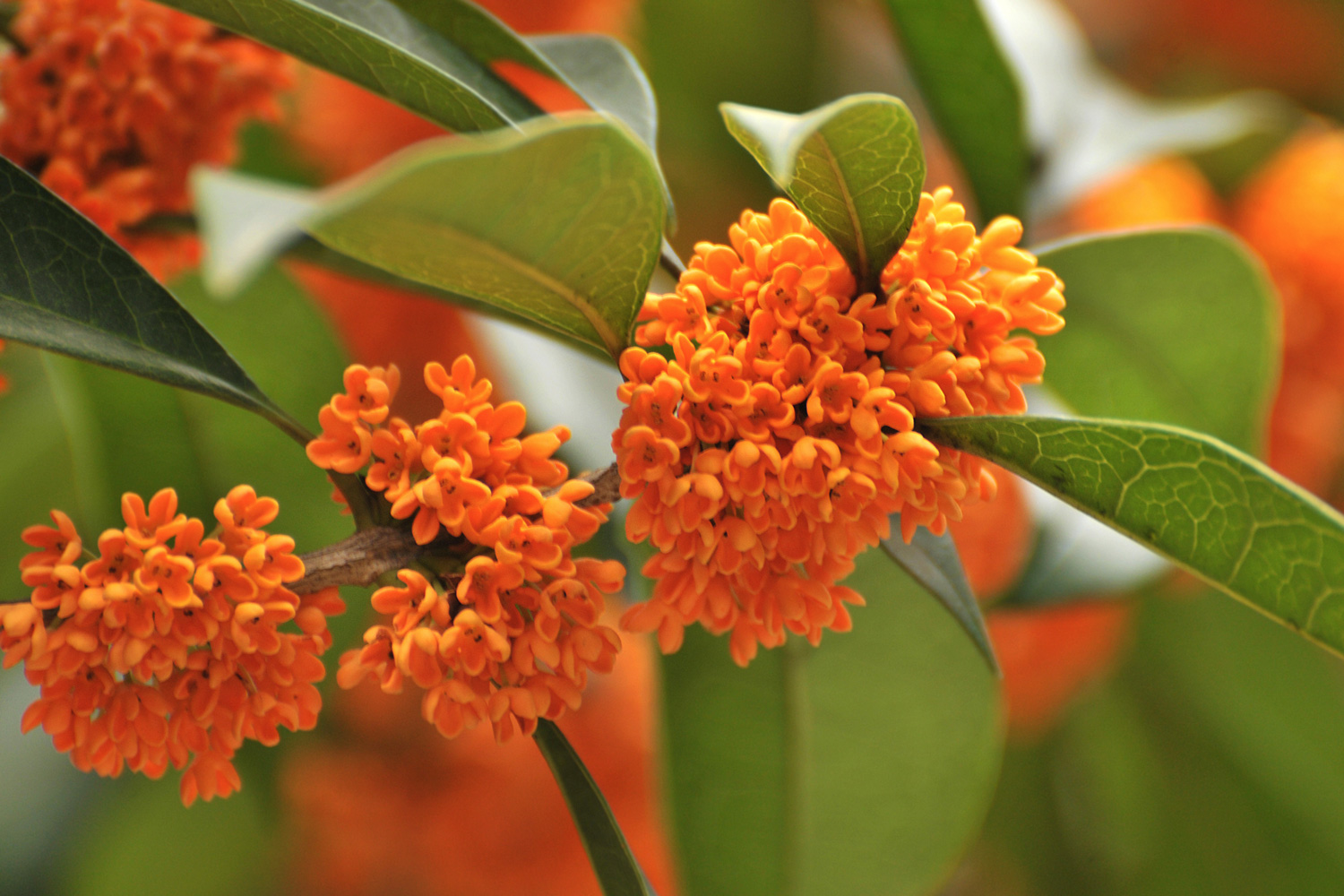
Sweet tea olives are woody, evergreen broadleaf shrubs or small trees that are widely produced in nurseries and used in landscapes because of their fragrant flowers and lower incidence of pests. This resource helps producers understand different propagation methods and how each works for sweet tea olives.
|
-

Bees are among the most populous, diverse, and effective pollinators. Approximately 70% of bee species nest in the ground, spending their larval and pupal stages underground. This resource helps residents understand how to help these bees as continued urbanization threatens natural spaces and land degradation, pollution, and habitat destruction present serious challenges to sustaining bee populations.
|
-
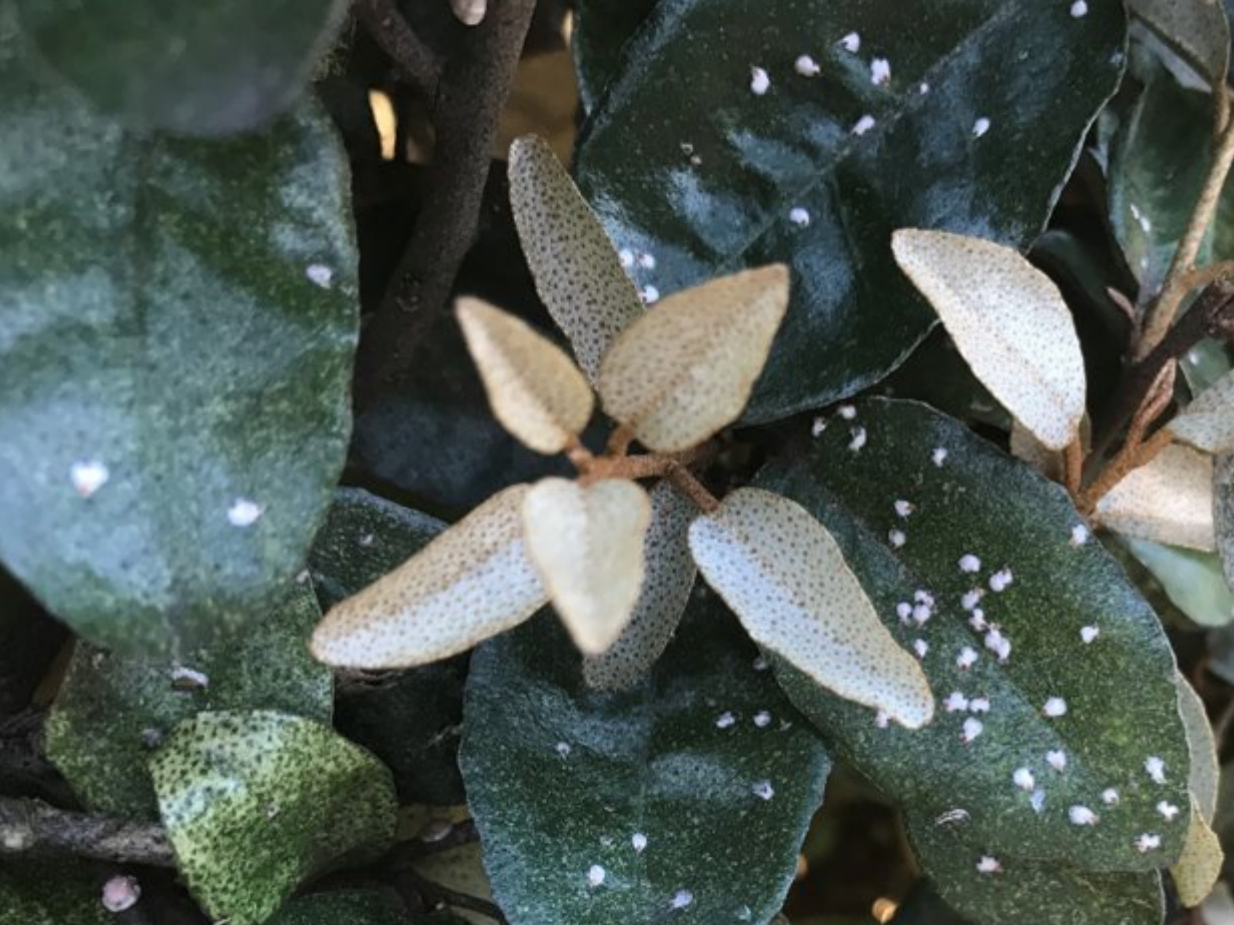
False oleander scale, which appears as white spots on leaves, is an invasive pest on ornamental plants. It is prevalent in Georgia and poses a significant threat to the aesthetic value of ornamental plants in the nursery and landscape.
|
-
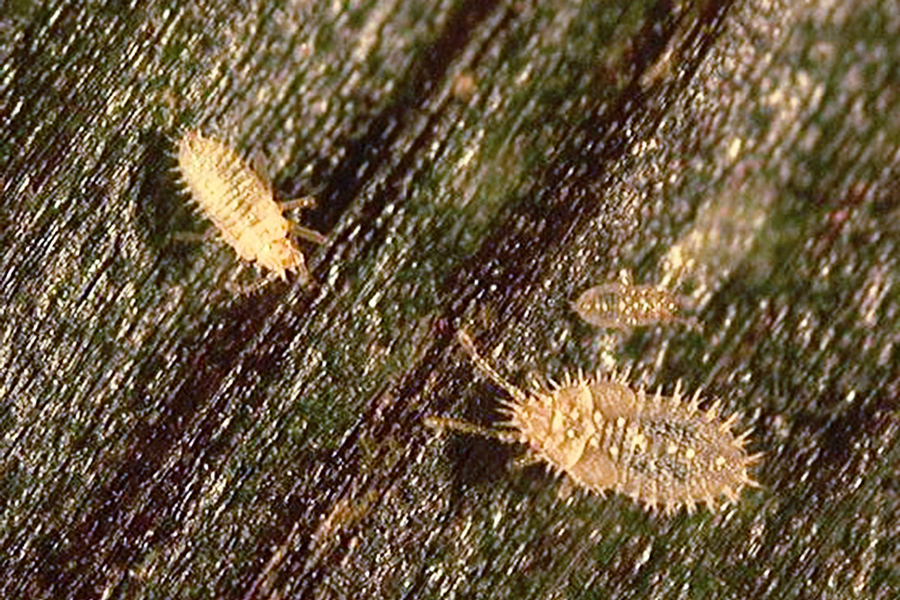
The grass lace bug is a pest of ornamental grasses in Georgia and thrives in warm, dry conditions. This publication provides information about how to identify and manage this pest.
|
-
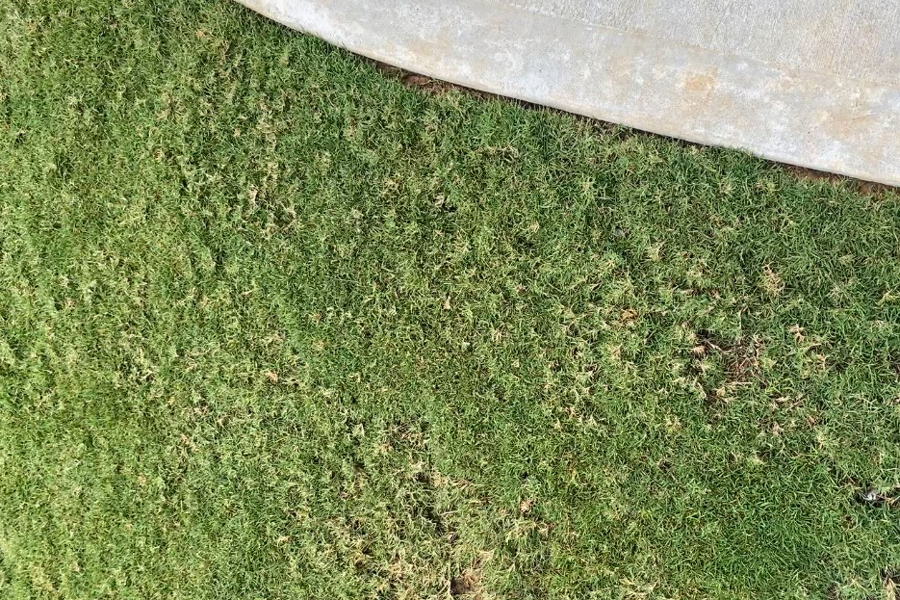
Bermudagrass mite is a microscopic mite species (at or smaller than ~0.2 mm or 0.0078 in.) that only infests and feeds on bermudagrass and has become an increasing problem in Georgia. It can develop into a serious problem on golf courses, athletic fields, sod farms, and both residential and public lawns. Bermudagrass mite infestations can reduce the aesthetic value of the turfgrass, causing thinning and poor grass growth. The size of bermudagrass mites poses a real challenge in identifying and monitoring the population in fields.
|
-
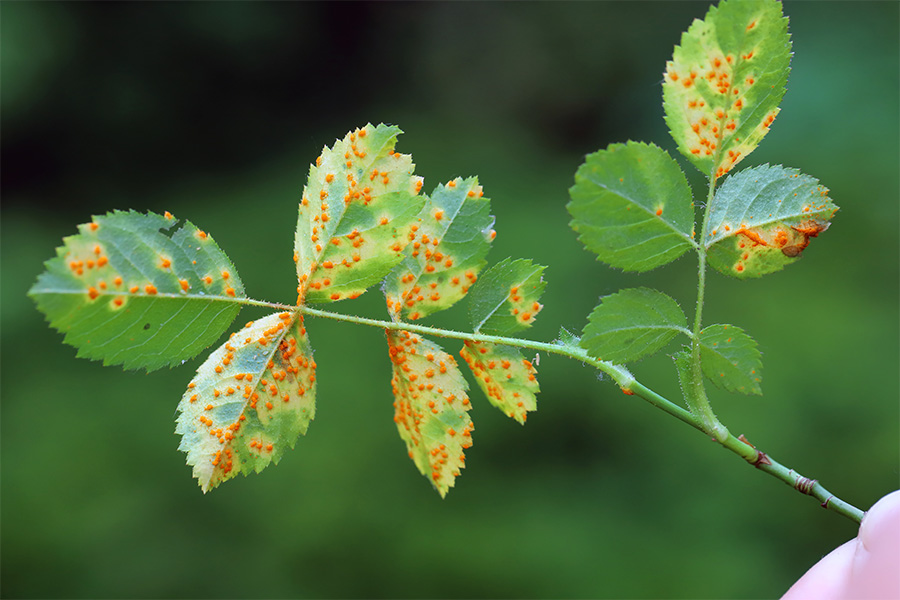
Esta publicación describe algunas de las enfermedades más problemáticas en las plantas de ornato más usadas en el jardín. El material presentado aquí le ayudará a identificar estas enfermedades y encontrará las recomendaciones para su tratamiento. El conocimiento de estas enfermedades permitirá a los jardineros profesionales y amateurs a combatir estas enfermedades y tener plantas saludables y bellas.
|
-
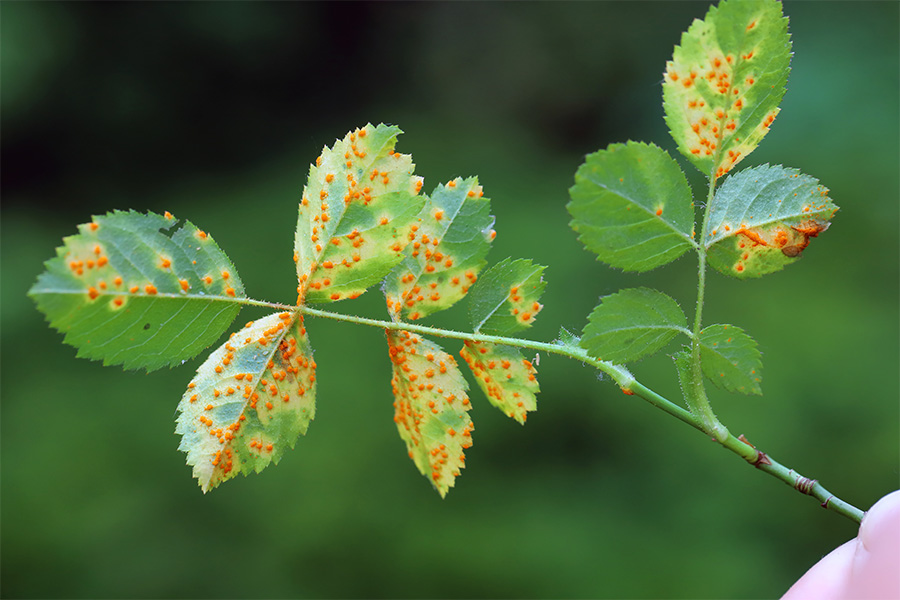
This publication describes some of the most troublesome diseases of Georgia’s landscape plants to help readers identify and treat these diseases. This resource is useful for professional and amateur growers alike to better fight plant diseases and produce healthy plants.
|
-
AP 130-3-12
Green Industry 2025
1. 2024 was a good year for many green industry firms, though Hurricane Helene mitigated these positives for many growers.
2. There are many unknowns going into 2025 that will impact green industry sales, including higher inflation and interest rates, mixed signals within the economy, increased input costs, and the varying strength of the housing market in Georgia.
3. Green industry demand is expected to have stable to moderate growth with increased prices, which will result in comparable average sales for 2025 compared to 2024.|
-
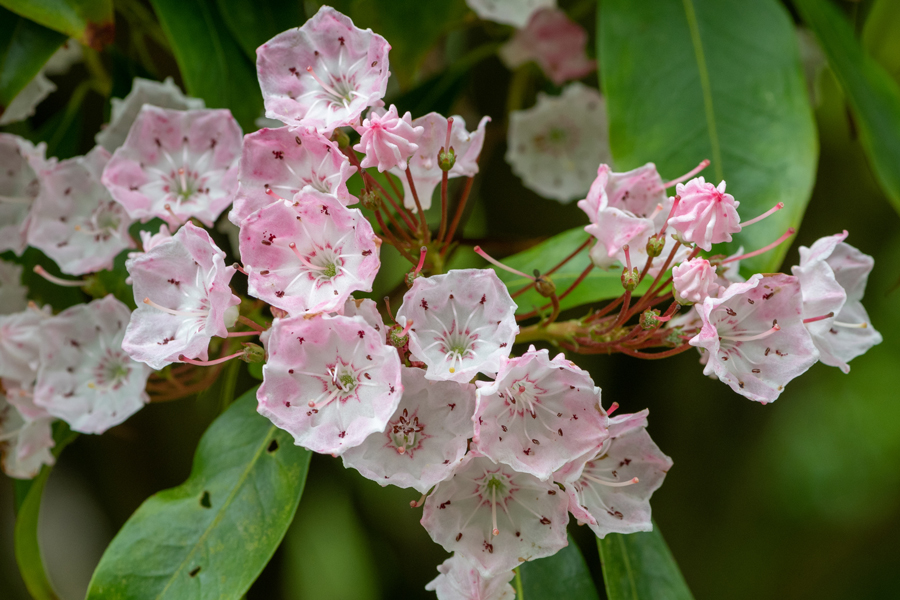
This publication includes a list of good plants for Georgia organized into various sizes and groups. The design qualities of plants—their form, size, color and texture—are emphasized according to the principles and requirements of good landscape design and plant maintenance. Hardiness and disease and insect resistant qualities are also considered.
|