Lawn and Garden Resources
-
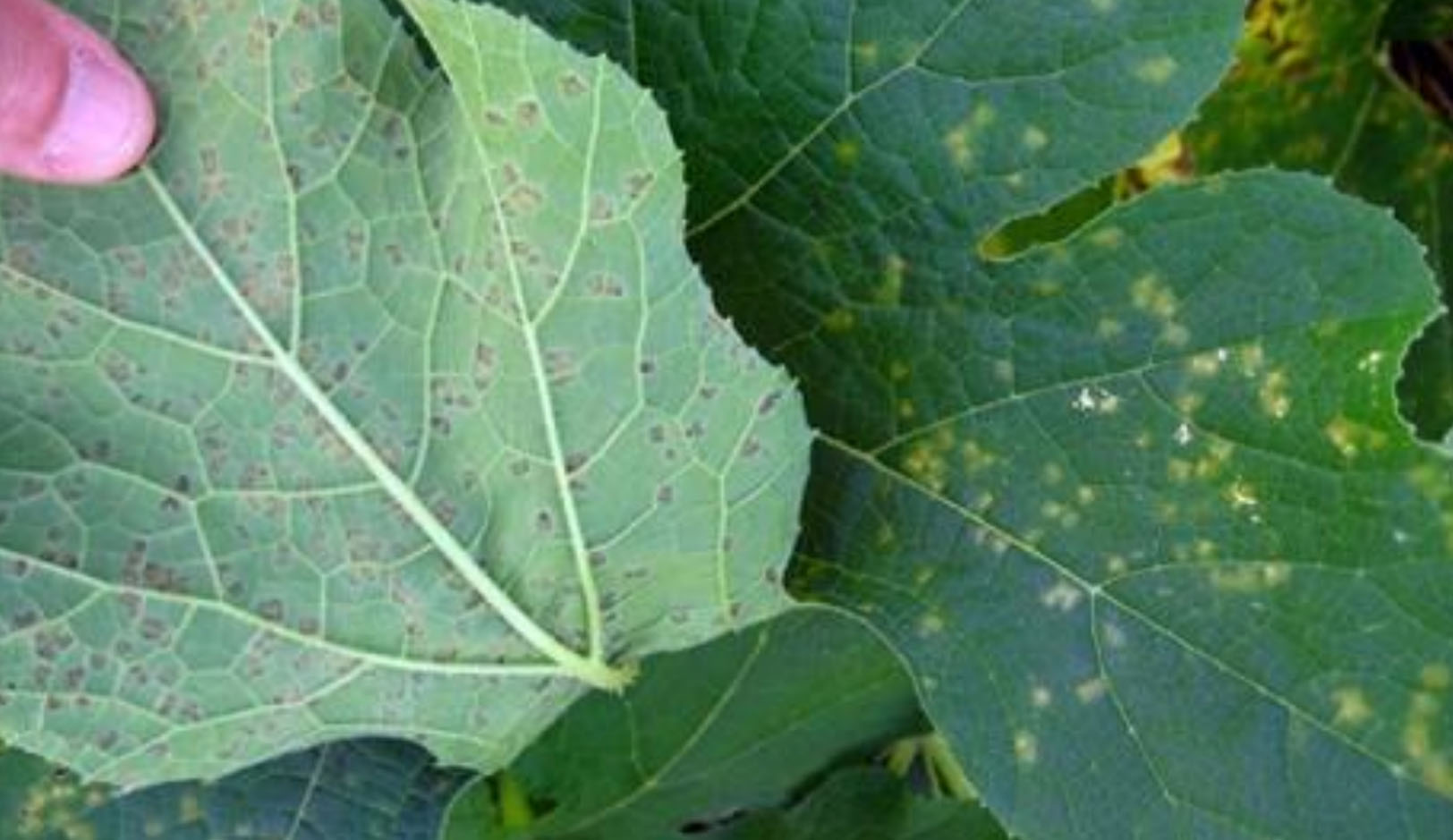
While there are literally hundreds of issues that can occur in the home garden, this resource focuses on the most common ones. When troubleshooting issues in the garden, this provides a good starting point and will help gardeners diagnose their issues and strategize solutions.
|
-
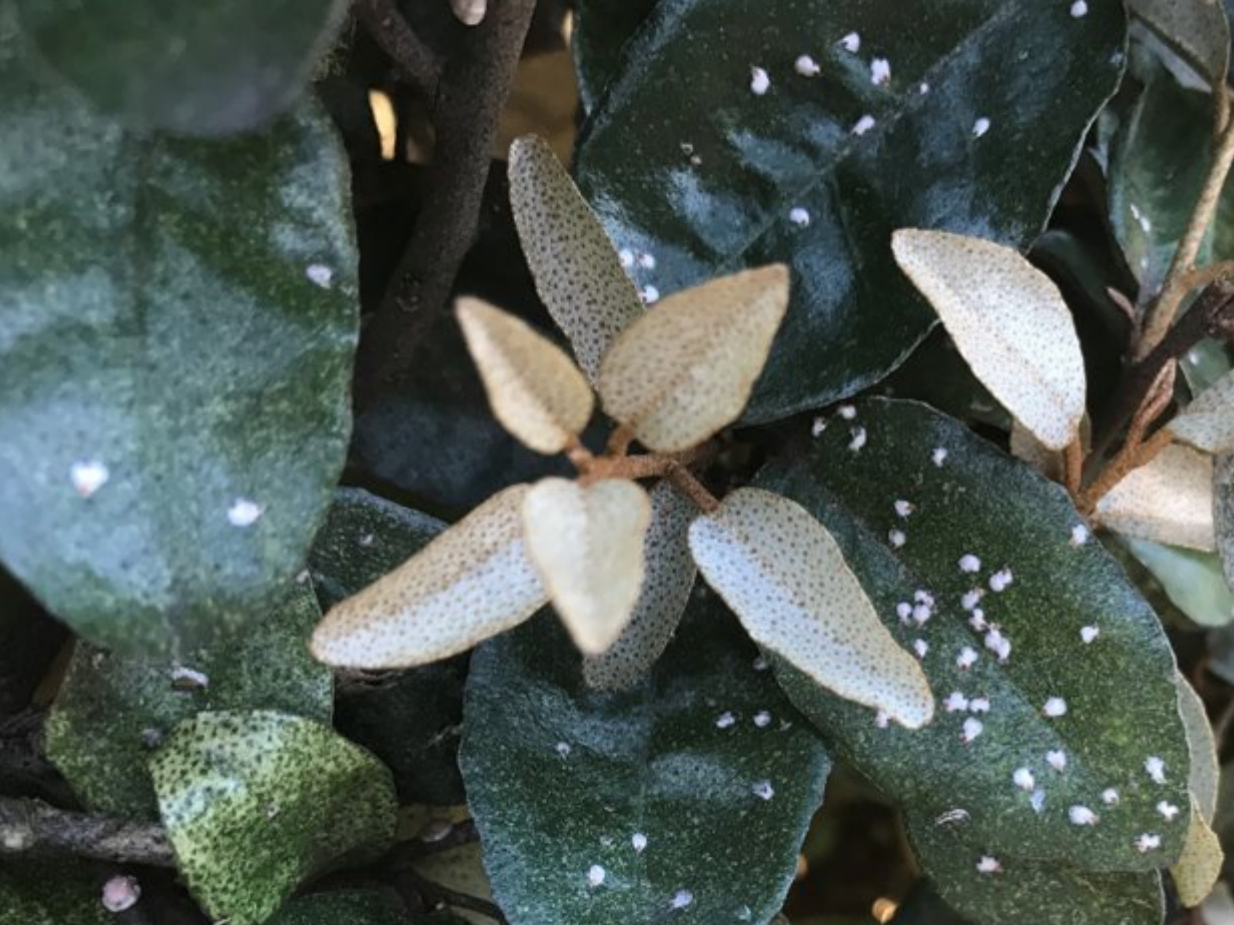
False oleander scale, which appears as white spots on leaves, is an invasive pest on ornamental plants. It is prevalent in Georgia and poses a significant threat to the aesthetic value of ornamental plants in the nursery and landscape.
|
-
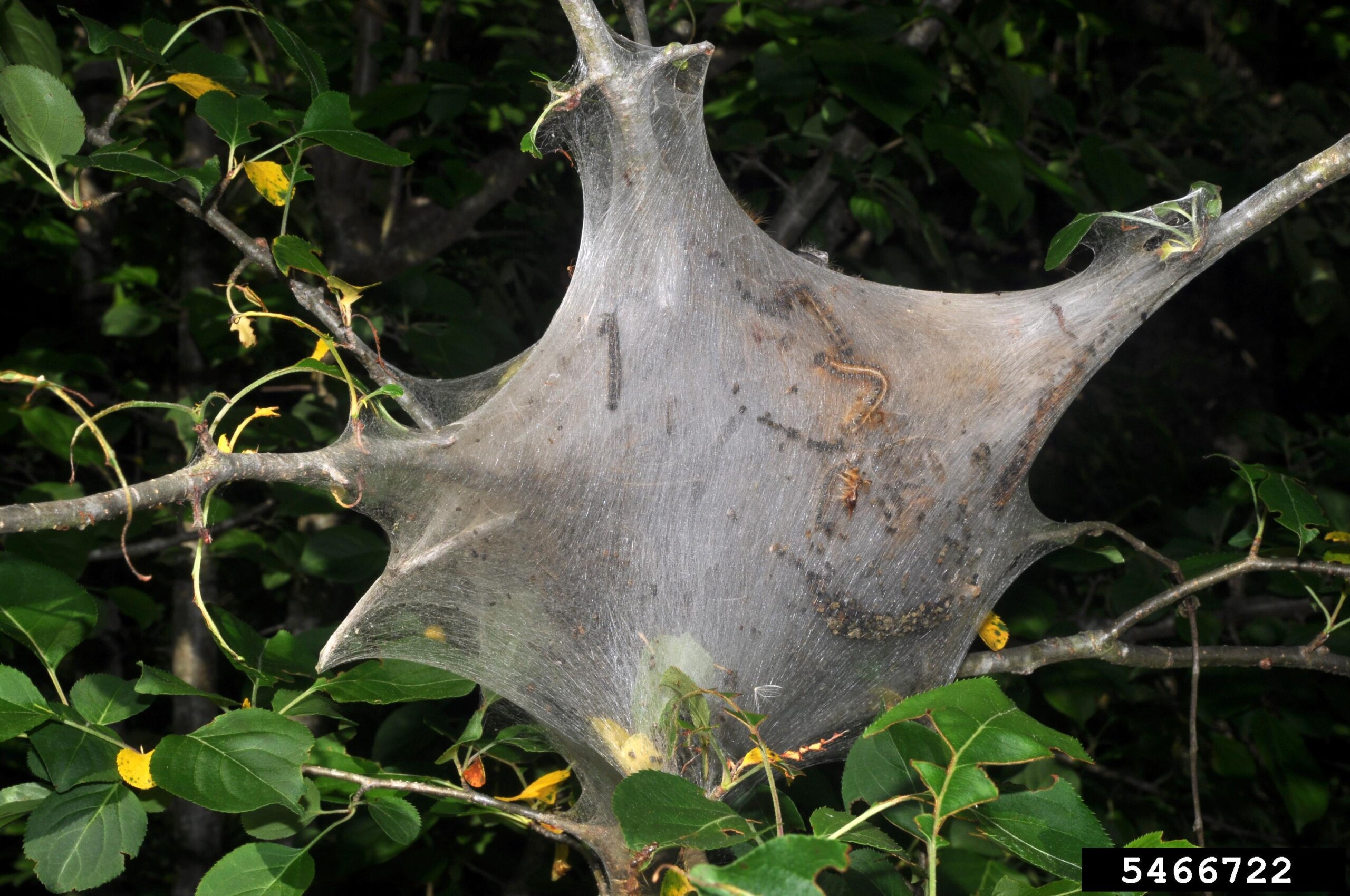
In North America, six species of tent caterpillars are found. The forest and Eastern tent caterpillars occur in Georgia, and can damage the aesthetic value of landscapes. There are several management strategies that work against tent caterpillars and this resource will help you identify and control them.
|
-
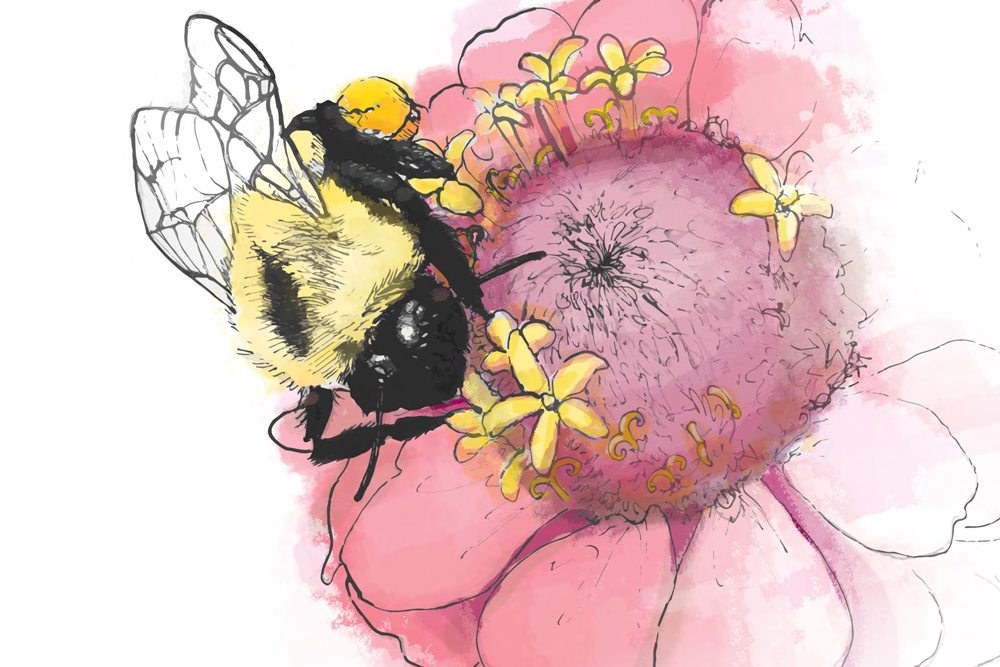
A pollinator-friendly and ecologically sustainable garden is both beautiful and able to attract and sustain beneficial insects, reducing the need for pesticides. This publication is based on new research in habitat management for purposes of planting insect-attracting plant species in order to intentionally draw insects to garden areas and urban landscapes. This is done by providing a refuge for the insects during winter and nectar and pollen resources. Plant selection directly affects beneficial insect populations, those insects that can provide ecological benefits such as biodiversity and natural pest control. This concept of “habitat management” can lead to potential increases in pollinating and other beneficial insect populations. An increase in these populations in landscapes will contribute to improved pollination of plants and biological pest control and reduce the need for pesticides.
|
-

This publication describes forest farming (also known as forest gardening), which can be defined as cultivation of plants under a forest canopy. It includes suggestions for appropriate plants for cultivation in the Southeast.
|
-
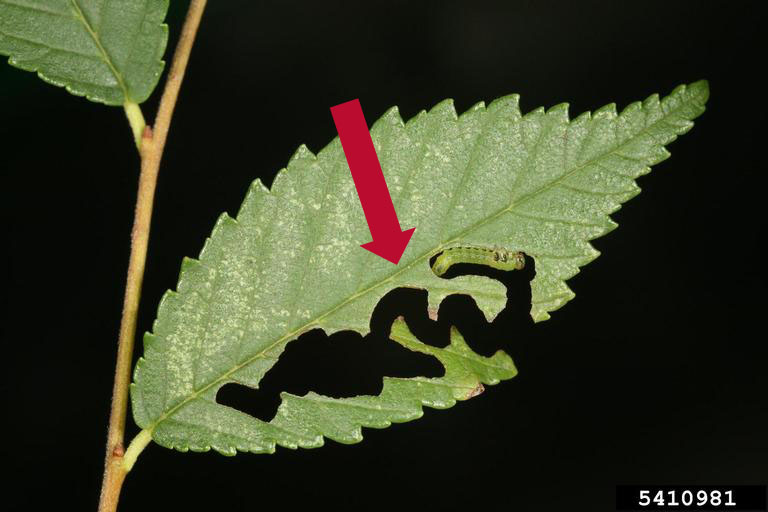
The invasive elm zigzag sawfly is a small wasp that has been reported in nine U.S. states, where it poses a threat to elm trees.
|
-

European hornets are widespread across much of the eastern United States. Native to Europe and Asia, they were accidentally introduced to North America in the mid-1800s. The European hornet is the largest species found in the United States and is particularly common in Georgia.
|
-

B 1170
Herbs in Southern Gardens
Growing herbs – both annuals and perennials – is simple and rewarding. A wide variety of herbs can grow in most parts of the United States. Those featured in this publication grow well in the Deep South with its hot, humid summers and fluctuating winter temperatures.
|
-
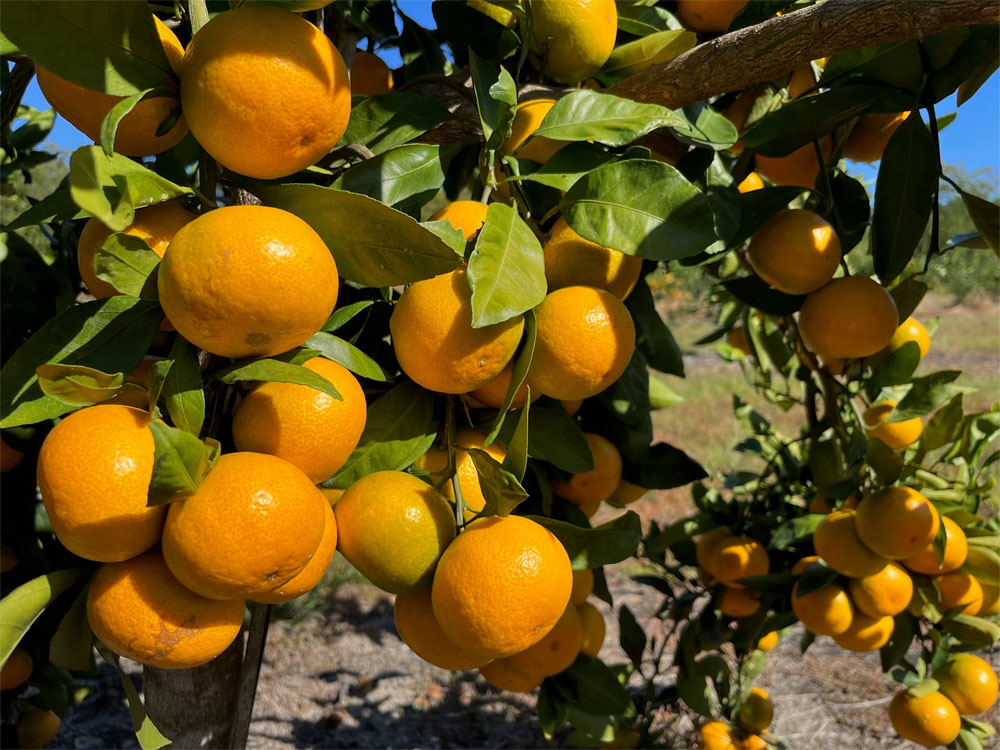
Satsumas are one of the most cold-hardy of all citrus and very adaptable to Georgia, but very little is known about growing citrus in Georgia. Commercial growers and residents often ask which early-maturing varieties are best to grow, so we evaluated juice from 12 early-maturing satsuma varieties. The varieties with the highest Brix content and best peel color are listed in this resource.
|